
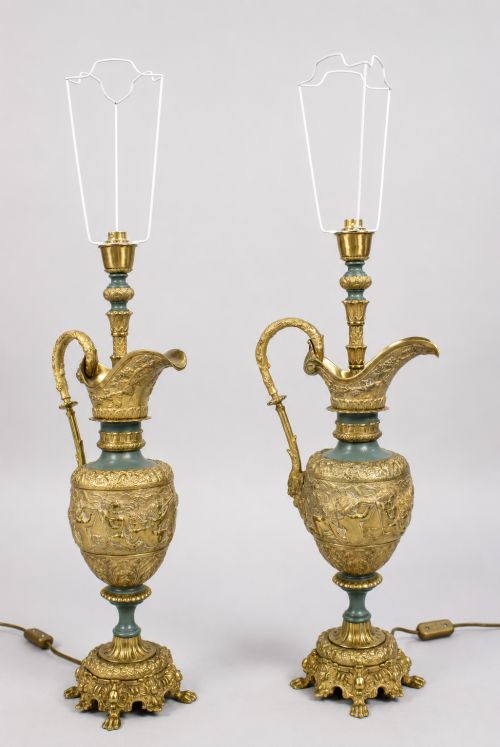
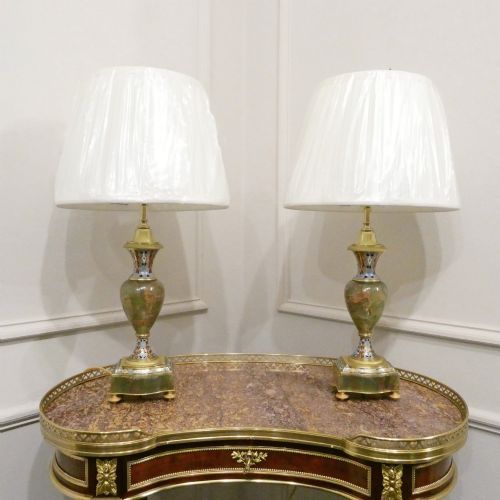

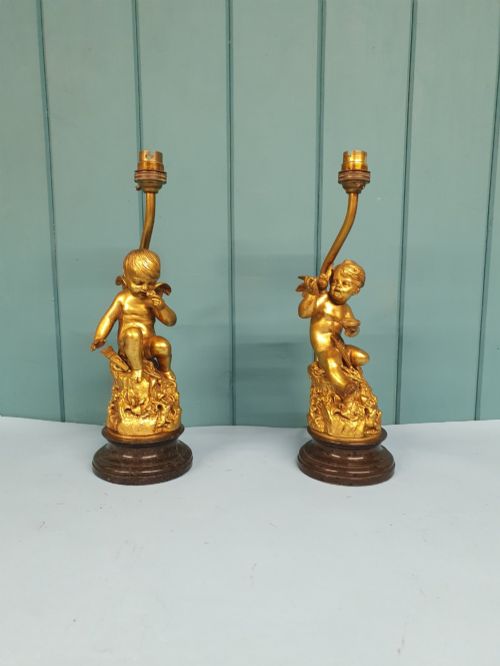
Pair Gilt Bedside Lamps
Pair gilt bedside lamps bring warmth and decorative focus to a room, drawing on French and Italian designs from past centuries.
Pair Gilt Bedside Lamps
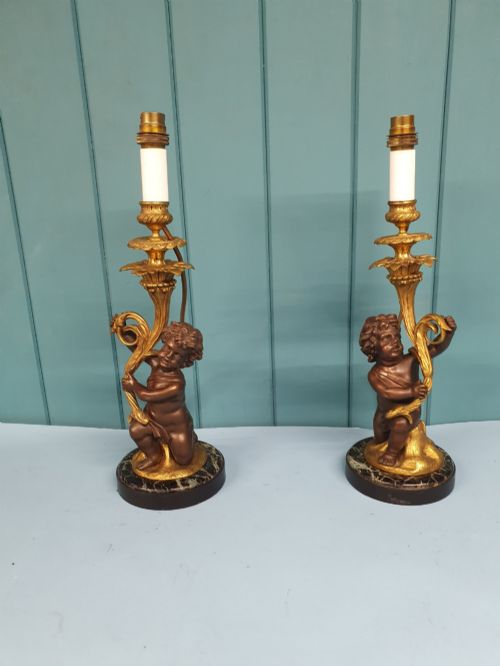
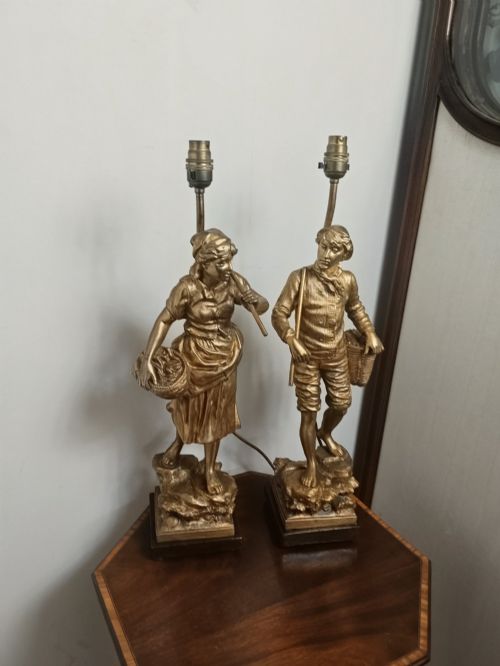
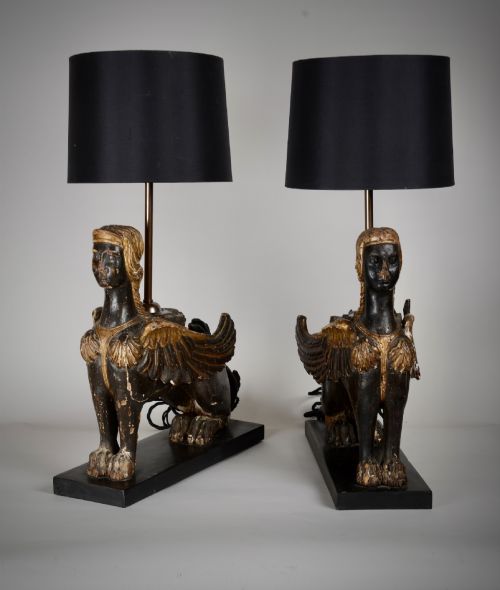
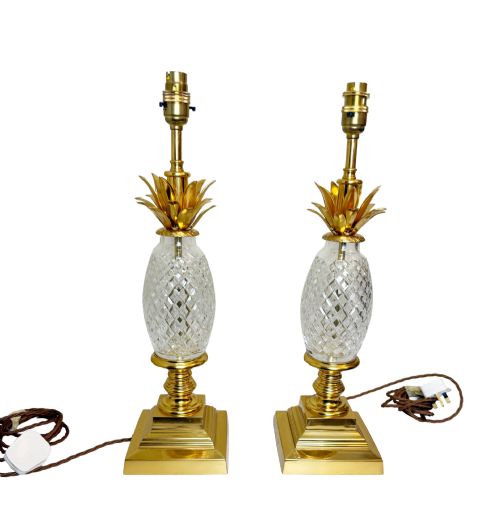
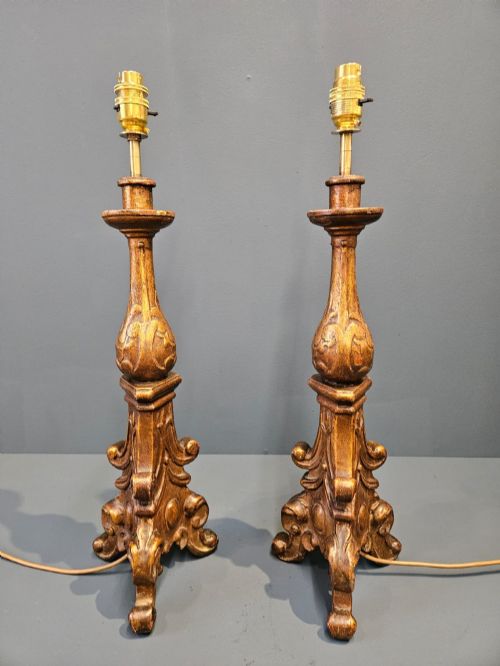
A search for pair gilt bedside lamps reveals dual lighting fixtures finished in gold tones, often adapted from earlier candlesticks, urns, or vases. These pieces frequently draw upon Neoclassical, French Empire, and Victorian design vocabularies.
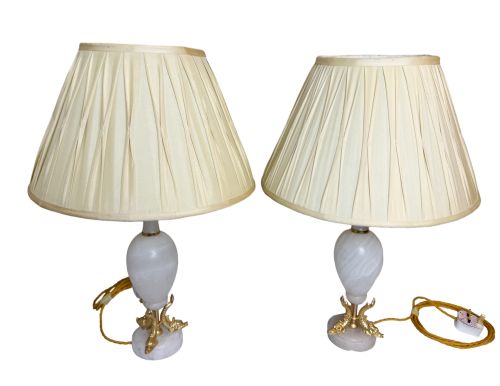
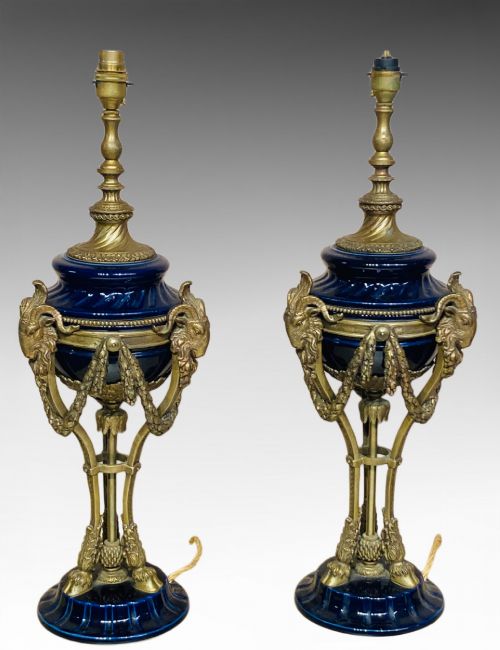
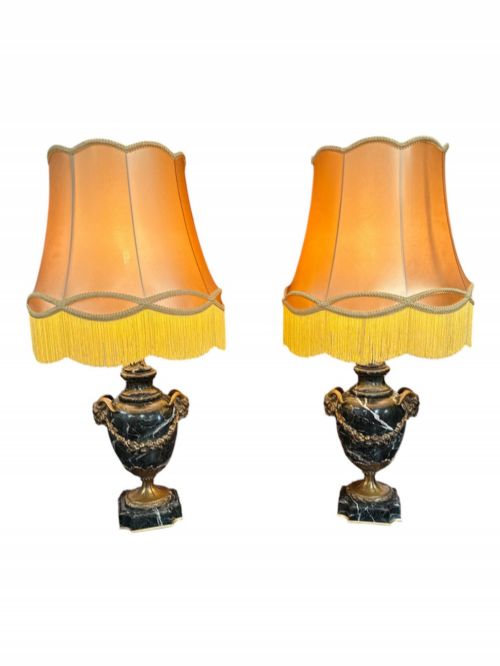
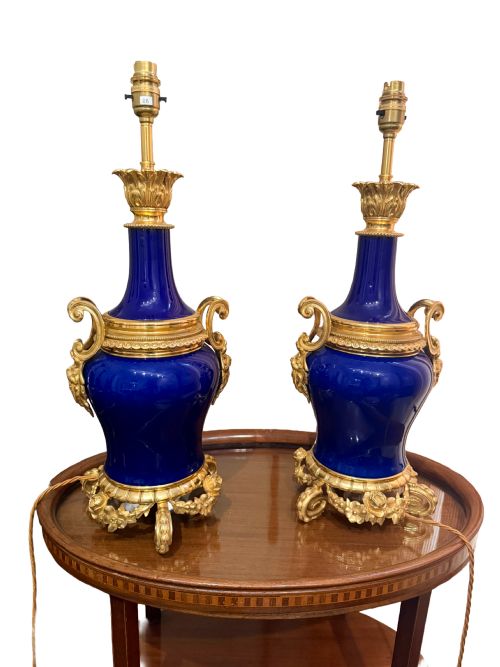
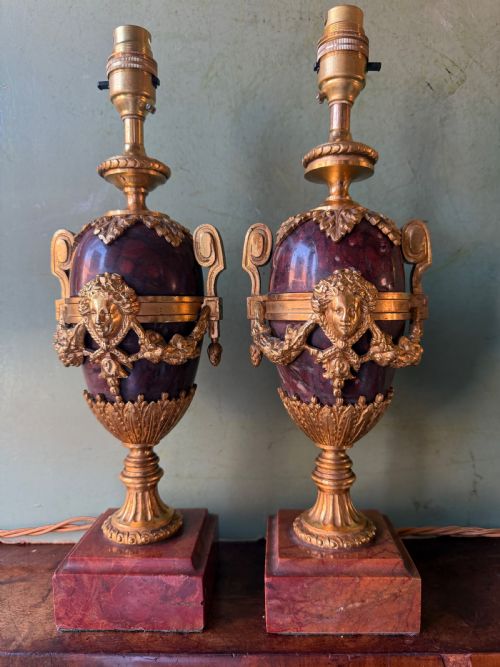
The selections available here range from carved giltwood and lacquered bases to elaborate ormolu-mounted marble and porcelain bodies. Many originate from French workshops or Italian makers active during the nineteenth and early twentieth centuries.
Buyers encounter conversions from oil lamps or candelabra alongside pieces designed originally for illumination. Materials such as crystal, onyx, and cloisonné frequently appear alongside standard gilt metal.
How they were made
Craftsmen built these lamps using cast bronze, brass, and carved wood, applying gilding or ormolu finishes to create a metallic sheen. Ormolu involves applying finely ground high-carat gold to bronze through a mercury amalgamation process or electroplating.
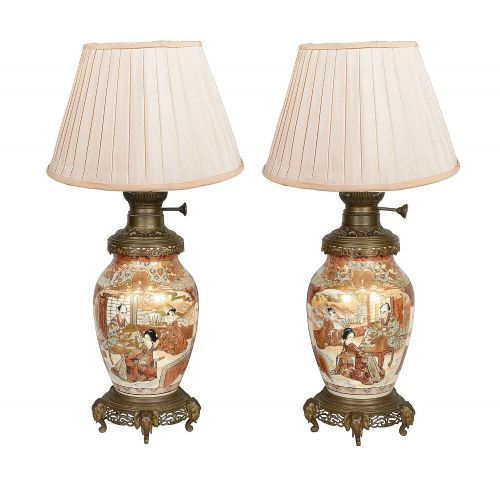
Stonemasonry and ceramics play a major role, with bodies carved from marble, onyx, and rouge or green stone. Porcelains from Paris, Satsuma, and Delft are frequently paired with metal mounts and hand-painted details.
Assembly relies on threaded rods and pins to secure heavy stone and metal sections together. Wiring for electricity represents a later adaptation in many examples originally fueled by oil or fitted for candles.
Listings feature materials spanning gilt bronze, ormolu, marble, crystal, fabric, and silk across the nineteenth and early twentieth centuries.
What varies in quality
The crispness of the chasing and carving dictates the visual depth of the metal and wood components. Hand-chiselled ormolu displays sharp contours and distinct motifs, whereas lower-tier castings often appear soft and muddy in detail.
The choice of body material alters the integrity of the piece, with solid marbles, dense hardwoods, and fine Paris porcelain standing apart from simpler cast substitutes. Superior mounts fit flush against ceramic or stone bodies without visible gaps.
E Rousseau
The Pair Gilt Bedside Lamps Glossary
- Ormolu
- Gilded bronze, where a layer of gold is applied to a bronze base. This technique was widely utilised in French decorative arts during the eighteenth and nineteenth centuries.
- Champlevé
- An enamelling technique where troughs are dug into a metal surface and filled with vitreous enamel before firing. It frequently appears on nineteenth-century French pieces.
- Cassolette
- A decorative vase or urn designed with a reversible lid that functions as either a solid vessel or a burner. Many examples are adapted into lamp bases.
- Cloisonné
- An ancient technique for decorating metal object surfaces using wire compartments filled with enamel paste. Chinese variations appear frequently within these listings.
Pair Gilt Bedside Lamps: Frequently Asked Questions
How do I wire old lamps?
Rewiring typically requires a professional electrician to replace perished internal cables and fit modern compliant lamp holders. This ensures safety while preserving the original decorative exterior.
Care must be taken when dismantling antique metal and stone mounts to avoid damaging fragile porcelain or marble components during the rewiring process.
Are these lamp conversions?
Many items began life as oil lamps, candlesticks, or candelabra before receiving electrical fittings in the twentieth century. Such conversions are standard practice for antique lighting.
Original weights and structural elements often remain intact beneath the wiring, maintaining the character of the base object.
How do I clean gilt metal?
Dusting gently with a soft dry brush prevents the accumulation of dirt in intricate recesses. Avoid chemical polishes which can strip thin layers of gold leaf or ormolu.
Water and harsh detergents must be kept away from fabric components and delicate painted porcelain surfaces.
How do I date these lamps?
Stylistic clues such as Neoclassical motifs, Louis XVI proportions, or Victorian weight provide initial chronological markers. Materials and manufacturing techniques observed on the base help narrow the decade.
Markings on the underside of porcelain or bronze components occasionally point directly to a specific period of manufacture.