



Pair Edwardian Mirrors
Pair Edwardian mirrors combine utility and decorative grace, bringing period light and proportion to any interior.
Pair Edwardian Mirrors
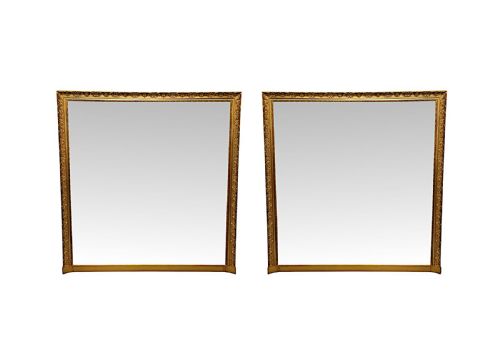
Pair Edwardian mirrors encompass matching double items created during the early twentieth century and late nineteenth century, spanning wall mirrors, overmantel mirrors, and pier mirrors. These dual items served both functional dressing purposes and decorative schemes in domestic rooms.
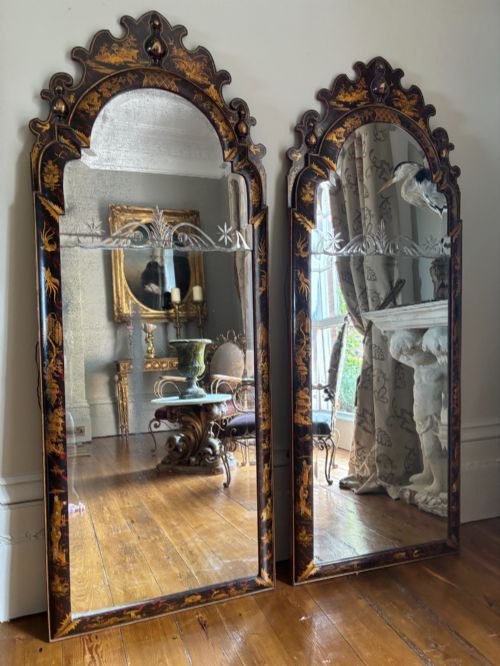
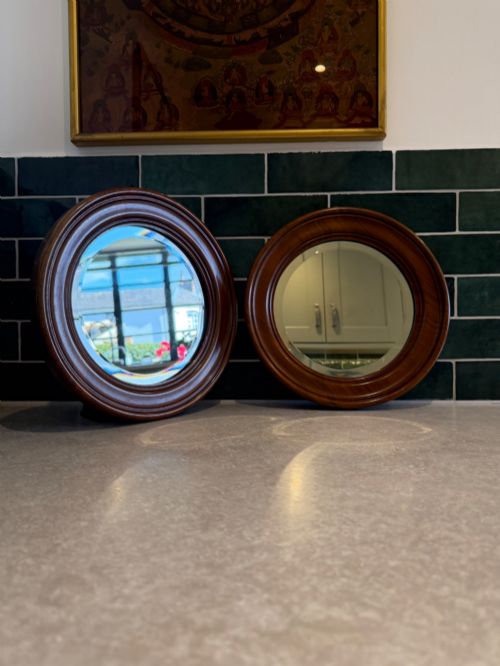
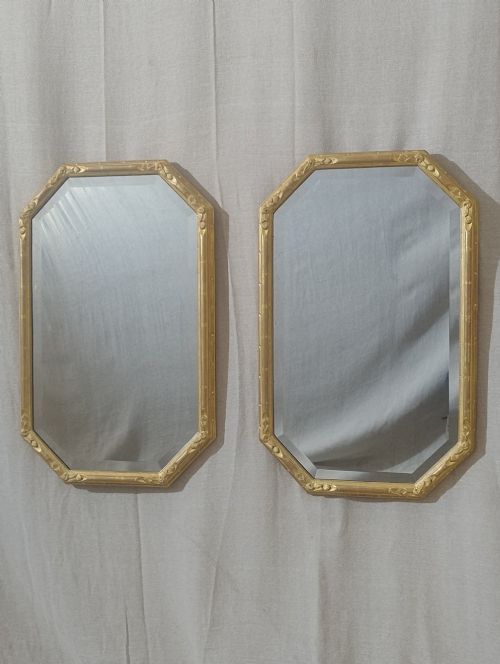
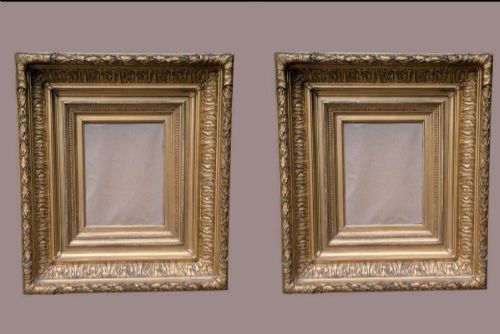
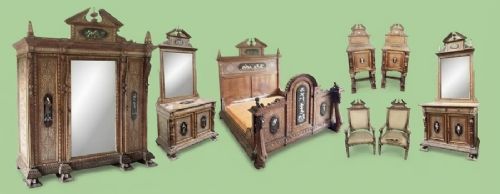
The selection on this page demonstrates various stylistic revivals, including Queen Anne style, Chinoiserie, Neoclassical revival, and Gypsy style pieces. Common forms range from simple wooden frames to carved giltwood and painted oval or rectangular mirrors.
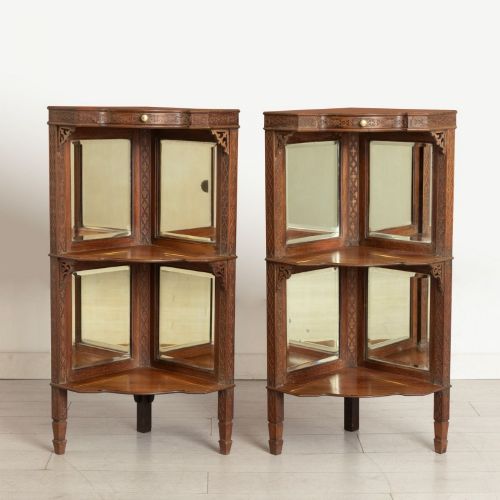
Buyers encounter numerous regional and stylistic variations, from mahogany marquetry bedside chests and boudoir mirrors to larger architectural overmantel pieces. Walnut and oak feature heavily alongside painted and gilded finishes.
How they were made
Craftsmen utilised traditional timber framing techniques, building structures in mahogany, walnut, oak, and pine. Wood was frequently carved, painted, or inlaid with marquetry to achieve specific revival styles.
Gilding methods involved applying gold leaf or water gilding over gesso bases to create reflective, ornate frames. Mirror glass was often bevelled, etched, and engraved by hand to produce decorative surface details.
Pair Edwardian Mirrors Retail Price Guide 2026
Typical asking prices for pair edwardian mirrors among the pieces listed under this phrase on Sellingantiques today, from the lower quarter to the upper quarter. They describe what is for sale here now, not the wider market.
Fairground fun house mirrors occasionally snuck into the listings, proving Edwardians enjoyed a distorted reflection just as much as a polite one.
What varies in quality
Quality depends upon the crispness of the carving in materials like giltwood and pine, alongside the depth and integrity of the original water gilding or paintwork. Finer examples maintain crisp detail without soft edges or heavy restoration.
The condition and clarity of the mirror glass itself alters the piece, with original bevelled or etched plates holding more historic merit than modern replacements. Construction joinery in the underlying timber frames also indicates workshop standard.
Edwards & Roberts·Lamb of Manchester·Waring & Gillows
The Pair Edwardian Mirrors Glossary
- Gesso
- A plaster-like mixture applied to wood surfaces as a base for gilding or painting. It allows craftsmen to model intricate low-relief ornamentation before applying gold leaf.
- Overmantel mirror
- A large mirror designed to hang above a fireplace mantelpiece. These pieces often feature horizontal proportions to span the width of the fireplace below.
- Pier mirror
- A tall, narrow mirror made to hang on the wall space between windows. They reflect natural light deeper into period rooms.
- Marquetry
- Decorative veneer work arranged in pictorial patterns using various coloured woods. Craftsmen applied this technique to cabinet furniture and mirror frames.
- Water gilding
- A traditional technique using liquid size and gold leaf applied to gesso. This method allows the gold to be burnished to a high, reflective shine.
Pair Edwardian Mirrors: Frequently Asked Questions
Where were pair Edwardian mirrors hung?
These items were typically placed in principal reception rooms, bedrooms, and hallways to maximise natural light and create a sense of expanded space. Pairs were often hung symmetrically flanking a fireplace, window, or piece of furniture.
Smaller boudoir or dressing variants found placement above matching dressing tables or washstands. Their dual nature allowed interior designers to balance wall compositions effectively.
How do I identify Edwardian mirrors?
Edwardian pieces often display lighter proportions and brighter gilding compared to heavier Victorian predecessors, frequently drawing on Georgian, Adam, or Neoclassical revivals. Look for characteristic timber choices like mahogany, walnut, and oak alongside painted or inlaid surfaces.
Backboards, fixings, and the composition of the glass plate help confirm the period. Original fixings and undisturbed backing boards provide reliable clues to age.
What is a girandole mirror?
A girandole is a decorative wall mirror featuring integrated candle sconces attached to the frame. The polished glass and metallic or gilded surfaces reflected the candlelight to brighten dark rooms.
These pieces combined lighting functionality with ornamental design, frequently appearing in formal reception spaces during the late nineteenth and early twentieth centuries.
How do I clean antique mirror glass?
Clean mirror glass gently using a soft, lint-free cloth and a mild, non-ammonia cleaning solution applied to the cloth rather than directly to the glass. This prevents moisture from seeping behind the plate and damaging the silvering or the wooden frame.
Avoid harsh chemical sprays and abrasive materials that can scratch historic glass surfaces or erode fragile gilt and painted finishes.