

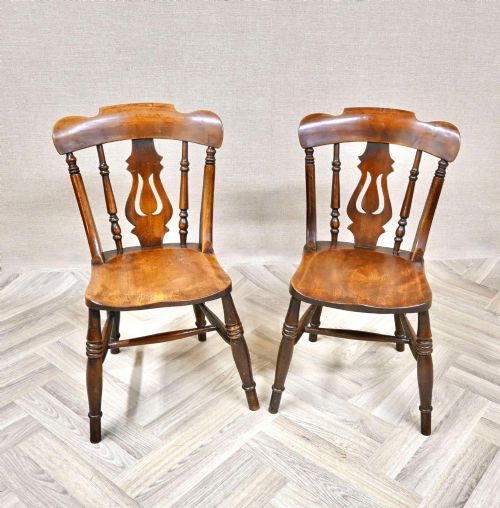
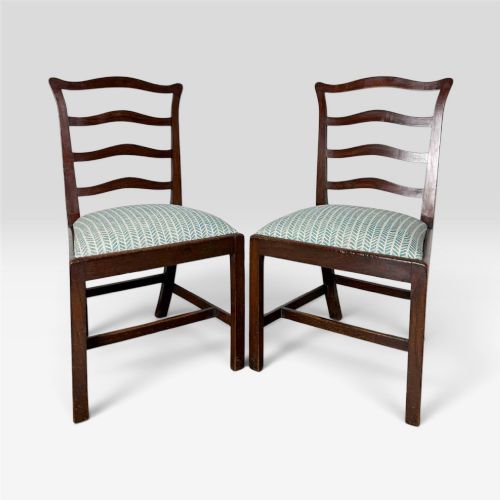
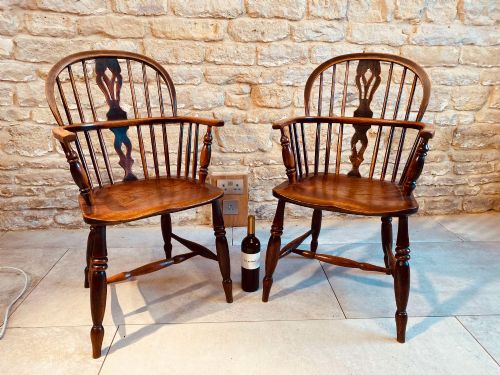
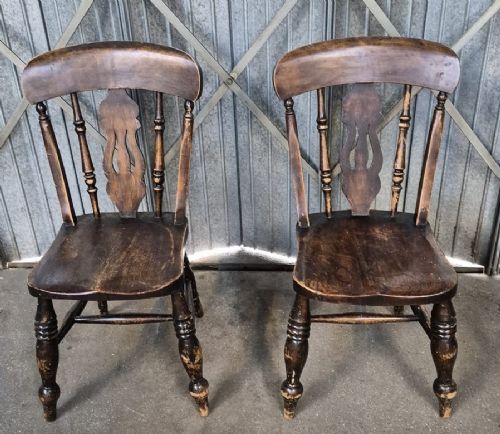
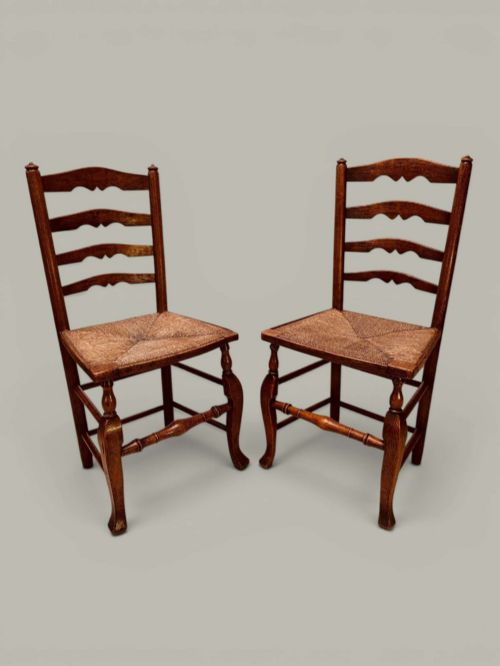
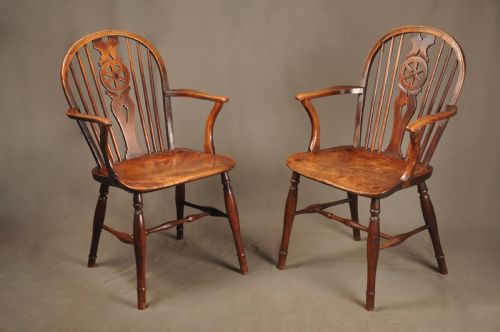
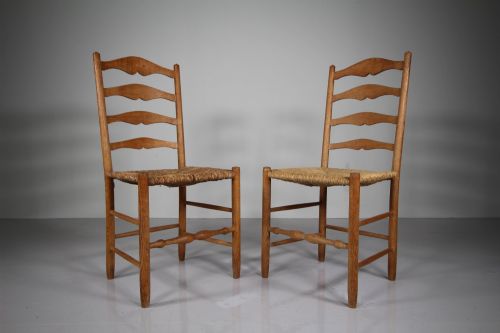
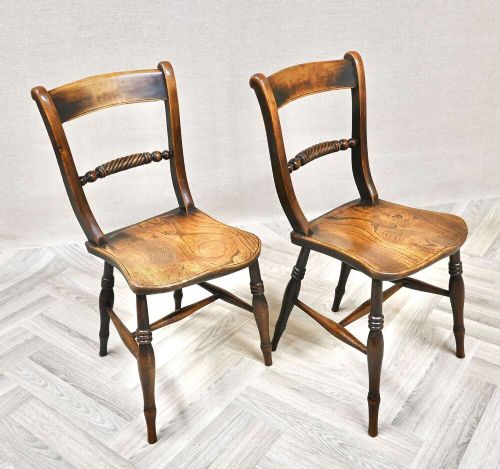
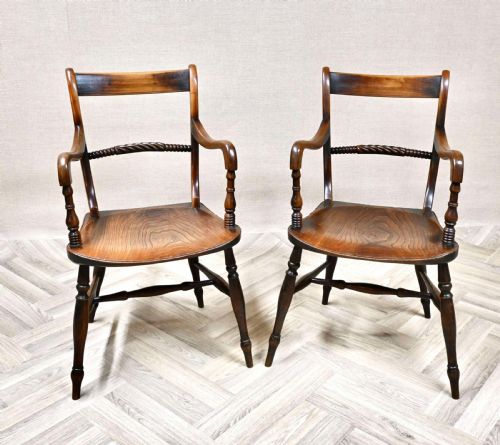
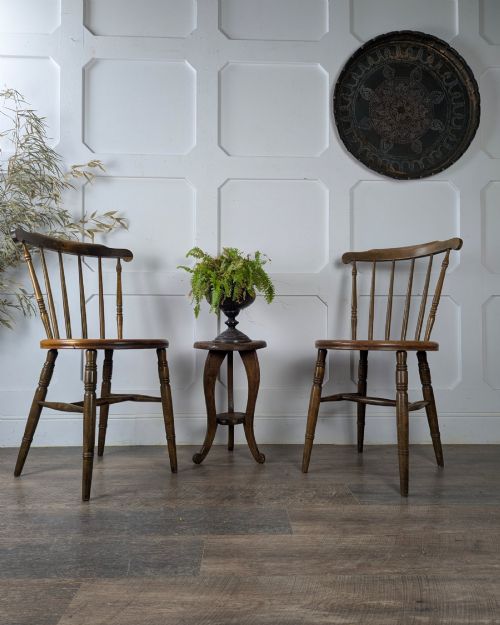
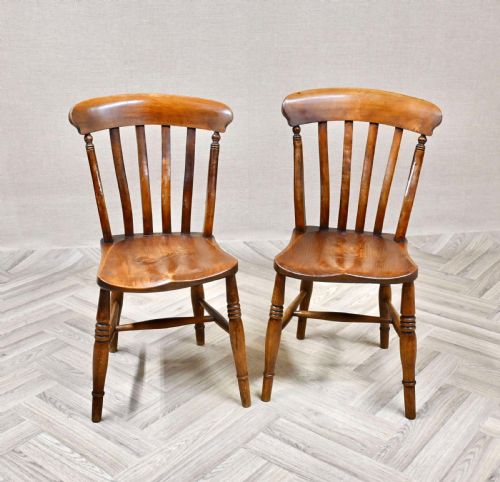
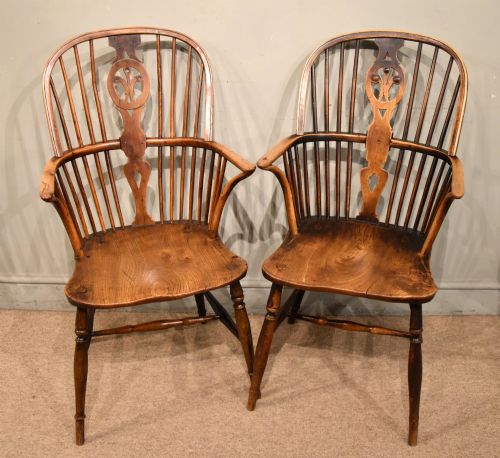
Pair Country Dining Chairs
Pair country dining chairs bring functional rustic character to an interior through robust timber construction and traditional regional craftsmanship.
Pair Country Dining Chairs
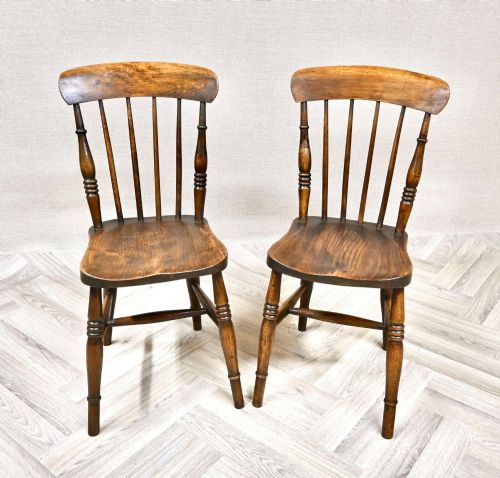
When searching for pair country dining chairs, buyers encounter practical seating designed for domestic use across several centuries. These items predominantly take the form of Windsor chairs, kitchen chairs, and simple side chairs originating from rural workshops.
The selection on this page relies heavily on nineteenth-century and eighteenth-century examples spanning Georgian and Victorian periods. Most pieces utilise local timbers shaped for everyday dining, ranging from low-backed kitchen seating to substantial armchairs and carvers.
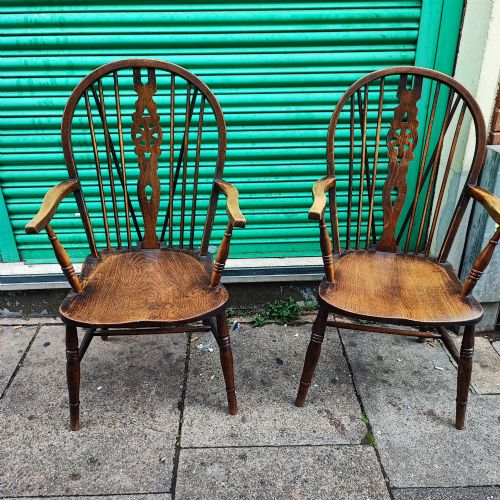
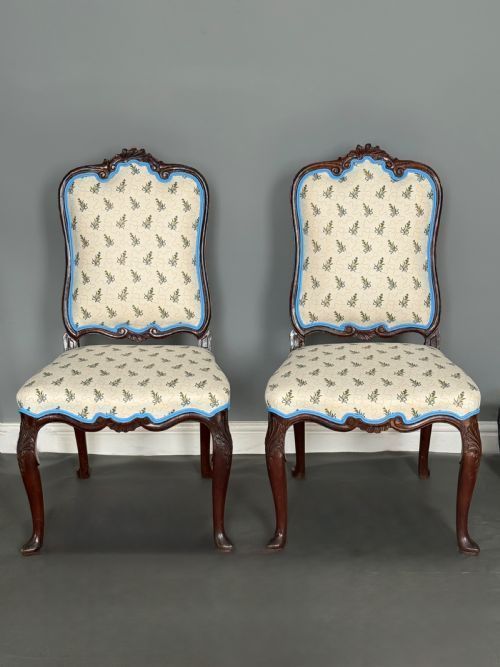
Regional variations appear frequently, including Thames Valley stick backs, Lancashire chairs, and wheelbacks. Buyers also find French styles alongside traditional English farmhouse seating designed around solid wooden seats and spindle supports.
How they were made
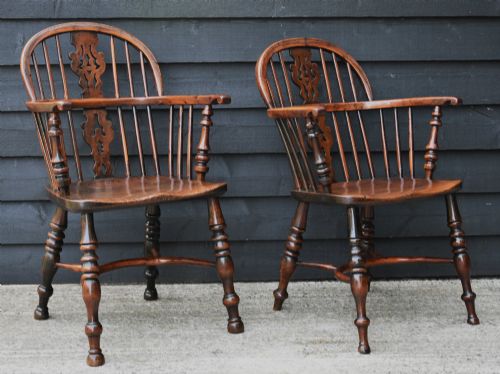
Maker construction methods depend heavily on solid native hardwoods such as elm, beech, oak, ash, and yew. Seat bases are typically sculpted from thick slabs of elm, into which turned legs and slender spindles are wedged and secured.
Many chairs incorporate steam-bent components to form curved back rails and hoops. Additional support often arrives through rush or cane seating inserts, painted surfaces, or traditional joinery techniques suited to demanding domestic environments.
Pair Country Dining Chairs Retail Price Guide 2026
Typical asking prices for pair country dining chairs among the pieces listed under this phrase on Sellingantiques today, from the lower quarter to the upper quarter. They describe what is for sale here now, not the wider market.
Listings feature eighteenth-century and nineteenth-century periods alongside materials like elm, beech, oak, rush, and yew.
What varies in quality
Quality differences emerge through the choice of timber and the complexity of the turning work on spindles and legs. Finer examples display carefully matched grain patterns in the elm seats and balanced proportions across both items in the pairing.
The integrity of the original joints and the subtlety of steam-bent crest rails separate standard utility seating from superior workshop productions. Matched pairs require consistent wear patterns and identical structural details to hold visual harmony.
The Pair Country Dining Chairs Glossary
- Carver chair
- An armchair designed specifically for use at the head of a dining table. These pieces typically match a set of smaller side chairs.
- Rush seating
- Woven seat construction utilising dried marsh grasses twisted into cords. This technique provides a resilient and slightly flexible surface.
- Barback
- A chair design featuring horizontal wooden slats across the upper back support. These rails offer structural reinforcement and distinct visual patterning.
- Lathback
- A seating variant incorporating flat wooden slats within the spindle structure of the back. This style is common in nineteenth-century kitchen chairs.
Pair Country Dining Chairs: Frequently Asked Questions
What defines a country dining chair?
Country dining chairs are domestic seats constructed from accessible regional timbers with a focus on utility rather than formal court aesthetics.
They rely on traditional joinery, solid wooden seats, and spindle backs built by local craftsmen for everyday use.
How do I identify a Windsor chair?
A Windsor chair is recognised by its thick wooden seat base that directly receives the legs below and the back spindles above.
Most examples use steam-bent wood to form a continuous bow or incorporate a central splat for additional back support.
Are these chairs comfortable for daily use?
Many country dining chairs feature ergonomically carved wooden seats shaped to fit the body over long periods of sitting.
Adding loose squabs or cushions can further improve comfort for modern dining applications.
What is a near pair of chairs?
A near pair consists of two chairs that are extremely similar in design, period, and timber but were likely made at slightly different times.
They share matching proportions and visual characteristics closely enough to function together harmoniously around a table.