


Pair Classical Bronze Sculptures
Pair classical bronze sculptures bring mythological figures, allegorical groups, and grand tour souvenirs into domestic interiors.
Pair Classical Bronze Sculptures
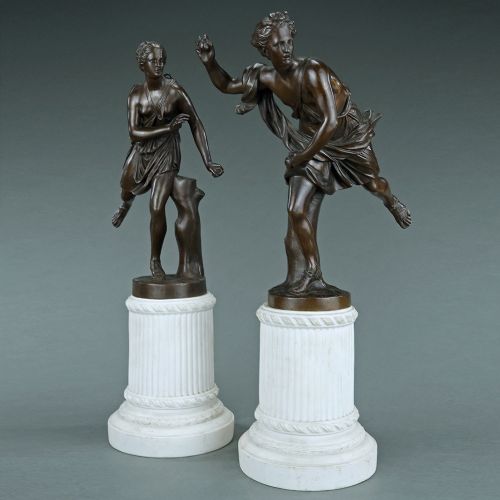
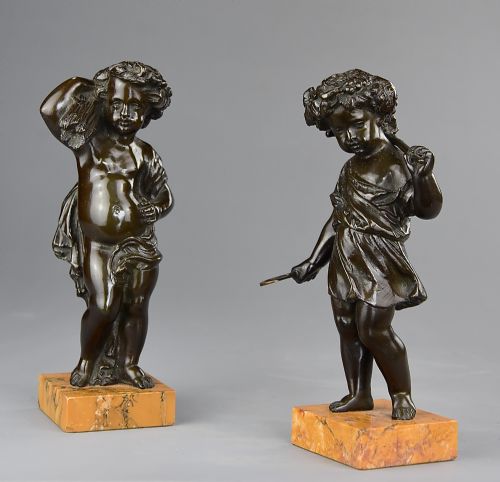
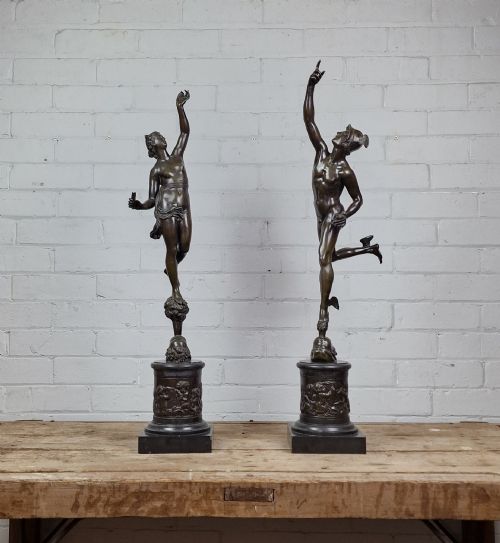
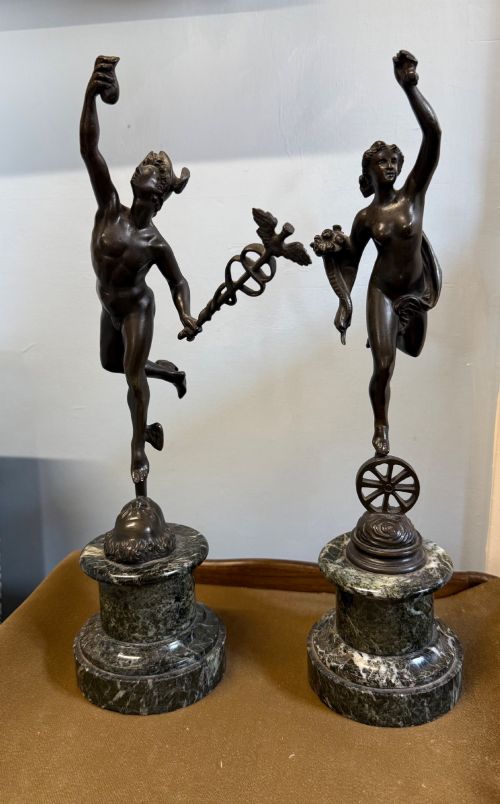
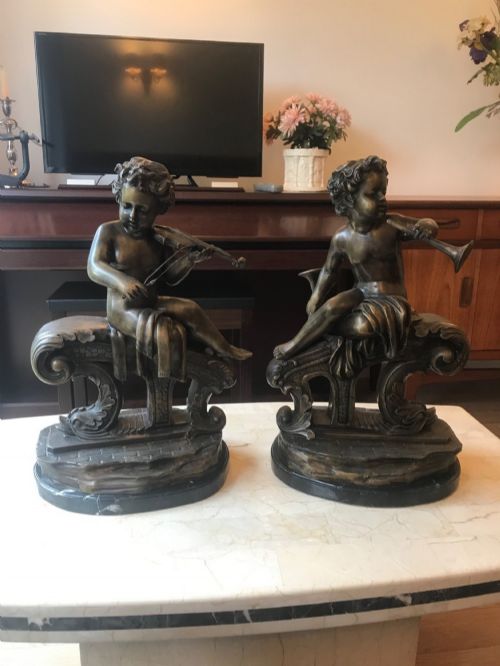
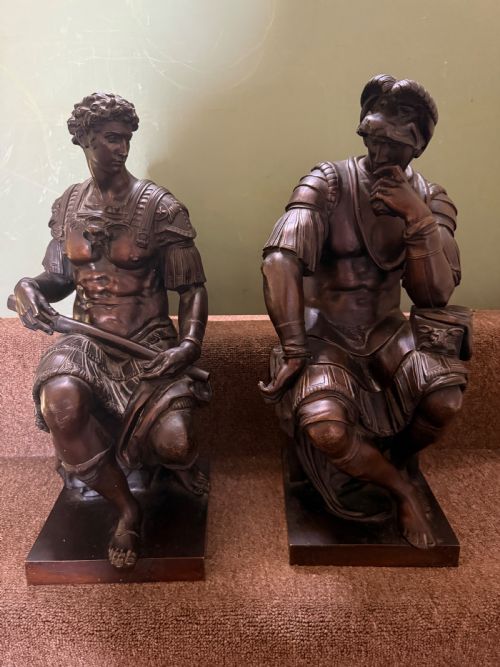
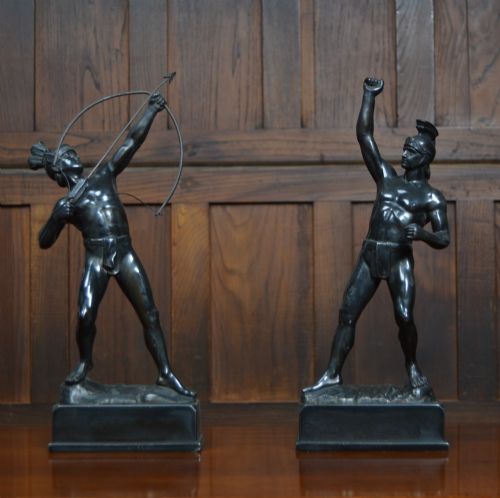
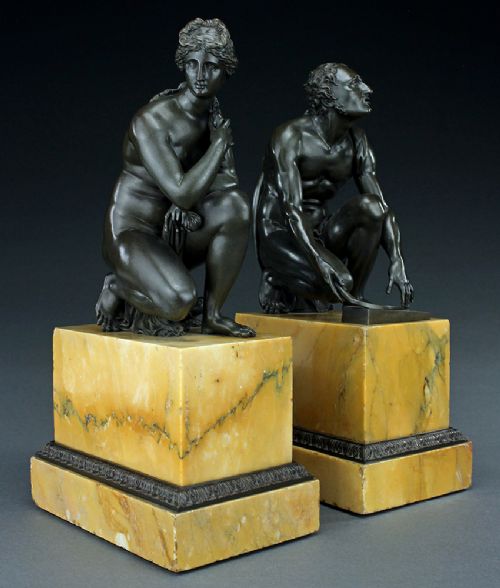
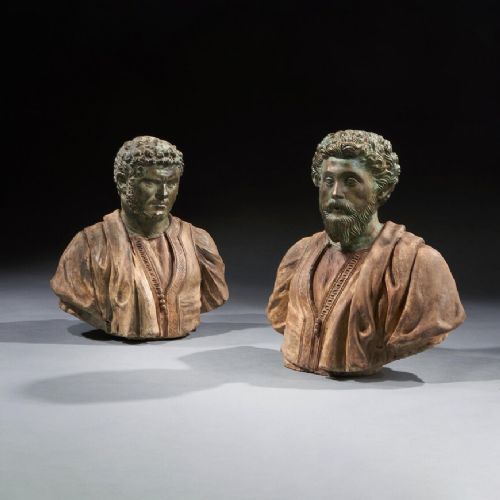
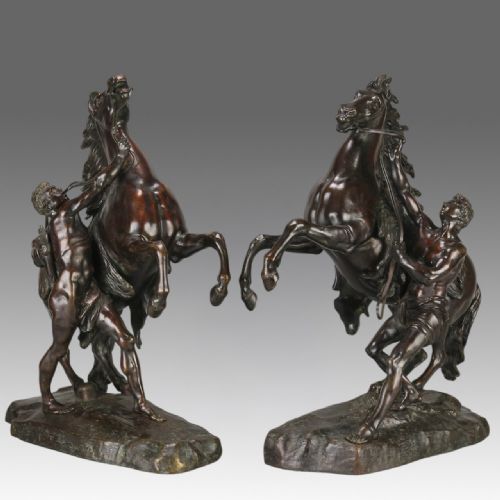
Pair classical bronze sculptures encompass figural pairs modelled after antique statuary, Renaissance masters, and French Neoclassical compositions. Buyers searching for pair classical bronze sculptures commonly encounter subjects such as Mercury and Fortuna, the Marly Horses, or musical putti produced across the nineteenth century.
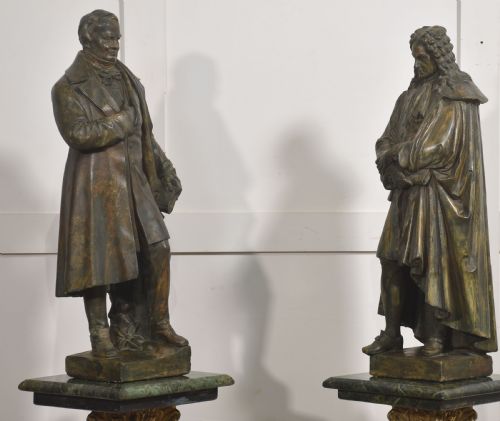
The selections span cabinet bronzes, architectural bookends, and large figural torchères mounted on marble bases. French and Italian foundries dominated production, creating decorative objects designed for mantelpieces, pedestals, and library tables.
Dating primarily from the Victorian era into the early twentieth century, these works reflect nineteenth-century enthusiasm for classical antiquity and Grand Tour travel. The groupings range from allegorical harvest figures to portrait busts of Roman emperors.
How they were made
Foundries utilised the lost-wax casting method or sand casting to achieve detailed figural definition in bronze and spelter. Molten metal filled moulds taken from original models, allowing intricate rendering of drapery, hair, and musculature.
Patination was applied manually using chemical solutions to produce deep brown, green, or gilt surface tones on the metal. Sculptures were frequently mounted upon marble or slate bases, secured with threaded bolts.
Listings feature works spanning the nineteenth century through the 1960s, executed in bronze, spelter, and marble.
What varies in quality
The crispness of the chasing and finishing work separates superior castings from commercial reproductions. Skilled artisans hand-chiseled the bronze surface after casting to sharpen details in facial expressions and ornamentation.
The weight and selection of the supporting marble or stone base indicate the standard of production. Heavier, finely veined marble bases combined with sophisticated patination denote higher workshop standards.
Barbedienne·Claude Michael Clodion·Giambologna·Michelangelo·Coustou·K&O·F. De Luca·Canova·H. Moreau·Charles Cumberworth·Leonhard Posch
The Pair Classical Bronze Sculptures Glossary
- Grand Tour
- A traditional trip through Europe undertaken by upper-class young men to collect art and antiquities. Souvenirs purchased on these journeys often included miniature bronze sculptures of famous statues.
- Patination
- The chemical treatment or natural ageing process that colours the surface of metal. This finish protects the bronze and creates rich tonal depth.
- Spelter
- A zinc alloy frequently utilised as a less expensive alternative to bronze during the nineteenth century. It is lighter than bronze and typically carries a painted or patinated coating.
- Lost-wax casting
- A metal casting process where a molten metal is poured into a mould that has been created by means of a wax model. This technique permits intricate undercuts and fine surface details.
- Ormolu
- Gilt bronze ornamentation applied to furniture, clocks, or marble bases. The technique involves coating metal in a finely ground gold-mercury amalgam and heating it.
Pair Classical Bronze Sculptures: Frequently Asked Questions
How do I clean bronze sculptures?
Dust the surface regularly with a soft, dry brush to prevent particle accumulation. Avoid using chemical cleaners or water, which can damage the patinated finish.
Apply a microcrystalline wax occasionally to protect the metal from atmospheric moisture. Buff gently with a clean cloth after application to maintain a subtle sheen.
Are these sculptures solid bronze?
Many nineteenth-century figural works are hollow-cast to reduce weight and material costs. Foundry marks or drill holes on the underside often reveal the inner metal composition.
Alternative materials such as spelter or cast iron were also employed during the Victorian period. Magnetic testing and weight inspection help distinguish bronze from substitute alloys.
Where should I display heavy bookends?
Place heavy bookends on sturdy shelves or console tables capable of supporting substantial weight. Ensure the supporting surface is level to prevent tipping.
Keep bronze works away from direct sunlight and damp environments. Stable indoor humidity preserves both the metal patina and the attached marble bases.
How can I tell the period?
Examine the casting quality, base materials, and fastening screws for period manufacturing indicators. Nineteenth-century pieces frequently feature hand-filed chasing and heavy slate or marble plinths.
Stylistic cues such as Neoclassical drapery or Art Nouveau curves align with specific production eras. Foundry stamps and artist signatures provide further chronological context.