


Pair Carved Wooden Animals
Pair carved wooden animals bring lively character into a room through naturalistic forms carved by hand from timber.
Pair Carved Wooden Animals
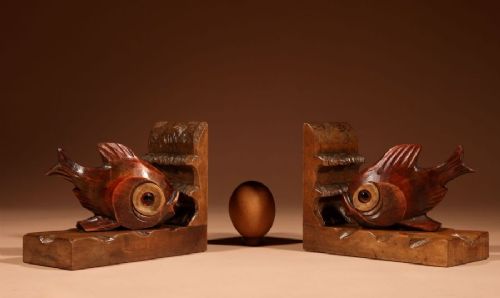
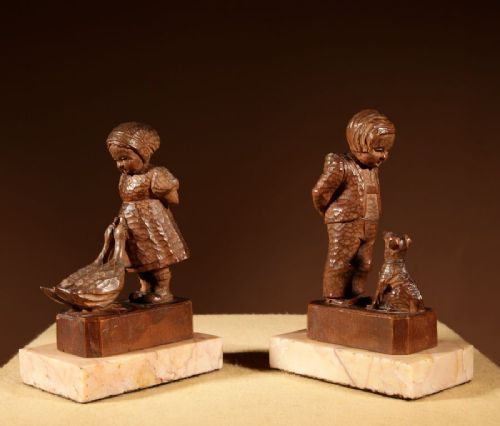
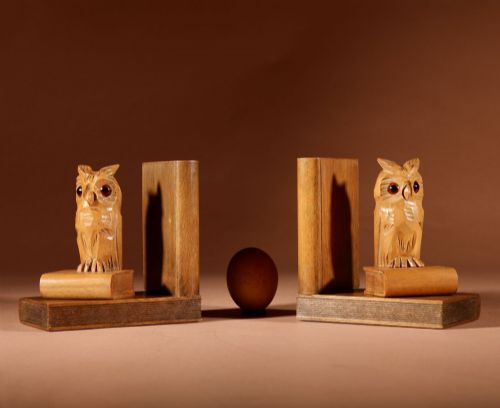
When you search for pair carved wooden animals, you encounter matching figures fashioned from timber across the nineteenth and twentieth centuries. These objects take the form of bookends, sculptural figures, tables, and armchairs representing creatures from domestic pets to exotic beasts.
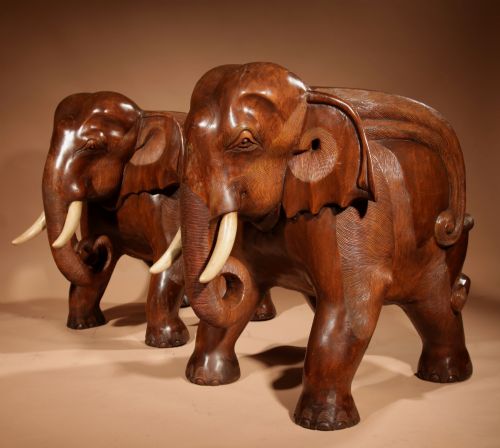
The most common versions met on this page belong to the Black Forest tradition, typically showing bears, dogs, cows, fawns, and owls acting as functional bookends or decorative sculptures. Alongside these European carvings appear Anglo-Indian and Chinese hardwood representations of elephants, water buffaloes, and ducks.
Pieces span Victorian, Edwardian, and Art Deco periods, drawing on French folk art, Georgian revival, and Ming styles. Makers utilise native limewood and linden alongside dense exotic timbers like ebony, teak, and coromandel to shape these matching sets.
How They Were Made
Carvers shaped these animals primarily from softwoods such as linden wood and lime wood, or dense hardwoods including ebony, teak, and coromandel. Artisans employed hand chisels and gouges to build realistic fur, feathers, and muscular forms directly into the timber.
Many items incorporate inset glass eyes to bring lifelike expression to the carved wooden surfaces. Subsidiary materials like bone, marble, and bamboo appear in select constructions, particularly within bookends and architectural furniture supports.
Materials utilised across the pieces range from European linden wood and lime wood to dense exotic hardwoods like ebony, teak, and coromandel.
What Varies in Quality
Naturalism in anatomy and expression distinguishes finer animal carvings from simpler workshop productions. Master carvers capture tension in muscle and accuracy in posture, whereas lesser items rely on stiff symmetry and blunt detailing.
The Pair Carved Wooden Animals Glossary
- Black Forest
- A style of wood carving originating in the Swiss and German border regions during the nineteenth century. These works frequently depict woodland animals, bears, and dogs with deep relief.
- Hardwood
- Timber derived from broad-leaved angiosperm trees such as ebony, teak, and coromandel. These dense woods provide stable structural integrity for intricate animal sculptures.
- Limewood
- A pale timber with a fine, uniform grain favoured by traditional European carvers. It cuts cleanly in any direction, allowing for minute facial expressions and detailed fur.
- Folk Art
- Objects created by self-taught or traditional artisans outside formal academic traditions. These carvings display regional character and direct aesthetic interpretation over strict academic proportion.
- Bookends
- Pair items weighted or shaped to support upright volumes on a shelf. In wooden animal pairs, the creature faces inward to hold the literature.
Pair Carved Wooden Animals: Frequently Asked Questions
What animals appear most often in these wooden pairs?
Bears, elephants, dogs, and lions dominate the recorded selections across European and Asian workshops. Artisans also carved fawns, owls, cows, and ducks to serve as decorative sculptures or functional bookends.
These subjects reflect both native wildlife in regions like the Alps and exotic fauna encountered through trade and colonial expansion during the nineteenth century.
How do I distinguish Black Forest carvings from other origins?
Black Forest pieces typically utilise lime wood or linden and depict European fauna like bears, hounds, stags, and owls with naturalistic textures. They often double as functional objects such as inkwells, tables, or bookends.
Asian and Anglo-Indian works utilise dense hardwoods like teak, ebony, and coromandel to portray elephants, water buffaloes, and mandarin ducks, frequently resting on dedicated wooden stands.
Were these animals meant for children or adults?
Most of these carved pairs served decorative and functional roles in Victorian and Edwardian studies, libraries, and drawing rooms. Items functioned as book supports, small side tables, or desktop inkwells.
Their amusing poses and careful craftsmanship targeted adult collectors and homeowners seeking characterful accessories for refined interiors rather than toys.
How should I care for carved wooden animal figures?
Keep wooden carvings away from direct sunlight and sudden temperature shifts to prevent the timber from splitting or warping. Dust gently with a dry, soft brush to protect fine details in fur and feathers.
Avoid liquid polishes or moisture, which can penetrate unsealed wood or damage inset glass eyes and bone elements.