

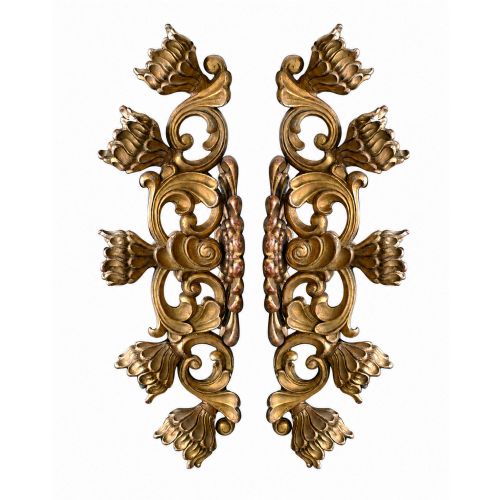
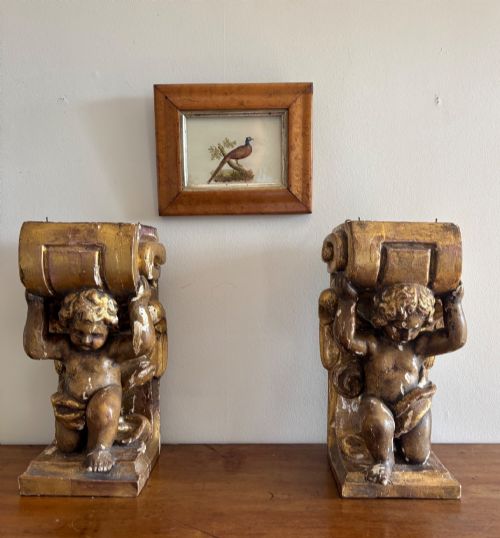
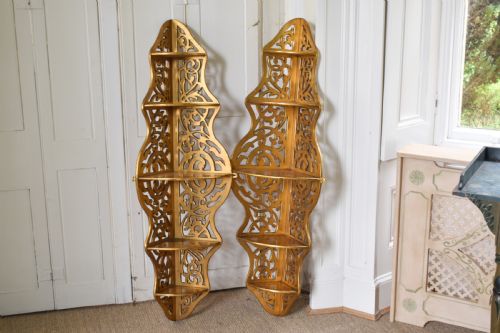
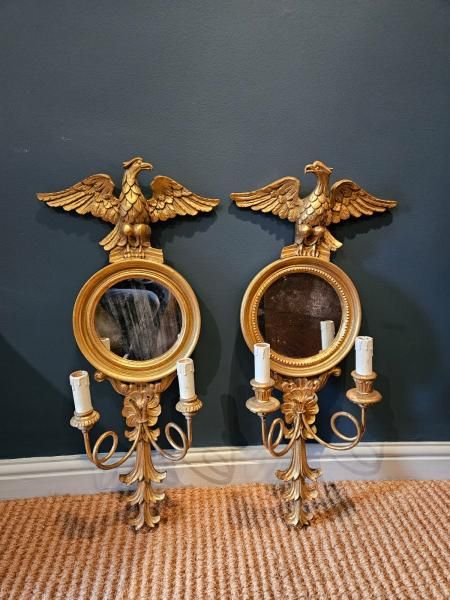
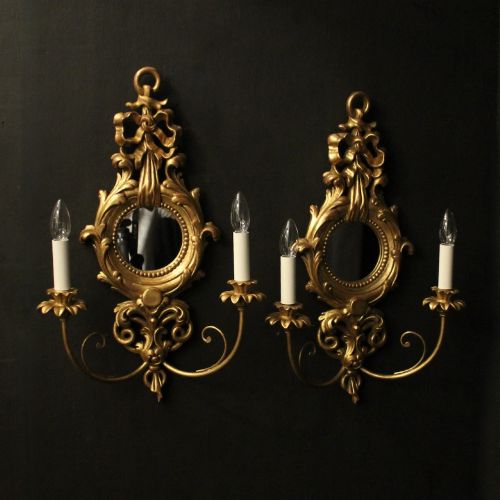
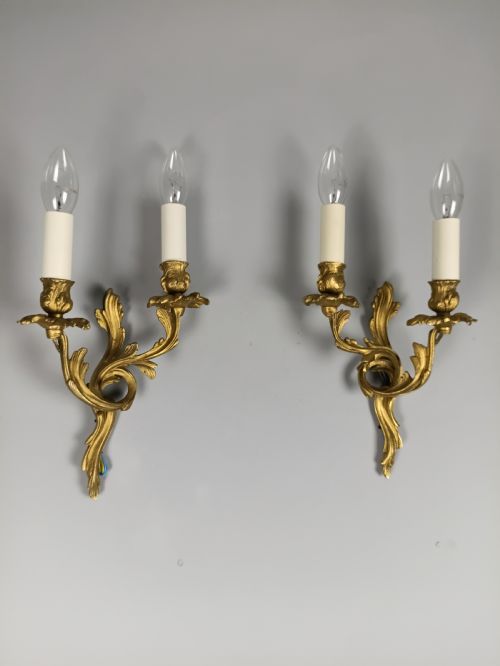
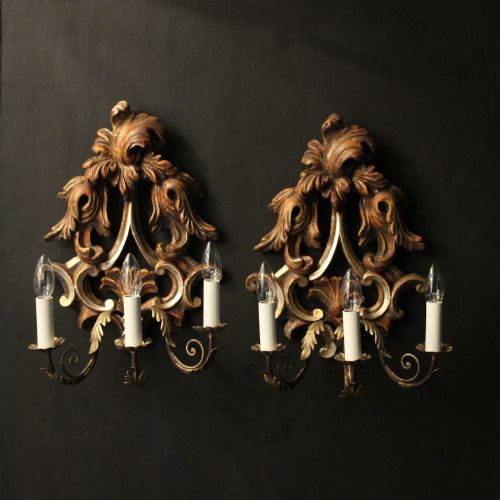
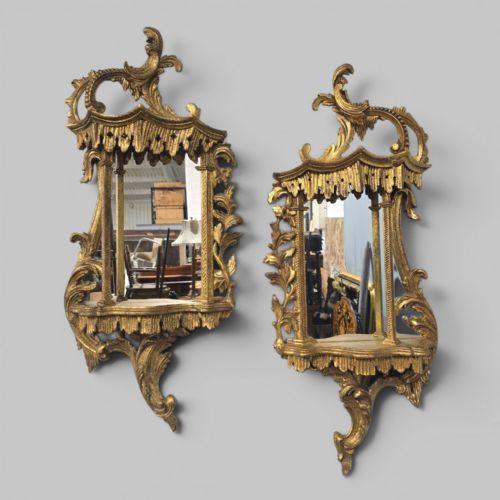
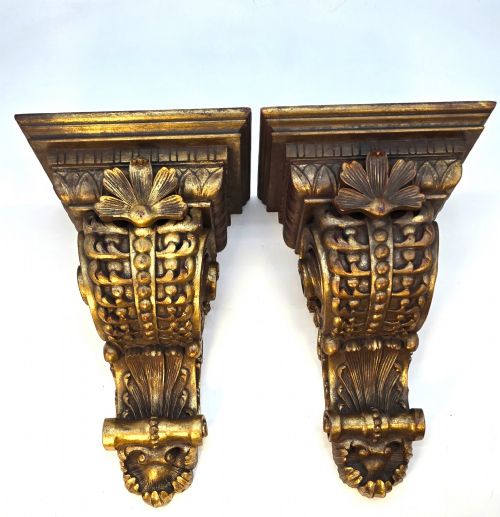


Pair Carved Wall Brackets
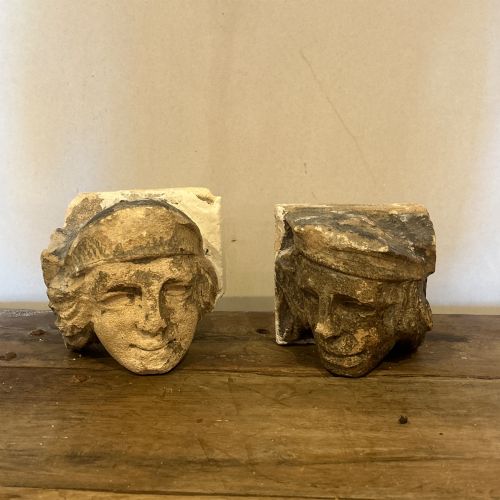
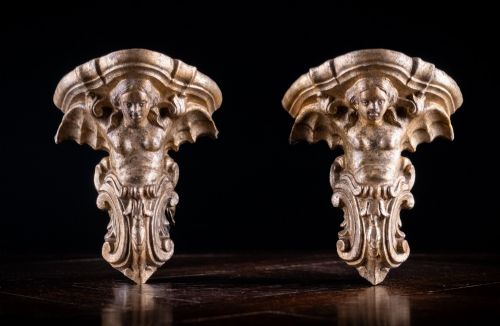
Pair carved wall brackets furnish architectural weight and display surface to an interior, bringing symmetry and sculptural form directly to the vertical plane.
Pair Carved Wall Brackets
When searching for pair carved wall brackets, buyers encounter architectural supports, display shelves and light fittings designed to match across a room. The items span centuries of design, with nineteenth-century examples and early twentieth-century revivals forming a large portion of the selection.
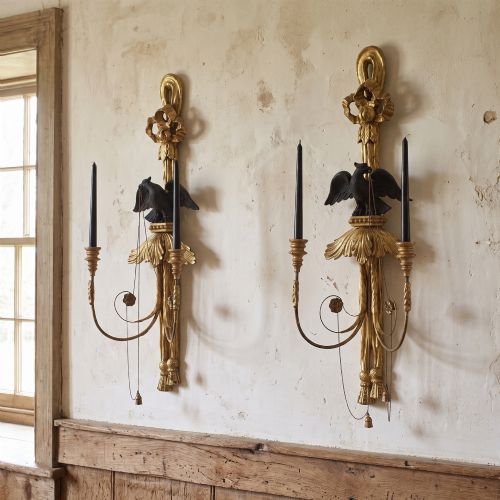
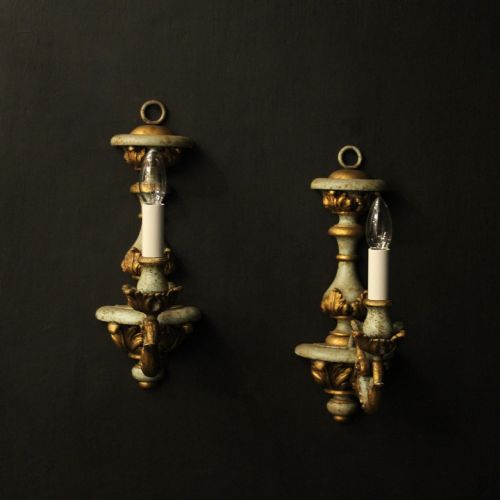
The forms range from utilitarian timber corbels and structural oak brackets to ornate giltwood consoles and Italian wall lights featuring putti, birds and foliage. Walnut, mahogany and pine pieces provide heavier wooden tones, while gilded surfaces introduce reflective brilliance to panelled walls.
How they were made
Carved timber forms the backbone of these pieces, utilising woods such as oak, walnut, pine and mahogany shaped by hand with chisels and gouges. Artisans rendered intricate motifs including foliage, caryatids and birds directly into the grain.
Many surfaces received a layer of gesso before being finished with gold leaf or silver gilt, creating the luminous sheen characteristic of Florentine and French styles. Alternatively, raw timber was left exposed or polished to highlight the natural figure of the wood.
Listings feature items spanning from the seventeenth century to the 1930s, incorporating giltwood, brass, glass and carved oak.
What varies in quality
Matching symmetry between the two pieces governs the desirability of a set, as hand-carved pairs often exhibit subtle variations that reveal the artisan's hand. The integrity of the original wood ground and the retention of early or original surface finishes further divide standard decorative items from superior collector pieces.
Strahan of Dublin
The Pair Carved Wall Brackets Glossary
- Corbel
- A structural bracket projecting from a wall to support a weight above. These architectural elements often feature heavy timber or stone carving.
- Giltwood
- Wood that has been coated with gold leaf or powder. This finish appears frequently on decorative brackets and sconces from the eighteenth and nineteenth centuries.
- Gesso
- A plaster mixture applied to wood surfaces as a base for gilding. It allows craftsmen to model sharp relief details before applying gold leaf.
- Putto
- A figure of a small chubby infant, often winged, depicted in classical art. They frequently support brackets or form part of Italian wall light designs.
- Caryatid
- A sculpted female figure serving as an architectural support. In wall brackets, these figures carry the weight of the shelf upon their heads or shoulders.
Pair Carved Wall Brackets: Frequently Asked Questions
How were pair carved wall brackets used historically?
These pieces functioned primarily as structural supports for heavy items or as decorative wall shelves for displaying porcelain, clocks and urns. Paired arrangements created symmetry on either side of a fireplace, doorway or mirror.
In many interiors, they doubled as candle sconces or wall lights, combining illumination with ornamental display surfaces.
How do I care for antique giltwood brackets?
Giltwood surfaces require gentle dusting with a soft, dry brush to prevent damage to the delicate gold leaf layer. Avoid moisture, chemical cleaners and modern polishes, which can strip the underlying gesso.
Keep them away from direct sunlight and fluctuating heat sources to preserve the wood and prevent the gesso from cracking.
Are these brackets strong enough to hold heavy objects?
While many architectural corbels and solid oak brackets were built to bear substantial weight, decorative giltwood and plaster pieces are primarily ornamental. Their load-bearing capacity depends heavily on the internal timber construction and how securely they are anchored to the wall.
Buyers should assess the fixing points and consult a professional installer before placing heavy items on antique ledges.
How can I tell an eighteenth-century bracket from a later revival?
Eighteenth-century pieces typically exhibit tool marks consistent with hand-working, older timber shrinkage, and ground preparation that reflects period techniques. Revival pieces from the Victorian era or the early twentieth century often mimic earlier Baroque or Rococo styles but utilise machine-sawn timber elements or standardised composition ornament.
Examining the backboards, fixings and the wear patterns on the gilt or wood provides clear clues to the true age.