




Pair Bronze Mantel Sculptures
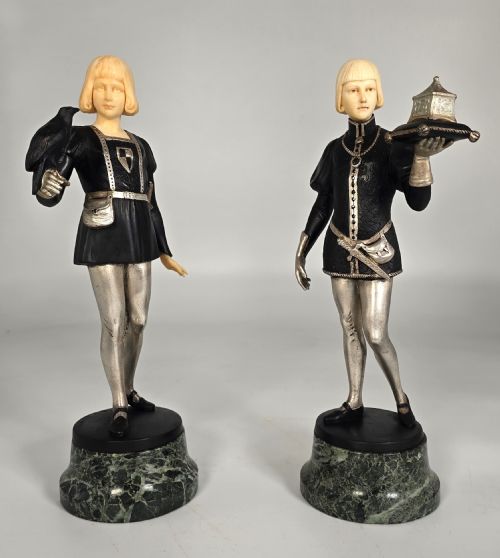
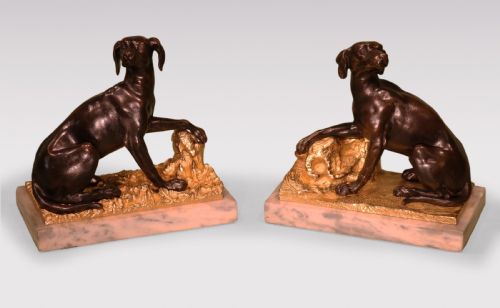
These pair bronze mantel sculptures bring classical weight and rich patination to a chimneypiece, offering symmetrical presence in bronze, marble, and ormolu.
Pair Bronze Mantel Sculptures
Pair bronze mantel sculptures provide balanced decoration designed specifically for placement on a fireplace mantel or shelf. You will frequently encounter 19th-century French works, alongside Victorian pieces and occasional 20th-century examples in Art Deco or modernist tastes.
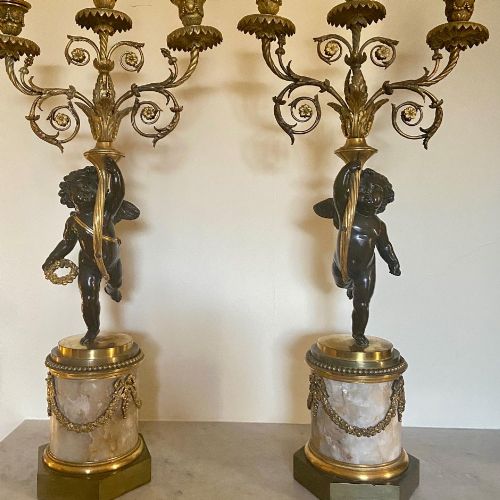
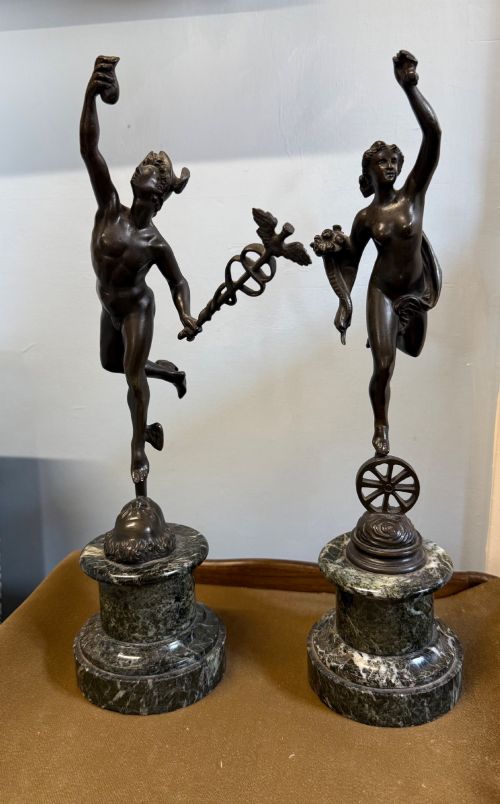
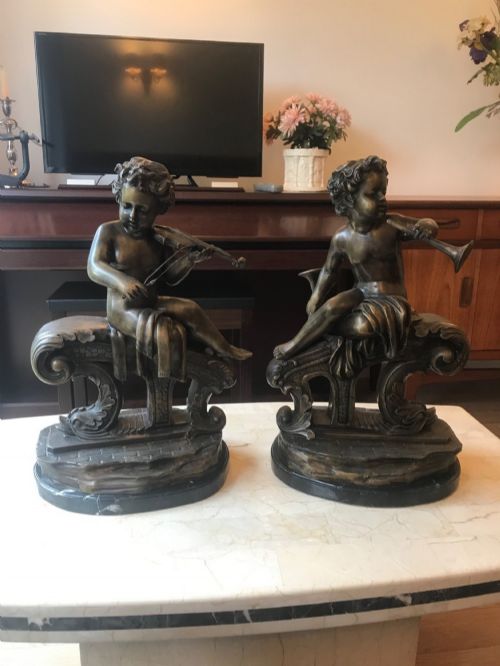
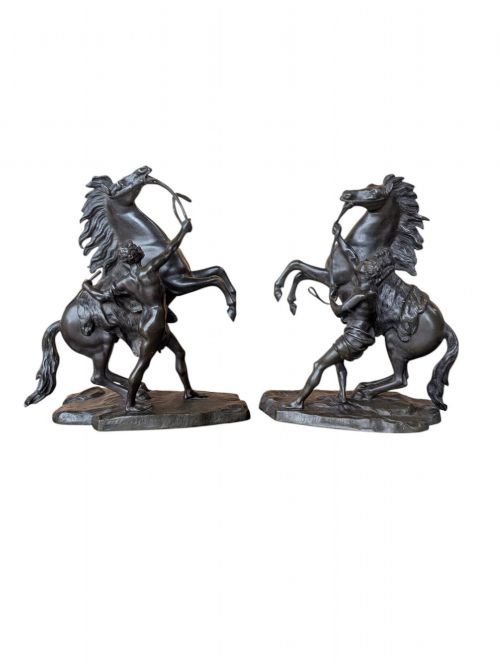
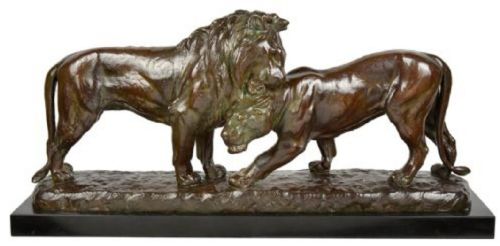
The subjects range widely across historical periods, taking the form of classical figures, putti, animals, and mythological beasts. Many pieces incorporate functional elements such as candelabra or rest upon dedicated marble bases.
Originating largely from French and Austrian workshops, these symmetrical groupings reflect prevailing tastes from the eighteenth century through to the mid-twentieth century. Buyers select them to anchor a room with period character and sculptural detail.
Materials and casting methods
Foundry work relies heavily on traditional metal casting to shape bronze, ormolu, and spelter into detailed figures and ornamentation. Artisans then apply patination techniques to achieve dark, rich surface tones or gilding.
Many sculptures incorporate contrasting materials such as marble bases, fluorspar, and carved ivory details to elevate the visual impact. Hand-finishing and chasing refine the raw cast metal before mounting.
Listings feature works spanning the 18th century, 19th century, Victorian era, and into the 1960s.
Assessing sculptural quality
The integration of supportive materials like heavy marble plinths and gilt ormolu mounts dictates the overall robustness and visual harmony of the pair.
Francois Redmond·Gotthilf Jaeger·Dumond·Louis Riche
The Pair Bronze Mantel Sculptures Glossary
- Patinated bronze
- Bronze treated with chemical solutions to produce a controlled surface colour or dark brown finish. This layer protects the metal while enhancing the depth of the sculpture.
- Ormolu
- Finely ground high-carat gold applied to a bronze base using a mercury amalgamation technique. It provides a bright, durable golden surface seen on decorative mounts and figures.
- Spelter
- An alloy of zinc and lead often used as a cheaper substitute for bronze. It is softer and lighter than true bronze.
- Fluorspar
- A colourful halide mineral sometimes used in decorative bases and ornamental sections alongside metalwork. It adds translucent mineral banding to the composition.
- Putto
- A plump, often winged male child figure common in classical and Renaissance-derived art. They appear frequently in pairs supporting candelabra or playing instruments.
Pair Bronze Mantel Sculptures: Frequently Asked Questions
How do I clean bronze mantel sculptures?
Dust gently with a soft, dry brush to prevent accumulation in the crevices and details of the metal.
Avoid using water, soap, or chemical polishes, as these can strip the historical patina from the bronze surface.
Are spelter and bronze easy to tell apart?
Spelter is generally lighter in weight and softer than bronze, often showing a dull grey metal beneath worn paint.
Bronze possesses a denser, heavier feel and develops a rich, stable oxide layer over centuries.
Why are these sculptures sold as pairs?
Symmetrical pairs were traditionally manufactured to flank a central clock or mirror on a mantelpiece.
This balanced arrangement reflects classical interior design principles popular during the nineteenth century.
Do marble bases indicate a specific period?
Coloured and white marble bases frequently accompany nineteenth-century French and Victorian bronzes.
They provide both structural stability and an elegant transition between the sculpture and the mantel shelf.