
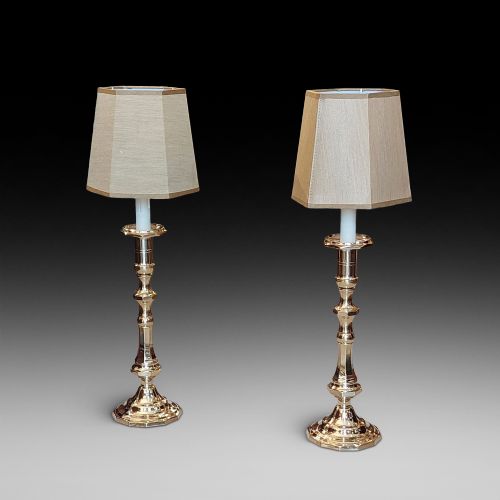
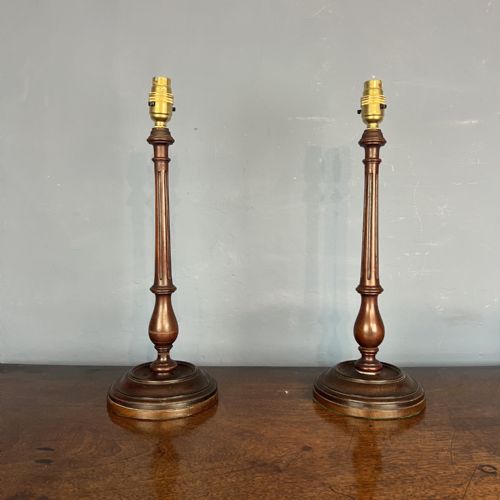
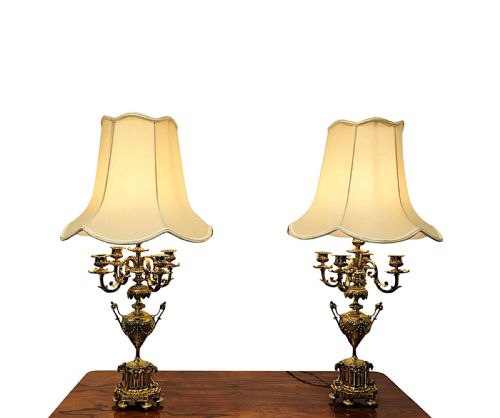
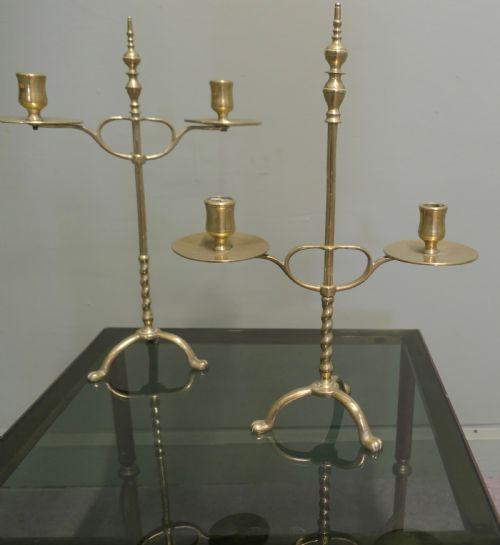


Pair Brass Candlestick Lamps
Pair brass candlestick lamps bring dual pools of warm illumination and heavy metal presence to a room, formed by adapting old lighting stands into electric fittings.
Pair Brass Candlestick Lamps
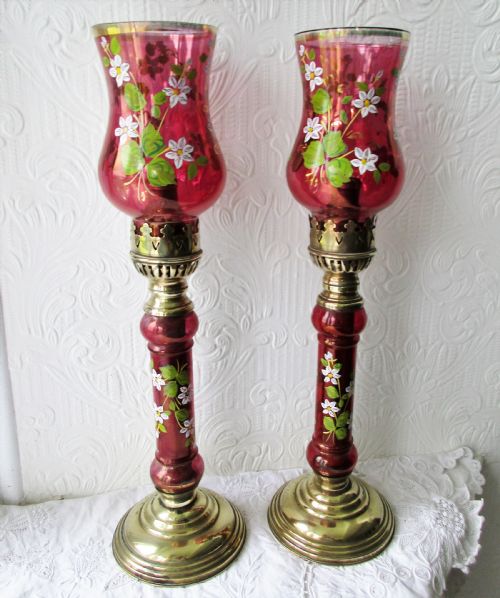
A search for pair brass candlestick lamps reveals lighting fixtures built from matched twin candle supports, church altar pieces, and domestic holders originating across the nineteenth and early twentieth centuries. These items take the form of table lamps, column bases, and converted candelabra fitted for modern electricity.
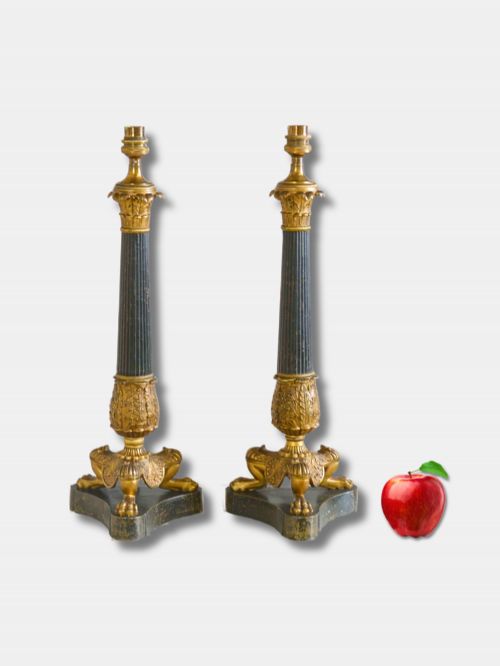
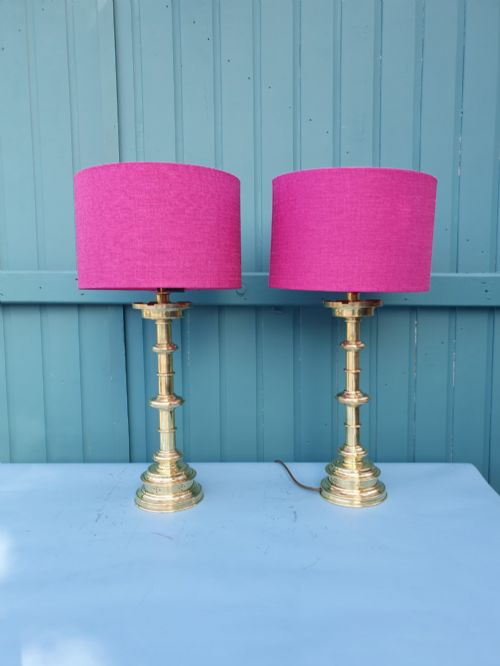
Victorian examples dominate the available selection, often presenting gothic revival details, heavy cast brass construction, or church ecclesiastic styling. Alongside these, buyers encounter Regency, Edwardian, and French models incorporating Ormolu and bronze elements.
Materials and Construction Methods
Foundries produced these metal fixtures through casting and turning processes, shaping heavy brass, bronze, and gilt metal into slender columns or robust church standards. Ormolu and gilt bronze additions provided ornamental surface enrichment on French and neoclassical designs.
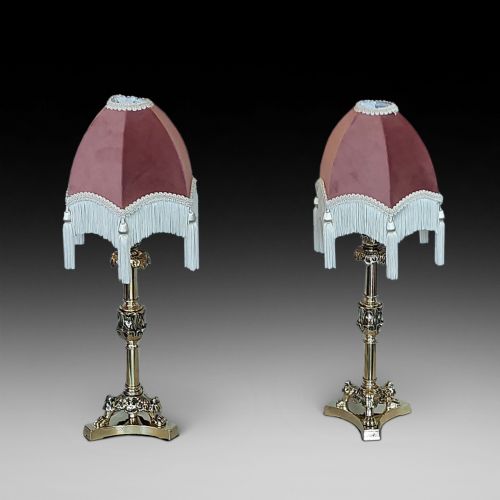
Many specimens incorporate supplementary materials such as marble bases, cut glass chimneys, fabric shades, and crystal lustres to diffuse the light. Conversions from earlier candle-holding items involved threading electrical wires through the original central stems.
Materials across the inventory include brass, bronze, ormolu, marble, crystal, glass, and fabric.
Judging Quality in Converted Lighting
The standard of a pair rests upon the crispness of the original cast ornamentation and the weight of the metal used in the stems and bases. Heavier cast components and finely detailed chasing distinguish superior workshops from lighter production pieces.
Proportion and matching symmetry between the two items dictate visual success, alongside the integrity of any applied gilding or patination. The quality of the historical conversion work also influences desirability.
The Pair Brass Candlestick Lamps Glossary
- Ormolu
- Gilded bronze ornamentation applied to furniture and lighting fixtures. This technique involves coating a bronze base with a mercury and gold amalgam.
- Candelabra
- A branched lighting fixture holding multiple candles or lamp bulbs. These often feature twin arms or multi-branch configurations.
- Lustre
- A glass pendant hung from a lighting fixture to reflect and refract illumination. Lustres typically accompany cut glass and brass standards.
- Pat test
- An electrical safety examination verifying that portable appliances are safe for use. This check is standard for wired antique lamps.
- Altar candlestick
- A tall ecclesiastical candle holder intended for church use. These sturdy pieces frequently form the basis for converted floor and table lamps.
Pair Brass Candlestick Lamps: Frequently Asked Questions
What periods do these lamps come from?
The listings span from the early nineteenth century through the Edwardian era and the 1920s. Victorian pieces appear most frequently alongside nineteenth century French designs.
Earlier examples from around 1800 and the Regency period also feature in the selection, alongside church candlesticks adapted in subsequent decades.
How were these lamps converted to electricity?
Conversion generally involved running electrical flex down the hollow core or central stem of the original candlestick. Sockets were fitted to the top where the candle nozzle once sat.
Many retain their original switches and weighted bases while incorporating modern wiring and PAT testing for safe domestic operation.
What styles are common among these fixtures?
Gothic Revival and Victorian designs are particularly prevalent, often featuring ecclesiastical motifs or heavy brass columns. French Empire and Neoclassical styles also emerge.
Buyers frequently encounter Arts and Crafts adjustable student lights alongside Corinthian column lamps and Rococo revival forms.
How do I identify church altar candlesticks?
Church altar pieces are typically taller and heavier than domestic candlesticks, designed to stand securely on stone or wood surfaces. They often display gothic or ecclesiastic ornamentation.
These sturdy items were frequently repurposed in pairs as large table or sideboard lamps during the nineteenth and early twentieth centuries.