
Pair Blue Porcelain Vases
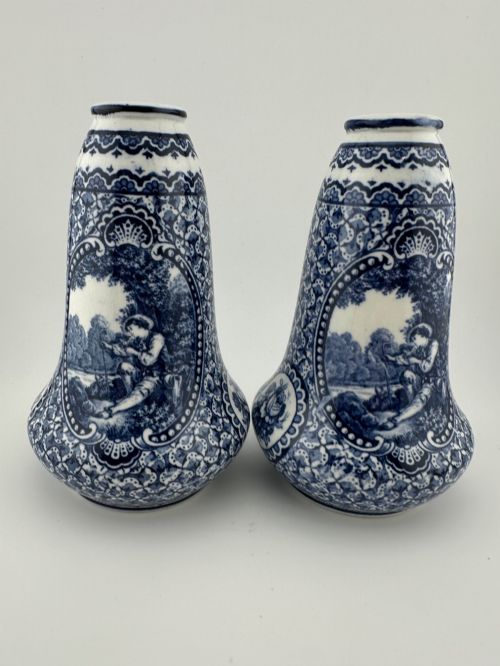
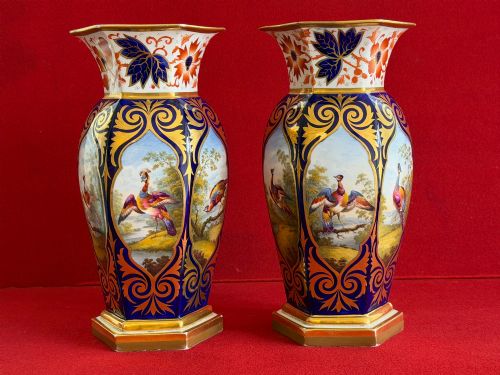
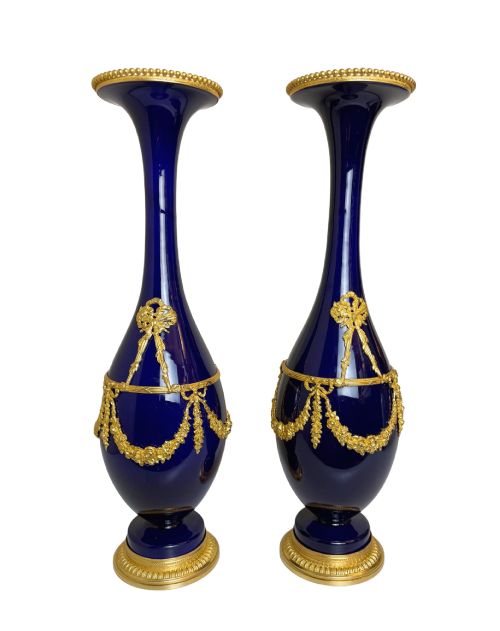
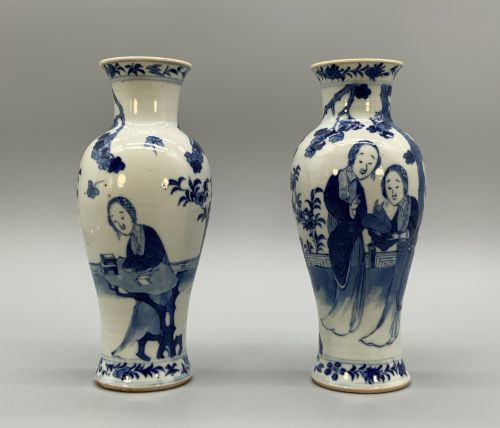
Pair blue porcelain vases bring symmetry and rich colour to a room, drawing the eye with matched cobalt depths and glazed ceramic forms.
Pair Blue Porcelain Vases
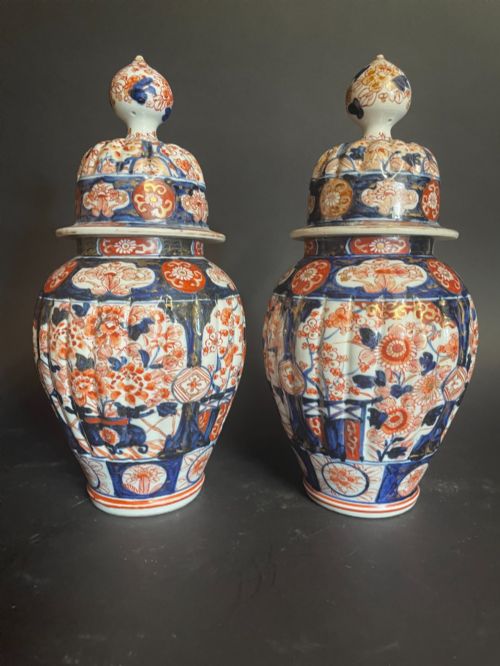
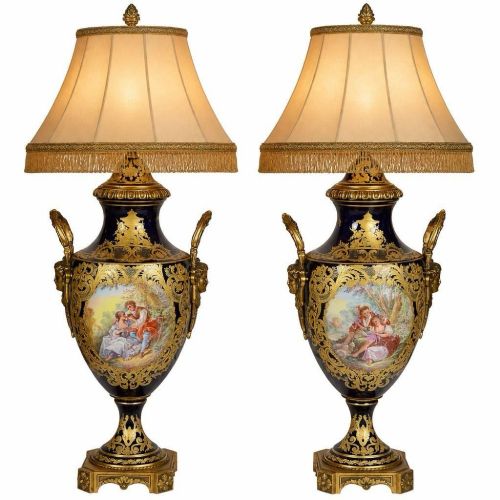
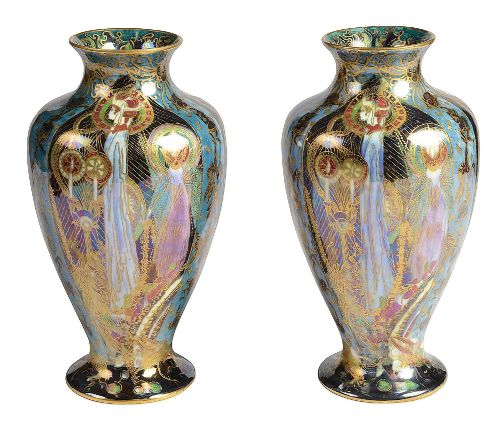
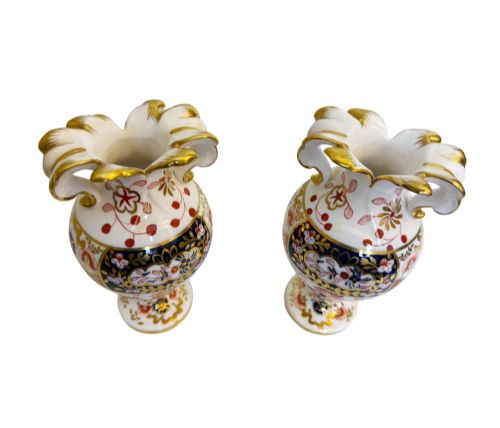
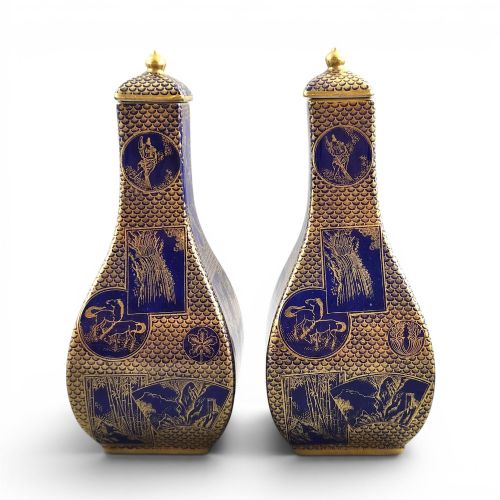
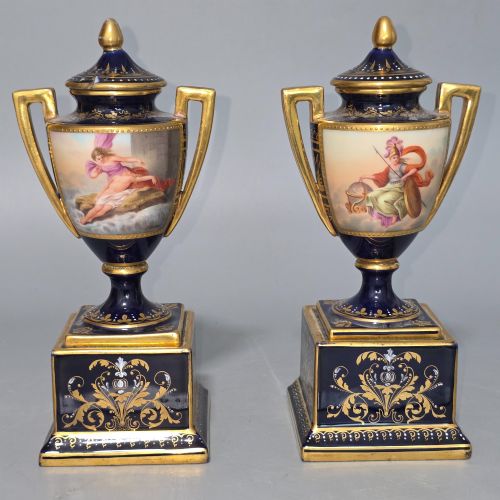
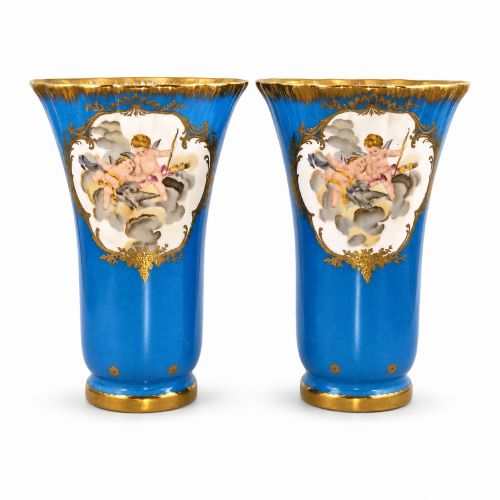
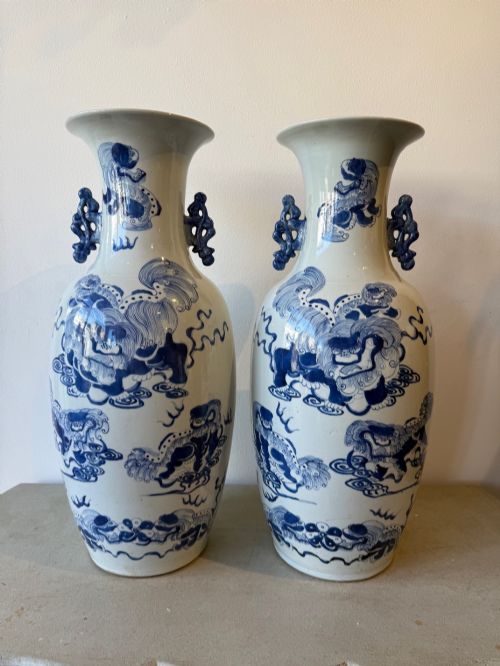
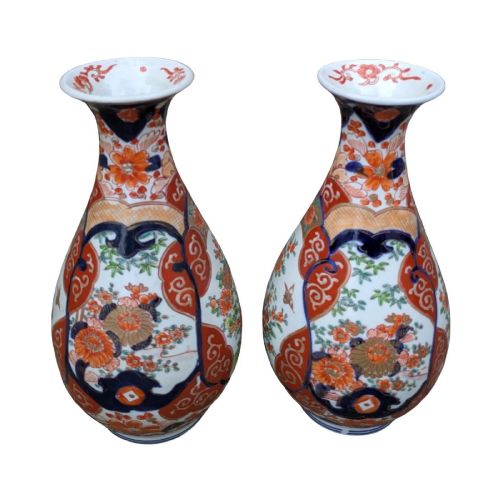
Pair blue porcelain vases encompass matched vessels created for display, holding flowers, or serving as lamp bases across several centuries of domestic interior design. When you search for pair blue porcelain vases, you encounter forms ranging from traditional Chinese baluster jars and Japanese Imari double gourds to French Sevres style campana urns and English earthenware productions.
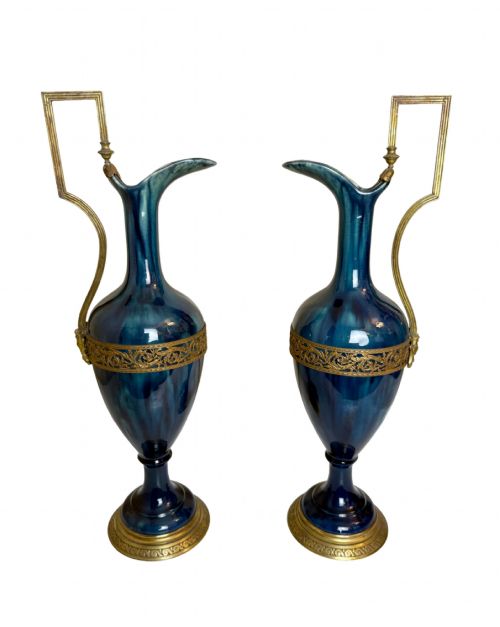
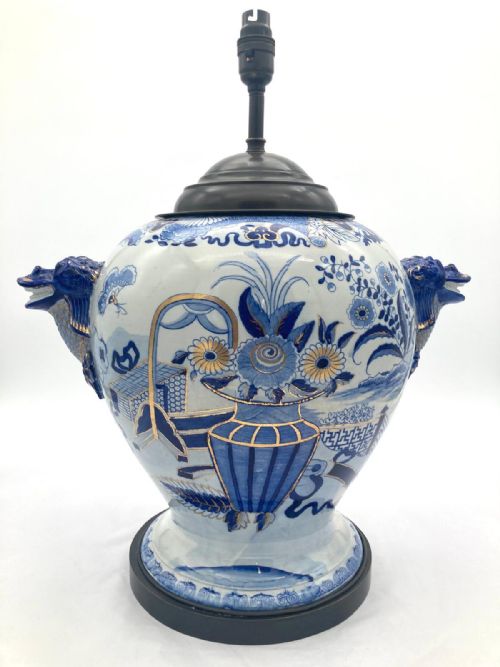
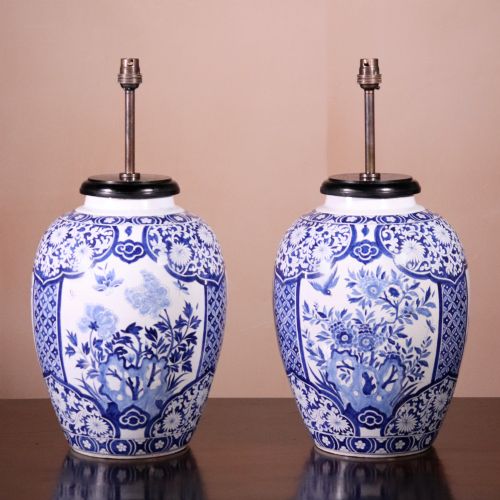
The selections span the nineteenth century into the early twentieth century, reflecting varied tastes for Asian export wares and European revival styles. You will find items equipped with gilt bronze or ormolu mounts, alongside lidded jars and table lamps adapted for modern use.
How they were made
Makers shaped ceramic and porcelain bodies through throwing or moulding, applying cobalt blue pigments beneath transparent glazes or directly onto enamel grounds before high-temperature firing. Many examples incorporate intricate hand-painted details supplemented by gold leaf, gilt highlights, and bronze or brass fittings.
Workshops utilised ironstone and earthenware alongside fine porcelain to achieve robust structures, frequently mounting the completed ceramic vessels on elaborate ormolu pedestals or incorporating lacquered panels.
Forms on offer include table lamps, lidded jars, campana urns, and double gourds spanning the Regency to Edwardian eras.
What varies in quality
Quality rests upon the precision of the hand-painted brushwork, the depth of the cobalt blue ground, and the crispness of the gilt embellishments. Finer productions exhibit balanced proportions, detailed figural or botanical motifs, and securely fitted metal mounts.
The execution of secondary materials, such as fire-gilded bronze trim or hand-carved wooden bases, distinguishes standard utilitarian output from exhibition pieces produced by notable factories.
Flight Barr And Barr·Wedgwood·Spode·Samson Paris·Hicks And Meigh·Royal Worcester·Coalport
The Pair Blue Porcelain Vases Glossary
- Baluster
- A vase form characterised by a bulbous lower portion tapering to a narrow neck and flared rim. This silhouette provides a stable base and ample surface area for intricate painted scenes.
- Imari
- A style of Japanese export porcelain featuring underglaze blue and overglaze red, gold, and green decorations. The palette typically combines rich cobalt with metallic gilding.
- Ormolu
- Gilded bronze mounts applied to the rims, handles, or bases of ceramic vessels. French makers frequently utilised these metal fittings to elevate the decorative status of porcelain vases.
- Campana
- An urn-shaped vessel resembling an inverted bell, featuring a flared rim and a footed base. This classical form gained popularity during the Regency and Victorian periods.
- Jasperware
- A type of unglazed stoneware pioneered by Wedgwood, featuring contrasting coloured reliefs applied against a solid blue ground. The matte finish distinguishes it from glossy porcelain.
Pair Blue Porcelain Vases: Frequently Asked Questions
How were pair blue porcelain vases displayed historically?
These vessels typically occupied prominent positions on mantelpieces, sideboards, or pedestals as symmetrical decorative focal points.
Pairs were balanced on either side of a central mirror or clock to create formal visual harmony in nineteenth-century interiors.
Can converted lamp vases be returned to original vessels?
Conversion often involved drilling holes through the ceramic base for electrical wiring or securing metal fittings to the rim.
Reversing these alterations requires careful rewiring and professional restoration to fill any introduced structural gaps.
How do you distinguish Japanese Imari from Chinese export pieces?
Japanese Imari relies on a specific palette of iron red, cobalt blue, and dense gilding applied to a slightly greyish porcelain body.
Chinese blue and white wares tend to feature brighter cobalt tones beneath clearer glazes with distinct stylistic motifs.
What indicates nineteenth-century European copies of earlier styles?
European factories often utilised marks imitating earlier Asian periods or French royal manufactories while employing contemporary paste compositions.
Closer inspection of the enamel application and gilding technique reveals the later date of manufacture.