


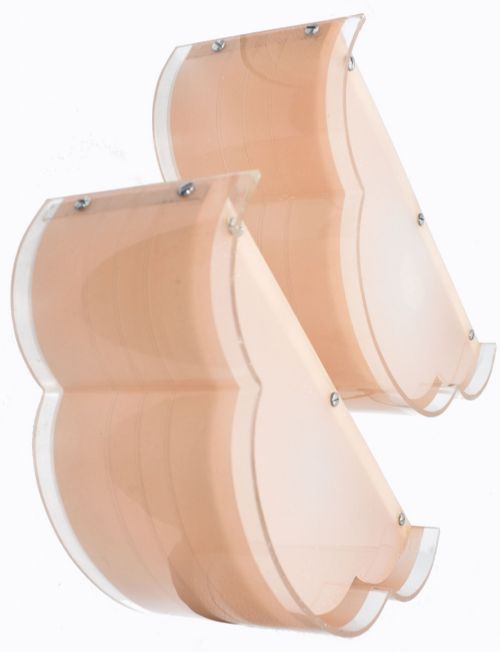


Pair Art Deco Wall Lights
These pair art deco wall lights bring geometric symmetry and period illumination to interiors, offering enduring style from the interwar years.
Pair Art Deco Wall Lights
Pair art deco wall lights span formats from wall sconces to exterior lamps, anchored primarily by the 1930 period alongside occasional Edwardian and 1940 examples. The search for pair art deco wall lights brings up matching sets intended for balanced domestic or commercial placement.
Forms include cloud shapes, skyscraper profiles, tubular configurations, and shell or clam designs that reflect the decorative vocabulary of the era. French origins frequently appear alongside English items, showing distinct regional takes on modernist illumination.
Common applications range from cinema fixtures to domestic hall lighting, utilising symmetrical mounting plates and dual-branch structures. These luminaires served functional and decorative roles in period architecture.
Materials and Construction
Metalwork utilises chrome, brass, bronze, cast iron, and enamel, providing structural frames and backplates. These metals are often paired with glass elements to diffuse light effectively.
Glass components include frosted, moulded, opalescent, opaline, slip, and crystal variations, shaped into shades and panels. Plastics such as bakelite, catalin, and acrylic also appear in mounts and fittings.
Manufacturing techniques combine metal casting and pressing with specialised glass moulding to achieve geometric and organic profiles. Wiring and electrical components integrate into these chassis for wall mounting.
Some interwar cinemas required specialised wall illumination robust enough to withstand trembling projector basslines and enthusiastic weekend audiences.
Distinctions in Quality
Subtleties in material selection separate standard production items from finer workshop pieces, particularly in the weight of cast metals and the clarity of moulded glass. Heavier gauges of brass, bronze, and chrome indicate sturdier construction.
The precision of glass shaping, from slip shades to opalescent panels, dictates the visual refinement of the fixture when illuminated. Maker attribution, such as signed French glass or specialised atelier production, elevates the status of a set.
Complexity of design, such as multi-tier crystal arrangements or detailed figurative metalwork, distinguishes ambitious pieces from simpler utilitarian installations.
Baccarat·Ezan
The Pair Art Deco Wall Lights Glossary
- Slip Shade
- A moulded piece of glass that slides directly into a metal frame or sconce body. These are characteristic of lighting from the interwar period.
- Skyscraper
- A stepped architectural silhouette applied to glass shades and metal backplates. This form draws inspiration from urban architecture of the era.
- Catalin
- A cast phenolic formaldehyde resin prized for its rich colour saturation and polish. It serves as an accent material on electrical fittings and mounts.
- Opaline
- A milky, translucent glass type that diffuses light with a soft glow. It is frequently utilised in shades for even illumination.
- Girandole
- An ornamental branched wall bracket designed to hold multiple light sources. These fixtures often incorporate reflective glass elements.
Pair Art Deco Wall Lights: Frequently Asked Questions
How do I install vintage wall lights safely?
Vintage fixtures require mounting to a secure junction box and often necessitate professional rewiring to meet modern electrical standards. Many examples feature original metal chassis that accommodate contemporary internal wiring.
Ensure that the wall structure can support the combined weight of metal and glass components. Consulting a qualified electrician guarantees proper earthing and connection.
Are original shades usually matched?
Surviving sets generally retain their original matching shades, which were produced as paired units for symmetrical interior schemes. Variations in glass tint or mould seams can indicate mismatched replacements gathered later.
Inspecting the interior of the glass and the fitting mounts helps confirm whether the pair shares identical manufacture origin.
What rooms suit these wall lights best?
Living rooms, hallways, and dining spaces accommodate these symmetrical fixtures particularly well when placed flanking mirrors, fireplaces, or doorways. Their directional or diffused glow provides balanced secondary illumination.
Exterior variants are suited for sheltered outdoor architectural placement, adhering to appropriate weatherproofing standards.
How do I identify French pieces?
French examples often incorporate distinctive materials like green enamel paired with brass, or specialised moulded opalescent glass. Specific foundry signatures or regional design motifs distinguish them from domestic British production.
Stylistic cues include fluid modernist curves and heavier bronze casting typical of Parisian workshops from the period.