

Pair Ceramic Statues
Pair antique ceramic statues comprise modelled figures in porcelain and earthenware, offering matching symmetry and historical character for interior display.
Pair Ceramic Statues
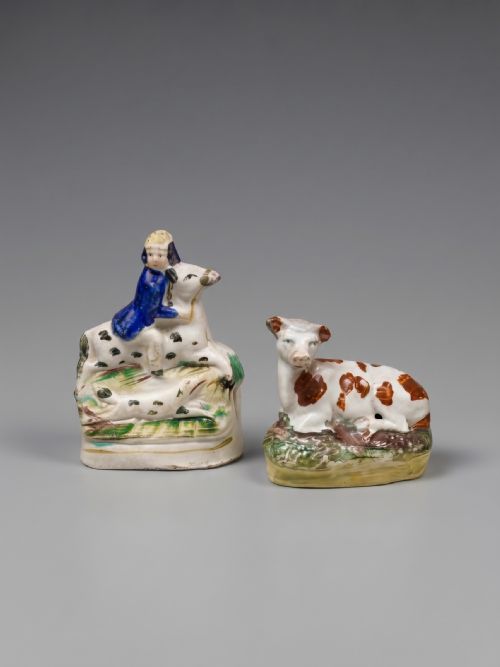
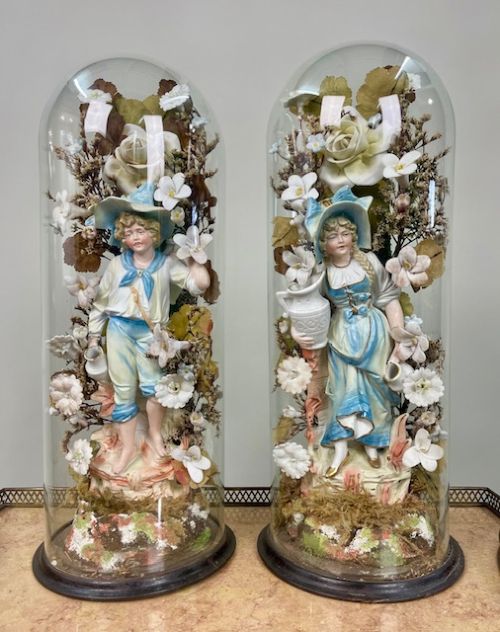
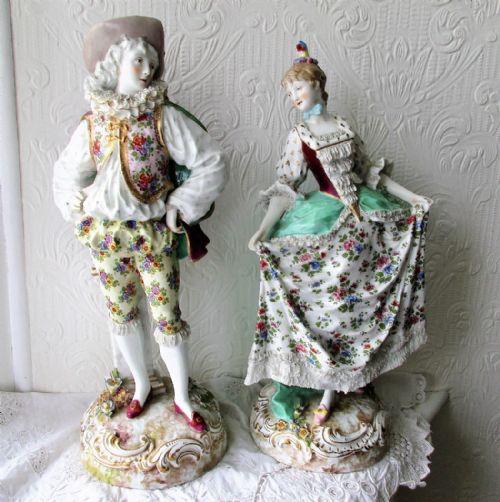
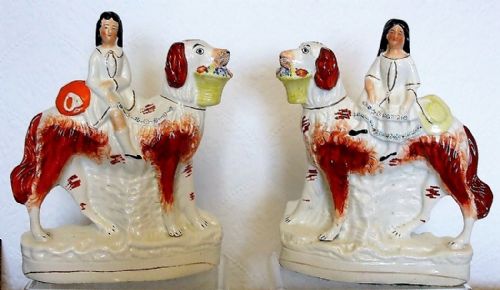
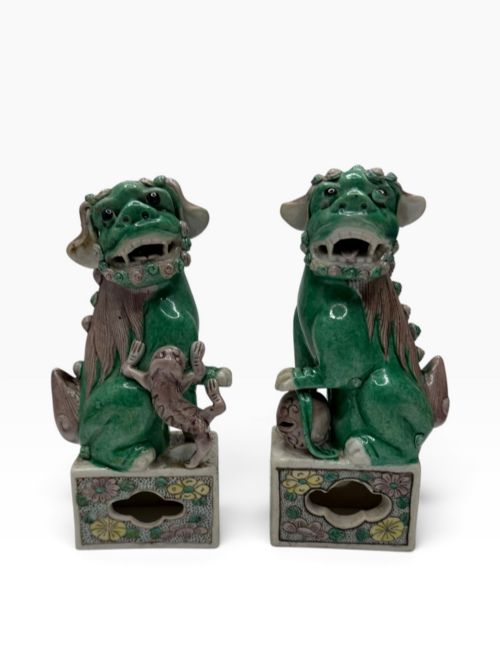
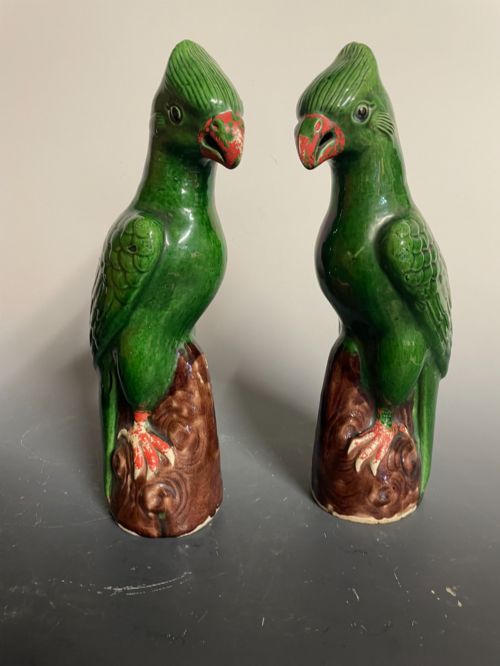
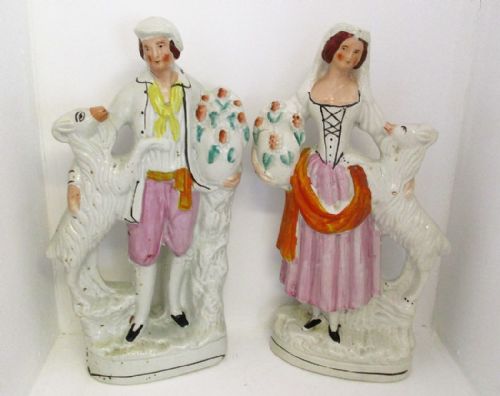
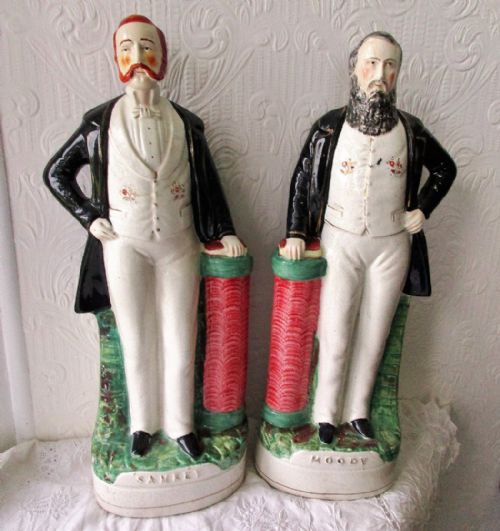
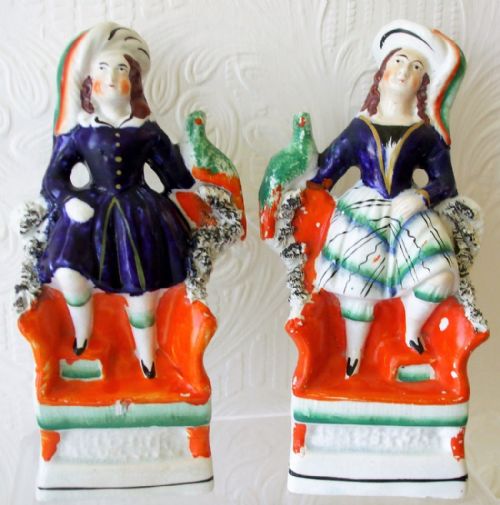
Pair antique ceramic statues include figural pairs modelled as animals, human portraits, musicians, and classical subjects designed for symmetrical placement.
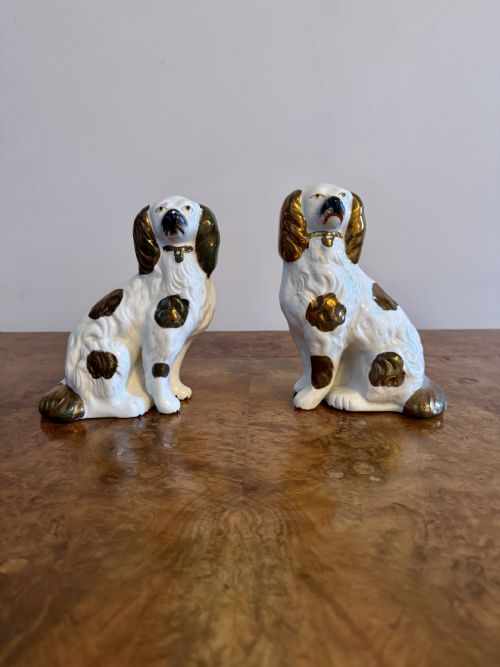
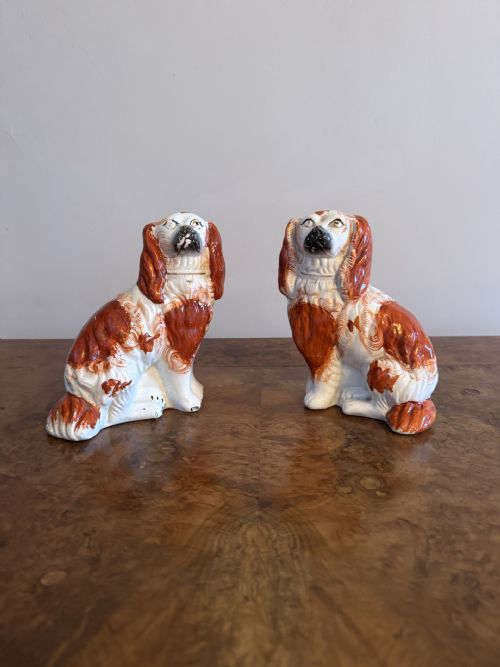
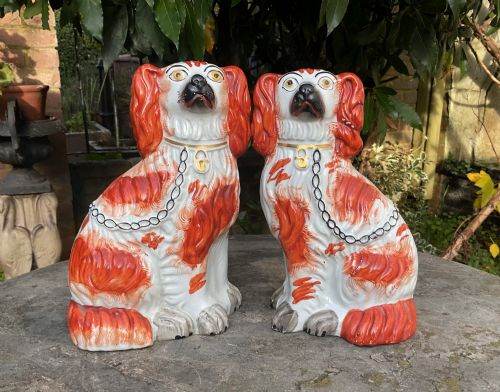
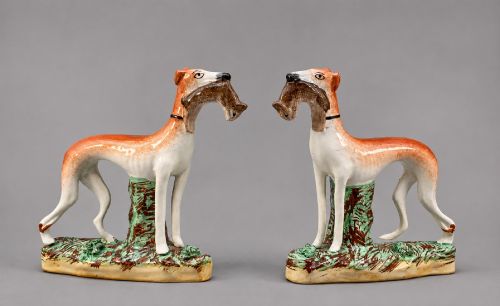
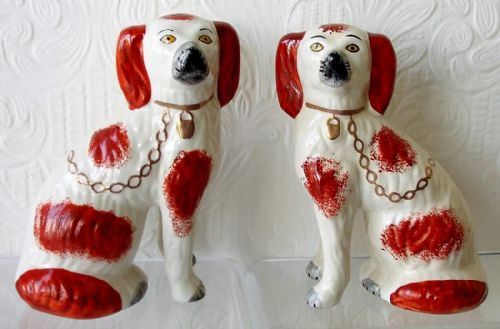
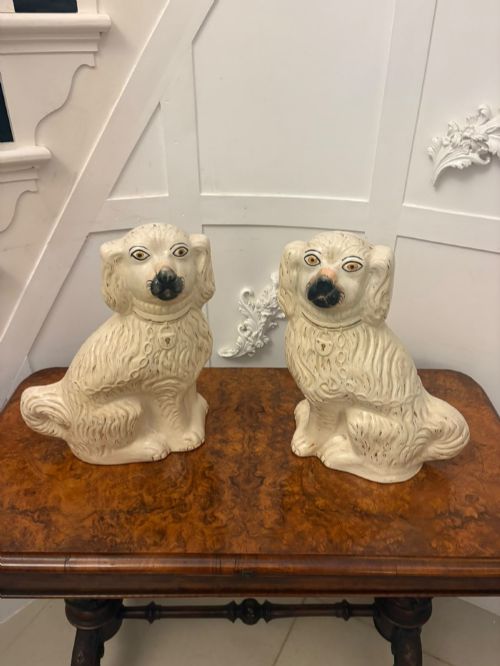
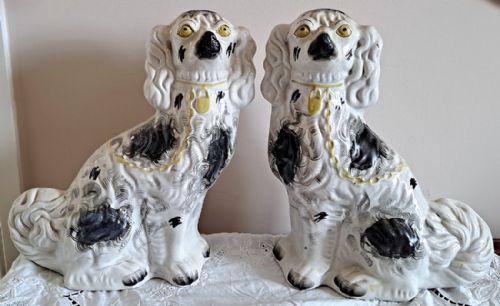
Victorian Staffordshire animals such as spaniels, greyhounds, poodles, and lions appear frequently alongside European porcelain figures from Meissen and French factories.
The selections span earthenware, pottery, and fine porcelain from the eighteenth century through to the Edwardian period and the 1930s.
How they were made
Potters shaped these figures using earthenware, terracotta, bone china, and biscuit porcelain, often finishing surfaces with lead glaze, enamel, or gilt highlights.
Makers employed press moulding and hand sculpting, followed by kiln firing and detailed hand painting with underglaze blue or polychrome enamels.
Pair Ceramic Statues Retail Price Guide 2026
Typical asking prices for pair ceramic statues among the pieces listed under this phrase on Sellingantiques today, from the lower quarter to the upper quarter. They describe what is for sale here now, not the wider market.
Listings feature Victorian Staffordshire pottery dogs, French earthenware figures, and Chinese glazed earthenware alongside English porcelain.
What varies in quality
The precision of hand painted polychrome enamels and the subtlety of gilding determine the refinement of the finished pair.
Royal Worcester·Karl Ens·James Hadley·Letu Mauger Paris·Volkstedt Richard Eckert·La Coutille Factory·Makuzu Kozan II
The Pair Ceramic Statues Glossary
- Biscuit porcelain
- Unglazed porcelain fired once to produce a matte, marble-like surface with fine detail. This technique highlights modelling skill without surface glaze obscuring the contours.
- Staffordshire pottery
- Earthenware figures produced in the Staffordshire potteries during the nineteenth century. These chimney ornaments depict animals and human portraits for domestic mantels.
- Parian ware
- A fine white biscuit porcelain resembling carved marble, developed in the nineteenth century. It takes its name from Parian marble found on the Greek island of Paros.
- Sancai glaze
- A low-firing lead glaze system producing amber, green, and cream colours. Potters used this technique on Chinese pottery and Tang dynasty style figures.
- Faience
- Tin-glazed earthenware produced in France and continental Europe. The opaque white glaze provides a smooth ground for painted decoration.
Pair Ceramic Statues: Frequently Asked Questions
How do I identify Victorian Staffordshire dogs?
Victorian Staffordshire spaniels and greyhounds present earthenware bodies with painted gilt highlights and facial markings.
Potters moulded these dogs in matching left and right orientations specifically for mantelpiece display.
What is biscuit porcelain?
Biscuit porcelain is unglazed ceramic fired to a matte finish that resembles carved white marble.
This material shows fine sculptural detail without the reflective sheen of standard lead or enamel glazes.
How do I care for antique ceramic figures?
Dust these pieces gently with a soft dry brush to protect delicate painted enamel and gilt surfaces.
Avoid liquid cleaning agents, as moisture can damage historic earthenware bodies and porous biscuit porcelain.