
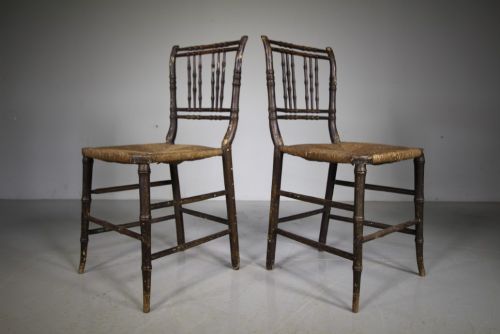
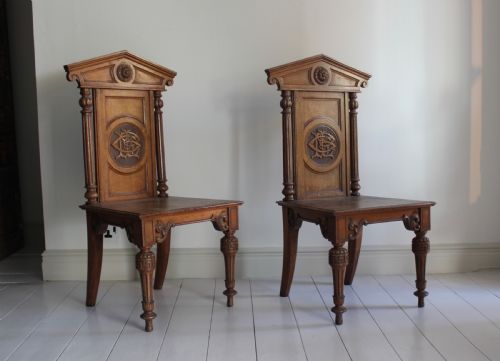
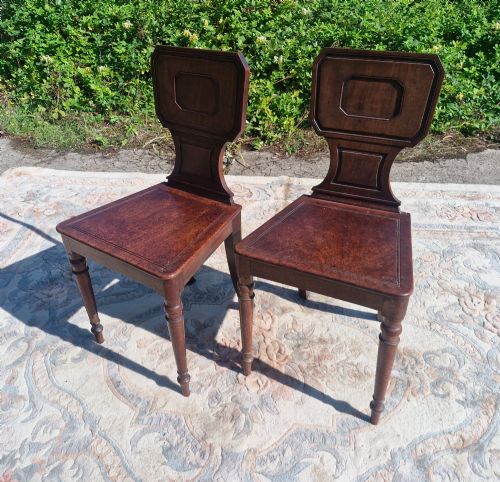
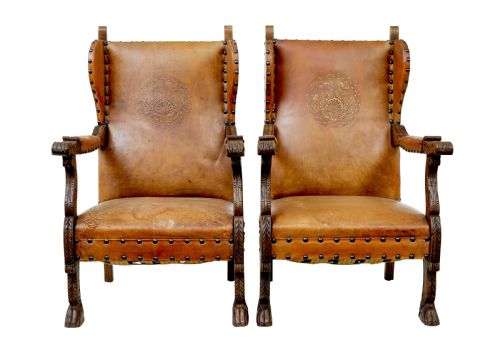
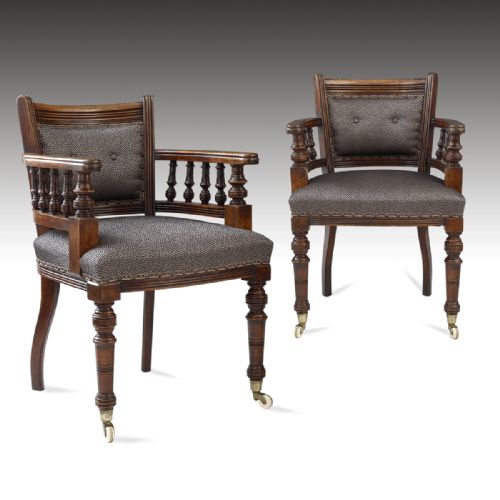
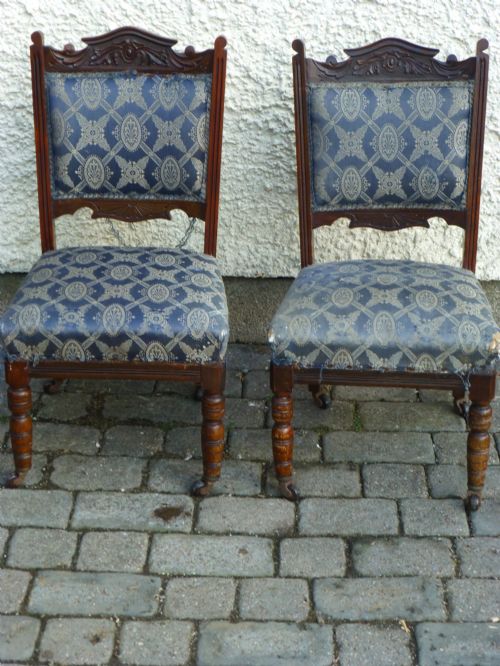
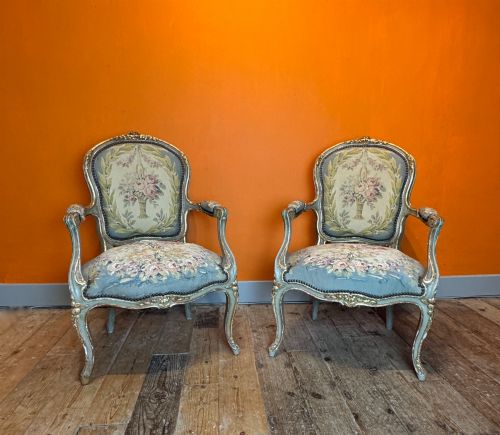
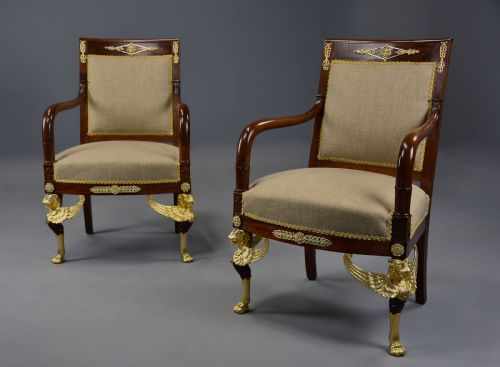
Pair 19th Century Seating
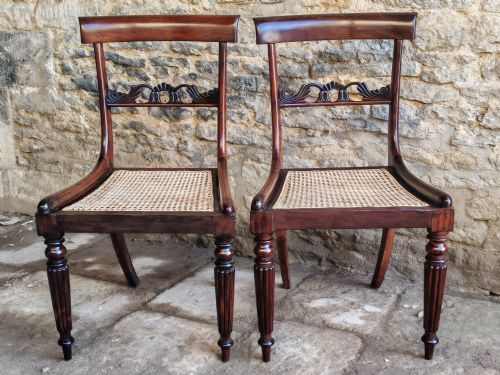
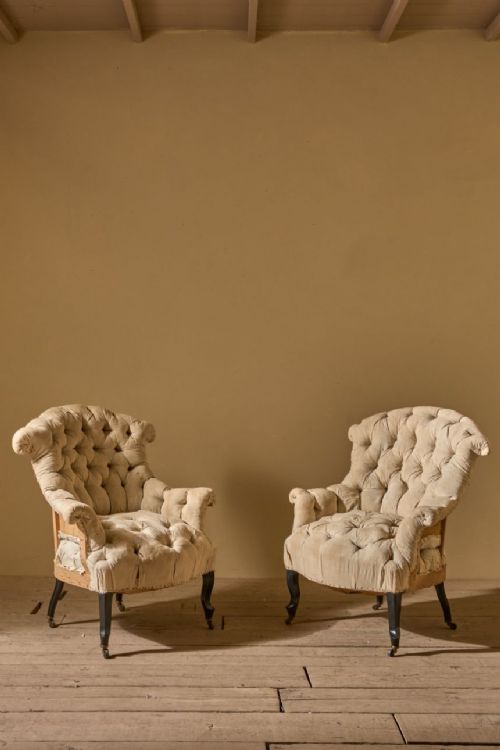
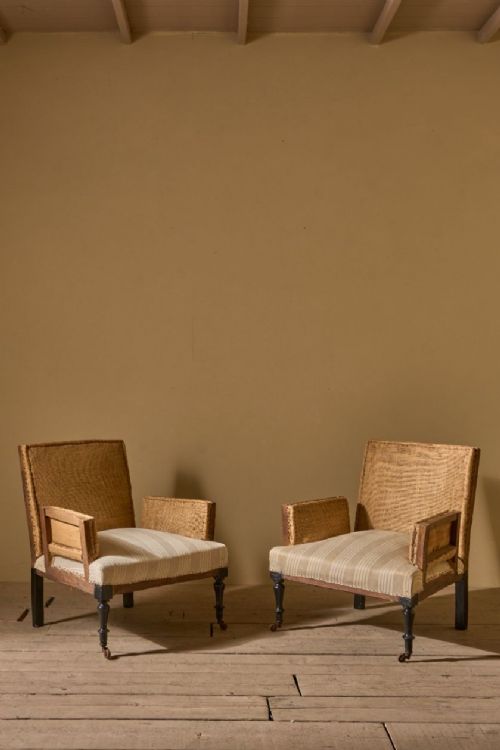
These pair 19th century seating options provide symmetrical character and period presence to a room, offering matched seats crafted across diverse regional traditions.
Pair 19th Century Seating
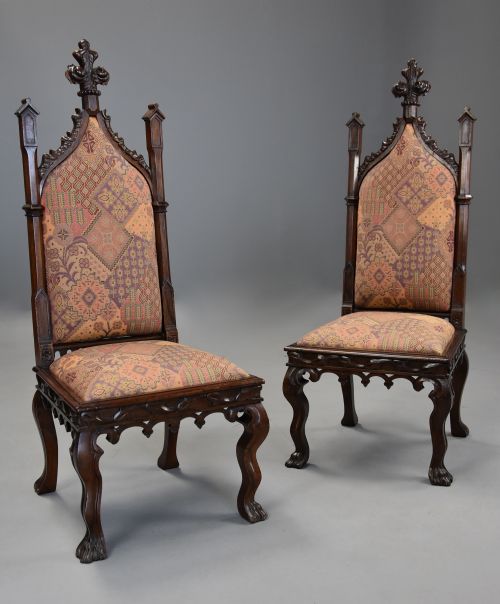
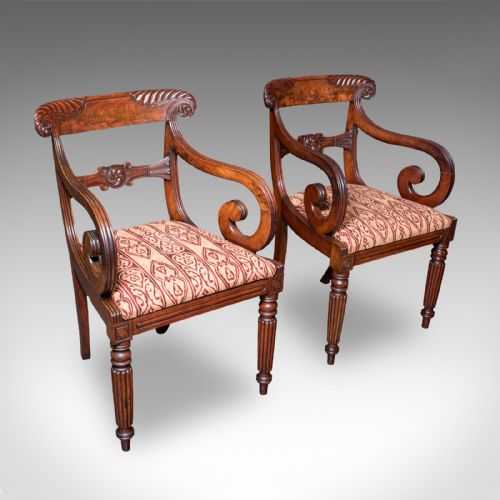
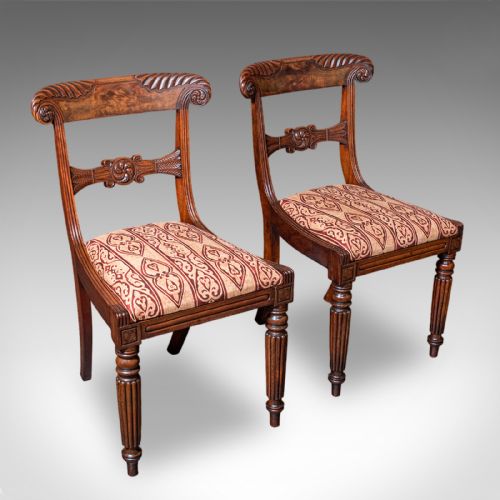
When searching for pair 19th century seating, buyers encounter dual configurations of chairs, armchairs, benches, and stools originating from Georgian, Regency, Victorian, and continental European traditions.
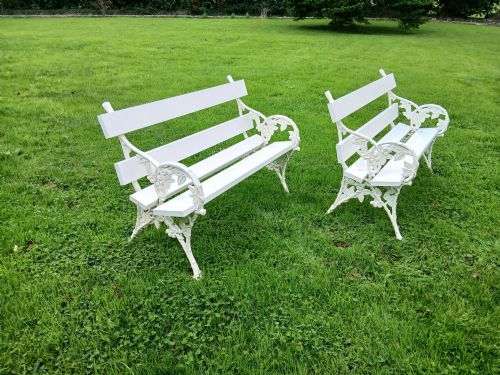
The selection ranges from sturdy oak and mahogany hall chairs designed for grand entrances to upholstered walnut nursing chairs and cast iron garden benches suited for domestic or outdoor display.
Makers across England, Scotland, France, and Italy produced these matched items in styles spanning Gothic Revival, French Empire, and Baroque designs.
Materials and construction methods
Timbers such as mahogany, oak, walnut, elm, and pitch pine form the structural framework of these seats, often shaped through turning, carving, or steam-bending.
Upholstery techniques utilise fabric, leather, calico, and tapestry supported by webbing or cane work, while decorative finishes incorporate gilding, parcel gilding, and original paint or lacquer.
Metal elements appear in brass fittings and heavy cast iron foundations, demonstrating durability alongside timber craftsmanship.
Some garden benches proudly display blackberry and leaf cast iron patterns.
Factors that distinguish the work
The refinement of carved detail on timber frames and the integrity of original surface treatments, such as lacquer or gilding, separate standard production from superior pieces.
Proportional harmony and structural soundness, particularly in joints and cane or upholstered elements, determine the enduring character of each seat.
Falkirk Carron Foundry·W.A. Willcocks
The Pair 19th Century Seating Glossary
- Hall chair
- A rigid wooden seat traditionally placed in a grand hallway, often featuring a carved or painted shield on the back.
- Gothic Revival
- A design style drawing inspiration from medieval architecture, characterised by pointed arches and heavy timber carving.
- Parcel gilt
- A decoration method where selected portions of a wooden frame receive a thin layer of gold leaf while the rest remains painted or polished.
- Grecian style
- A classical design movement from the Regency period incorporating curved lines and forms derived from ancient Greek art.
- Patina
- The surface sheen and colour developed on timber or metal through age and handling.
Pair 19th Century Seating: Frequently Asked Questions
How do I place matched chairs in a modern room?
Matched 19th-century chairs work well positioned symmetrically against a wall or flanking a fireplace to establish visual balance.
Their distinct period profiles also suit placement in hallways or bedrooms as functional accent pieces.
Were these seats made for dining or reception rooms?
Makers designated these forms for various domestic zones, ranging from formal dining and morning rooms to entrance halls and outdoor gardens.
Specific types include heavy oak hall seats, upholstered elbow chairs, and delicate French salon seating.
How can I identify French styles from English ones?
French seating from this era often utilises beech, walnut, or giltwood and displays carved motifs influenced by Louis periods or Empire designs.
English counterparts frequently rely on mahogany, oak, or pitch pine with regional stylistic traits like Regency curves or Gothic revival elements.
What should I know about seats requiring re-upholstery?
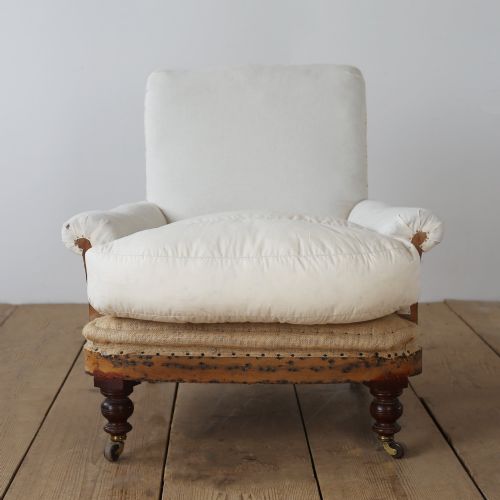
Listings sometimes offer chairs stripped of fabric or requiring new textile covers to allow buyers to select materials suited to their interiors.
This provides an opportunity to inspect the underlying frame and webbing while customising the final appearance.