




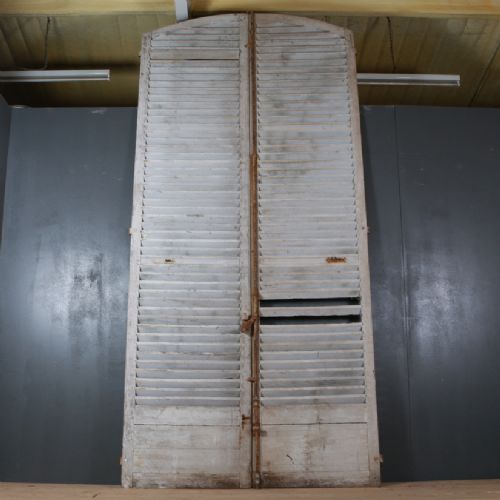

Painted Wooden Windows
These painted wooden windows and accompanying seats offer architectural character, built from timber and finished with layered paint finishes that suit period interiors.
Painted Wooden Windows
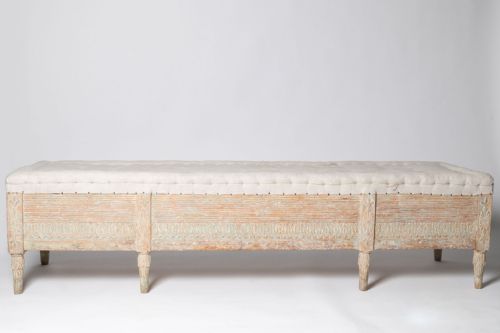
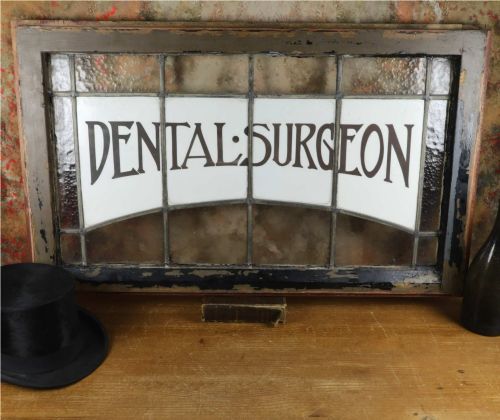
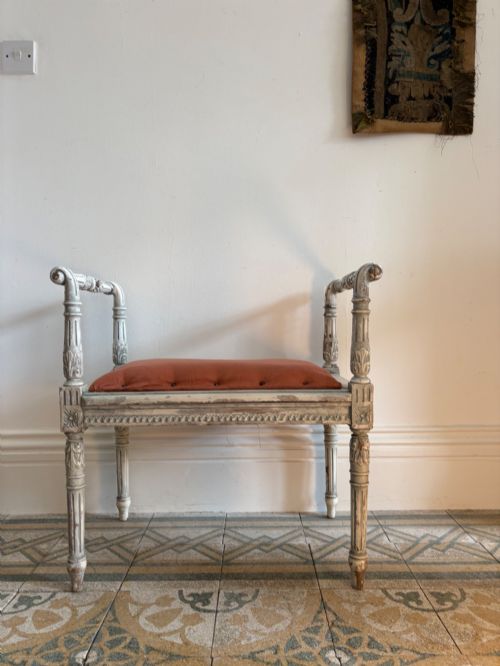
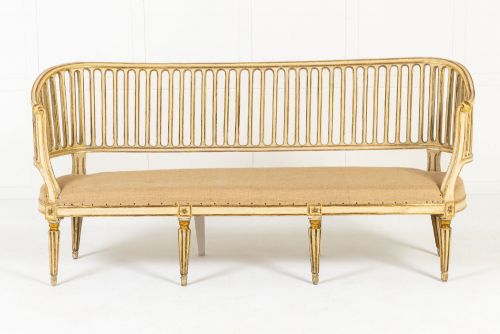
When searching for painted wooden windows, buyers encounter architectural salvage alongside associated seating such as window seats, benches, and couches designed to sit beneath glazing. The selection encompasses pieces from the eighteenth, nineteenth, and early twentieth centuries, spanning Edwardian, Regency, and Gustavian styles.
Most examples found on this page consist of painted pine, satinwood, or beech seating frames, accompanied by structural elements like glass windows, shutters, and mirrors. Origins range across English, French, and Swedish workshops, providing painted finishes that vary from white and neutral tones to decorative schemes.
Materials and construction methods
Makers utilised solid timbers such as pine, satinwood, and beech to construct both architectural elements and seating frames, often applying cane, fabric, or silk for squab seats and upholstery panels. Frames were assembled using traditional joinery before receiving multiple coats of paint.
Surface treatments involve historical paint layers, sometimes distressed by time or finished with decorative carving seen in French Régence and Gothic revival styles. Glass components feature etched designs, while architectural salvage retains original fastenings and timber patination.
Painted Wooden Windows Retail Price Guide 2026
Typical asking prices for painted wooden windows among the pieces listed under this phrase on Sellingantiques today, from the lower quarter to the upper quarter. They describe what is for sale here now, not the wider market.
Listings feature periods ranging from the eighteenth century through to the 1930s, utilising materials such as pine, satinwood, beech, cane, and glass.
Distinctions in craftsmanship and condition
Quality rests in the integrity of the timber framing, the originality of the paint surface, and the subtlety of any hand-carved decorative details. Pieces exhibiting intact period joinery and unstripped original pigment stand apart from later restorations.
The sophistication of regional styles - such as the refined proportions of Gustavian neoclassical forms or French chateau seating - dictates the level of artisanal skill invested in the object's creation.
The Painted Wooden Windows Glossary
- Architectural salvage
- Building elements rescued from older structures for reuse in interior design. This includes items such as shutters, windows, and decorative glass panels.
- Window seat
- A long stool or small couch designed specifically to fit the recess of a window. These often feature upholstered tops or cane seats.
- Canework
- Woven cane or rattan utilised for seat panels and backrests. It provides a lightweight, flexible surface popular in seating from the Edwardian era and earlier.
- Satinwood
- A durable hardwood with a natural sheen, frequently painted or polished in eighteenth and nineteenth-century cabinet making. It forms the primary structure for fine decorative settees.
- Gustavian
- The Swedish interpretation of French neoclassical design, characterised by restrained carving and pale painted finishes. This style dominates many of the stools and benches seen here.
Painted Wooden Windows: Frequently Asked Questions
What is a window seat?
A window seat is a low bench or couch built or placed to sit beneath a window recess. They provide casual seating while making use of natural light.
Historically, these pieces match the interior joinery or decorative scheme of the room, utilising painted wood and upholstered or caned tops.
How do I date painted wooden furniture?
Dating relies on examining construction marks, timber types, and the composition of underlying paint layers. Hand-mixed pigments and traditional joinery point to nineteenth-century or earlier origins.
Stylistic cues, such as Edwardian proportions or Gustavian neoclassical motifs, further help narrow down the period of manufacture.
Where should I place architectural salvage?
Architectural salvage pieces like shutters and mirrors work well mounted on interior walls or utilised as decorative screens. They introduce depth and historical texture to modern rooms.
Ensure the supporting wall can bear the weight of timber frames and glass elements before hanging.
Are painted finishes original?
Many pieces retain layers of historic paint applied over decades of use, whilst others have undergone later decorative painting. Inspecting edges and recesses reveals underlying coats and wear patterns.
Original surfaces display natural craquelure and softening that modern repainting cannot replicate.