





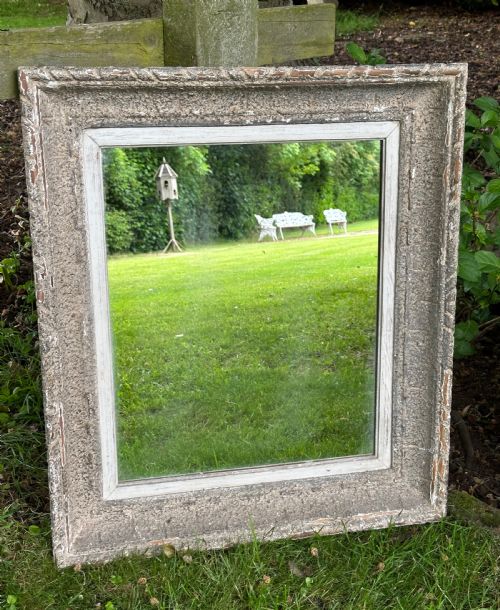
Painted Wooden Vanity Mirror
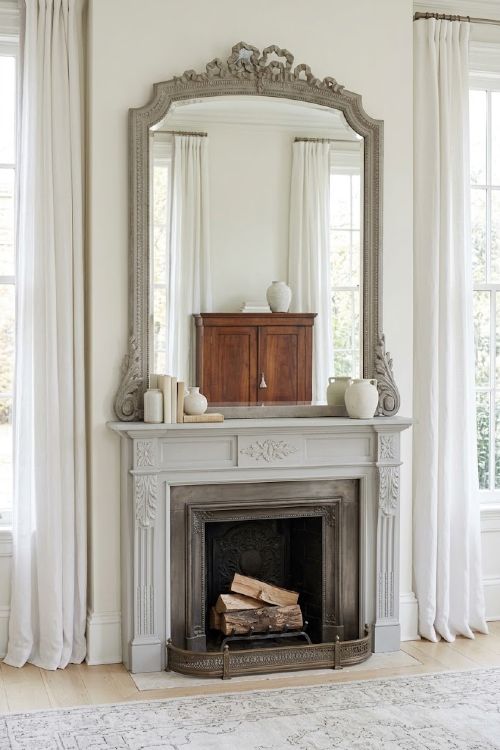
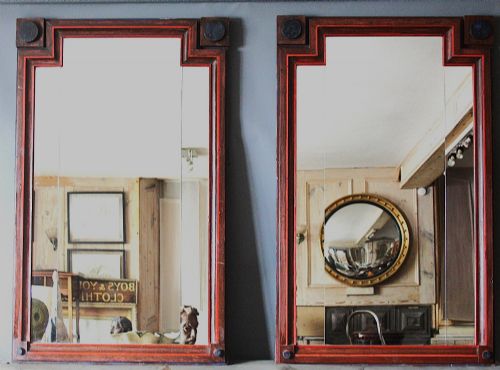
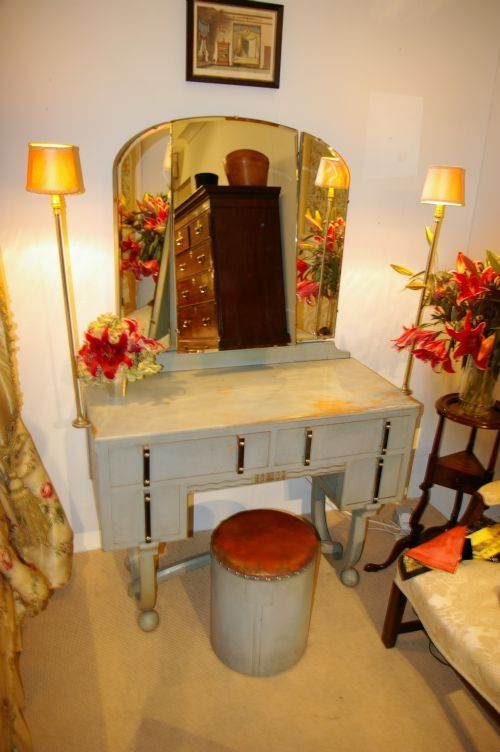
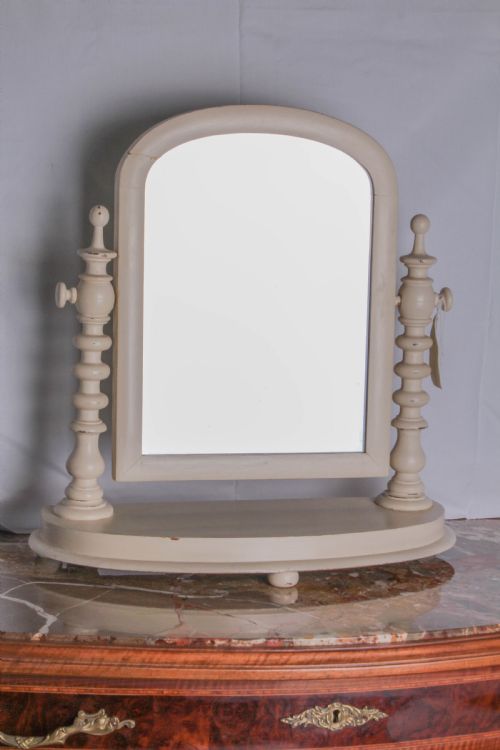
These painted wooden vanity mirrors bring a soft, decorative finish to a dressing room or chest of drawers.
Painted Wooden Vanity Mirror
A painted wooden vanity mirror sits on a dressing table or chest, or hangs upon a wall, designed to reflect light and provide a functional glass surface for grooming. When you search for a painted wooden vanity mirror, you encounter pieces spanning from the nineteenth century through the Edwardian era and into the nineteen-twenties and nineteen-thirties.
The forms vary between simple oval shapes, rectangular dressing mirrors with pivoting frames, and more elaborate French Rococo or Continental Rococo styles. You are likely to meet pieces finished in painted wood, gesso, and gold leaf, alongside occasional wall-mounted variations and dressing table suites.
How they were made
These items rely on timber foundations, often enhanced with gesso and layers of paint to achieve decorative surfaces. Makers applied stencils or hand-painted floral motifs directly onto the wood, sometimes incorporating gold leaf highlights to catch the light.
The glass sits within pivoting or fixed wooden frames, joined to tabletop stands or wall plates with brass fittings. Satin birch and other woods provide the structural base for the stencilled and painted finishes seen across the pieces.
Painted Wooden Vanity Mirror Retail Price Guide 2026
Typical asking prices for painted wooden vanity mirror among the pieces listed under this phrase on Sellingantiques today, from the lower quarter to the upper quarter. They describe what is for sale here now, not the wider market.
Listings feature periods from the nineteenth century, Victorian era, Edwardian period, and the nineteen-twenties and nineteen-thirties.
What varies in quality
Quality rests in the execution of the painted decoration, the crispness of the gesso moulding, and the integrity of the wooden frame joints. Finer examples display meticulous hand-painted detail or precise stencilling that integrates harmoniously with the period style.
The character of the mirror glass itself and the retention of original gold leaf or paint surfaces distinguish standard items from superior works. Structural stability in the pivoting mechanisms of dressing mirrors also marks the better-made pieces.
The Painted Wooden Vanity Mirror Glossary
- Gesso
- A plaster-based material applied to wood surfaces to create a smooth base for painting or gilding. It allows for raised decorative motifs and ornate framing details.
- Satin Birch
- A pale, fine-grained timber often used in nineteenth-century and Edwardian furniture. It provides a smooth surface suited to stencilled decoration.
- Pivoting Frame
- A mirror frame suspended on lateral pins or screws between two upright supports. This allows the glass to tilt to different angles.
- Gold Leaf
- Extremely thin gold beaten into sheets, applied to gesso or wood surfaces as a decorative finish. It brings a reflective warmth to the frame.
Painted Wooden Vanity Mirror: Frequently Asked Questions
Are these mirrors meant for walls or tables?
The selection includes both wall-mounted mirrors and dressing mirrors designed to stand on tables or chests. Each type serves a distinct placement within a room.
Pivoting tabletop versions allow you to adjust the angle, while wall-hanging pieces remain fixed for decorative impact.
How do I date a painted mirror?
Dating relies on observing the timber, the style of the paint finish, and the construction methods used in the frame. Victorian and Edwardian examples often feature distinct proportions and decorative motifs.
Later pieces from the nineteen-twenties and nineteen-thirties display Art Deco geometric lines or simpler painted surfaces.
What is the difference between Rococo and Deco styles?
French Rococo and Continental Rococo styles feature ornate, asymmetrical curves, scrollwork, and elaborate gesso mouldings. They draw on eighteenth-century European design traditions.
Art Deco pieces from the nineteen-twenties embrace cleaner lines, geometric symmetry, and simplified forms associated with modernism.
Can I replace the mirror glass?
Original mirror glass often shows foxing or minor silvering losses due to age. Many collectors prefer to retain this original glass for authenticity.
If replacement is necessary for daily use, consult a specialist to ensure the new glass matches the historical depth of the frame.