
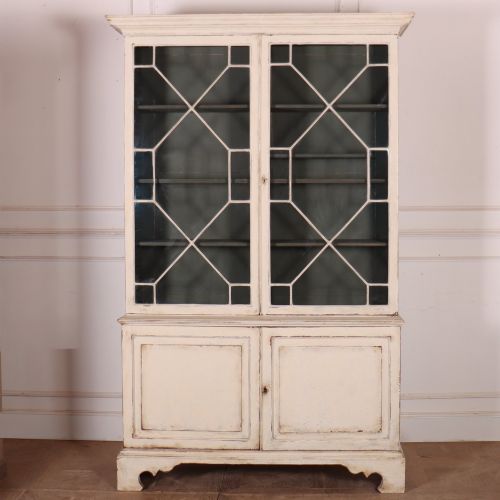
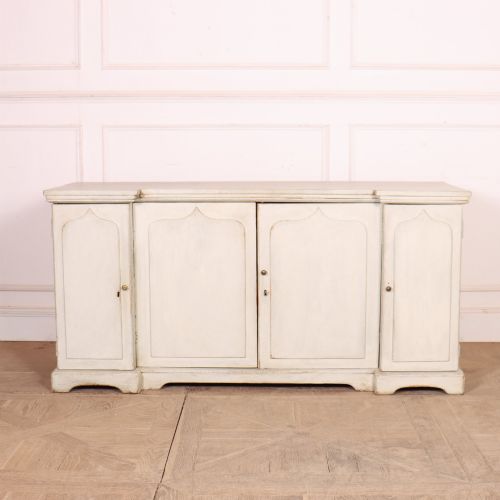
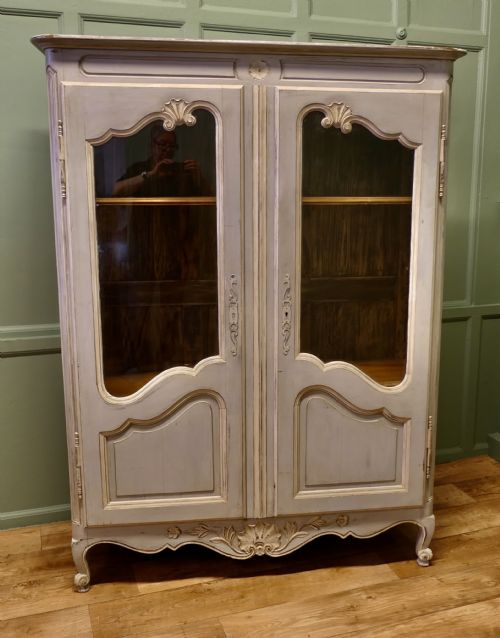
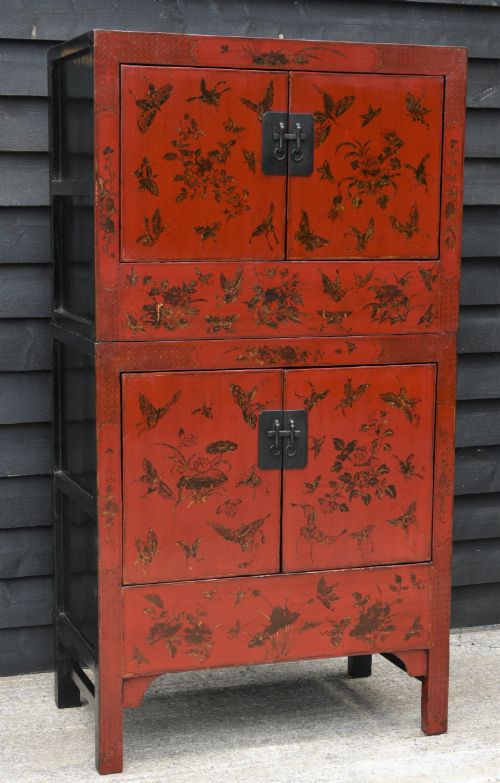
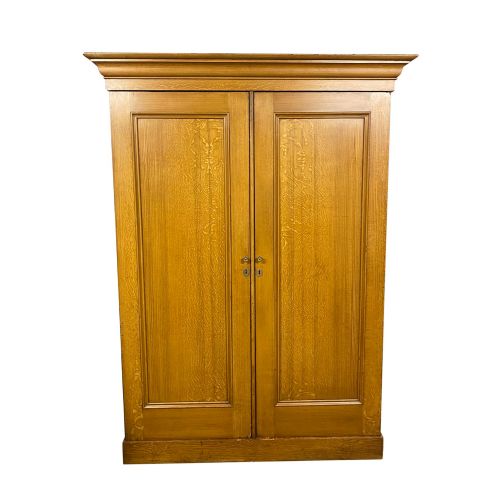
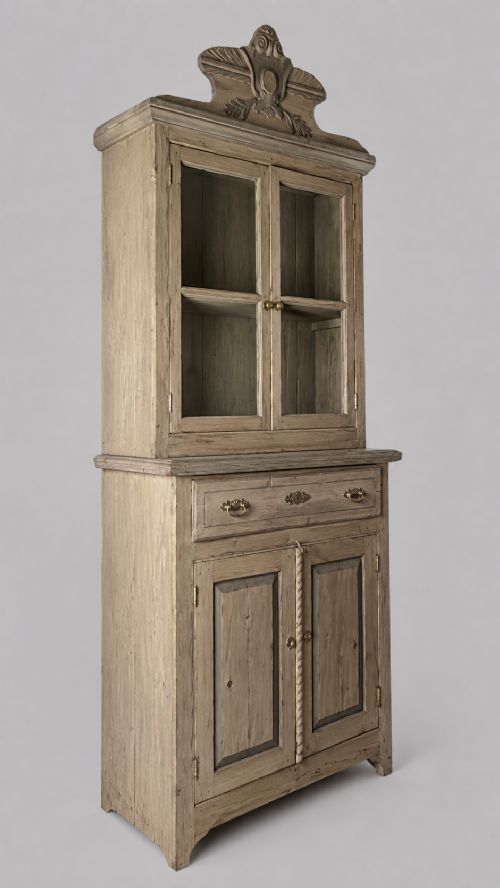
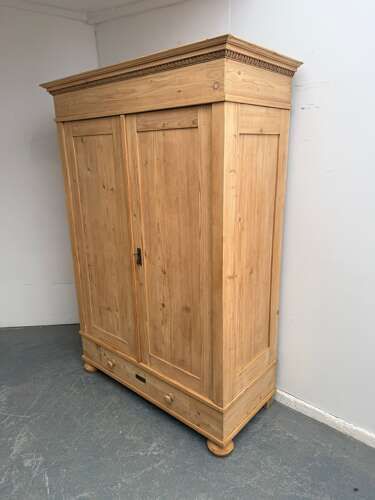
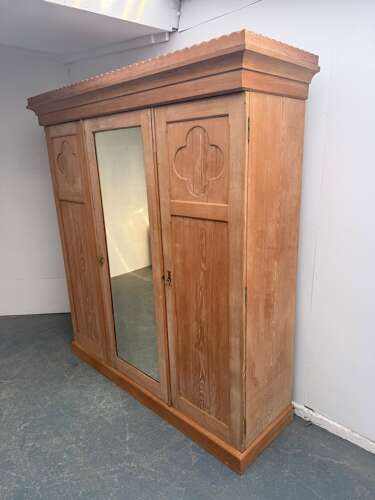
Painted Wooden Doors
Painted wooden doors bring architectural character and historic charm to an interior, functioning as functional room dividers or striking wall panels.
Painted Wooden Doors
Painted wooden doors encompass architectural salvage and large portal sections originating from periods such as the Victorian era and the broader nineteenth century. Buyers searching for painted wooden doors frequently encounter substantial pine panels complete with period ironwork or painted finishes.
The selection ranges from tall chapel entrances to decorative overdoor panels and architectural fragments. These pieces reflect diverse regional origins, including English and continental European traditions, often retaining their original surface treatments.
Many examples double as substantial architectural elements designed to transform a domestic interior. The forms balance utility with decorative presence, drawn from historic ecclesiastical and residential contexts.
Materials and construction methods
Carpenters typically constructed these pieces using solid pine and native timbers, joining heavy planks with traditional framing techniques. Surfaces received layers of lead-based or oil paints, sometimes applied over earlier priming coats.
Iron and brass hardware such as strap hinges, latches, and bolts were integrated into the heavy timber frames. These metal fixtures provided structural support while contributing to the utilitarian aesthetic of large entrances.
The listings feature painted wooden doors and architectural salvage primarily originating from the 19th century, constructed in pine with wrought ironwork.
Assessing quality and condition
The integrity of the underlying timber and the preservation of original surface paint determine the standing of an individual piece. Retained historic patination and undisturbed layers of pigment distinguish superior examples from heavily stripped or modernly repainted surfaces.
Proportion and scale dictate the visual impact of architectural salvage, alongside the retention of period wrought ironwork. Finely forged hinges and structural stability set apart pieces sourced from significant institutional or domestic settings.
The Painted Wooden Doors Glossary
- Architectural salvage
- Building components rescued from demolition or alteration for reuse in interior design. These fragments retain historical fabric from older structures.
- Scumble
- A decorative paint technique involving a translucent glaze dragged or mottled over a paler base colour. It mimics the grain of more expensive timbers like oak.
- Overdoor panel
- A decorative painted or carved section positioned directly above a doorway. These elements frequently display heraldic motifs or landscape scenes.
- Wrought ironwork
- Iron heated and hammered into shape by a blacksmith to create functional hardware. This material appears on historic doors in the form of strap hinges and brackets.
Painted Wooden Doors: Frequently Asked Questions
How do I hang heavy painted wooden doors?
Hanging substantial architectural doors requires heavy-duty steel pivots or reinforced strap hinges secured directly into structural wall studs or a robust timber sub-frame. Due to the significant weight of solid pine and historic ironwork, professional installation ensures the weight distributes evenly without sagging.
Matching the installation method to the specific threshold prevents structural strain on the surrounding plaster or masonry. Adequate clearance must be maintained along the base to accommodate flooring transitions.
Can these doors be used outdoors?
Historic painted wooden doors generally suit interior placement better unless treated with modern protective sealants compatible with historic finishes. Exposure to direct rain and fluctuating temperatures causes historic pine to swell, warp, and cause original paint layers to flake.
Sheltered outdoor settings like covered porches extend their lifespan considerably if maintenance is managed carefully. Monitoring moisture levels prevents rot from developing within the dense timber core.
How should I clean historic painted surfaces?
Cleaning requires a soft, dry microfibre cloth or a slightly damp sponge using plain water without harsh detergents. Chemical solvents and abrasive scrubbing strip away fragile historic pigment and original scumble glazes.
Gentle maintenance preserves the accumulated patina acquired over centuries of use. Regular dusting prevents particulate accumulation from dulling the surface sheen.
What periods do these architectural pieces represent?
The available selection spans the eighteenth and nineteenth centuries, including Georgian and Victorian eras, alongside continental European traditions. Construction styles shift from formal panel symmetry to rustic vernacular joinery depending on the original context.
Stylistic markers such as moulding profiles and hardware design help date individual examples. Regional workshops applied distinct regional aesthetics to their joinery.