
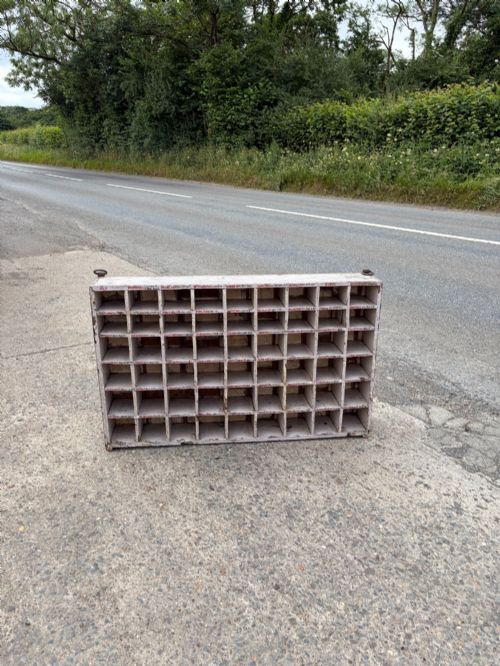


Painted Wooden Document Box
A painted wooden document box offers practical desktop storage wrapped in folk art charm, prized for surviving layers of historical pigment.
Painted Wooden Document Box
A painted wooden document box serves as a secure repository for deeds, letters, and valuables, taking forms from simple rectangular containers to shaped strong boxes and dome top chests. Buyers searching this phrase most frequently encounter nineteenth century Scandinavian folk art pieces alongside Regency pokerwork and Colonial metal bound storage boxes.
The inventory on this page ranges from small pine strong boxes with hand painted decoration to larger cashier boxes and pigeon holes. These utilitarian items were made to protect important papers, yet makers lavished them with decorative pigments, floral motifs, and gilt finishes.
How they were made
Carpenters constructed these boxes using solid timbers such as pine, oak, and general wood, often reinforcing the corners and lids with iron, wrought iron, or metal straps. Handles and hinges were forged by hand to secure the heavy lids on strong boxes and dome top caskets.
Artisans applied layers of paint, pigment, and sometimes lacquer directly onto the wood, occasionally employing penwork and pokerwork techniques to burn or draw intricate designs into the surface.
Many strong boxes feature complex internal compartments designed specifically to hide secret staves of paper from prying eyes.
What varies in quality
Quality rests in the survival and integrity of the original paintwork decoration, where crisp folk art motifs and untouched pigments elevate a utilitarian container into a true piece of decorative art. Boxes retaining their original iron bindings, locks, and keys show superior craftsmanship compared to those stripped or heavily restored over the decades.
The finesse of the joinery distinguishes standard storage from finer work, seen in the precise shaping of oval strong boxes and the delicate execution of Regency penwork or Qajar lacquer detailing.
The Painted Wooden Document Box Glossary
- Strong box
- A heavy storage chest designed with reinforced metal bands and secure locking mechanisms to protect valuable documents and money. These containers often feature robust iron hardware to prevent tampering.
- Dome top
- A curved lid construction that allows rainwater or dust to slide off easily while creating extra interior vertical space for stacked papers. This profile is frequently seen on nineteenth century travel and deed chests.
- Pokerwork
- A decorative technique involving heated metal tools burned into wood to create dark, detailed line drawings and patterns. It appears on Regency boxes to render elaborate botanical and geometric scenes.
- Penwork
- An artistic method using fine ink or paint pens to create intricate monochrome illustrations directly onto a prepared wooden surface. This detailed work characterises refined Regency desktop accessories.
- Folk art
- Traditional decorative items made by self-taught or local artisans using regional motifs and accessible materials. Scandinavian pieces in this style display characteristic floral and geometric painted schemes.
Painted Wooden Document Box: Frequently Asked Questions
What were document boxes used for?
These boxes stored important legal papers, deeds, correspondence, and household accounts before modern filing cabinets existed. People kept them locked to safeguard private documents from fire, theft, and dampness.
They sat upon desks, sideboards, or travelled securely in carriages, combining everyday utility with decorative painted finishes that suited domestic interiors.
How do I identify original paint?
Original paint surfaces show natural craquelure, subtle wear patterns, and uniform ageing that matches the underlying timber. Pigments settle into the wood grain differently than modern touch ups.
Under magnification, genuine historical paint layers display multiple underlying tones and a characteristic dry, chalky texture absent in synthetic reproductions.
Are these boxes waterproof?
While painted finishes and tight wooden lids offered basic protection against accidental spills and moisture, these boxes were not sealed against prolonged dampness. The iron bands kept the structure rigid rather than waterproof.
Interior contents relied on the thickness of the pine or oak boards and the domestic environments in which the boxes were kept to remain dry.
How do I care for painted wood?
Keep painted wooden boxes away from direct sunlight and sudden temperature shifts to prevent the historical pigments from fading and the timber from splitting. Dust them gently with a dry, soft cloth.
Avoid using liquid cleaners, wax, or polish on original painted surfaces, as chemical solvents can dissolve fragile nineteenth century binders and pigments.