


Painted Wooden Country Chair
These painted wooden country chairs bring domestic history into a room through honest timber and worn colour.
Painted Wooden Country Chair
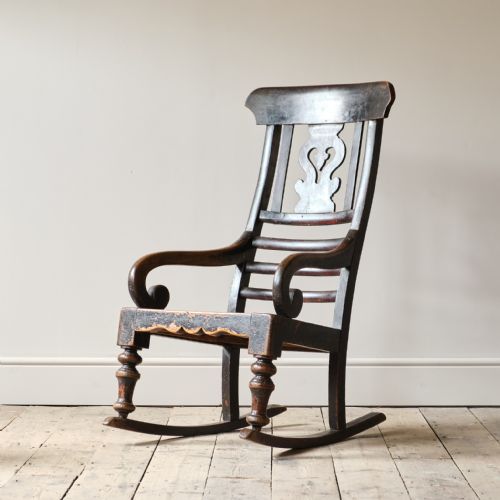
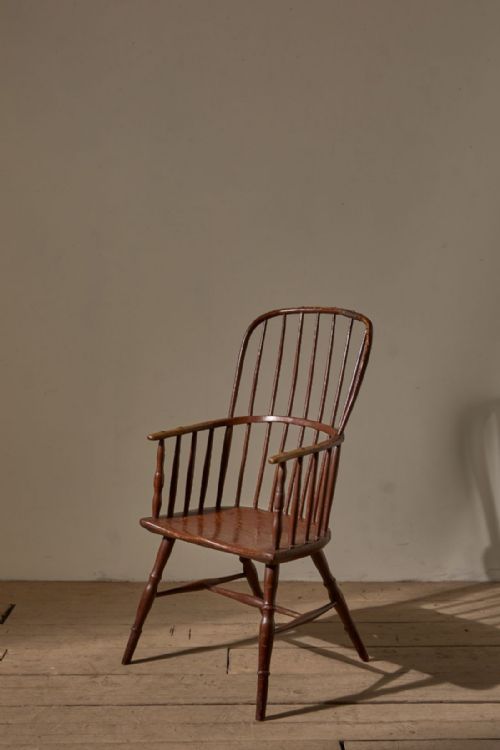
A painted wooden country chair is a seat shaped by regional tradition, domestic need and local materials. When you search for this phrase, you meet forms that range from Windsor chairs and ladder backs to spindle-backed rocking chairs and settles.
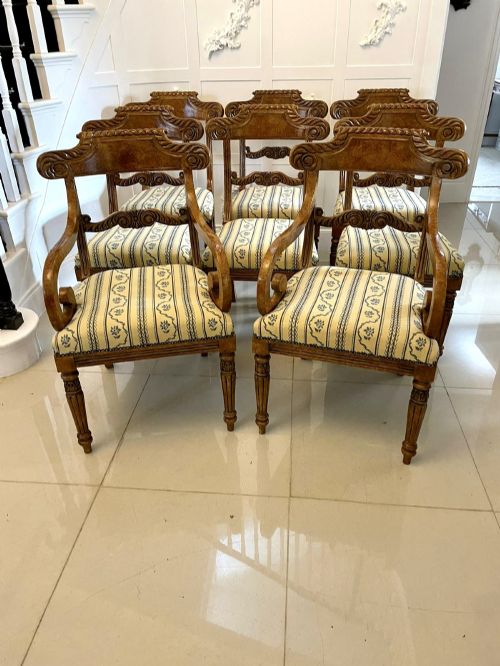
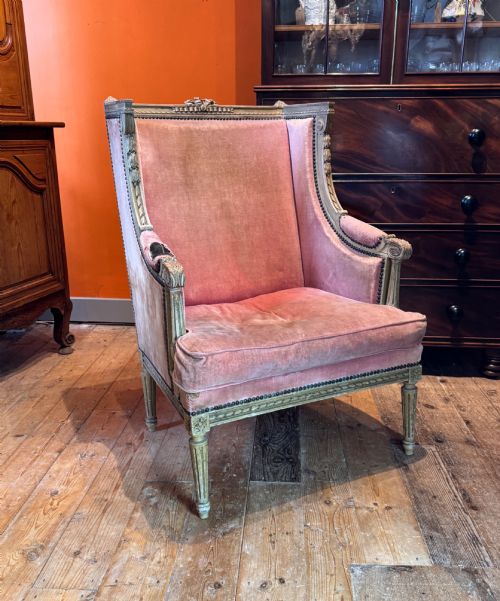
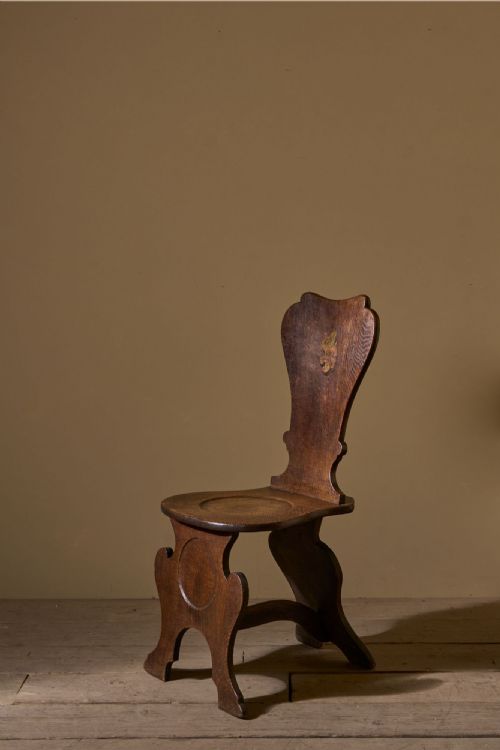
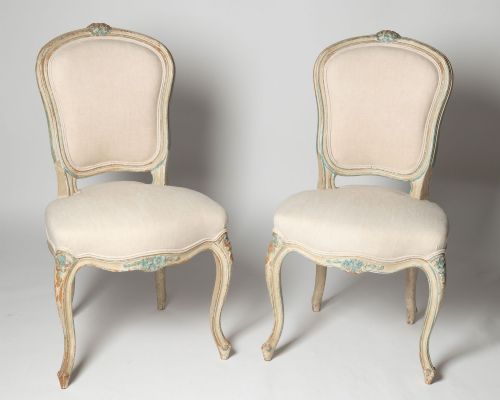
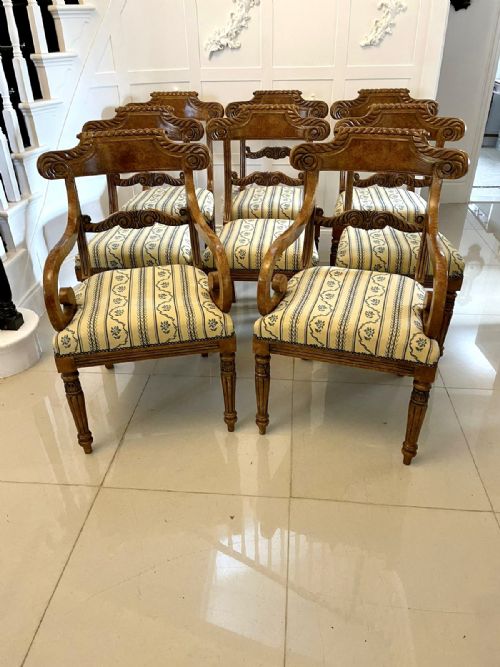
The versions most common on this page span the eighteenth, nineteenth and early twentieth centuries, originating from English, French, Swedish and Hungarian workshops. They arrive with armchairs, side chairs and dining sets that carry the marks of everyday use.
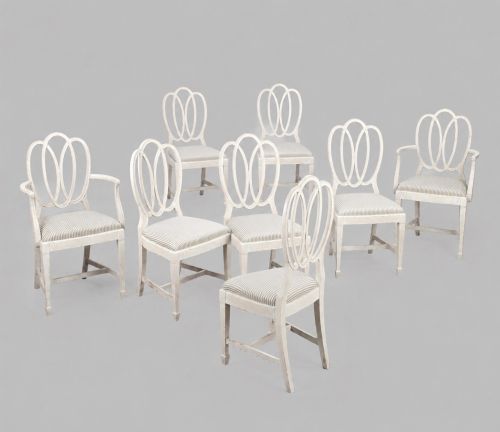
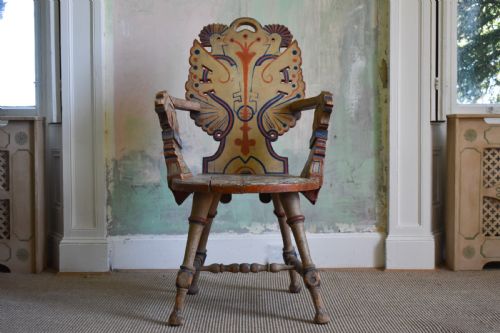
Many retain their original painted surfaces, from simple muted tones to folk art decoration and faux finishes. Their construction relies on regional timbers rather than uniform factory standards.
How they were made
Local timbers dictate the structure of these seats, utilising native woods such as beech, ash, elm, pine and oak. Turners and village joiners shaped solid seats and turned spindles using foot-powered lathes and drawknives.
Surfaces received layers of protective paint, often renewed across generations, preserving the underlying wood beneath historic pigments. Rush seating, fabric panels and needlepoint inserts frequently complete the construction.
The listings on this site record solid woods including beech, pine, elm, ash and oak.
What varies in quality
Quality rests in the survival of original surface pigment and the integrity of the timber framing. Chairs that retain untouched early paint schemes hold greater character than pieces stripped down or heavily overpainted.
The balance of proportion and the honesty of regional construction separate standard utilitarian seating from refined vernacular art. Sturdy joinery and well-turned spindles ensure the piece remains usable after centuries of sitting.
The Painted Wooden Country Chair Glossary
- Windsor chair
- A chair built with a solid wooden seat into which the legs and back spindles are separately bored and wedged. This form relies on the strength of turned components rather than a conventional frame.
- Ladder back
- A chair featuring horizontal wooden slats curved to support the spine, often paired with rush seating. These traditional seats were common in regional English and European workshops.
- Folk art
- Decorative embellishments and painting styles applied by rural makers rather than academic studios. This tradition reflects local taste and domestic resourcefulness.
- Settle
- A wooden bench featuring a high back and solid arms, designed to block drafts in rural halls and kitchens. They frequently include enclosed box storage beneath the seat.
- Spindle
- A slender, turned wooden rod used to form the back support or armrests of a Windsor or vernacular chair. Turners shaped each piece on a lathe for structural strength.
Painted Wooden Country Chair: Frequently Asked Questions
How do I care for a painted wooden country chair?
Keep the chair away from direct heat sources and strong sunlight to prevent the timber from drying and the historic paint from flaking. Dust gently with a dry cloth and avoid modern chemical polishes that can soften aged finishes.
Check the joints periodically for stability, especially if the piece sits on uneven flooring. Gentle handling preserves both the structural frame and the layered surface history.
Are these chairs comfortable for daily use?
Vernacular seating was designed for long hours of domestic work, so many examples offer surprisingly supportive proportions. Solid wooden seats and carved armrests accommodate natural sitting postures.
Adding a simple loose cushion can improve comfort on unpadded timber seats without altering the historic structure. Their sturdy frames handle regular use when placed on stable surfaces.
How do I distinguish original paint from later layers?
Original paint shows natural wear patterns, minor craquelure and consistent ageing that matches the timber beneath. Examination under close light often reveals subtle tonal variations and historical accumulation.
Later overpainting tends to fill crevices uniformly and may lack the depth of underlying pigment layers. Comparing the wear on high-contact areas provides clues to the surface age.
Where were these country chairs made?
Makers worked in rural villages across England, France, Sweden, Hungary and other European regions, utilising local timber forests. Each area developed distinct regional shapes, such as Windsor variations or Swedish folk thrones. N Local joiners and turners adapted traditional patterns to suit domestic requirements and available materials. This geographic diversity gives each group of chairs distinct regional character.