

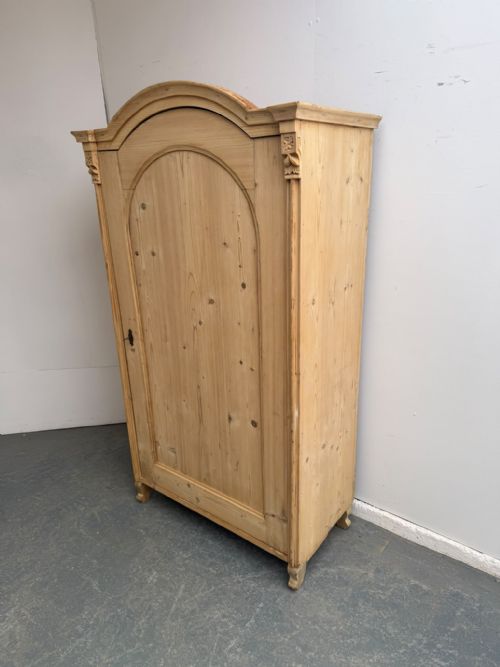

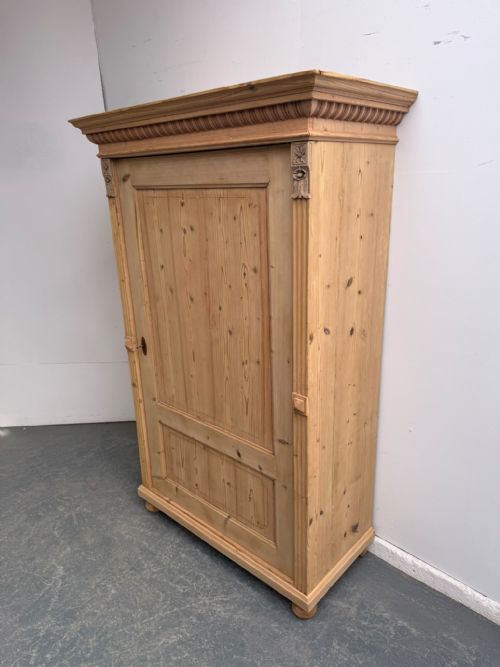
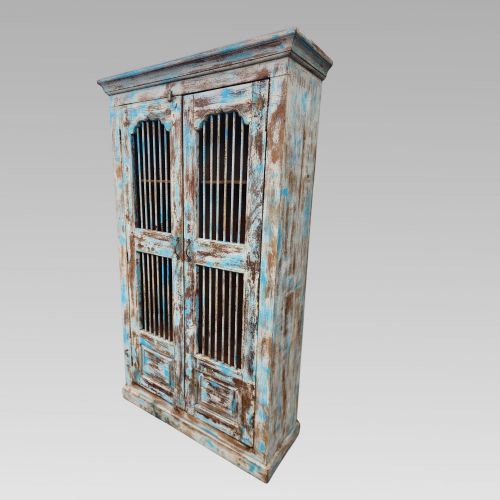
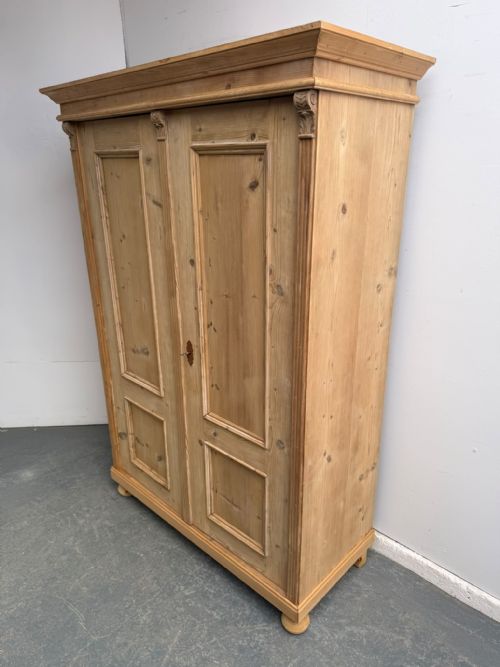
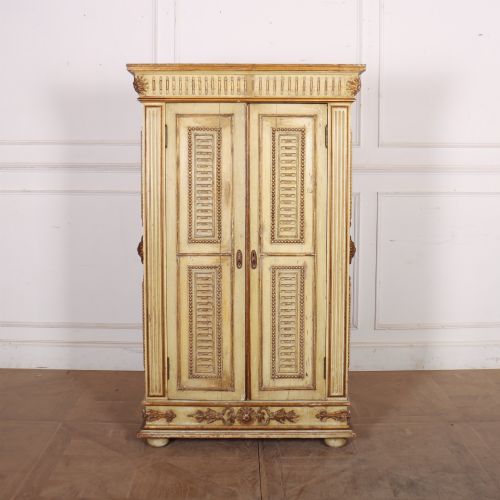
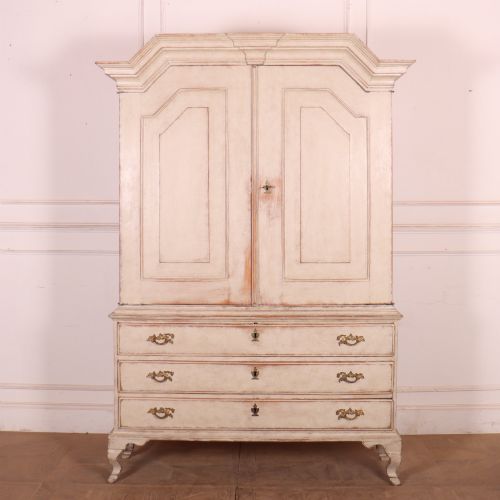
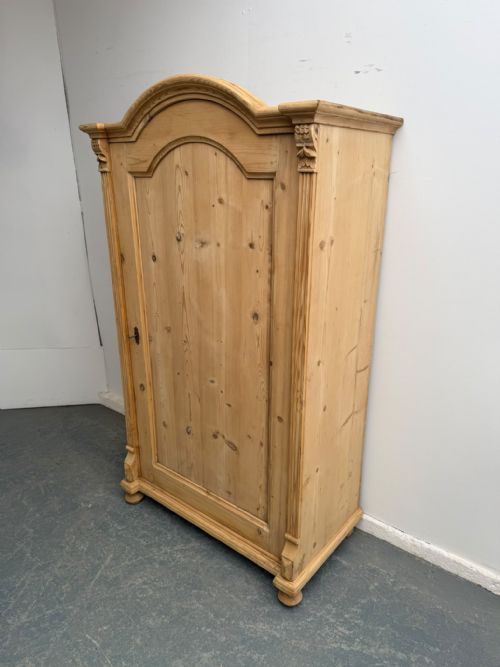
Painted Wood Wardrobe
A painted wood wardrobe brings colour and practicality to a bedroom, offering generous storage wrapped in decorative surface finishes.
Painted Wood Wardrobe
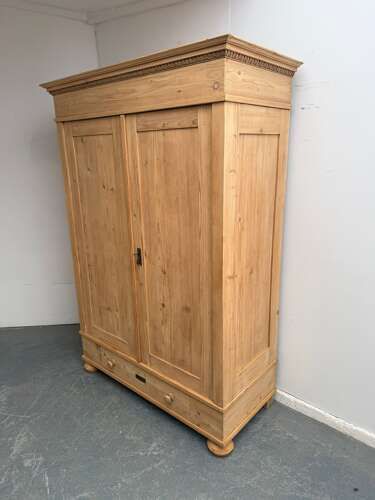
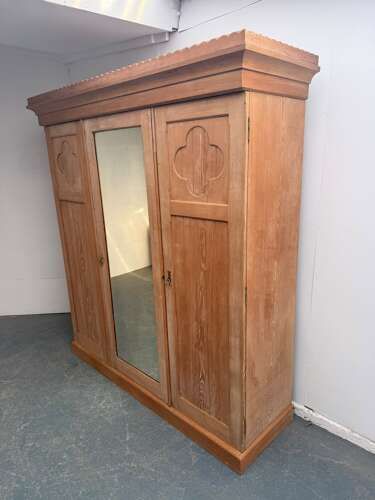
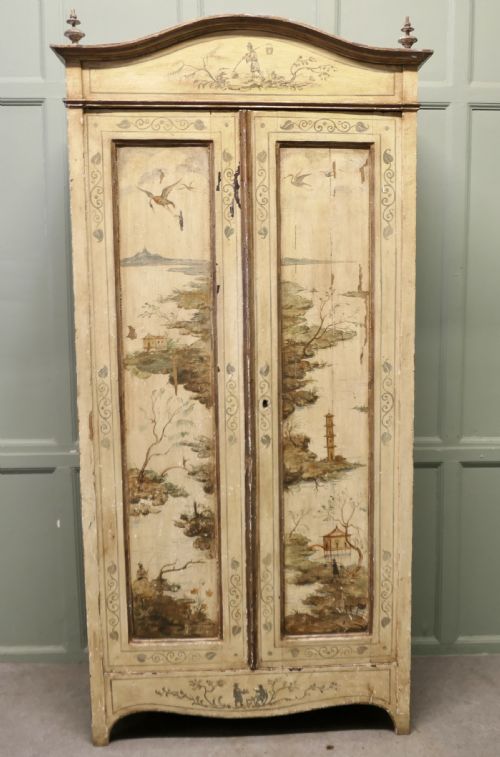
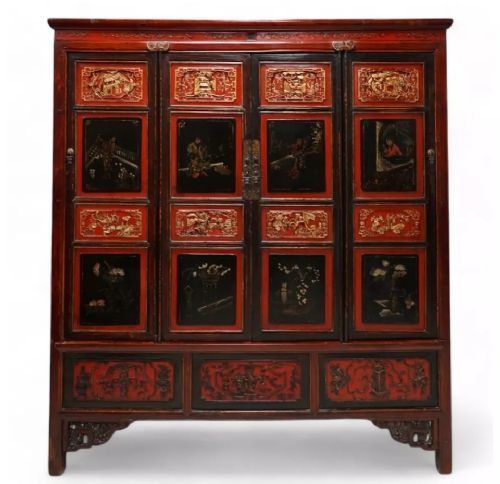
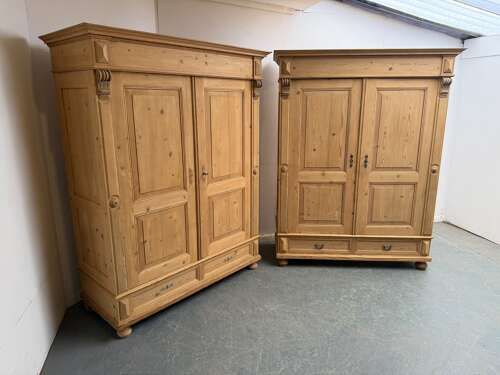
A painted wood wardrobe encompasses a diverse group of large storage furniture, from Georgian and Victorian pine knockdown pieces to Chinoiserie lacquer cabinets and Scandinavian country cupboards.
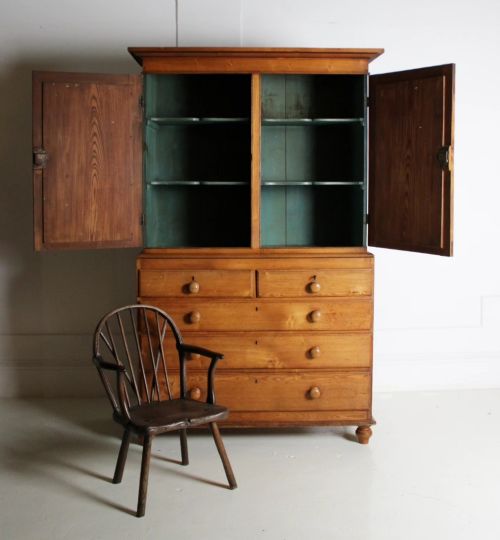
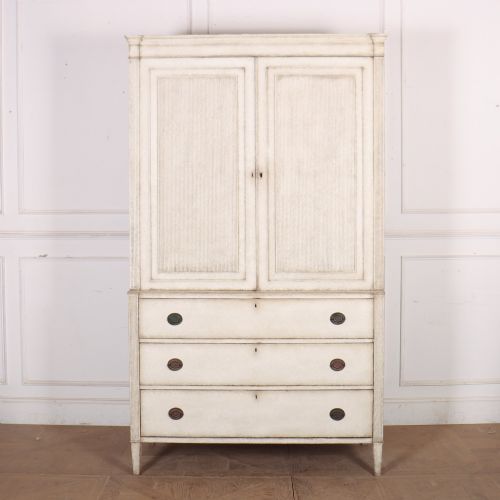
Buyers searching for a painted wood wardrobe encounter various forms, including two-door cupboards, compactum wardrobes, linen presses, and marriage cabinets dating from the eighteenth century through to the nineteen-thirties.
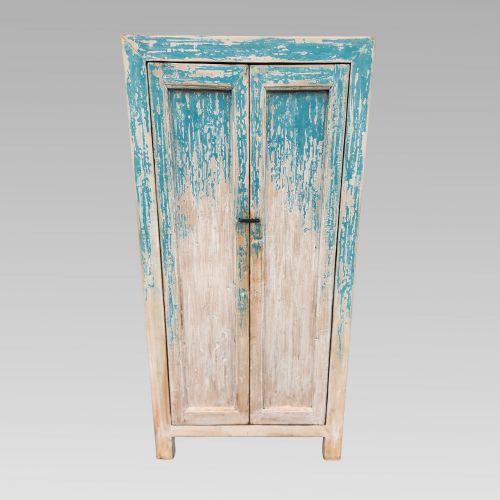
The selection ranges from British country pine and ash furniture to international examples finished with polychrome paint, lacquer, or rustic Indian teak and cedar.
Materials and construction methods
Construction relies heavily on timber carcasses built from pine, ash, elm, teak, and satinwood, frequently enhanced with iron and brass hardware such as hinges and locks.
Surfaces receive decorative treatments including painted finishes, lacquer, and polychrome details, alongside glass panels and inlaid sections found on specific regional and period variants.
Painted Wood Wardrobe Retail Price Guide 2026
Typical asking prices for painted wood wardrobe among the pieces listed under this phrase on Sellingantiques today, from the lower quarter to the upper quarter. They describe what is for sale here now, not the wider market.
Listings feature pine, ash, and teak timbers finished with paint, lacquer, and brass hardware across Victorian, Georgian, and twentieth-century periods.
Distinguishing quality across examples
Quality separates through the integrity of the timber frame, the original condition of the painted or lacquered surface, and the subtlety of decorative details like outdoor scenes or carved elements.
The sophistication of the form, whether a simple rustic cupboard or a refined satinwood piece with panel decoration, determines the standing of the individual item within the range.
Maple and Co·Harrods
The Painted Wood Wardrobe Glossary
- Compactum
- A multi-section wardrobe combining hanging space, drawers, and shelves within a single unit. This design provides versatile storage for various garments.
- Knockdown
- Furniture constructed to be easily dismantled into separate panels and sections for transport. This method proved particularly useful for large bedroom pieces.
- Linen Press
- A tall cupboard traditionally used for storing folded textiles and bedding, often featuring sliding trays or shelves behind doors above a chest base.
- Chinoiserie
- A decorative style employing European interpretations of Chinese artistic motifs and lacquer techniques. It frequently appears on cabinets and cupboards with outdoor scenes.
- Polychrome
- Painted in several distinct colours on the surface of the wood. This technique decorates panels and doors on continental and country furniture.
Painted Wood Wardrobe: Frequently Asked Questions
How do I identify a linen press?
A linen press functions as a tall storage piece designed specifically for folded garments, household linen, and blankets. The upper section typically conceals internal sliding trays or shelves behind cabinet doors.
Many period examples pair these upper doors with a chest of drawers forming the lower base. They offer a distinct alternative to standard hanging wardrobes.
What materials are used in these pieces?
Pine and ash form the primary timber carcass for most country and domestic examples, complemented by harder woods like elm, teak, and satinwood in specific regional styles. Iron and brass provide structural and decorative hardware.
Surfaces receive paint, lacquer, or polychrome decoration, occasionally incorporating glass panels. These finishes protect the underlying wood while defining the visual character of the cabinet.
How do I date a painted wardrobe?
Dating relies on examining the construction joints, timber preparation, and the characteristics of the painted finish or lacquer work. Eighteenth-century and Georgian pieces display different moulding profiles and hardware compared to Victorian or nineteen-thirties items.
Regional variations also provide clues, as Scandinavian, Italian, and British workshops employed distinct construction traits and decorative palettes during their respective periods.