


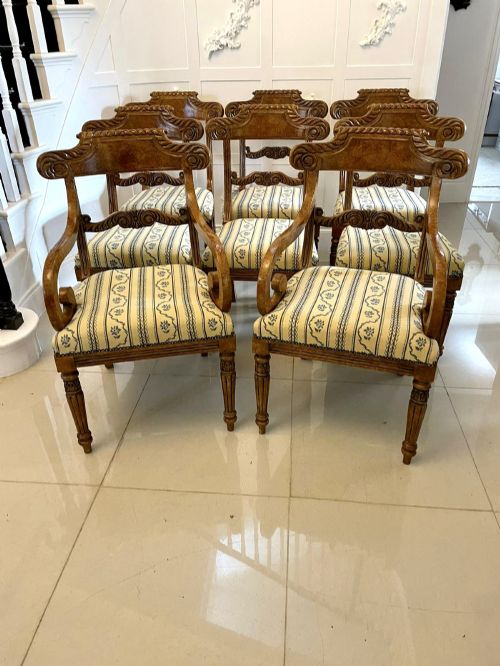
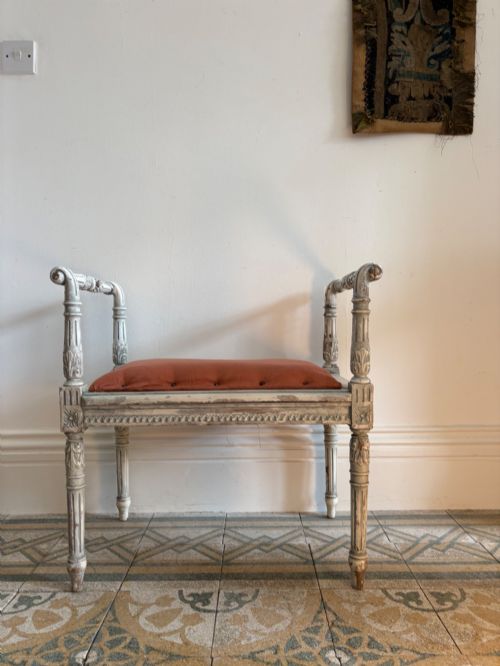
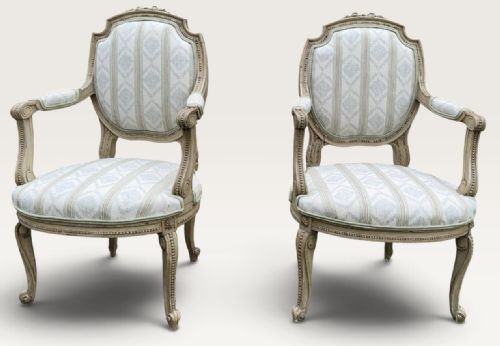
Painted Wood Seat
These painted wood seat examples bring surface colour and period form together, offering practical places to sit that double as decorative focal points.
Painted Wood Seat
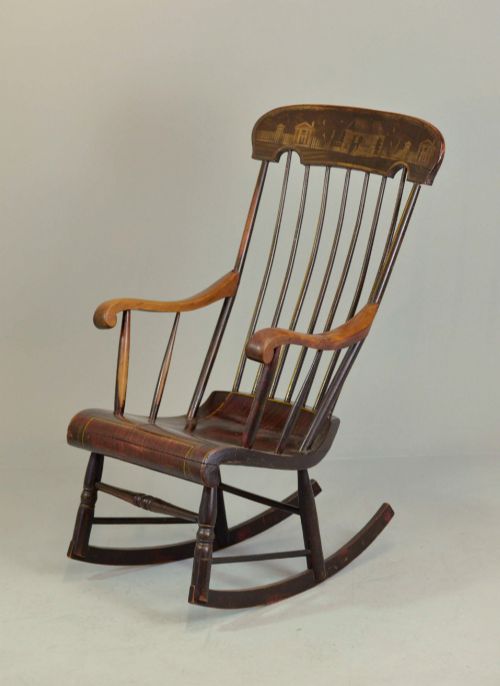
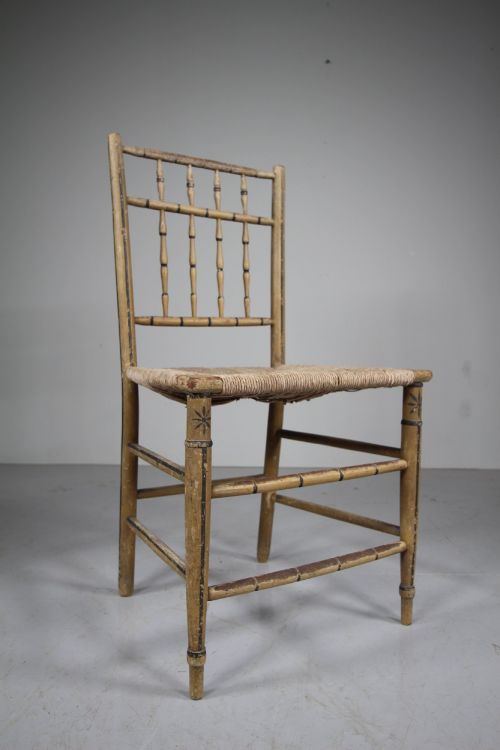
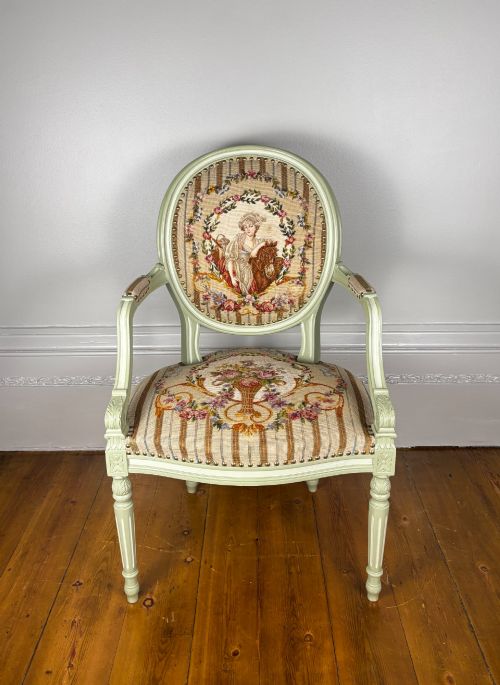
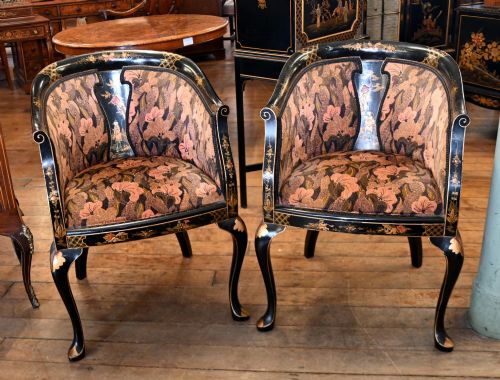
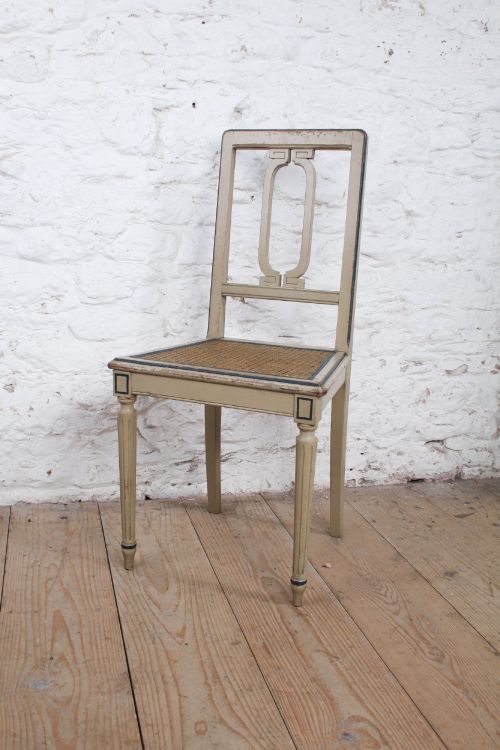
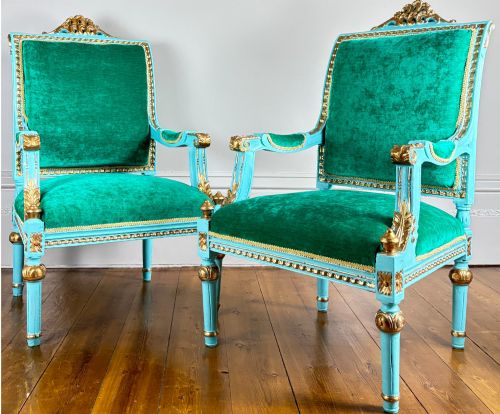
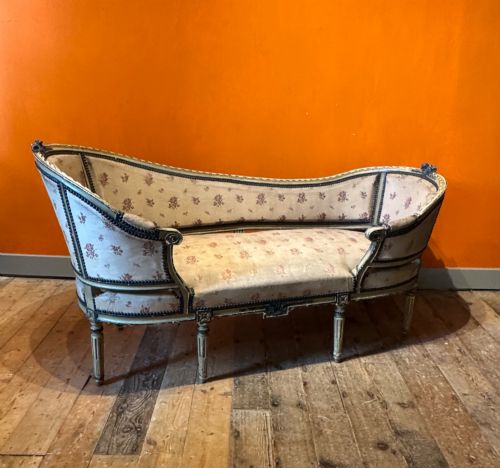
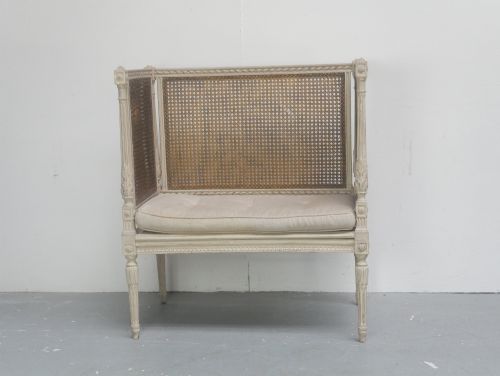
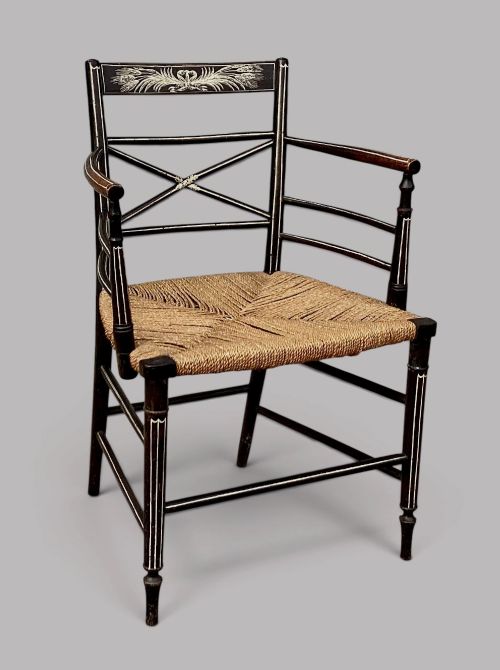
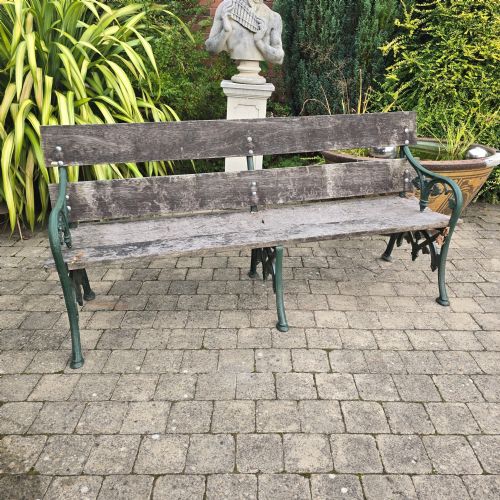
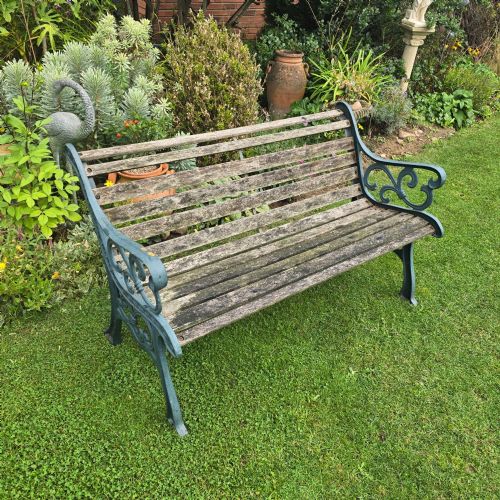
A painted wood seat encompasses a diverse group of furniture forms, ranging from single dining chairs and armchairs to window seats, benches, and stools. When searching for a painted wood seat, you encounter items originating from eighteenth-century workshops up through twentieth-century interpretations.
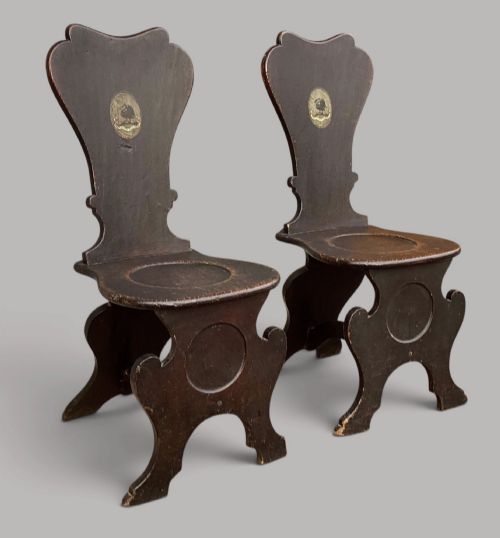
The selections span distinct regional traditions, with French, Swedish Gustavian, and English pieces forming the primary categories. Forms include imposing hall chairs with armorial painted backs, low milking stools, and expansive window seats designed for specific domestic spaces.
Makers utilised various silhouettes influenced by historical periods such as Louis XVI, Regency, and neoclassical styles. Many retain their original surface treatments, displaying layers of historical pigment or later decorative schemes applied to timber foundations.
Materials and construction methods
Carpenters typically constructed these frames using solid hardwoods like oak, beech, and mahogany, alongside softer timbers such as pine and satinwood for specific decorative applications. Artisans shaped these foundations through traditional joinery techniques, employing mortise and tenon joints to ensure structural stability.
Surface preparation involved applying chalk or gesso priming layers to the wood before brushing or spraying oil-based paints. Workshops frequently enhanced these decorated finishes with gold leaf accents, parcel gilding, or hand-painted motifs such as faux bird's-eye maple patterns.
Upholstered variants integrated secondary materials including cane, silk, tapestry, and needlepoint panels secured over webbing and horsehair stuffing. Footstools and armchairs utilised X-frame curule constructions or carved cabriole legs to support the weight distribution of the seated user.
Painted Wood Seat Retail Price Guide 2026
Typical asking prices for painted wood seat among the pieces listed under this phrase on Sellingantiques today, from the lower quarter to the upper quarter. They describe what is for sale here now, not the wider market.
Materials recorded across current inventory include beech, oak, satinwood, cast iron, silk, cane, and gold leaf.
Evaluating craftsmanship and condition
The distinction between standard examples and superior specimens rests upon the integrity of the original timber frame and the survival of untouched decorative surfaces. Pieces retaining genuine historical paint layers command greater interest than those subjected to repeated modern overpainting.
Refined carving on the wooden frames, particularly crisp execution on armorial backs and neoclassical motifs, separates utilitarian items from bespoke commission work. The structural proportion and neatness of scale also dictate how successfully the piece integrates into a room.
The preservation of associated textiles, whether original silk, tapestry panels, or period needlework, influences the overall integrity of the piece. Skilled joinery that remains firm without excessive timber replacement indicates superior initial manufacture.
Miles & Edwards·Henri Jacob·Heals·Allan Douglas Davidson
The Painted Wood Seat Glossary
- Armorial
- Bearing a coat of arms or heraldic insignia. These painted or carved motifs often appeared on eighteenth-century hall chairs to denote family lineage.
- Gustavian
- The Swedish neoclassical style spanning the late eighteenth and early nineteenth centuries. It is characterised by restrained carved details and pale painted finishes.
- Curule
- A form of X-shaped chair or stool derived from ancient Roman magistrate seats. This structural frame provides folding or fixed cross-support.
- Parcel Gilt
- Partially gilded with gold leaf over a painted or polished wood surface. This technique highlights specific carved details on neoclassical frames.
- Scabello
- A type of Renaissance-origin chair featuring solid board legs rather than four distinct posts. These rigid wooden seats often served hallway functions.
Painted Wood Seat: Frequently Asked Questions
How do I clean a painted wood seat?
Maintain the surface by dusting gently with a dry, soft microfiber cloth to prevent dirt accumulation. Avoid harsh chemical cleaners or excess moisture, which can damage historic paint layers.
For stubborn marks, consult a professional conservator rather than attempting aggressive scrubbing. Preserving the integrity of the original finish requires a delicate touch.
Where should I place a window seat?
Position these long seats beneath low architectural windows to create an inviting reading nook or relaxation spot. Their shallow depth allows them to fit narrow transitional hallways or bedroom perimeters.
Ensure the textiles are protected from direct, prolonged sunlight to prevent fading. Pairing them with complementary side chairs completes a coherent seating arrangement.
Can I use these chairs for daily dining?
Sturdy dining chairs and side chairs with solid wood frames function well for regular daily seating. Check the structural joints and frame stability before subjecting antique timber to heavy everyday use.
Delicate painted surfaces may require extra care to avoid scuffs from belt buckles or buttons. Upholstered variants benefit from protective fabric treatments if placed around active dining tables.
What defines Gustavian painted furniture?
Gustavian design draws inspiration from French neoclassical tastes translated through a distinctly Scandinavian lens. The aesthetic prioritises pale grey, cream, or white painted finishes alongside simplified fluted columns.
These pieces emphasise functional elegance and balanced proportions over ornate carving. They integrate seamlessly into contemporary interiors due to their neutral palette and clean lines.