
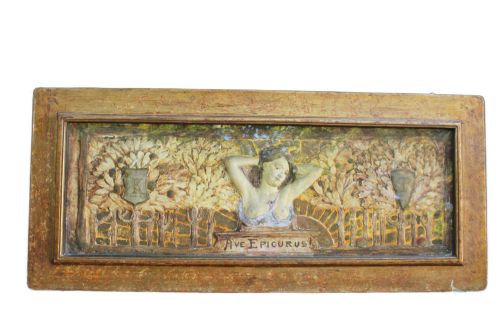
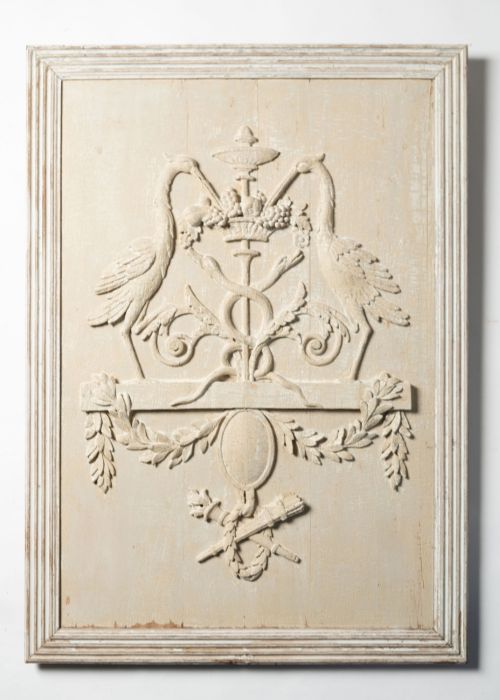
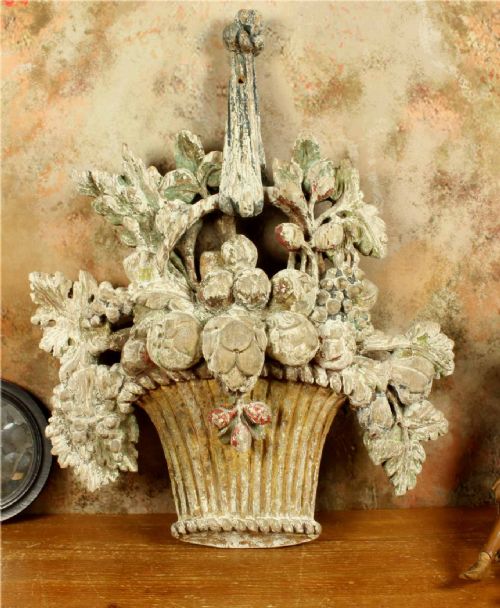
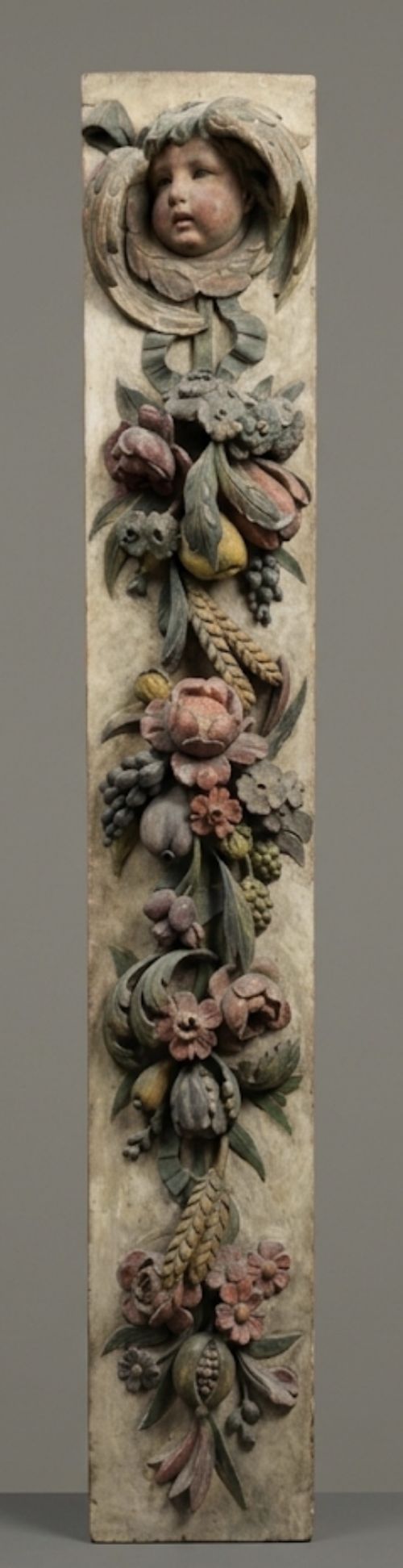




Painted Wood Relief Panel
A painted wood relief panel brings tactile depth and historic colour to an interior through layered carving and pigment.
Painted Wood Relief Panel
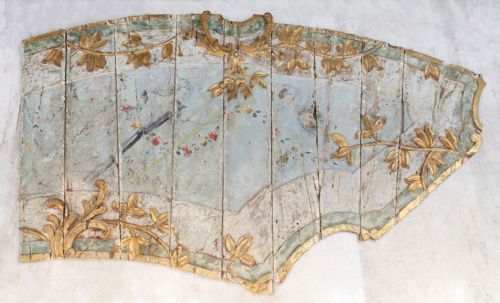
A painted wood relief panel combines carved timber with pigment, gesso, or gold leaf to form decorative wall art, architectural fragments, and over-door pieces. You encounter wall panels and wall plaques spanning from the sixteenth century to the mid-twentieth century.
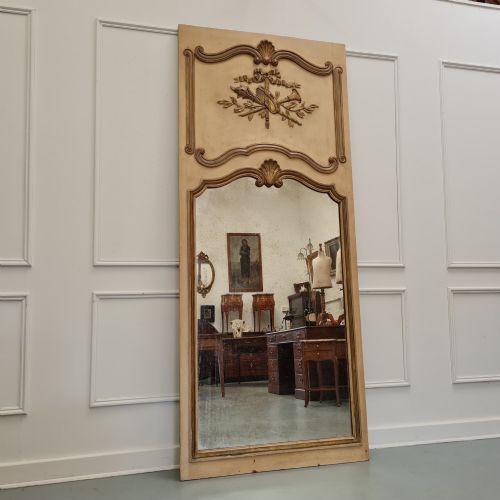
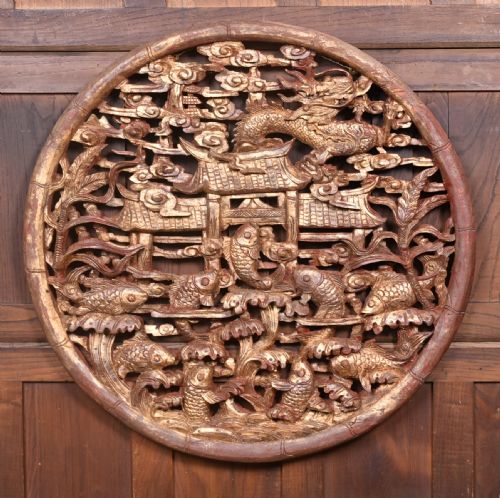
French examples often manifest as boiserie wall panels and trumeau mirrors, whereas Italian and Dutch works present figurative carvings and architectural elements. Asian pieces also appear as lacquered wooden plaques alongside European folk art and Arts and Crafts creations.
The common thread across these objects is the projection of carved form from a flat wooden background, embellished with polychrome paint. Most pieces originate from domestic interiors, religious spaces, or transport fragments such as Sicilian carts.
Judging the work
Quality rests in the precision of the hand carving and the harmony of the remaining polychrome paint or gilding. Crisp undercut details in the woodwork separate skilled sculptural output from simpler folk execution.
The integrity of the original surface finish dictates desirability, particularly where layers of historic paint and gesso survive intact. Age-related weathering on architectural fragments adds character when the underlying structure remains sound.
Among the historical panels sits an amusing twentieth-century Dutch brassband jigsaw woodwork relief painting.
The Painted Wood Relief Panel Glossary
- Boiserie
- French decorative wood panelling for interior walls. This term describes carved sections designed to fit specific domestic room proportions.
- Gesso
- A plaster mixture applied to wood surfaces as a smooth base for paint or gold leaf. It allows fine details to be modelled before pigment is added.
- Polychrome
- Painted in several colours. This describes the multi-coloured decorative schemes found on historic wood carvings.
- Trumeau
- A decorative wall mirror or panel placed between windows or above a fireplace. It frequently incorporates oil paintings or carved wood reliefs.
- Putto
- A figure of a small chubby male child, often winged, used in classical and baroque art. These carved figures frequently appear on Italian and French panels.
Painted Wood Relief Panel: Frequently Asked Questions
How do I hang a heavy relief panel?
Heavy panels require secure wall anchor fixings matched to the weight of the timber and gesso construction. Mount the piece using a suitable French cleat or direct screw fixings into wall studs.
Avoid hanging panels in rooms with high humidity or direct sunlight to protect the aged wood and sensitive polychrome paint layers.
Are these panels from old buildings?
Many examples originate as architectural salvage, including over-doors, boiserie sections, and cart fragments removed from historic properties. Others were created specifically as independent wall art, plaques, or decorative mirrors.
Examining the reverse of the panel often reveals joint methods and tool marks that indicate its original structural context.
How do I date a carved wooden panel?
Dating relies on the style of the carving, the species of timber, and the composition of the paint or gesso layers. Eighteenth-century pieces frequently show Baroque or Rococo asymmetry, while nineteenth-century works display revival motifs.
Tool marks left by hand chisels versus mechanical saws also help establish the manufacturing period of the wood.