


18th Century Wall Plaque
An 18th century wall plaque brings historical narrative and intricate hand-carved detail into a room, offering tactile depth that flat modern canvases simply lack.
18th Century Wall Plaque
An 18th century wall plaque encompasses a diverse array of sculptural and decorative works intended for interior display, ranging from devotional ceramic icons to secular carved wooden panels. Buyers seeking these pieces encounter items that function simultaneously as historical artefacts and focal points of interior design.
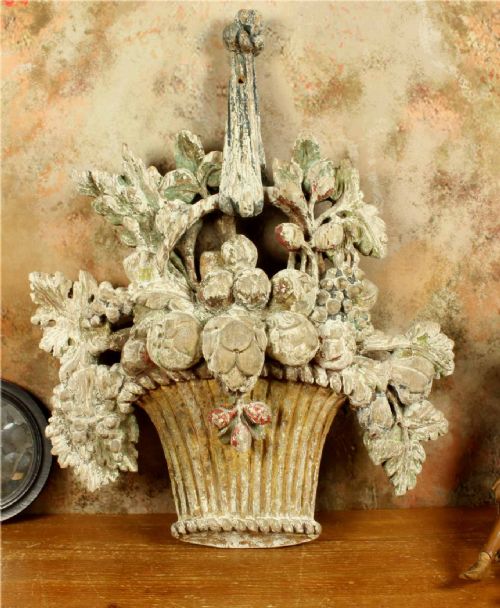
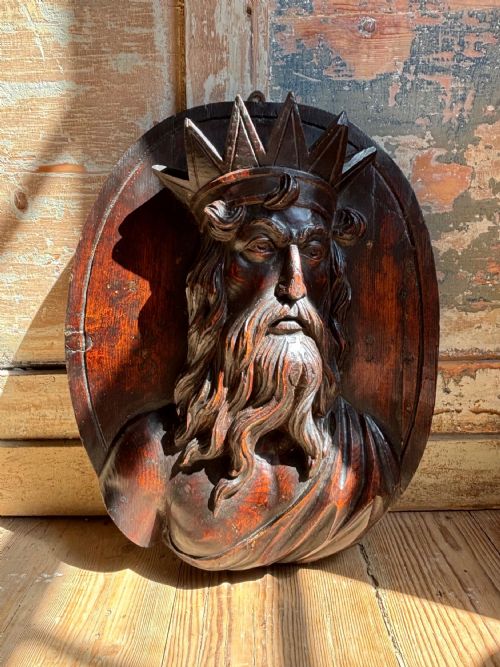
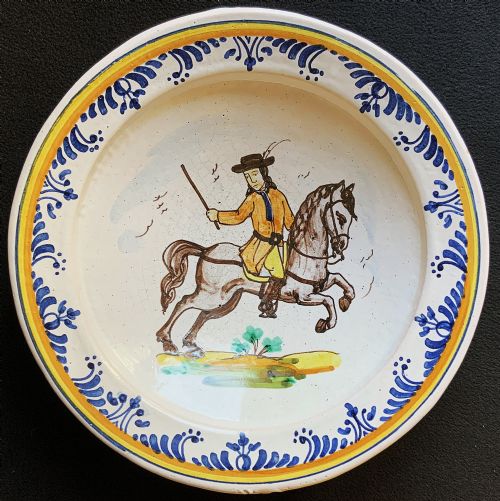
The selections span distinct cultural origins and stylistic traditions, including Dutch Delft polychrome chargers, French carved oak panels depicting classical scenes, and Limoges enamel works. Many examples utilise religious iconography, such as depictions of the Madonna with Child or the Last Supper, alongside secular motifs like floral baskets and classical portraits.
Most items originate from the 1700s, with specific pieces reaching back to the early years of the century or extending into the transition toward the 19th century. Forms vary from oval enamel plaques and snuff box lids to large carved wooden reliefs and architectural fragments.
Materials and Construction Techniques
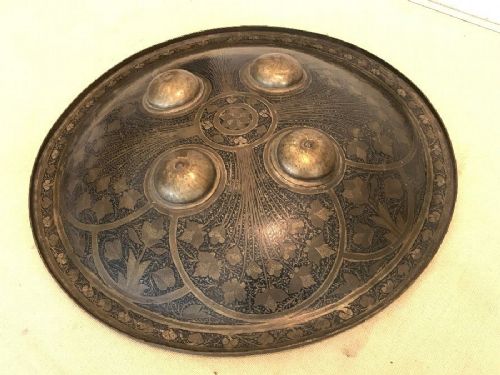
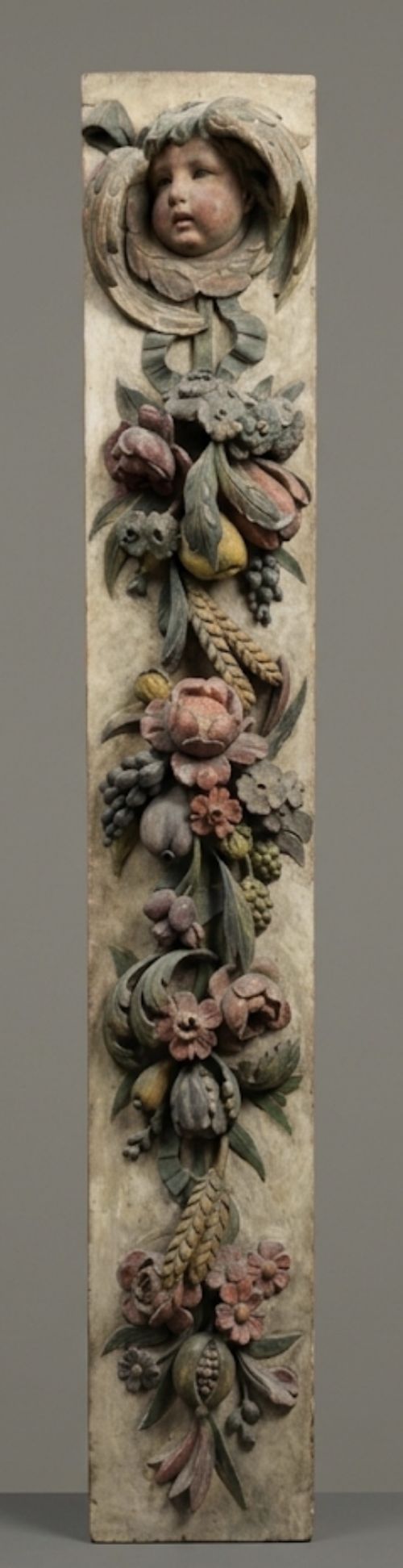
Makers utilised a variety of organic and inorganic materials, predominantly carved wood such as oak and timber, alongside metals like brass, copper, bronze, and lead. Wooden pieces frequently exhibit polychrome paint or detailed relief carving, while metal items employ embossing and casting techniques.
Ceramic and glass components appear through earthenware, Delft faience, porcelain, and Limoges enamel. Artisans applied tempera on wood, silver, and gilt for icons, while other works rely on marble bas-relief and plaster casts to achieve sculptural definition.
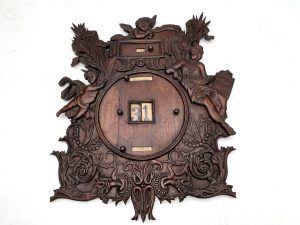
A rogue chicken thief immortalised in carved oak rubs shoulders with solemn Roman emperors.
Assessing Craftsmanship and Execution
Preservation of original surfaces, including early polychrome paint, gilding, and lead patination, dictates the integrity of the object. Pieces that retain their original unblemished glazes or untouched timber grain present a truer historical record than heavily restored equivalents.
Gian Federigo Bonzagna·Volga Masters Circle·South Staffordshire
The 18th Century Wall Plaque Glossary
- Polychrome
- Decorated in multiple colours. This technique appears frequently on carved wooden panels and ceramic plates from the period.
- Delft Faience
- Tin-glazed earthenware produced in Dutch and European workshops. It provides a smooth white ground for intricate hand-painted blue or polychrome designs.
- Bas-relief
- Sculptural relief in which the figures project only slightly from the background plane. Italian Grand Tour cameos and marble profiles utilise this method.
- Alms Dish
- A large metal dish, often embossed with religious or decorative scenes, designed for collection or display. Brass examples from the eighteenth century frequently decorate walls.
- Enamel
- Vitrified glass fused to a metal substrate through firing. Limoges and South Staffordshire makers excelled in creating miniature painted scenes using this medium.
18th Century Wall Plaque: Frequently Asked Questions
How were these wall plaques originally displayed?
Many of these items served as devotional panels in domestic or ecclesiastical settings, mounted directly onto walls to inspire contemplation. Others functioned as architectural ornaments, armorial crests, or decorative plates displayed on chargers.
Secular plaques, including carved wooden floral reliefs and classical scenes, adorned the panelled rooms of Georgian and continental interiors. Their primary purpose was to project taste, status, and narrative depth within the home.
Can these heavy wooden and metal plaques hang safely?
Hanging depends on the specific weight and substrate of the piece, whether carved oak, cast bronze, or heavy earthenware. Solid timber panels and metal alms dishes require secure wall anchors suited to their substantial mass.
Professional framing or custom brass mounts often provide safe suspension without damaging the historical material. Consulting a specialist ensures the hanging method respects the structural integrity of the artefact.
How do I identify the period of a carved panel?
Dating relies on stylistic markers, tool marks, and the ageing of the material, such as the dry shrinkage of oak or the oxidation of bronze. Eighteenth-century carving frequently exhibits hand-chiselled tool paths distinct from later machine-made replicas.
Cross-referencing the costume, lettering styles, and decorative motifs like Baroque scrollwork or Neoclassical symmetry helps narrow the date of manufacture. Comparing the piece to documented examples from known regional workshops confirms the era.
What is the difference between earthenware and enamel plaques?
Earthenware plaques, such as Delft faience and ceramic devotional pieces, consist of fired clay covered in an opaque tin glaze. They offer a matte or glossy ceramic surface painted with mineral pigments.
Enamel plaques fuse powdered glass onto a copper or metal base at high temperatures, resulting in a luminous, vitreous finish. Enamel works often feature miniature detail and brilliant colour retention compared to ceramics.