

Painted Trumeau Wall Mirror
A painted trumeau wall mirror combines architectural panelling with integrated artwork, bringing vertical presence and reflected light to a room.
Painted Trumeau Wall Mirror
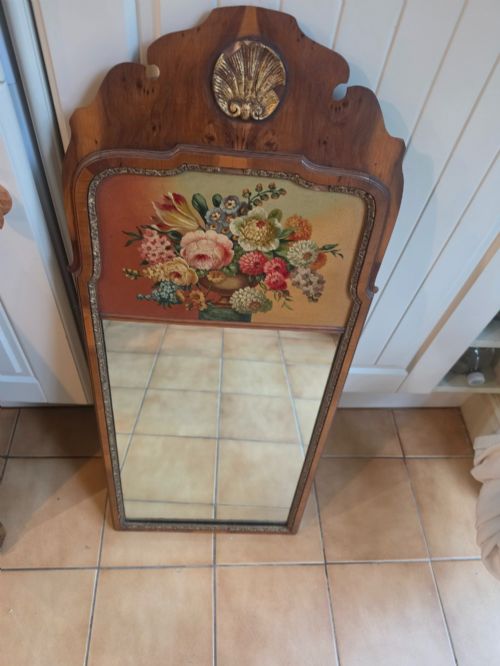
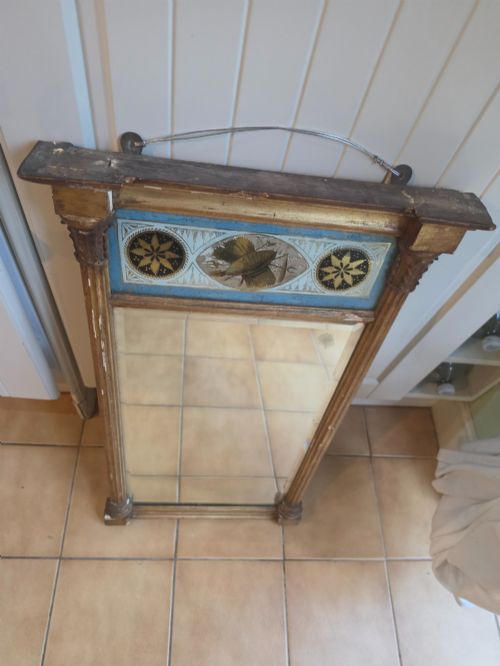
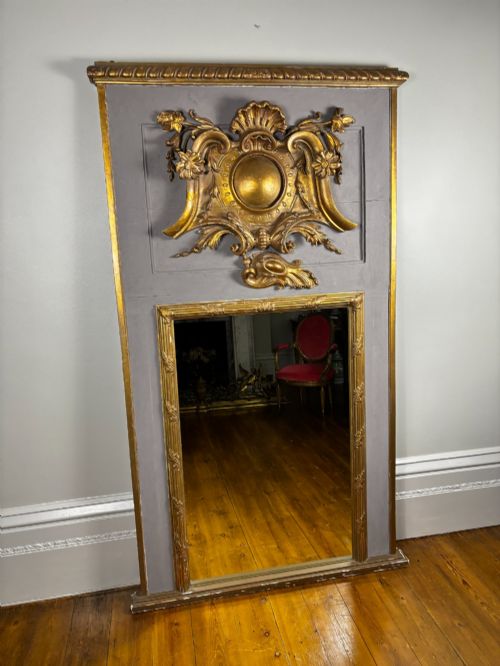
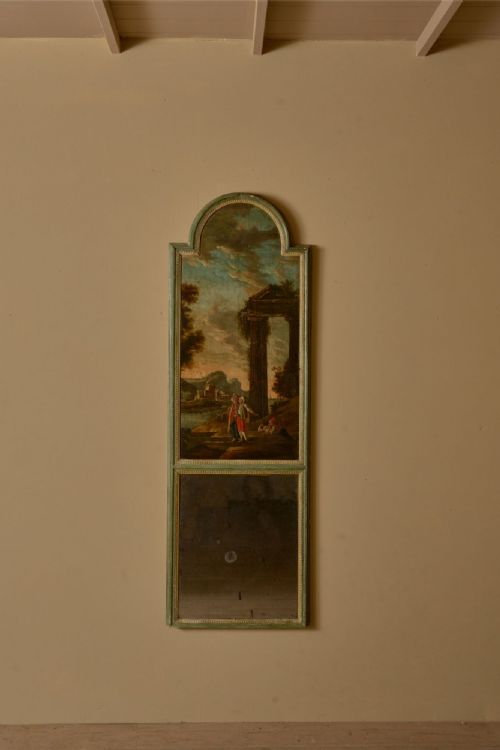
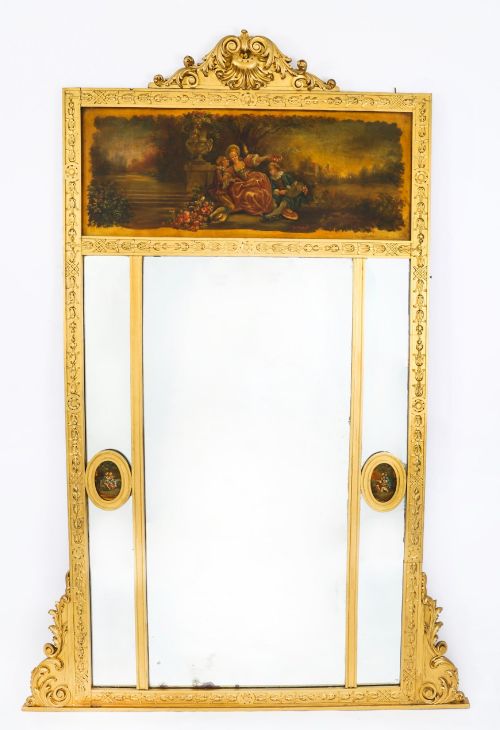
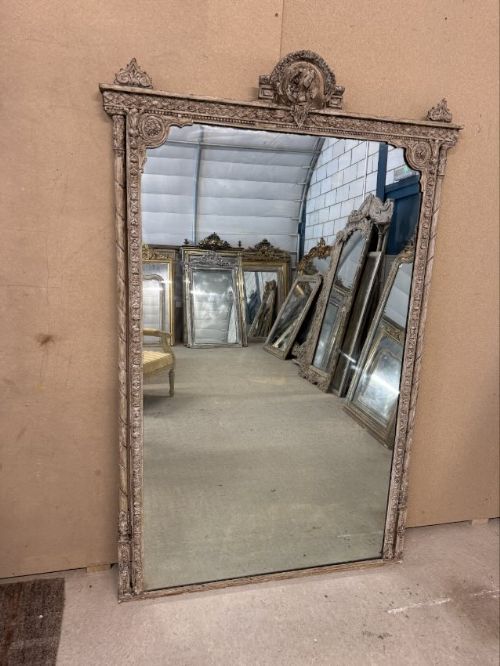
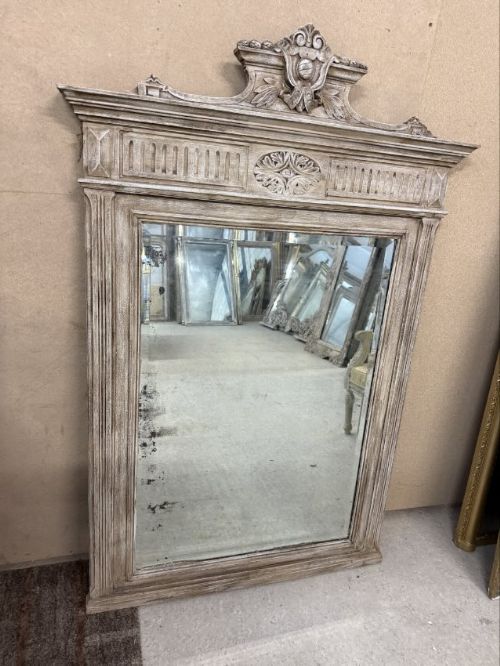
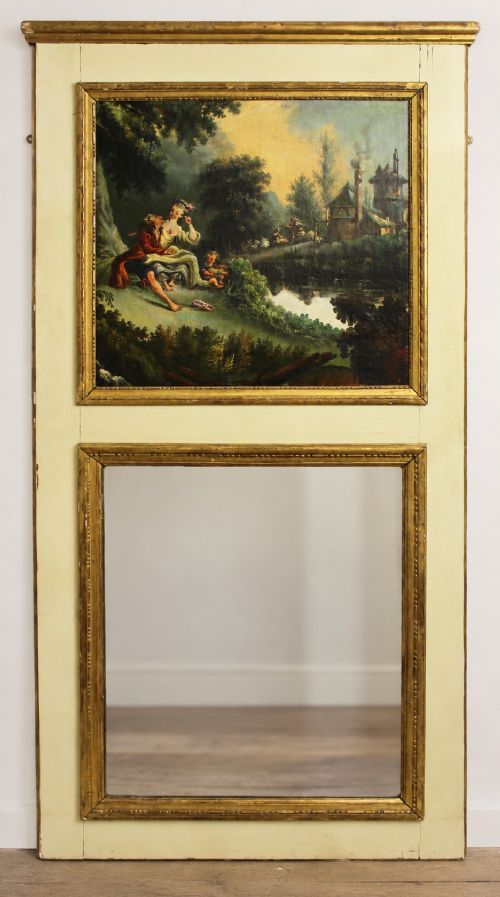
A painted trumeau wall mirror combines a mirror plate with an integrated decorative panel, usually set above the glass. These architectural pieces originated in French interiors, designed to fit flush into wall panelling between windows or above fireplaces.
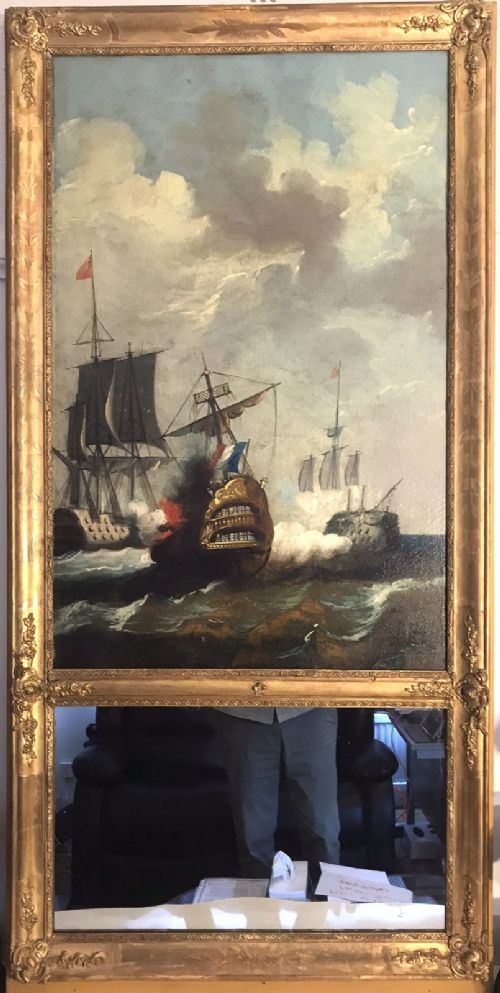
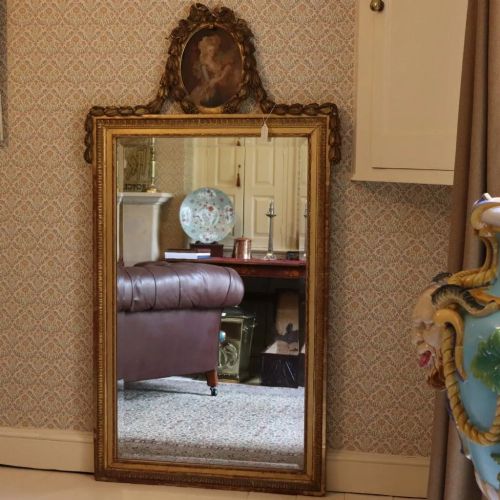
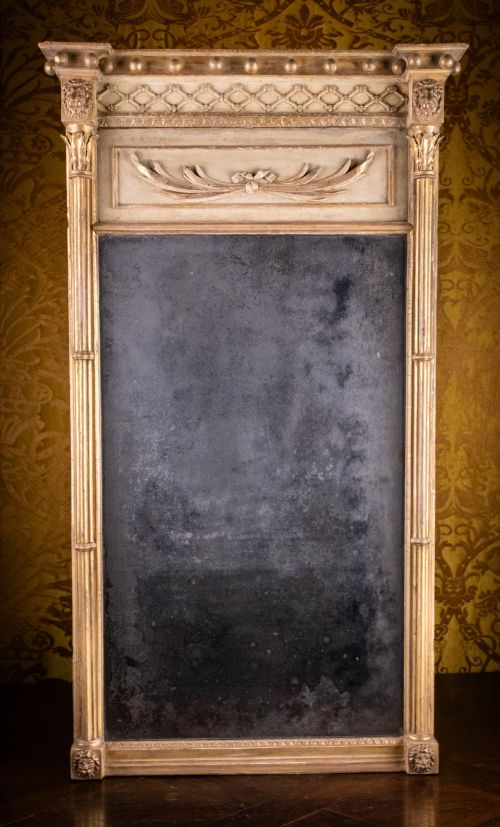
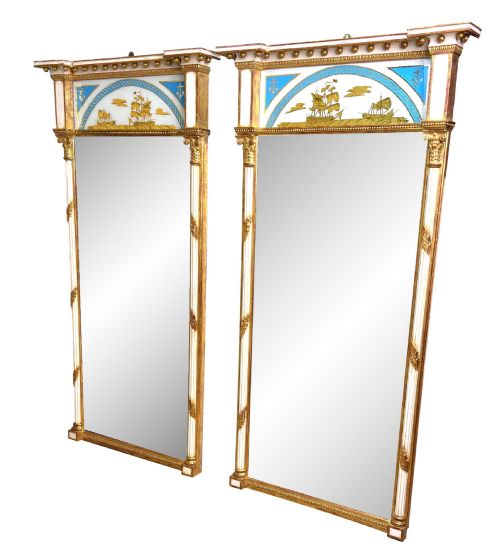
The painted trumeau wall mirror versions seen here span the eighteenth, nineteenth, and early twentieth centuries, drawing on Regency, Louis XVI, and French Provincial styles. Many incorporate oil paintings of pastoral scenes, seascapes with galleons, or portraits into the upper wooden section.
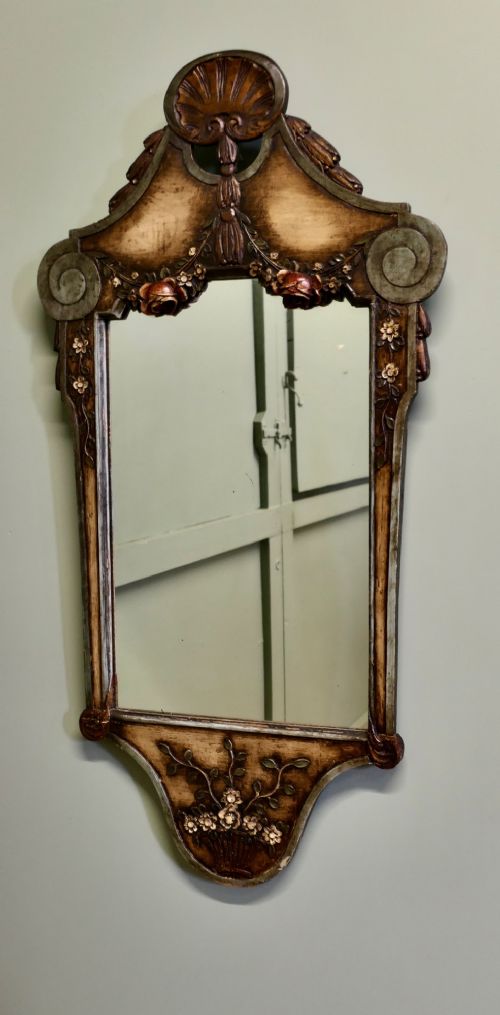
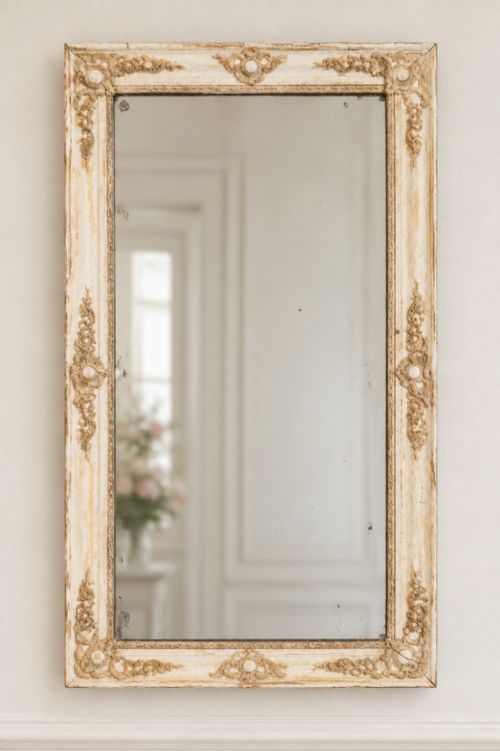
Formats range from tall pier glasses designed for narrow wall spaces to grand overmantels intended for chimney breasts. Carved wooden frames, gesso enrichments, and painted finishes define the predominant forms in this collection.
How They Were Made
Wood serves as the primary structural material, utilising pine, walnut, and carved timber assemblies finished with paint or giltwood highlights. Gesso and composition mouldings provide the crisp relief work seen on frames and crestings, bonded to the wooden carcass before gilding with gold leaf or applying oil paint.
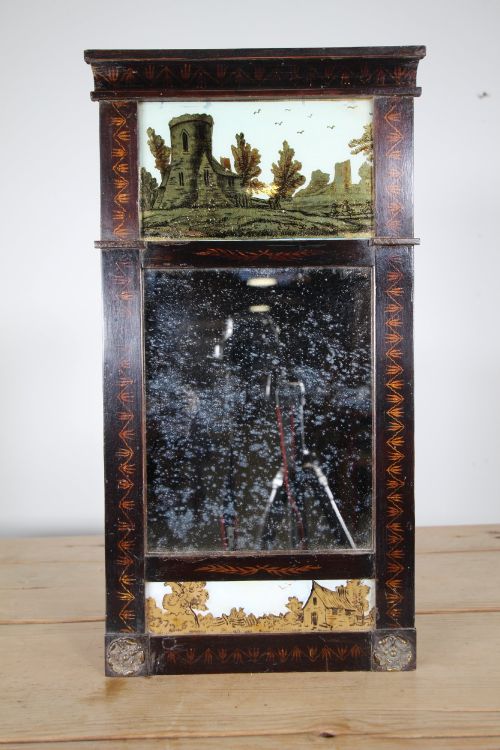
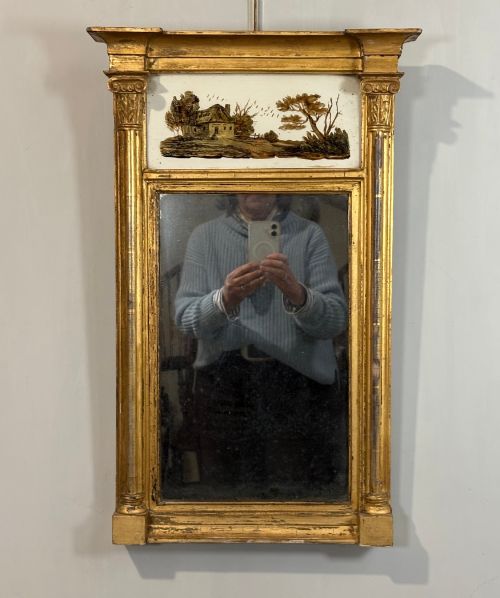
The upper panels feature oil paint on canvas or wood, depicting subjects such as Marie Antoinette, equestrian scenes, or maritime battles. Mirror plates consist of traditional mercury glass or early silvered glass, secured within rebated frames alongside verre églomisé panels where appropriate.
Painted Trumeau Wall Mirror Retail Price Guide 2026
Typical asking prices for painted trumeau wall mirror among the pieces listed under this phrase on Sellingantiques today, from the lower quarter to the upper quarter. They describe what is for sale here now, not the wider market.
Materials recorded across the inventory include oil paint, gesso, giltwood, walnut, pine, and traditional glass plates.
What Varies in Quality
The distinction between tiers rests on the execution of the integrated oil painting and the crispness of the carved wood and gesso ornamentation. Master hand-carving and finely detailed pastoral or marine canvases elevate an example above mass-produced or later decorative interpretations.
Originality of components dictates value, particularly whether the mirror plate, painted panel, and gilded frame remain together from their period of origin. Retained maker labels, original mercury glass plates, and untouched painted surfaces demonstrate superior preservation.
The Painted Trumeau Wall Mirror Glossary
- Trumeau
- An architectural wall mirror featuring an upper panel decorated with a painting or carving above the glass plate. These elements were originally designed to occupy the plaster space between windows.
- Verre églomisé
- A process of applying gold or silver leaf to glass and engraving or painting designs on the reverse side. This technique appears frequently in Regency pier mirrors.
- Pier glass
- A tall mirror designed specifically for placement on the narrow pier of wall space between two windows. They often match console tables positioned directly below.
- Gesso
- A plaster mixture applied to wood frames to create a smooth surface for subsequent gilding or painting. Deep relief details are often modelled directly in this material.
- Overmantel
- A large mirror or panel designed to hang specifically above a fireplace mantelpiece. They frequently adopt grand horizontal or vertical proportions to suit chimney breasts.
Painted Trumeau Wall Mirror: Frequently Asked Questions
Where should I hang a trumeau mirror?
These pieces suit positions above fireplace mantelpieces or mounted on prominent drawing room walls where their vertical height can anchor the room.
They also function effectively between windows as traditional pier mirrors, reflecting natural light across the interior space.
Are the oil paintings original?
Many examples retain their original eighteenth or nineteenth-century oil paintings on canvas or wood panels, depicting pastoral scenes or maritime subjects.
Closer inspection of the craquelure, pigment oxidation, and panel construction helps determine whether the artwork belongs to the original manufacture of the frame.
How do I identify a Regency trumeau?
Regency examples frequently incorporate classical motifs such as lion masks, gilded wood frames, and verre églomisé panels above the mirror glass.
Proportions tend to be architectural and restrained, reflecting early nineteenth-century British and French neoclassical tastes.
What is mercury glass?
Older mirrors often utilise a manufacturing technique involving a tin and mercury amalgam poured behind the glass plate.
This creates a characteristic mottled, slightly cloudy reflection with dark speckles that distinguishes antique plates from modern silvered glass.