





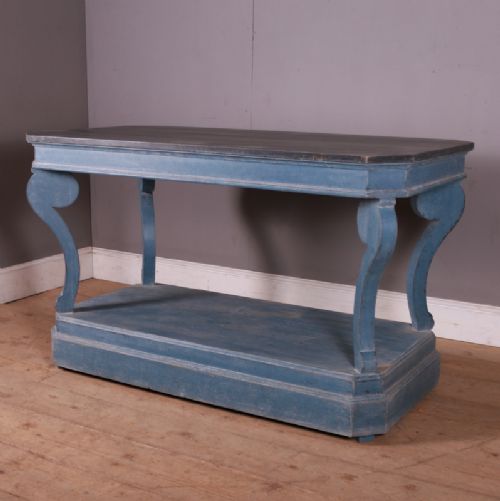

Painted Sofa Side Table
A painted sofa side table brings a neat surface and colour to a room, drawing on Victorian and Edwardian forms shaped for the home.
Painted Sofa Side Table
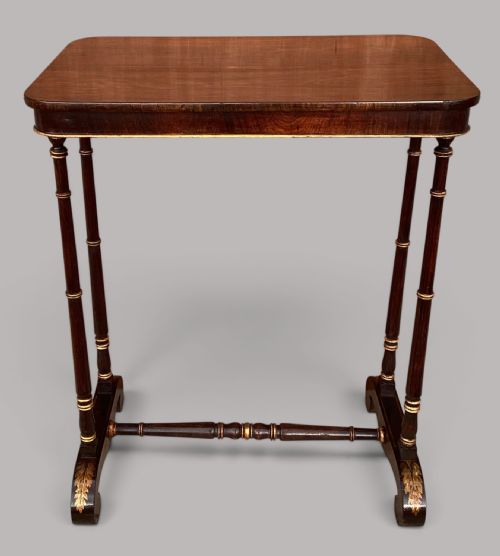
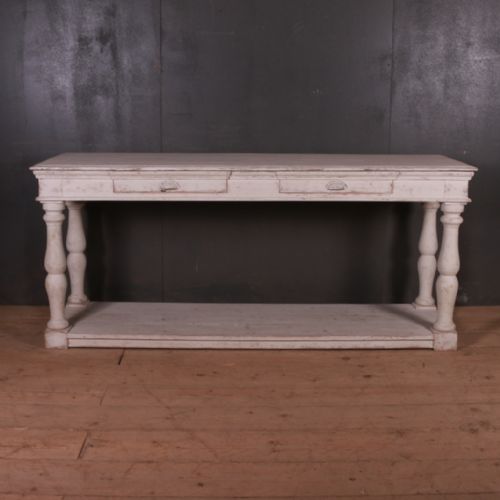
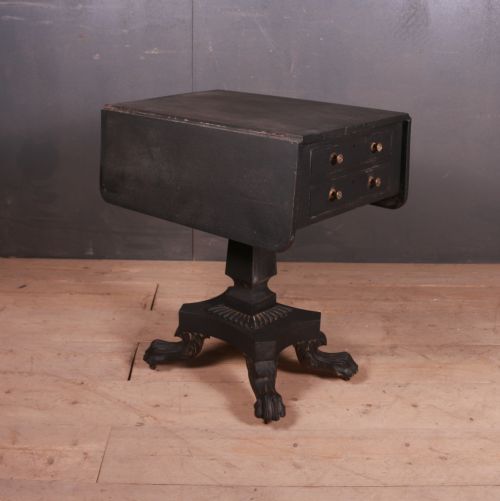
A painted sofa side table combines occasional tables, console tables, and drop-leaf forms that fit beside seating or against a wall. These pieces emerge across the Victorian and Edwardian eras, alongside items dating from the nineteenth century up to the nineteen-twenties.
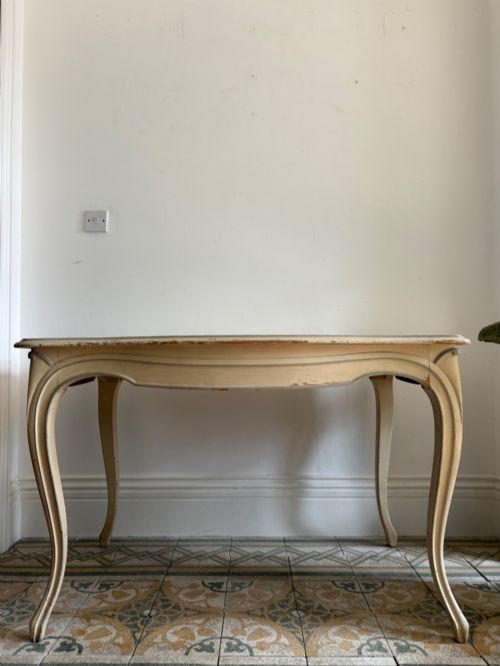
The version most commonly met on this page is the painted pine or beech occasional or console table, often finished in cream, grey, or green paint. Alongside these are French provincial and country styles, featuring cabriole legs, marble inserts, and occasional Chinoiserie decoration.
Buyers look for these compact tables to fill narrow hallways, drawing rooms, and bedrooms where surface space is needed without heavy proportions. The variety spans simple rustic pine timbers through to more decorative French Rococo and Regency revival designs.
Materials and construction
Construction relies primarily on timber bases such as pine, oak, beech, and assorted woods, shaped into console, centre, and drop-leaf tables. Iron and brass components appear on select frames, while marble tops and inset suede surfaces provide durable working areas on formal console designs.
Surfaces are finished in paint, ranging from distressed rustic coatings to cream, grey, and green layers, sometimes complemented by gilt highlights. Joinery techniques support practical domestic use, with drop leaves and slender cabriole legs engineered to balance compact footprints.
Painted Sofa Side Table Retail Price Guide 2026
Typical asking prices for painted sofa side table among the pieces listed under this phrase on Sellingantiques today, from the lower quarter to the upper quarter. They describe what is for sale here now, not the wider market.
Listings feature pieces spanning the nineteenth century, the Victorian era, the Edwardian period, and the nineteen-twenties.
Distinctions in quality
Quality rests on the integrity of the timber frame and the execution of the painted finish rather than mere age. Tables with balanced proportions, tight joinery, and harmonious layers of paint stand apart from utilitarian pieces.
The refinement of decorative details, such as carved wood elements, polished marble inserts, and intact brass fittings, separates standard domestic furniture from finer decorative examples.
The Painted Sofa Side Table Glossary
- Console table
- A table designed to stand against a wall, frequently secured or supported by brackets or slender legs.
- Cabriole leg
- A furniture leg that curves out and then in, resembling the leg of an animal.
- Chinoiserie
- European decorative style reflecting Chinese artistic motifs, popular in painted furniture and panels.
- Drop-leaf table
- A table with a fixed central section and hinged leaves that fold down to save space.
- Occasional table
- A small, light table intended for intermittent use around a living space.
Painted Sofa Side Table: Frequently Asked Questions
Where should I place a sofa side table?
These tables fit easily beside seating, against hallways, or under windows where surface space is limited. Their compact footprints allow them to hold lamps, books, or decorative objects without blocking movement.
Matching the painted finish to existing room colours helps the piece integrate naturally into the interior scheme.
How do I care for painted wood surfaces?
Dust regularly with a dry, soft cloth to prevent dirt accumulation on the painted finish. Avoid harsh chemical cleaners that can strip or soften the historic paint layers.
Using coasters and placemats protects the surface from moisture rings and heat marks during everyday use.
What is the difference between a console and a side table?
Console tables are traditionally designed to stand flat against a wall, sometimes anchored for stability. Side tables are generally freestanding and movable to suit immediate seating arrangements.
Many listings blur these lines, offering versatile pieces that function comfortably in either role.
How can I tell the period of a painted table?
Dating relies on observing construction methods, timber types, and stylistic cues such as Victorian pine proportions or Edwardian light framing. Paint analysis and hardware styles also offer clues to the era of manufacture.
Consulting the listed period details alongside the physical form helps confirm the age of the table.