





Painted Portrait Pendant
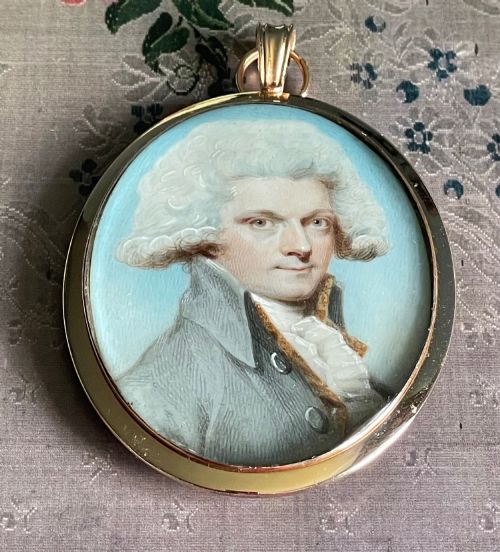
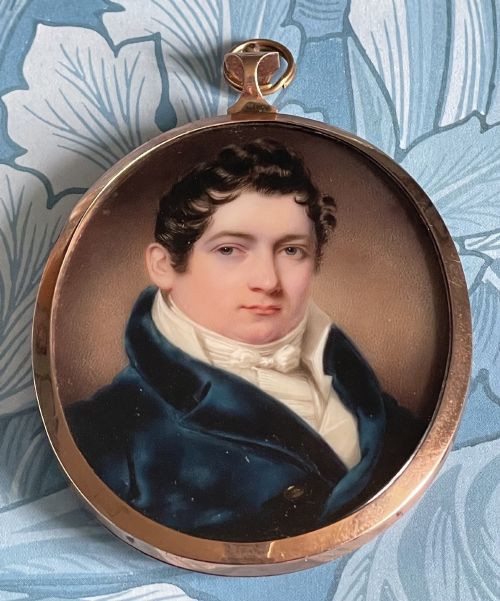
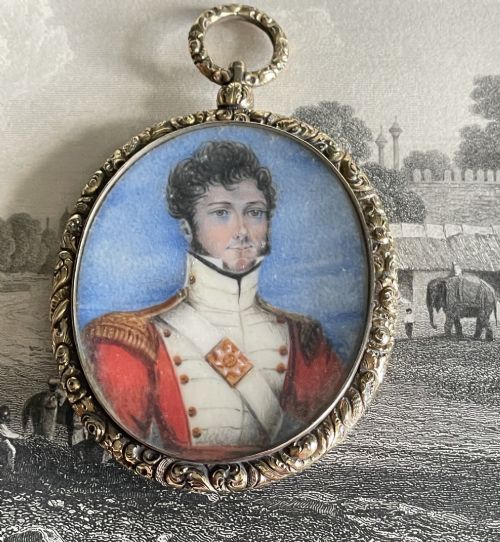
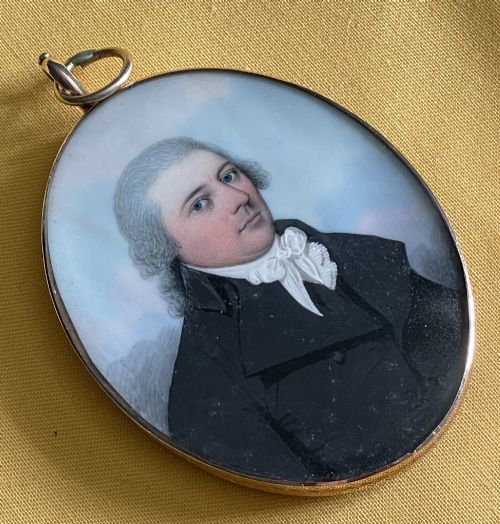
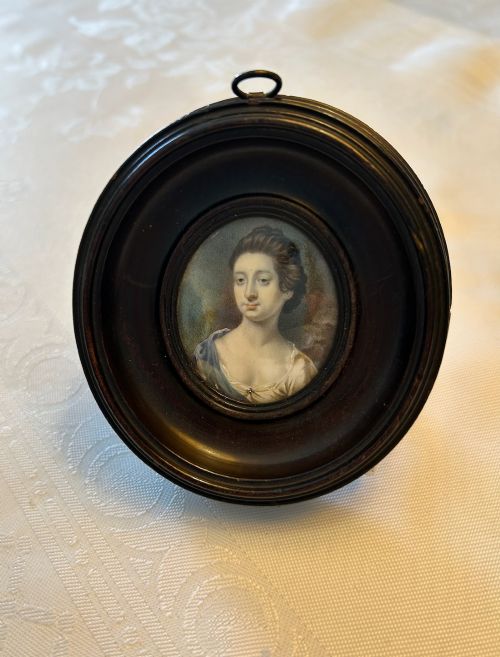
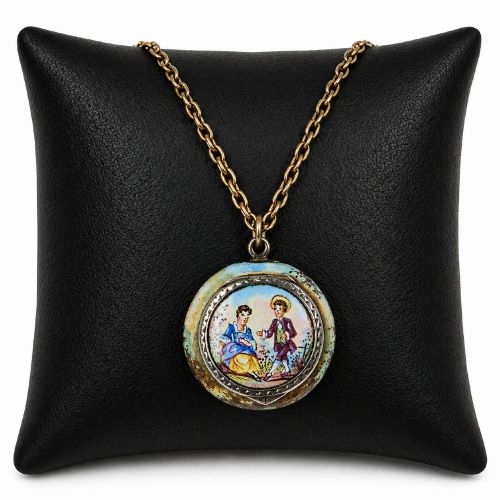
These painted portrait pendant pieces capture likenesses in miniature, offering portable history set into gold, enamel, and glass frames.
Painted Portrait Pendant
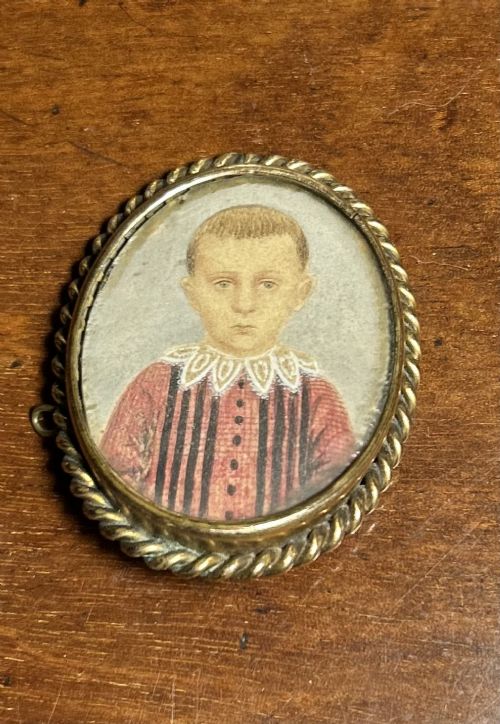
The subjects range from named nobility and military figures to anonymous ladies and children, painted by notable artists or provincial schools. Many pieces bridge the gap between fine art and personal jewellery, functioning simultaneously as wearable portraits and intimate keepsakes.
Makers utilised various surfaces for these intimate depictions, including ivory, vellum, glass, and agate panels. The resulting objects reflect the changing artistic conventions and personal sentiments of the eighteenth and nineteenth centuries.
How They Were Made
Artists painted these small portraits using watercolour, pigment, or enamel on surfaces such as delicate ivory, vellum, glass, and agate panels. Enamel pieces required firing in a kiln to vitrify the colours permanently onto a metal base.
Surrounding mounts and frames were forged from gold, silver, gilt metal, and copper, frequently embellished with pearls or set as double-sided lockets. Craftspeople combined traditional portraiture techniques with fine goldsmithing to protect and display the delicate paintings.
Several naval officers and country gentlemen stare out sternly from their gold frames, seemingly unimpressed by the centuries that passed since they sat for their portraits.
What Varies in Quality
The quality of the enclosing frame matches the importance of the artwork itself, with substantial gold, enamel, and pearl-set housings elevating the piece. Original mountings and intact glazing preserve the integrity of the miniature over centuries.
Henry Bone ARA·Charles Shirreff·John Miers·John C D Engleheart·Frederick Buck·Charles Hayter·Christian Friedrich Zincke·William Naish·Elizabeth Hudson·George Engleheart·James Ferguson·William Grimaldi·John Inigo Wright·Samuel Cotes·AE Chalon·John Barry
The Painted Portrait Pendant Glossary
- Miniature portrait
- A small-scale painting executed with fine detail, typically depicting a specific person. These works required specialised magnifying lenses and steady hands to achieve precision on surfaces like ivory or vellum.
- Enamel
- A glassy substance fused to metal through high-temperature firing. This technique created durable, vibrant portrait surfaces that resisted fading over centuries.
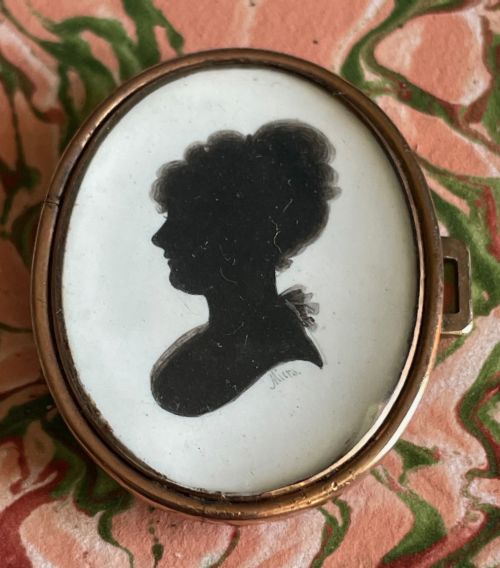
- Silhouette
- A solid dark profile likeness, often cut from paper or painted on glass or card. These affordable alternatives to full-colour miniatures gained popularity during the Georgian and Regency periods.
- Vellum
- Prepared calfskin utilised as a smooth drawing and painting surface. Artists favored its tight grain for capturing sharp, precise facial details.
- Locket
- A small hinged case designed to hold a miniature portrait or personal memento. They were frequently worn suspended from chains or integrated into brooch mountings.
Painted Portrait Pendant: Frequently Asked Questions
How were portrait pendants worn?
Owners typically suspended these pieces from ribbons or chains around the neck, or pinned them directly to garments as brooches. Many designs doubled as lockets, allowing the wearer to conceal locks of hair or secondary miniatures behind the primary portrait.
This dual function made them both public displays of status or affection and deeply private keepsakes kept close to the heart.
What materials did artists use?
Artists painted likenesses using watercolour, pigment, and enamel on fragile supports like ivory, vellum, glass, and agate. These were then encased in protective housings fashioned from gold, silver, gilt metal, and copper.
The choice of material often depended on the period and the desired finish, with enamel offering permanence and ivory providing a luminous background for skin tones.
How do I date a painted portrait?
Dating relies heavily on costume, hairstyle, and the framing style associated with specific decades like the Georgian or Victorian eras. Documentation inscribed on the reverse or historical attribution to recorded artists also narrows the timeline.
Comparing the painting technique and mounting materials to dated examples helps establish the likely decade of production.
Are silhouettes considered portrait miniatures?
Silhouettes form a distinct category of profile likenesses, executed in monochrome on card, glass, or plaster rather than full-colour pigment. Makers like John Miers specialised in these striking shadow portraits during the Georgian and Regency periods.
While they share the small scale and protective framing of portrait miniatures, their technique focuses entirely on outline and contour.