
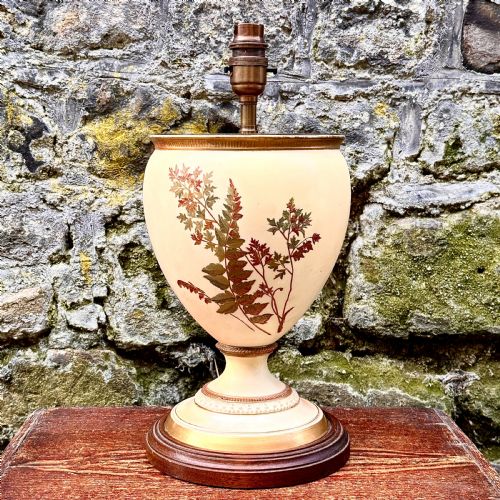
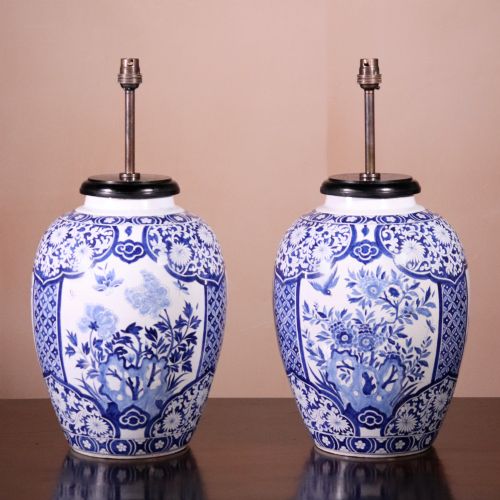


Painted Porcelain Table Lamps
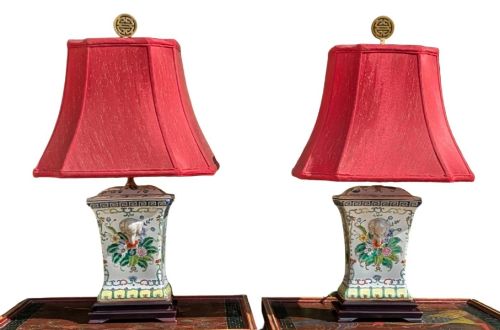
These painted porcelain table lamps bring historic ceramic bodies into domestic lighting, combining hand-painted decoration with metal mounts.
Painted Porcelain Table Lamps
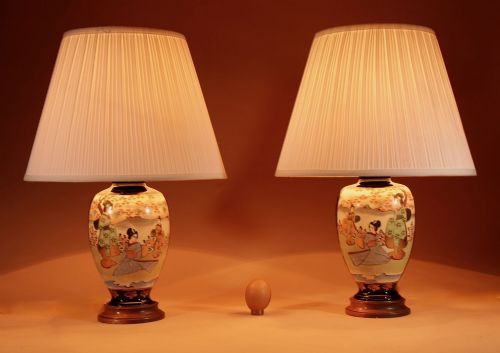
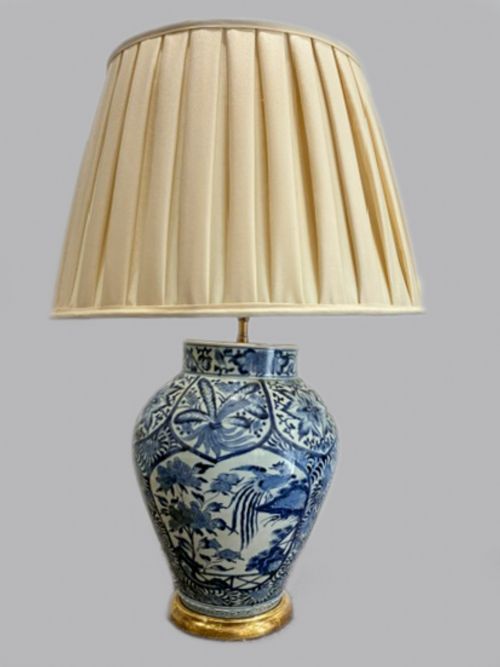
When you search for painted porcelain table lamps, you find a varied group of pieces built from converted antique vases, ginger jars, and oil lamps spanning the seventeenth through to the early twentieth century.
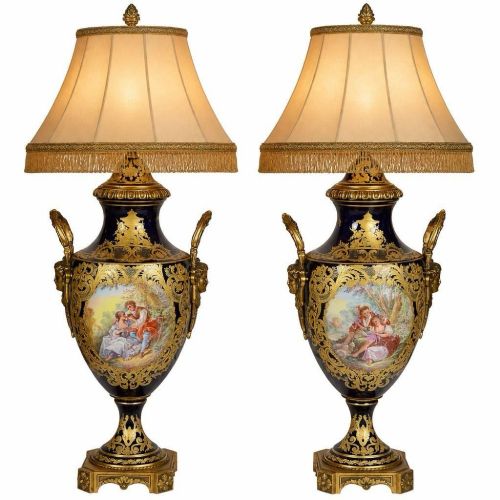
The selection ranges from Chinese export wares and Japanese Satsuma, Kutani, and Imari pieces to European productions from French factories like Sevres and Gien, alongside English Delft and Worcester examples.
Many of these bodies started life as jars or vessels before conversion into table lights, often paired with brass, gilt bronze, or ormolu mountings.
How they were made
Makers utilised high-fired ceramic bodies painted by hand with cobalt blue, famille verte, famille rose, or enamel palettes, occasionally building upon earlier styles.
Mounters combined these painted porcelain bases with metal fittings in brass, gilt bronze, and ormolu, while later adaptations introduced modern wiring and fabric or silk shades.
Ginger jars that once stored spices in distant ports now quietly illuminate nineteenth-century reading corners.
What varies in quality
The standard of a painted porcelain table lamp rests upon the crispness of the hand-painted brushwork and the harmony of the metal mounts fitted to the ceramic body.
Pieces that retain their original proportions and undamaged glaze decoration sit above later conversions or those with heavy alterations to the ceramic foot and neck.
Royal Worcester·W.Nicholls
The Painted Porcelain Table Lamps Glossary
- Famille verte
- A palette dominated by green enamel overglaze painting, common on Chinese ceramics from the Qing dynasty and later revival pieces.
- Ormolu
- Gilt bronze mounted onto furniture and ceramic bases, providing bright metallic contrast to the painted porcelain surfaces.
- Ginger jar
- A wide-mouthed storage jar form frequently converted into a table lamp base during later periods.
- Imari
- A Japanese export style combining underglaze blue with iron red, gold, and other enamel colours.
Painted Porcelain Table Lamps: Frequently Asked Questions
Are these lamps converted from old vases?
Many examples began as traditional vases, ginger jars, or oil lamps before being adapted for modern electrical use.
This conversion process often involves adding drilled bases and metal mountings to secure the electrical components.
How do I identify French Sevres style lamps?
French Sevres style pieces typically feature rich painted decoration set against coloured grounds, complemented by gilt bronze or ormolu mounts.
They reflect the nineteenth-century revival taste for eighteenth-century court aesthetics.
What periods do these lamp bases come from?
The ceramic bodies span from the seventeenth-century Japanese and eighteenth-century Delft and Chinese periods up to Victorian and Edwardian productions.
Many incorporate earlier antique vessels adapted into lighting during the nineteenth and early twentieth centuries.
How do I match shades to these lamps?
Selecting a shade depends on the proportions of the painted porcelain body and the metal mounts.
Fabric and silk shades in neutral tones or colours drawn from the hand-painted palette help balance the visual weight of the base.