


Oriental Urn Bedside Lights
Oriental urn bedside lights bring sculptural form and rich decorative history into the bedroom, offering soft ambient illumination through repurposed antique vessels.
Oriental Urn Bedside Lights
Oriental urn bedside lights transform traditional Asian and Indian vases into functional table lamps for the home. When you search for oriental urn bedside lights, you encounter repurposed ceramic, porcelain, and bronze vessels wired for modern illumination.
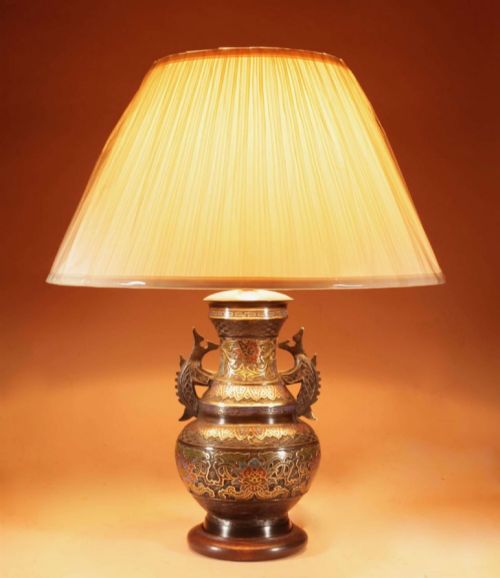
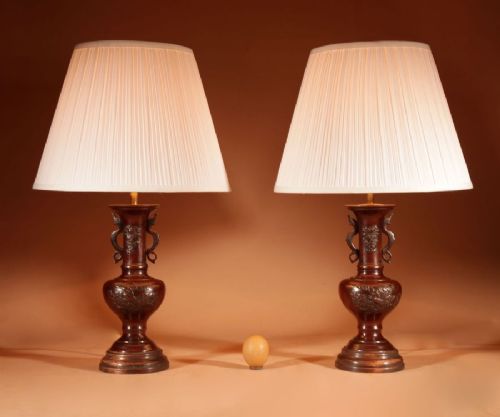
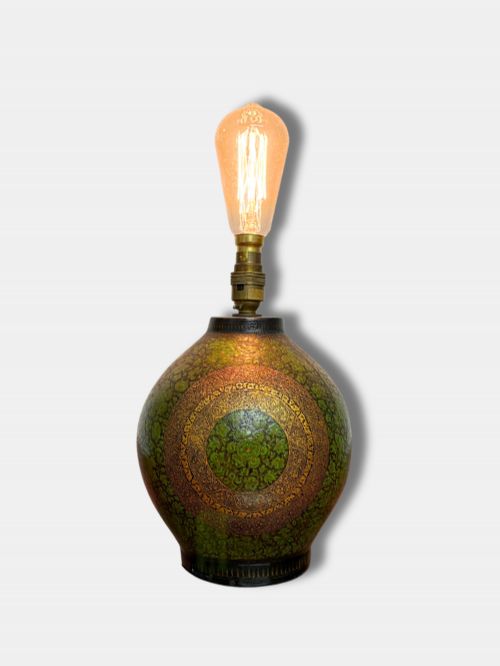
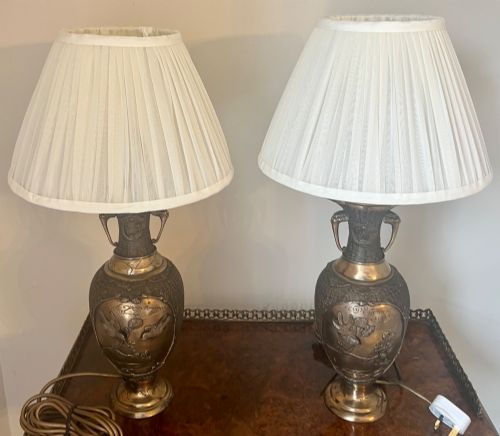
The pieces appearing on this page span the late nineteenth century through the 1930s, incorporating Chinoiserie, Meiji period, and Kashmiri styles. These lamps frequently arrive as matched pairs, utilising porcelain bases from China and Japan alongside cast bronze forms.
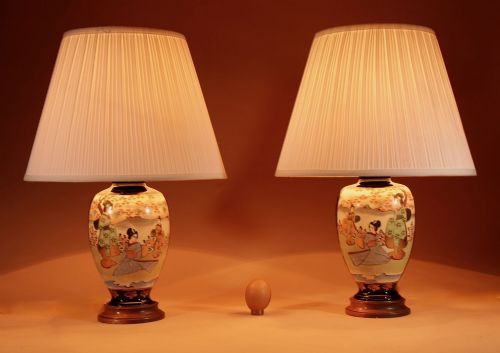
Makers and artisans from these periods often employed distinctive glazing and enamelling techniques that catch the light near a bed. Ceramic Satsuma, Kutani, and blue and white porcelain dominate the earthenware options available here.
How They Were Made
Potters and metalworkers constructed these underlying urns using traditional throwing, casting, and hand-painting methods before later conversion into lamps. Japanese and Chinese workshops applied intricate glazes, blue and white pigments, and enamels onto ceramic and porcelain bodies.
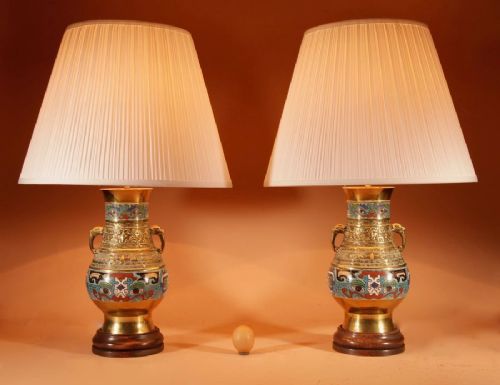
Bronze and brass components, including champlevé work with recessed enamel fields, provide heavy structural support for the taller metal lamps. Silk and fabric shades typically complete the construction, casting a warm glow across the decorated surfaces.
These lamps allow you to read by the light of a century-old vessel that once crossed oceans inside a merchant ship.
What Varies in Quality
The artistic merit of the hand-painted details on the porcelain or enamel surfaces largely determines the quality of an oriental urn bedside light. Finer pieces display precise brushwork, controlled glazing, and crisp definition in the champlevé bronze work.
Symmetry and proportion between the converted urn and its electrical fittings also separate ordinary conversions from superior examples. Original patination on the bronze and well-preserved ceramic glazes indicate better preservation over time.
The Oriental Urn Bedside Lights Glossary
- Champlevé
- An enamelling technique where artists gouge troughs into a bronze or brass surface to hold coloured glass paste before firing. This method creates vibrant patterns that catch bedside illumination.
- Satsuma
- A type of Japanese earthenware featuring a crackled ivory glaze decorated with intricate overglaze enamels and gilt. These decorative vessels appear frequently as converted table lamps.
- Kutani
- Japanese porcelain distinguished by bold coloured enamels, often incorporating rich reds and golds within pictorial scenes. Such ceramics bring vivid narrative detail to interior lighting.
- Meiji Period
- The era in Japanese history spanning from 1868 to 1912, noted for opening trade with the West and producing highly detailed bronzes and ceramics. Many lamps on this page originate from these decades.
- Celadon
- A term for ceramics featuring a pale green jade-like glaze derived from iron oxide in the kiln firing process. This subtle finish provides understated elegance for bedroom spaces.
Oriental Urn Bedside Lights: Frequently Asked Questions
Are these lamps safe to use?
Most antique lamps are retrofitted with modern wiring during their conversion from vases into table lamps. Buyers should have a qualified electrician inspect older cords and fittings prior to regular bedroom use.
Ensuring the stability of the heavy bronze or ceramic base prevents tipping over on a bedside table. Proper bulb wattage protects the antique glaze and fabric shades from excess heat.
How do I clean an antique urn lamp?
Dust ceramic and porcelain bodies gently with a dry, soft microfiber cloth to protect delicate overglaze enamel work. Avoid harsh chemical cleaners that might strip the historic patina from bronze or brass elements.
Fabric shades require light brushing or low-suction vacuuming to remove accumulated dust without damaging the material. Keeping moisture away from old wiring components is essential during maintenance.
Can I replace the lampshades?
Replacing the lampshade allows you to adjust the height and light diffusion to suit your bedside table. Choosing neutral silk or fabric shades helps complement the intricate patterns of the underlying oriental urn.
Matching the shade proportions to the substantial weight of a bronze or porcelain vase maintains visual balance. Ensure the fitter type corresponds correctly to the lamp's existing harp or bulb holder.
How do I date an oriental urn lamp?
Examining the base material, glaze characteristics, and any makers' marks helps establish the period of the original vessel. Nineteenth-century pieces often display hand-thrown irregularities and traditional hand-painted motifs distinct from later reproductions.
The style of the metal mounts, wiring hardware, and previous conversion methods offer clues regarding when the vase became a lamp. Comparing the decorative motifs against documented Meiji or Chinese Export styles refines the timeline.