
Painted Porcelain Jar
A painted porcelain jar offers intricate hand-painted detail and timeless ceramic form, making it a striking focal point for any interior.
Painted Porcelain Jar
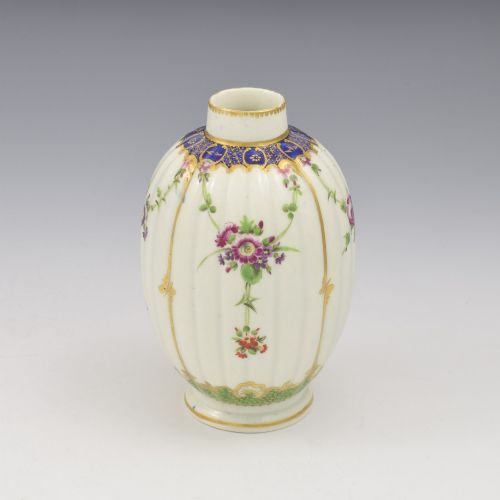
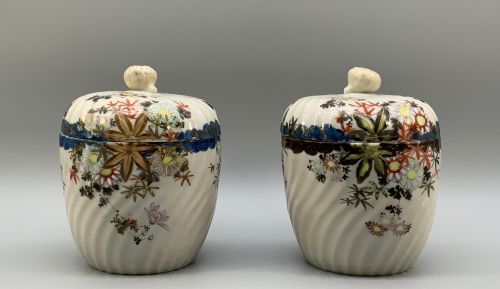
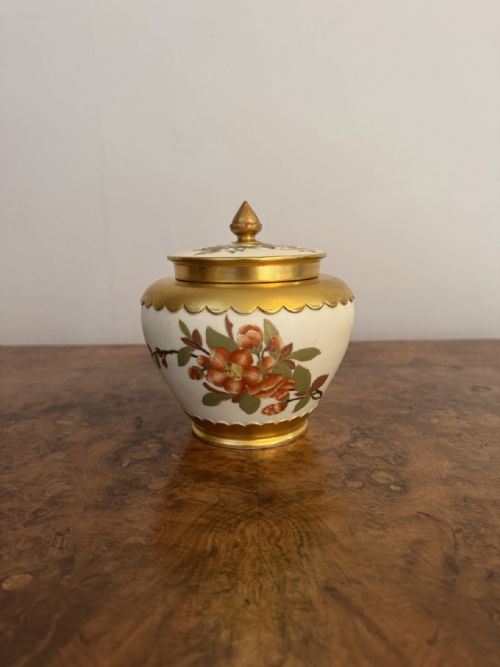
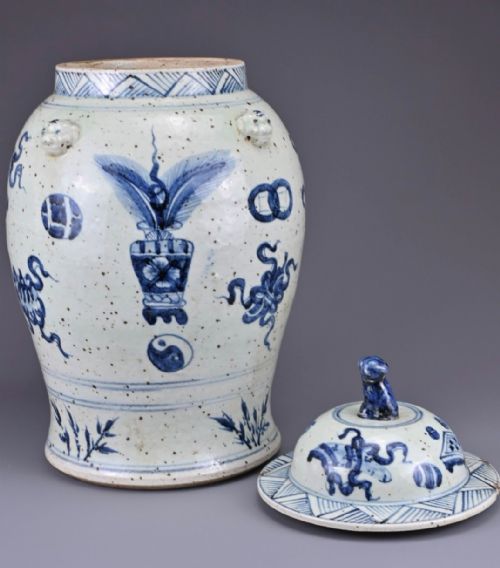
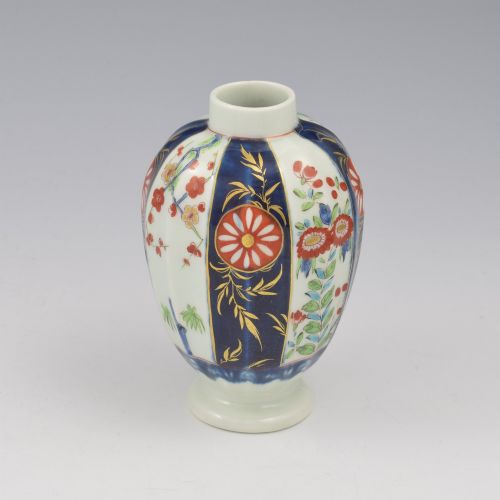
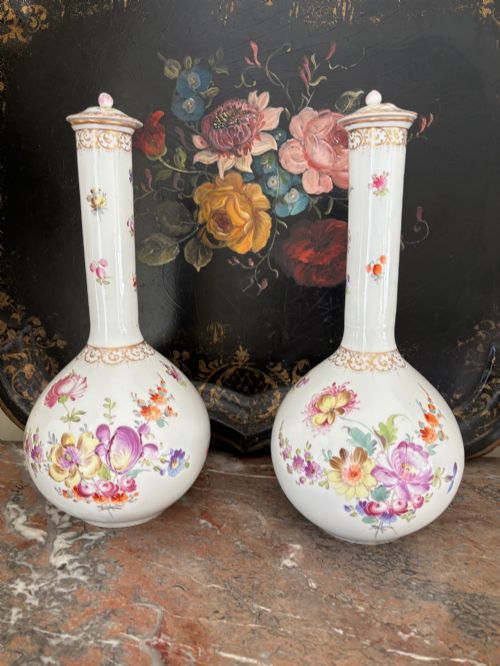
A painted porcelain jar encompasses lidded vessels, ginger jars, and tea caddies decorated with hand-applied pigments and glazes. These pieces originate from diverse stylistic traditions, including Chinese Export, Japanese Imari, and European manufactories.
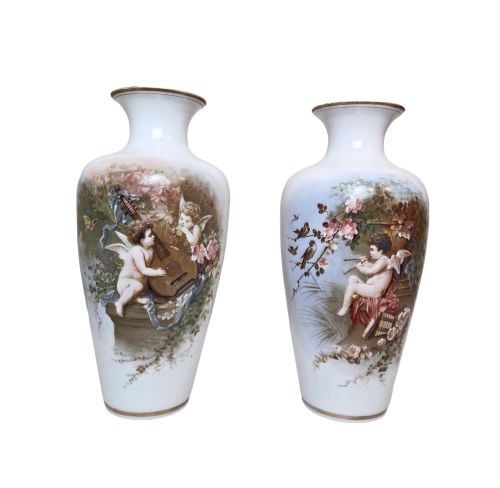
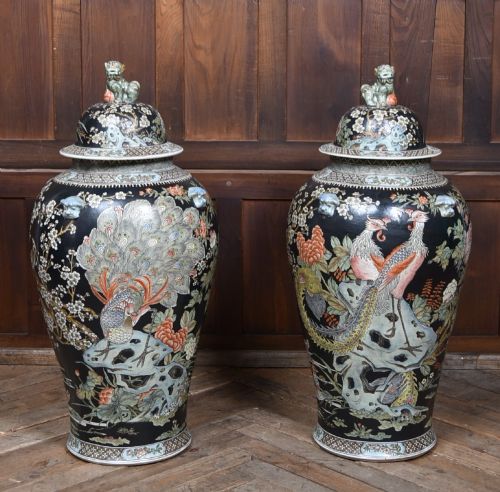
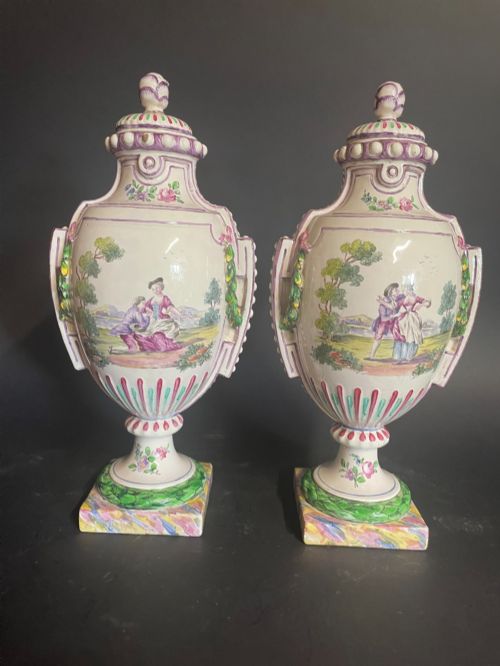
The pieces appearing on this page span from the eighteenth century through the twentieth century, with nineteenth-century examples appearing frequently. Forms range from compact tea canisters to large palace floor jars and lidded potpourri pots.
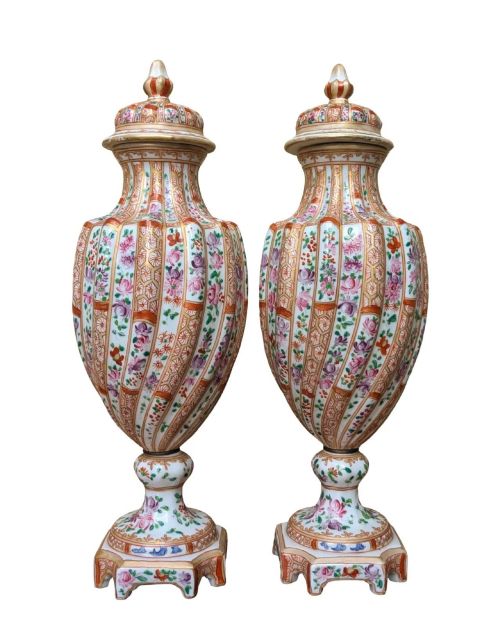
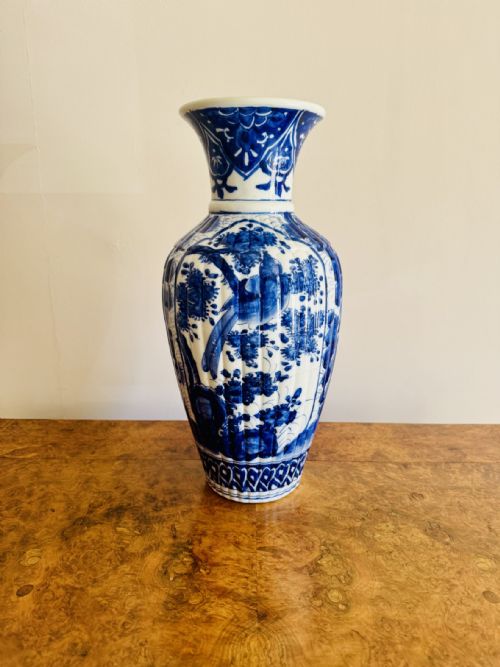
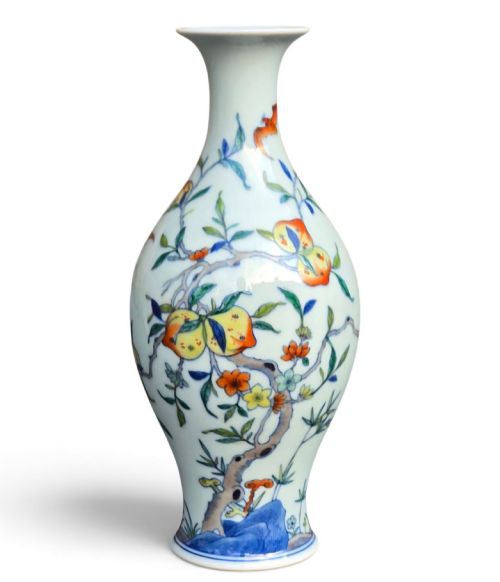
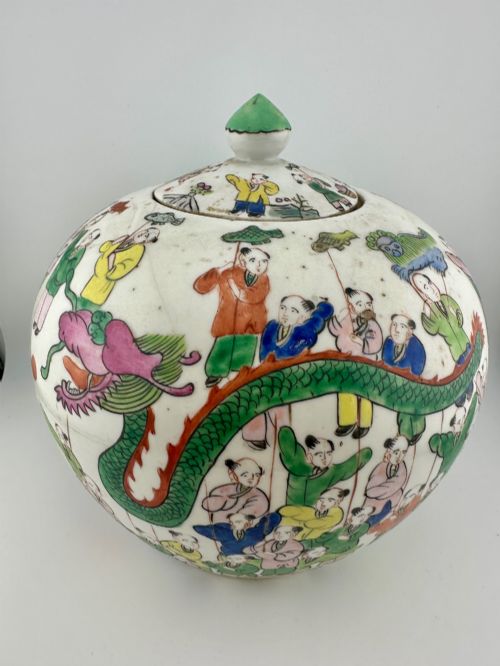
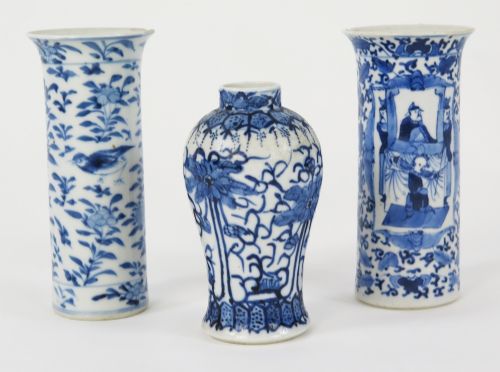
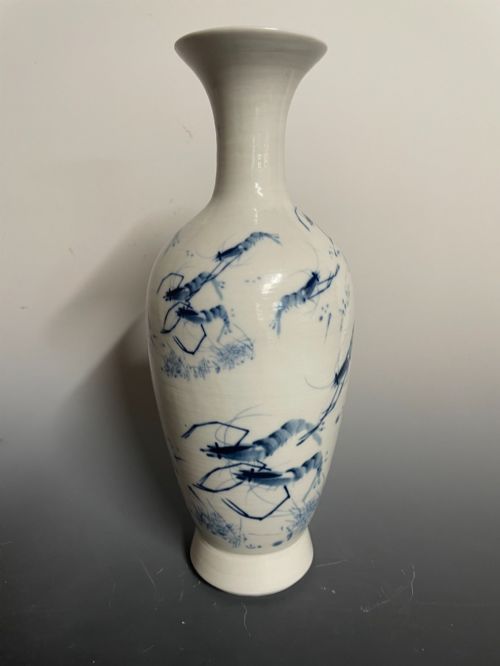
Makers and origins vary widely, featuring Qing Dynasty wares alongside Victorian and Edwardian European porcelain. Buyers encounter both blue and white designs and polychrome creations utilising enamels and gilding.
How They Were Made
Artisans formed these vessels from ceramic and porcelain bodies before applying intricate hand-painted decoration using coloured enamels, cobalt blue underglazes, and metallic highlights. Many pieces received protective clear glazes and fired finishes to seal the pigments.
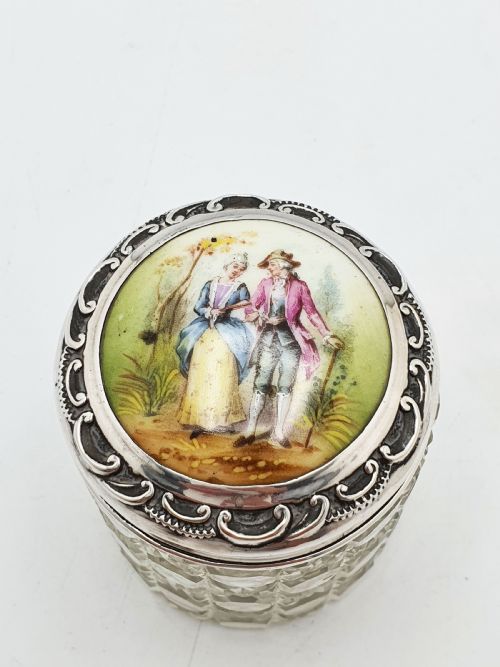
Gilding and gold leaf accents often complement the painted surfaces, requiring careful secondary firings to bond the precious metal. Some European examples integrate mounts in sterling silver or incorporate specialised earthenware bodies like faience and Delft.
Listings feature porcelain pieces spanning the eighteenth, nineteenth, and twentieth centuries, incorporating materials such as enamel, gold leaf, and glaze.
What Varies in Quality
Quality rests in the precision and fluidity of the brushwork, where confident, detailed painting distinguishes superior output from mechanical repetition. The complexity of the palette, such as rich famille rose enamels or finely controlled blue and white tones, elevates the visual depth.
The crispness of the porcelain body and the evenness of the glaze application also separate standard production from exceptional examples. Furthermore, the presence of legible reign marks or renowned factory stamps adds documented provenance to the physical execution.
Edme Samson·Royal Worcester·Sitzendorf·Sceaux·Coalport·Royal Crown Derby
The Painted Porcelain Jar Glossary
- Famille Rose
- A palette of opaque rose-pink enamel introduced in Chinese ceramics during the eighteenth century. This colour scheme allowed for subtle tonal gradations in floral and figural scenes.
- Imari
- A style of Japanese export porcelain characterised by a strong palette of underglaze blue, iron red, and gilt. Pieces decorated in this manner were widely produced during the Edo and Meiji periods.
- Potpourri Jar
- A lidded vessel perforated to allow the release of dried flower petals and spices scented with oils. These containers served both decorative and functional purposes in historic interiors.
- Tea Caddy
- A small storage jar designed to hold dry tea leaves securely before brewing. Eighteenth-century examples often featured fitted lids and delicate hand-painted motifs.
- Glaze
- A glassy coating fused to ceramic surfaces through high-temperature firing. This layer renders the porous clay body impermeable to liquids and enhances surface lustre.
Painted Porcelain Jar: Frequently Asked Questions
How do I date a painted porcelain jar?
Dating relies on examining the stylistic markers, body composition, and any factory marks or reign characters present on the base. Comparing the brushwork technique and palette to documented pieces from periods like the Qing Dynasty or the Victorian era helps narrow the timeframe.
Changes in ceramic technology and glazing methods across the eighteenth and nineteenth centuries also provide reliable clues for establishing an approximate age.
Were these jars used for food storage?
Many lidded jars and tea caddies served practical functions for storing dry foodstuffs or tea leaves in historic households. Over time, their decorative qualities became more prominent, leading to their use as purely ornamental mantel or table pieces.
Examples with delicate gilding or porous earthenware bodies were generally preserved for display rather than heavy domestic service.
How should I clean my porcelain jar?
Dust the surface gently with a soft, dry cloth to remove everyday particles without risking the painted enamel or gilding. Avoid using chemical cleaners, abrasive sponges, or submerging pieces with metallic mounts in water.
For stubborn grime, a slightly damp cloth with mild soap can be applied cautiously to glazed areas, followed immediately by thorough drying.
What is the difference between Chinese Export and European porcelain?
Chinese Export porcelain was manufactured in China specifically for Western markets, often combining traditional Asian forms with European heraldic or pictorial commissions. European manufactories later developed their own distinct porcelain recipes and decorative styles inspired by these imports.
Examining the weight, paste consistency, and specific pigment shades helps distinguish the origin of individual pieces.