
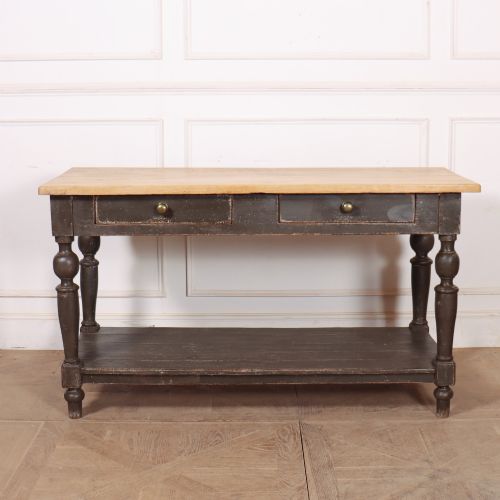
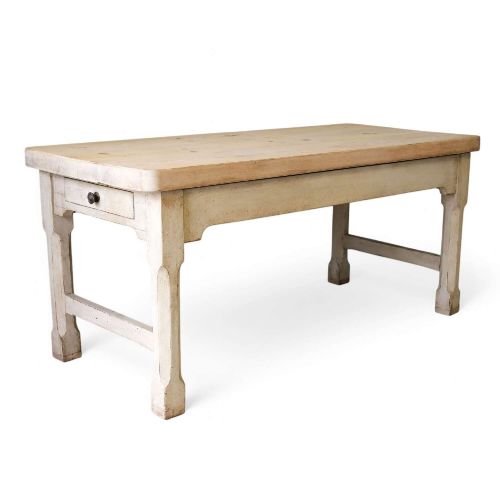
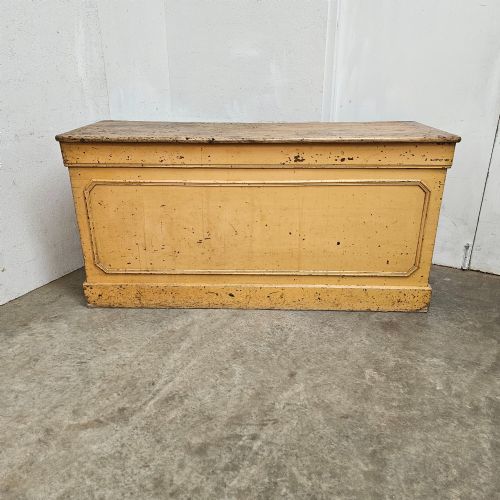


Painted Pine Kitchen Island
A painted pine kitchen island brings robust utility and character, spanning nineteenth-century prep tables, shop counters, and drapers tables.
Painted Pine Kitchen Island
A painted pine kitchen island provides a practical surface rooted in domestic and commercial history, encompassing drapers tables, prep tables, and shop counters. Buyers seeking a painted pine kitchen island frequently encounter nineteenth-century English, French, and Scandinavian examples shaped by utilitarian demands.
The forms originate from functional furniture types such as bakers tables, dining preparation tables, and dresser bases. These versatile objects transition readily into modern culinary spaces as functional work surfaces.
Originating across diverse European regions including Hungary and Sweden, these pieces display regional vernacular traits. They range from rustic farmhouse tables to industrial shop fittings with timber and cast iron elements.
How they were made
Makers utilised solid pine timber for the primary structure, relying on durable softwood construction suited to heavy daily use. Iron, brass, and cast iron hardware reinforced joints and functional components.
Surfaces received applied paint finishes, appearing either as original pigment or later layers applied during the working life of the object. Some pieces remain ready for waxing or painting according to preference.
Bread slides in old dresser bases recall when dough rested right beneath the counter.
What varies in quality
Proportion and scale distinguish the domestic tables from commercial shop counters and large drapers tables. The integrity of the timber frame and the character of the surface finish dictate the visual presence of the piece.
The provenance of the paint layer, whether original or applied later, influences the historical weight of the object. Original regional colour retains the authentic surface history of these working tables.
The Painted Pine Kitchen Island Glossary
- Drapers table
- A long, narrow commercial table utilised in textile trade shops for measuring cloth. These pieces translate effectively into kitchen islands due to their advantageous proportions.
- Shop counter
- A heavy-duty retail furnishing designed for mercantile transactions. Such counters offer deep storage capacity and substantial timber tops.
- Prep table
- A utilitarian work surface intended for food preparation in domestic or commercial settings. They prioritise stability and unpretentious pine construction.
- Bread slide
- A pull-out shelf integrated into furniture to hold loaves of bread during preparation or cooling. This functional element appears within larger dresser bases.
- Shop fitting
- Built or freestanding fixtures created for commercial environments. These elements reflect the specific functional requirements of nineteenth-century trade.
Painted Pine Kitchen Island: Frequently Asked Questions
What is a painted pine kitchen island?
A painted pine kitchen island is typically a repurposed nineteenth-century work table, drapers table, or shop counter. These pieces combine solid timber construction with painted finishes.
They serve as functional central work surfaces in modern kitchens, providing historical character and durability.
How do I care for a painted pine surface?
Maintaining painted pine involves gentle cleaning with a damp cloth and avoiding harsh chemical sprays. Preserving the finish prevents unnecessary wear on the historical surface.
Wax can be applied to unpainted timber elements to protect the wood from moisture and daily kitchen use.
Are these kitchen islands original antiques?
The inventory consists of nineteenth-century and early twentieth-century pieces originating from Britain, France, Scandinavia, and Hungary. These items were originally built as work tables, shop counters, or bakers tables.
Some examples feature original paint finishes while others exhibit later painted surfaces applied during their working lives.
How can I tell different regional styles apart?
Regional styles reveal themselves through distinct proportions, construction details, and the character of the paintwork. Scandinavian and French country pieces often showcase lighter painted palettes and specific vernacular framing.
English farmhouse tables and Hungarian shop fittings display robust pine construction tailored to their local commercial or domestic environments.