
Painted Pine Bedroom Drawers
These painted pine bedroom drawers bring functional storage and soft colour, shaped by the utility of nineteenth-century domestic life.
Painted Pine Bedroom Drawers
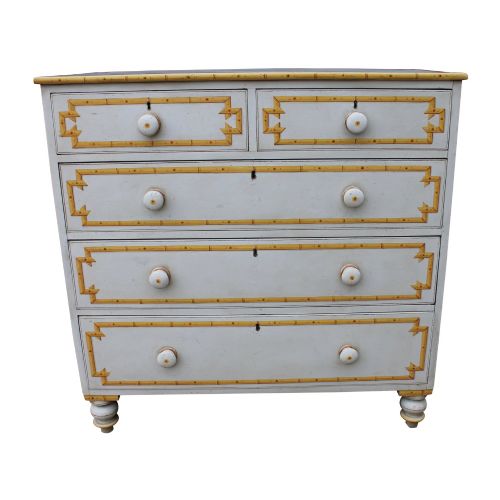
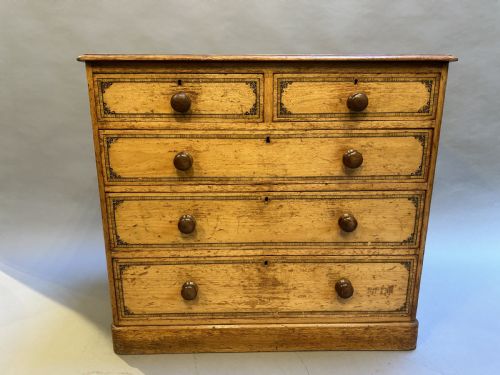
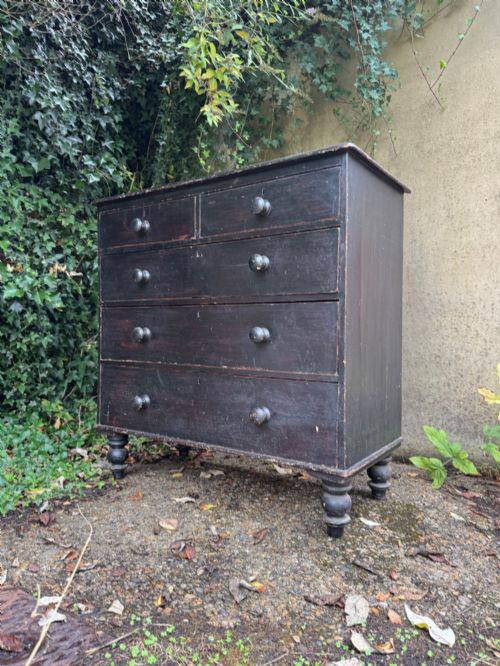
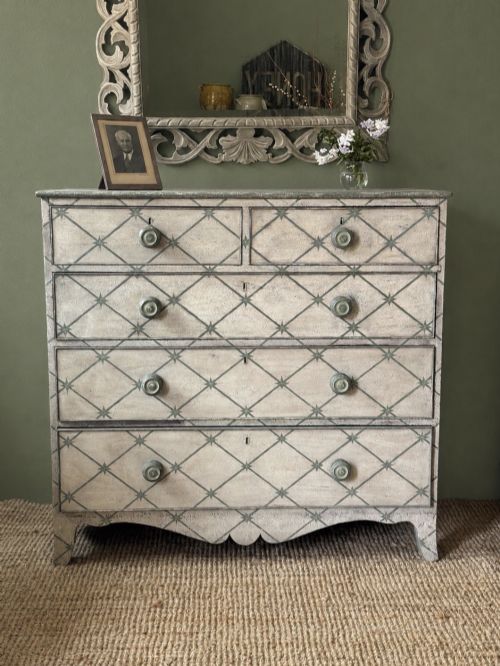
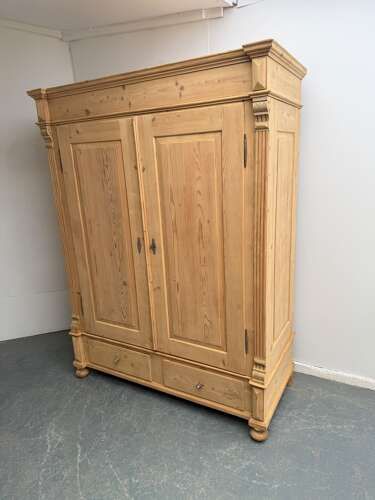
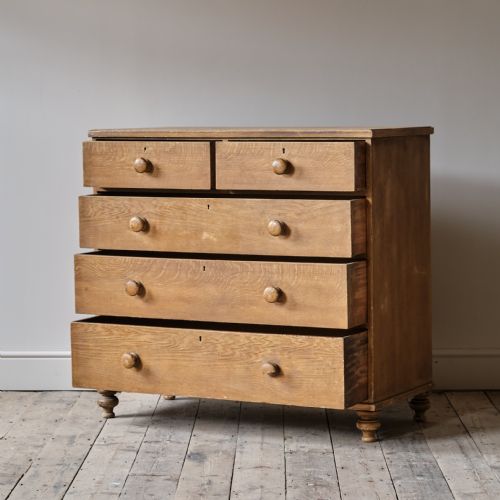
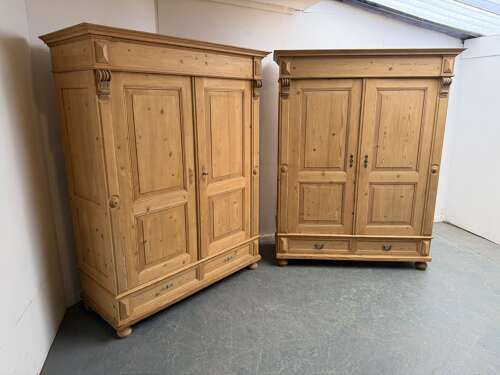
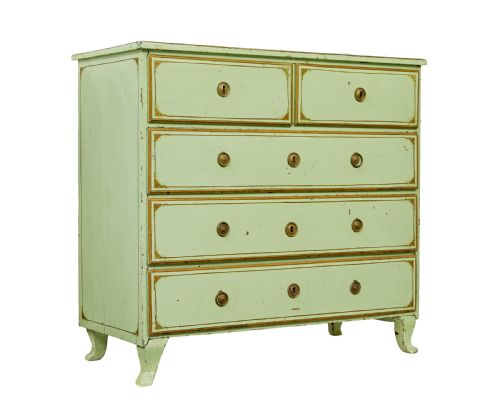
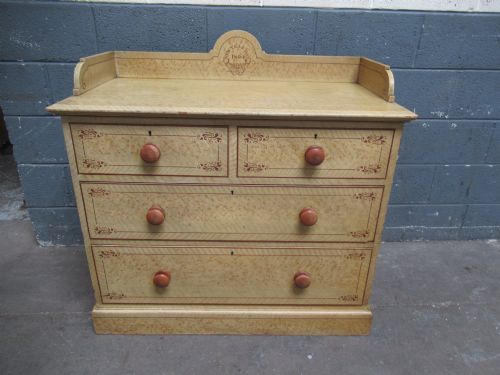
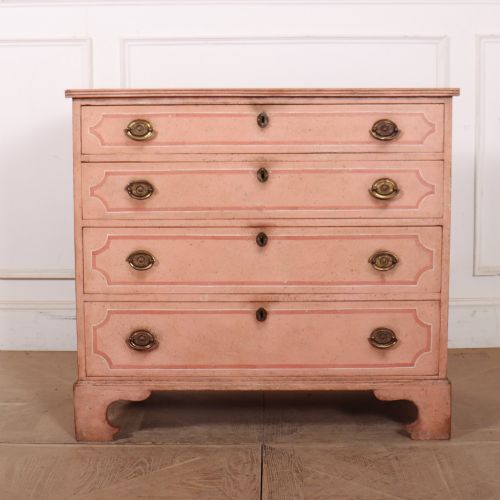
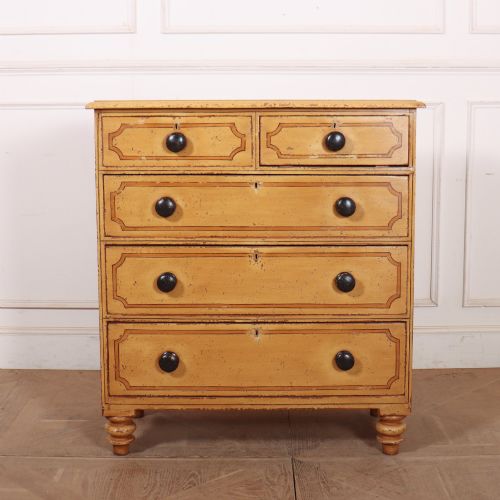
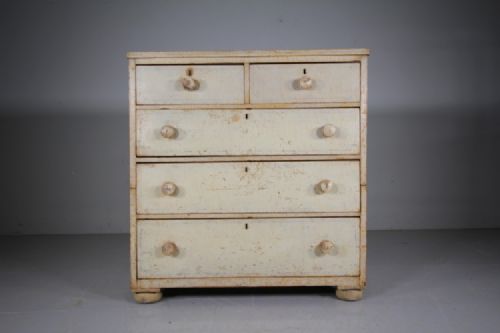
Painted pine bedroom drawers primarily take the form of chests of drawers, alongside occasional dressing tables and wardrobes designed for domestic chambers. These pieces emerge predominantly from nineteenth-century British and continental workshops, encompassing styles from Victorian country to Gustavian and Regency.
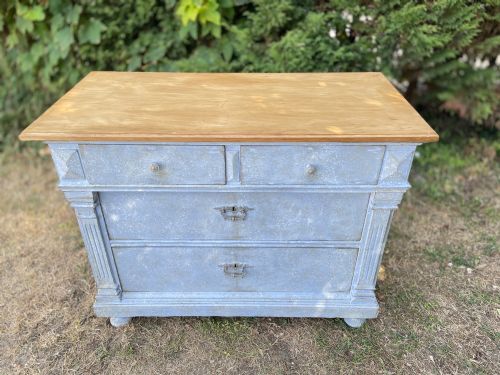
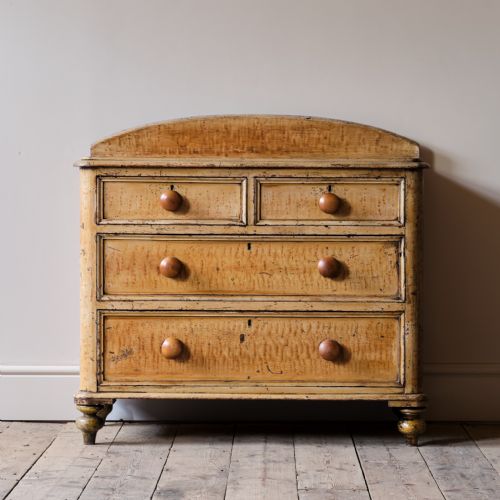
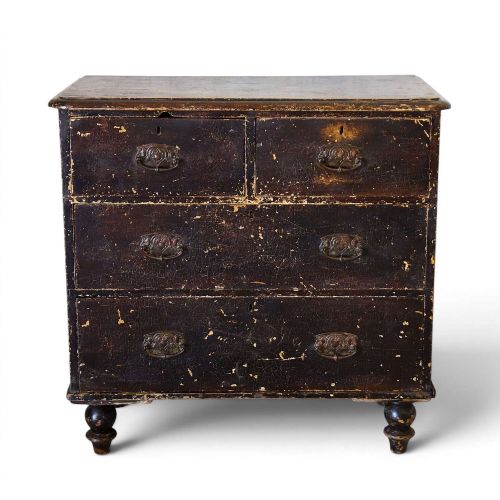
The version most commonly encountered on this page is the nineteenth-century Victorian or English country chest of drawers, often finished in original paint, scumble, or lighter grey and blue tones. Continental examples, such as Swedish and Hungarian pieces, sit alongside these domestic items, offering distinct regional palettes and carving details.
Materials and construction methods
These pieces are built using solid pine, a durable softwood chosen for utility and ease of working, paired with surface finishes like oil-based paint, scumble glazes, and sometimes faux bamboo effects. Iron and brass hardware, including drawer pulls and escutcheons, secure the functional components.
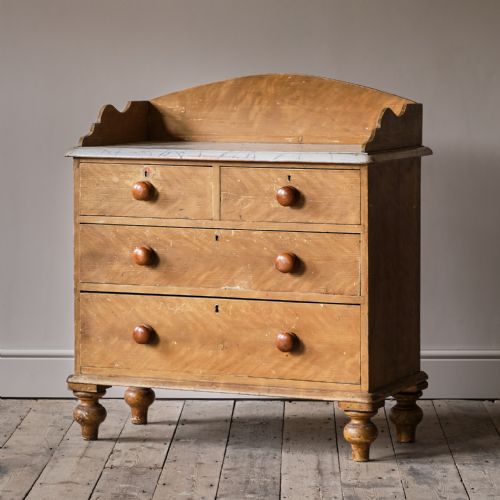
Makers constructed the carcases using traditional joinery, often dividing larger chests into two parts for transport, and applied layers of paint or decorative stencilling directly onto the wood. Scumble finishes were dragged or combed through wet paint to imitate the grain of costlier hardwoods.
Listings span the eighteenth to the twentieth centuries, featuring pine, paint, brass, iron, and glass across various styles.
Distinctions in construction and finish
Quality rests in the survival of original surface treatments, distinguishing pieces retaining their early paint, scumble, or stencilling from those stripped down or repeatedly repainted. The integrity of the pine carcase, smooth drawer action, and the retention of period brass or iron hardware also set examples apart.
Finer pieces display deliberate regional styling, such as carved details on drawers or sophisticated Gustavian proportions, whereas utilitarian items rely on plain boards and straightforward assembly. The depth and character of the surviving paint layer define the visual weight of the piece.
The Painted Pine Bedroom Drawers Glossary
- Scumble
- A decorative paint technique involving a translucent top layer dragged or combed over a paler base to simulate wood grain. This finish was widely applied in country houses during the nineteenth century.
- Gustavian
- A Swedish neoclassical design style spanning the late eighteenth and nineteenth centuries, characterised by light colour palettes, restrained carving, and symmetry. Pieces in this style often feature pale grey or white paint.
- Commode
- A European term for a set of drawers or a low chest, frequently used in continental pieces listed on this page. They often incorporate decorative fronts like diamond-point carving.
- Knockdown wardrobe
- A large piece of bedroom furniture designed to dismantle into panels for ease of transport and assembly. These items appear in nineteenth-century country workshops.
Painted Pine Bedroom Drawers: Frequently Asked Questions
How do I clean original paint?
Dust surfaces gently with a dry, soft cloth to preserve fragile nineteenth-century paint layers.
Avoid liquid cleaners, modern detergents, or abrasive pads that lift historical pigments from the pine.
Were these drawers always painted?
Many pine pieces received paint finishes originally to protect the softwood or imitate expensive hardwoods.
Some examples were made plain for waxing later, whilst others carried decorative scumble from the workshop.
Can I use them in modern bedrooms?
Their practical storage capacity makes them suitable for contemporary clothes storage and daily domestic use.
The soft painted tones integrate easily into neutral interiors while adding period character.
How do I spot a scumble finish?
Look for a translucent top glaze manipulated with combs or rags to create faux wood patterns.
This technique adds texture and depth to otherwise plain nineteenth-century pine surfaces.