


Painted Pantry
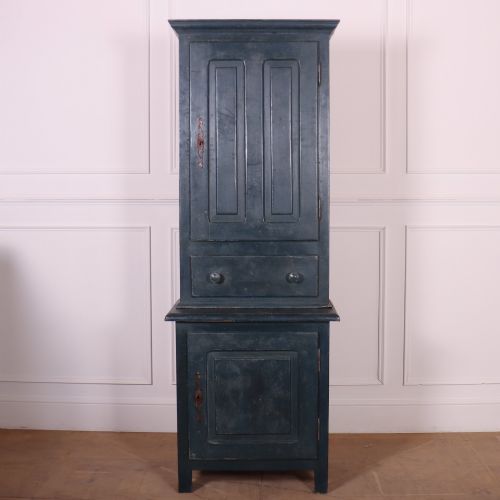
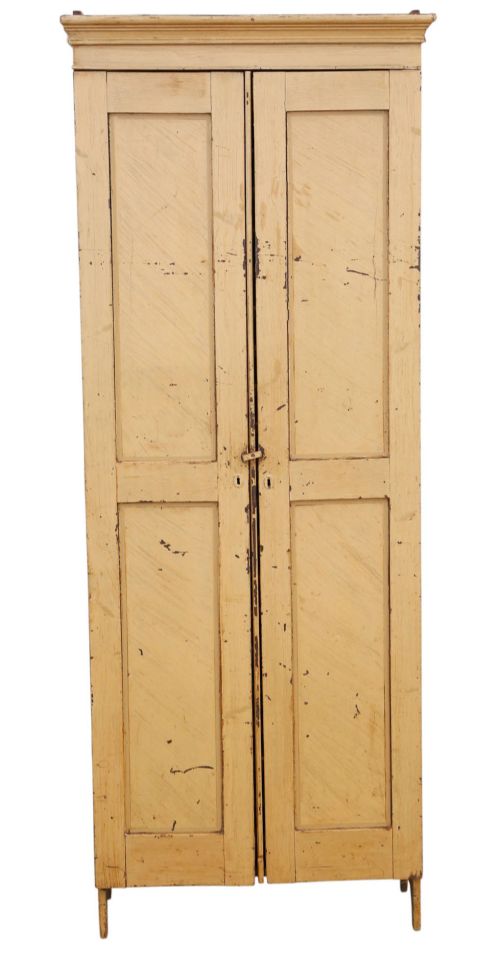
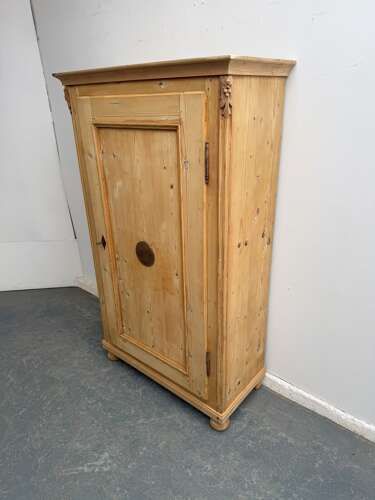
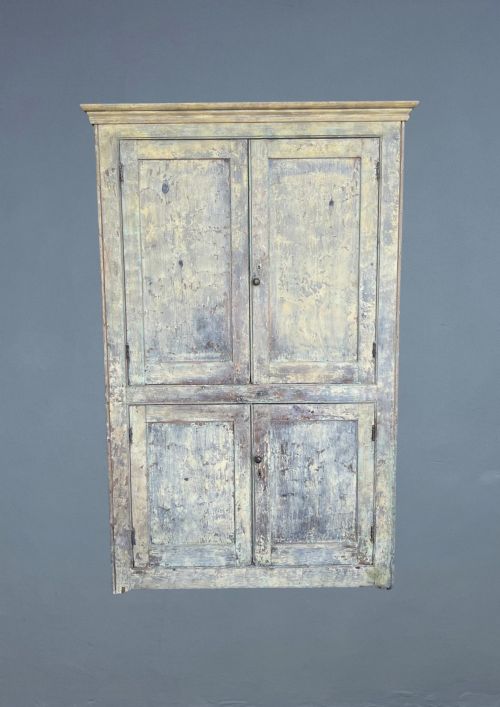
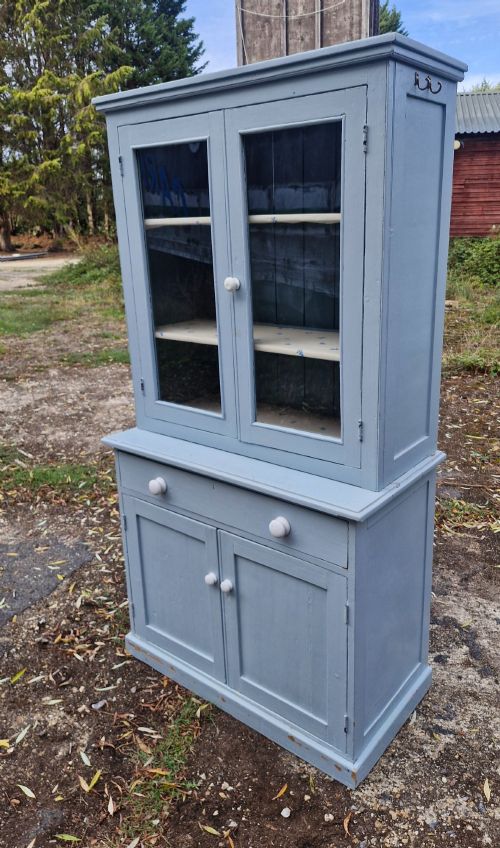
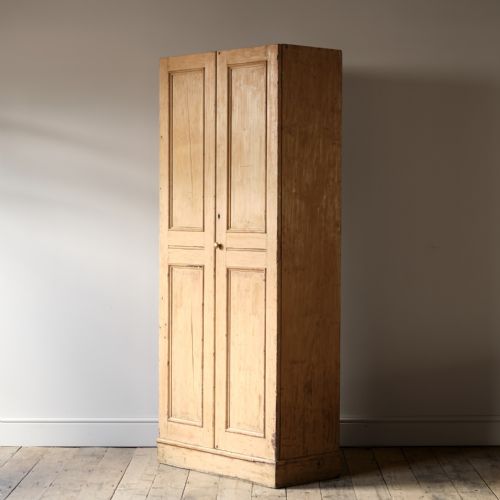
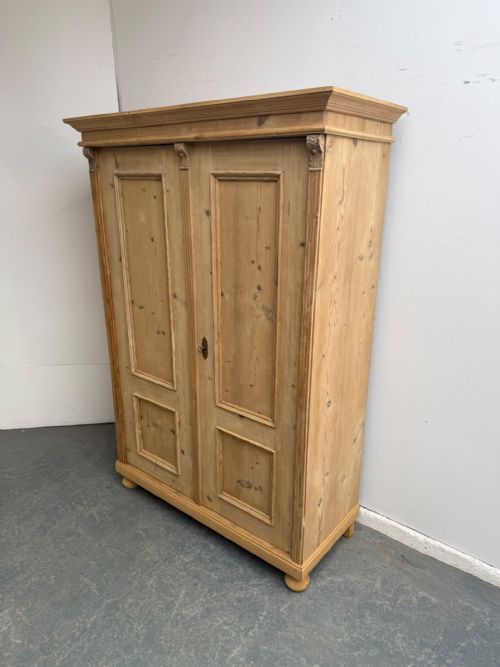
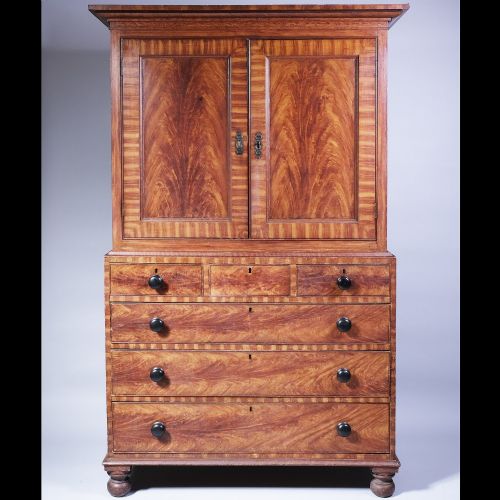
A painted pantry brings robust domestic storage and period character into a modern kitchen, spanning tall housekeepers' cupboards and single-door larders.
Painted Pantry
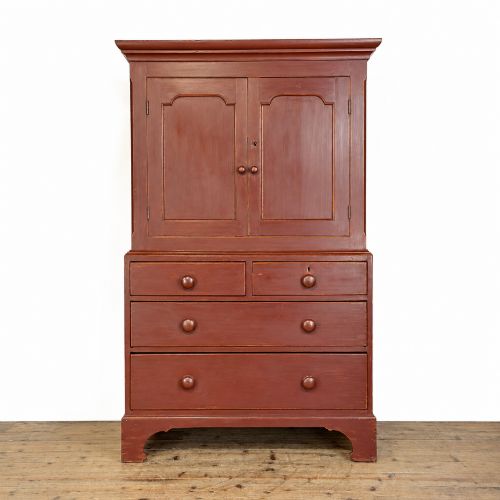
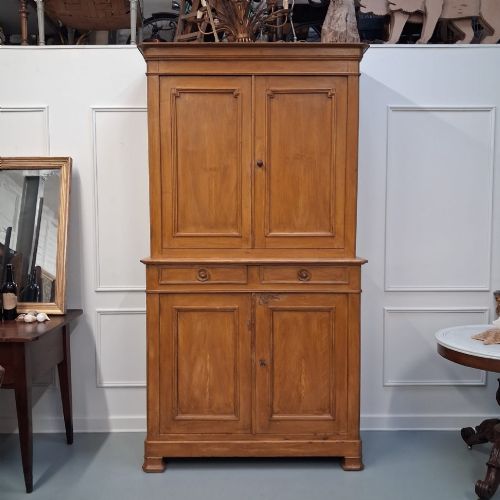
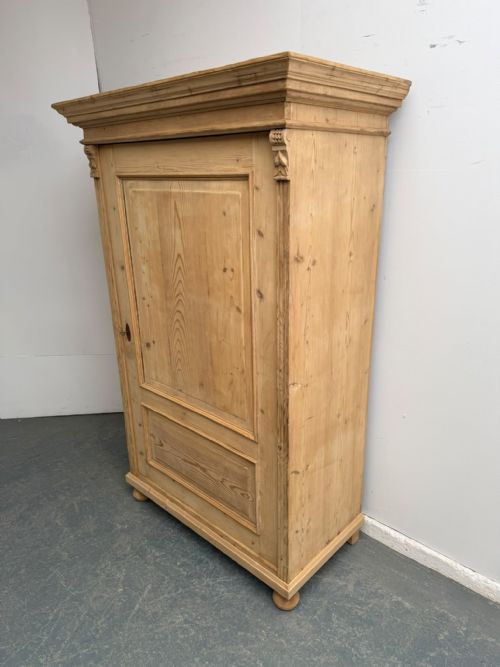
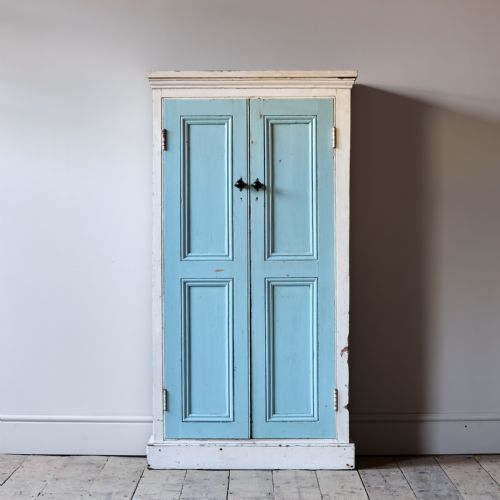
A painted pantry search reveals substantial utility furniture designed for food storage and household provisions, with housekeepers' cupboards forming the backbone of the selection. These items range from late Georgian two-door storage units to tall Victorian kitchen larders and Edwardian kitchen cabinets.
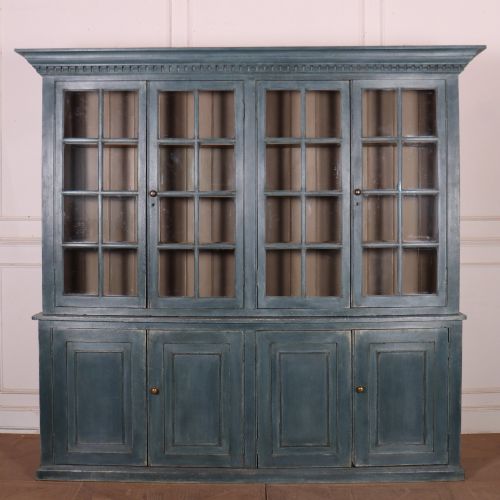
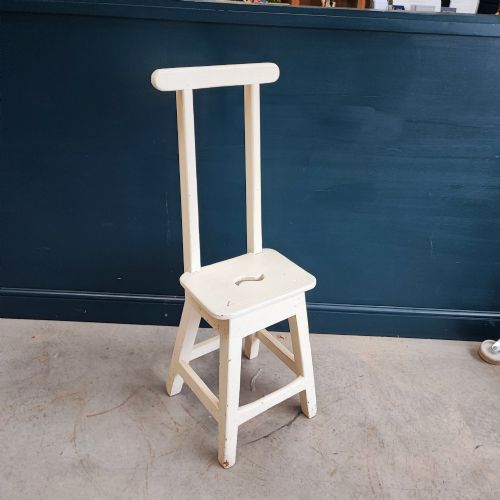
Regional and continental pieces add distinct architectural variety to the category, including French food cupboards, Scandinavian carved pine furniture, and Dutch glazed display cabinets. Alongside these large storage items, smaller functional forms like painted pine stools, kitchen steps, and decorative boxes appear.
The domestic role of these cupboards involved keeping food cool and secure before modern refrigeration, utilising ventilation panels and deep shelving. Buyers encounter diverse proportions, from narrow tall cupboards to wide two-part kitchen units finished in historic or later coats of paint.
Materials and construction methods
Makers built these utility pieces primarily in softwoods, using pine as the main construction material alongside elm for seating items and teak in later imported examples. Carpenters employed sturdy pegged or nailed joints, fielded panels, and simple beaded mouldings to handle daily domestic use.
Surface finishes involved layers of historic paint, scumble glaze, or milk paint, often applied to protect the softwood and brighten dark sculleries. Iron and brass hardware such as hinges, latches, and ventilation grills completed the functional build of these storage cupboards.
Painted Pantry Retail Price Guide 2026
Typical asking prices for painted pantry among the pieces listed under this phrase on Sellingantiques today, from the lower quarter to the upper quarter. They describe what is for sale here now, not the wider market.
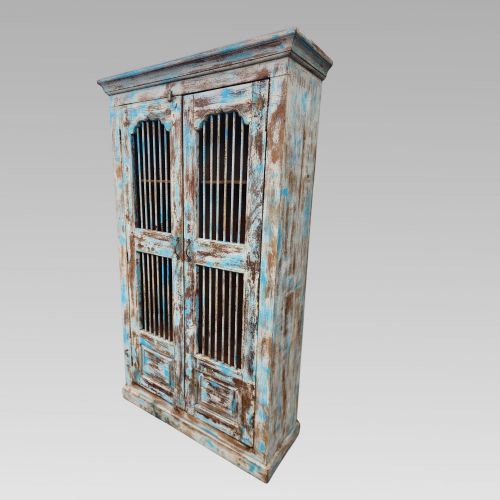
Storage forms on offer include tall larder cupboards, two-part kitchen units, and specialised bread and cheese cupboards with vented doors.
Distinctions in quality and finish
Quality in a painted pantry piece rests upon the integrity of its original timber frame and the survival of early or original surface decoration. Superior examples retain untouched proportions, original iron or brass hardware, and unaltered internal shelving rather than replaced components.
Construction depth also dictates standing, with fine housekeepers' cupboards showing careful joinery in their fielded doors and cornices compared to utilitarian workshop storage. The character of the paint finish, whether layered scumble or early pigment, separates standard utility pieces from exceptional vernacular survivals.
The Painted Pantry Glossary
- Housekeeper's cupboard
- A large storage piece traditionally used for linens, dry goods, and tableware in substantial homes. These typically feature upper shelving enclosed by doors and lower banks of drawers.
- Scumble paint
- A decorative surface technique where a translucent top layer of dark glaze is manipulated over a lighter ground colour to simulate grain. It added texture and durability to utilitarian softwood furniture.
- Fielded panel
- A central wooden panel with bevelled edges designed to fit into a grooved frame. This technique allowed timber to expand and contract safely with changes in kitchen humidity.
- Bread and cheese cupboard
- A regional storage form featuring perforated panels or mesh doors for ventilating perishable provisions. The design kept food fresh by allowing air circulation while deterring pests.
- Skeleton cupboard
- A specialised storage carcass built with an open frame structure. It often received later glazed or wire panels for specialised utility storage.
Painted Pantry: Frequently Asked Questions
What is a painted pantry cupboard?
A painted pantry cupboard is a tall piece of utility furniture designed for storing food, linens, and kitchen provisions in traditional homes. These items range from Georgian and Victorian housekeepers' cupboards to Edwardian kitchen cabinets.
Built largely from pine with applied paint finishes, they provide deep shelving and substantial storage capacity for modern kitchens.
How do I date an antique painted cupboard?
Dating relies on examining construction methods, timber preparation, and the characteristics of the hardware and paint layers. Georgian and early nineteenth-century pieces often feature hand-planed boards, pegged joinery, and early surface treatments.
Later Victorian and Edwardian examples show machine-sawn timber, simpler butt joints, and standardised iron or brass fittings.
How were these cupboards used historically?
These cupboards served as the primary storage units for dry goods, dairy, and household provisions before fitted kitchens existed. Vented doors allowed air circulation to keep food cool, while deep drawers held linens and utensils.
Housekeepers relied on them to maintain household stores and manage daily domestic provisions.
Can I use a housekeepers cupboard in a modern kitchen?
A housekeepers cupboard works well in modern interiors as a standalone larder, crockery store, or linen cupboard. Their tall proportions provide immense storage space without requiring fitted kitchen units.
Placing them in a kitchen or utility room brings practical storage alongside historic character.