


Painted Japanese Porcelain Jar
A painted japanese porcelain jar brings vibrant pattern and rich historical form into a room.
Painted Japanese Porcelain Jar
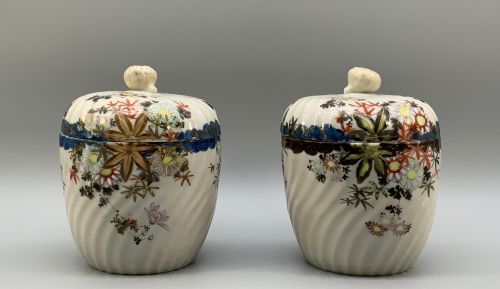
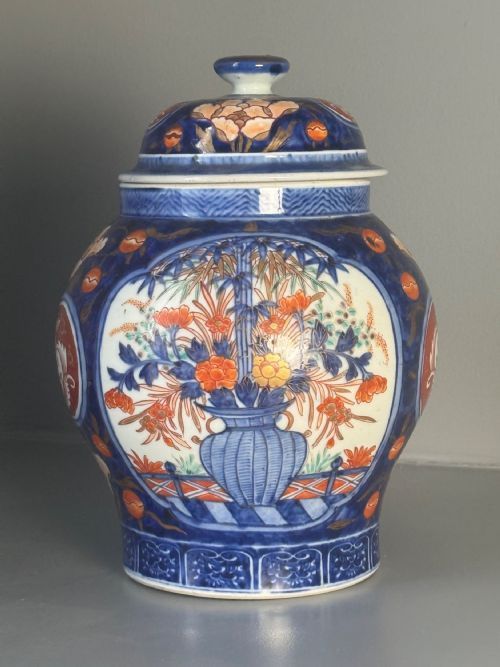
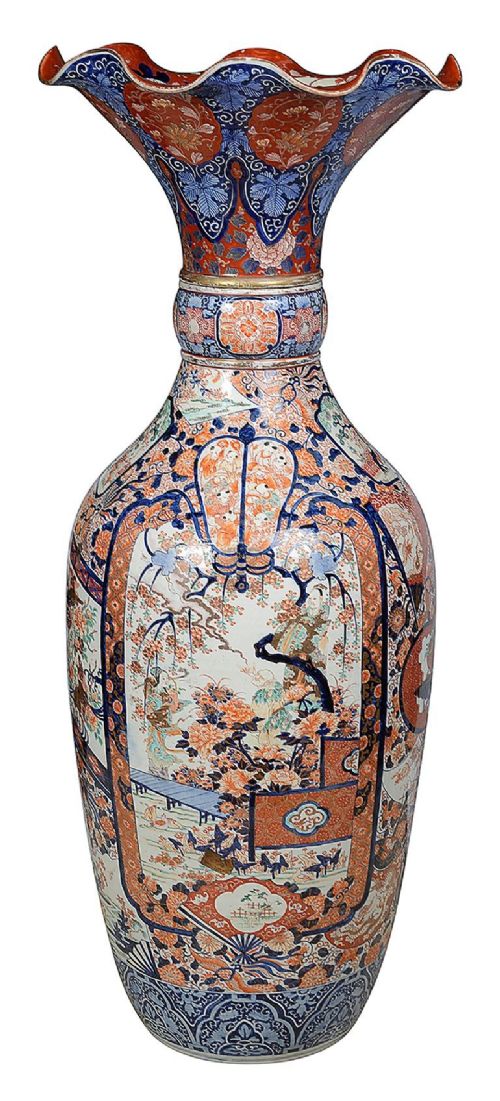
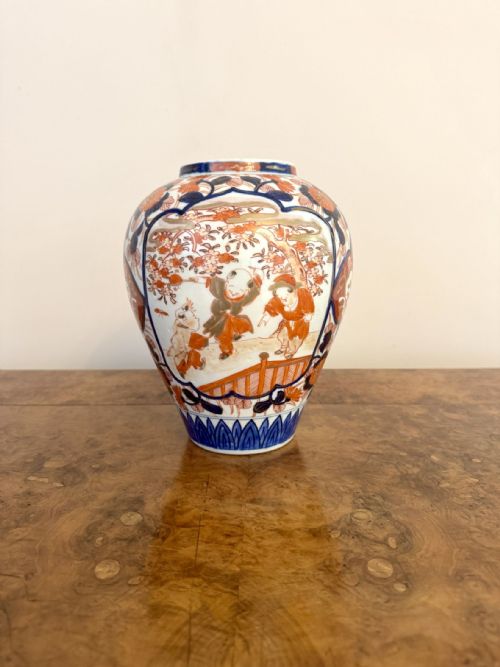
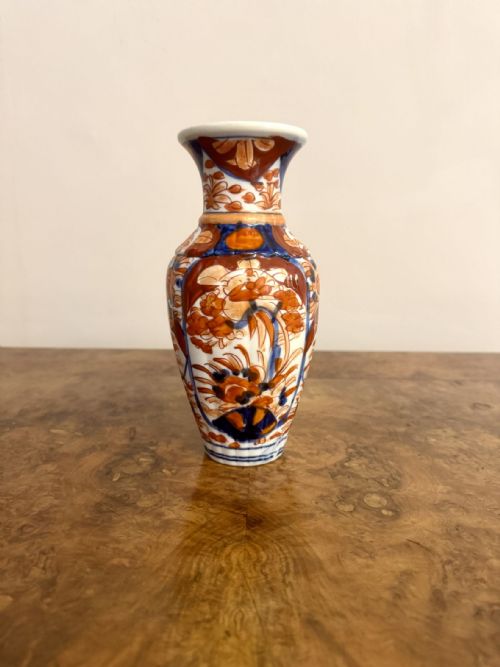
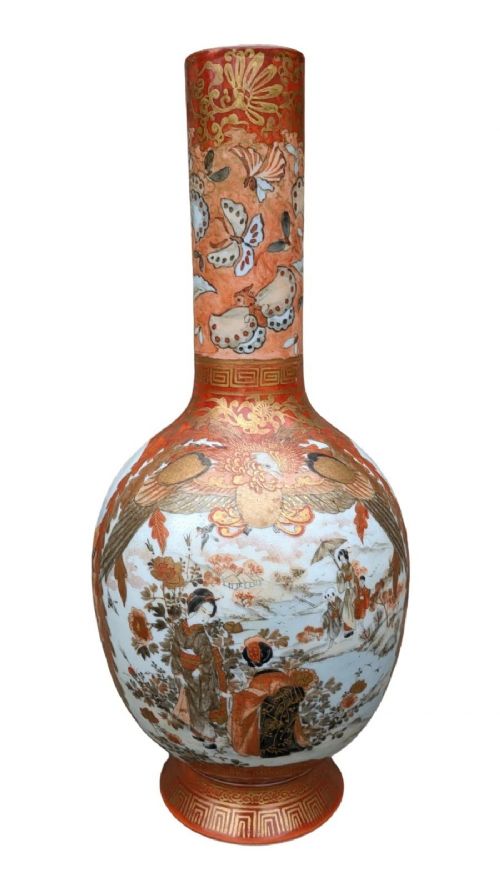
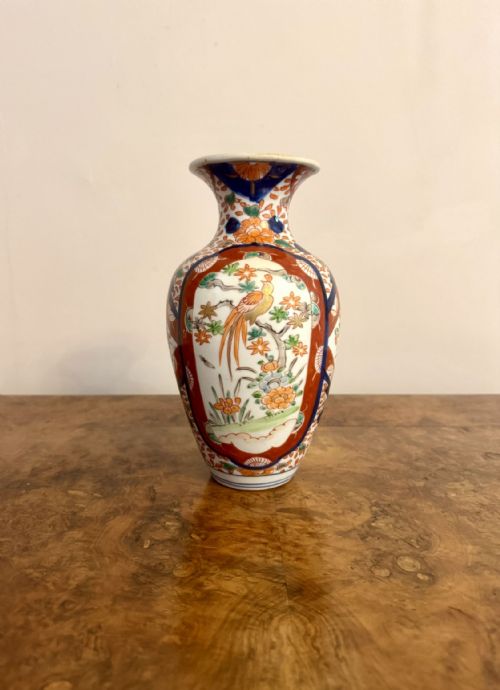
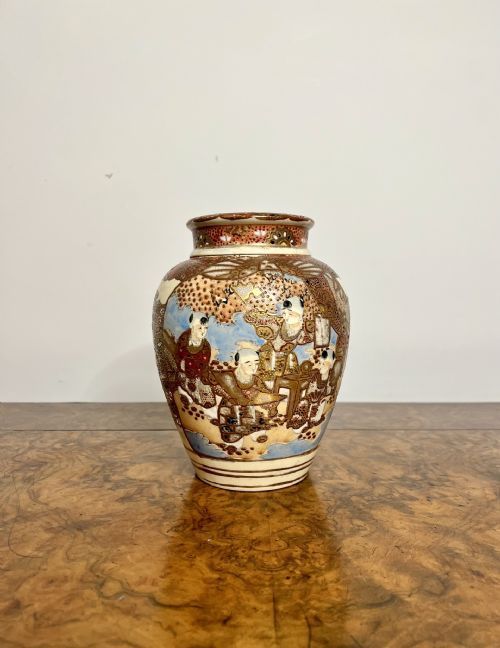
The selection on this page leans heavily toward Japanese Imari styles alongside Kutani and Satsuma wares. Buyers encounter both single jars and matched pairs shaped in fluted, hexagonal, or double gourd forms.
How They Were Made
Potters shaped fine porcelain and earthenware bodies before applying detailed hand-painted designs using rich enamel glaze. Many examples integrate gold leaf and gilt detailing alongside cobalt blue and iron red pigments.
Firing in kilns set the hard glaze finishes characteristic of Arita and other regional production centres. Lidded jars and vases often received secondary enamel work and gilding to heighten the visual impact of the scenes.
Listings feature 19th Century and Meiji Period pieces alongside Edwardian examples, showcasing porcelain and earthenware bodies decorated with gold leaf.
What Varies in Quality
The precision of the brushwork defines the tier of a piece, separating standard production wares from finely executed examples with meticulous detail. Crispness in the gilding and control over the enamel glazes indicate superior execution.
Proportion and form also dictate distinction, particularly in shaped or large lidded jars where symmetry and balance matter greatly. Surviving covers that match the exact body and pattern elevate the integrity of the piece.
Tokyo Taizan·Fukagawa
The Painted Japanese Porcelain Jar Glossary
- Imari
- A traditional Japanese porcelain style known for a palette of cobalt blue, iron red, and gold. This decorative approach originated in Arita and dominated export wares.
- Satsuma
- An earthenware ceramic type typically featuring a creamy, crackled glaze decorated with intricate polychrome patterns and heavy gilding. These pieces often depict figures and natural scenes.
- Kutani
- A style of Japanese pottery celebrated for bold colour schemes, frequently utilising deep greens, purples, and golds in pictorial compositions. Production centres in the Ishikawa prefecture.
- Meiji Period
- The historical era spanning from eighteen sixty-eight to nineteen twelve, marked by intense artistic production and international export of Japanese crafts. Many refined ceramics date from this period.
Painted Japanese Porcelain Jar: Frequently Asked Questions
What were painted japanese porcelain jars used for?
These vessels originally served practical storage purposes for tea, spices, and dried goods in traditional Japanese households. Lidded jars kept contents secure while adding decorative value to domestic interiors.
Over time, many forms transitioned purely into ornamental display pieces intended for mantelpieces and display cabinets. Their striking palette made them centrepieces in both Eastern and Western interior schemes.
How do I identify a Meiji period jar?
Meiji period pieces often display dense, highly refined hand-painted decoration reflecting the artistic output between eighteen sixty-eight and nineteen twelve. Look for precise enamel work, intricate gilding, and specific regional signatures on the base.
The porcelain body and glaze characteristics also offer clues, as nineteenth-century kilns produced distinct colour depths compared to later reproductions. Comparing the weight and throwing marks helps confirm the period.
Are lids on antique jars usually original?
Finding a lidded jar with its original matching cover is common but requires careful inspection of the fit and decorative continuity. Replacement lids sometimes occurred due to breakage over long periods of handling.
Examining the glaze wear around the rim and the continuity of the painted pattern helps determine if the lid belongs to the body. A consistent glaze appearance across both pieces indicates a matched set.
How should I display a large floor vase?
Large jars and floor vases require stable placement away from high-traffic areas to prevent accidental knocks or tipping. Placing them directly on the floor or on low, sturdy stands highlights their scale and form.
Keep these ceramic pieces out of direct sunlight to protect enamel colours and gilt detailing from fading over time. Adequate clearance allows the painted motifs to be viewed from multiple angles in the room.