


Painted Italian Cupboard
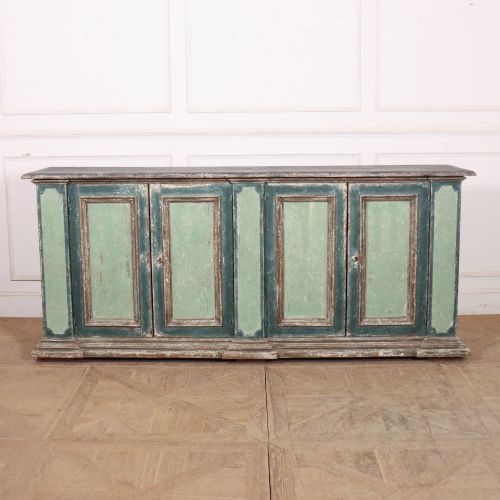
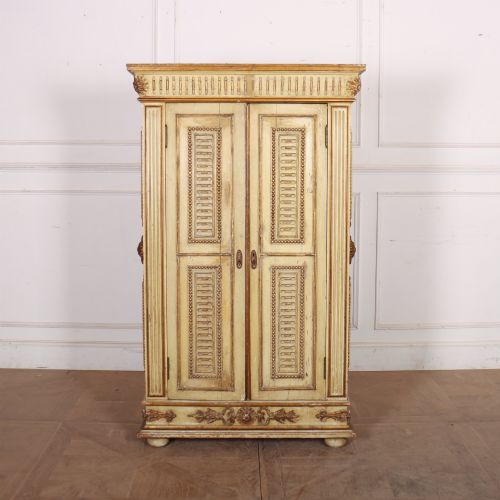
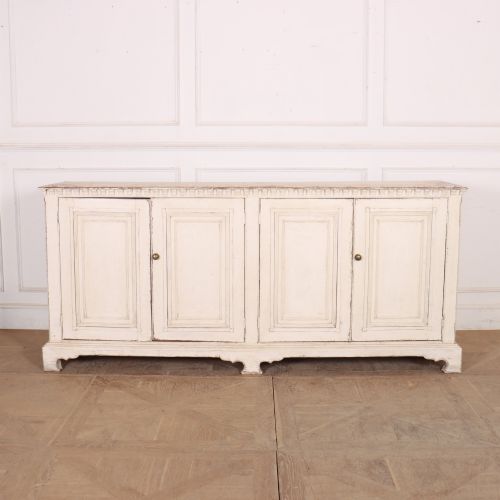
A painted italian cupboard brings rich colour and centuries of craftsmanship directly into a room, offering both practical storage and striking provincial or courtly character.
Painted Italian Cupboard
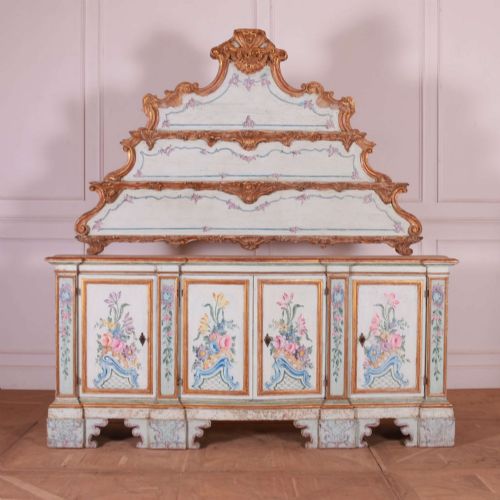
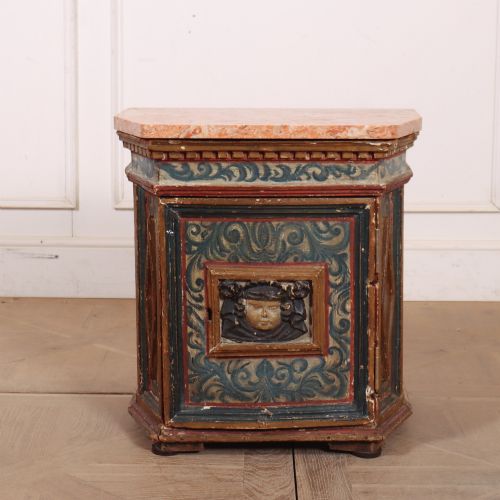
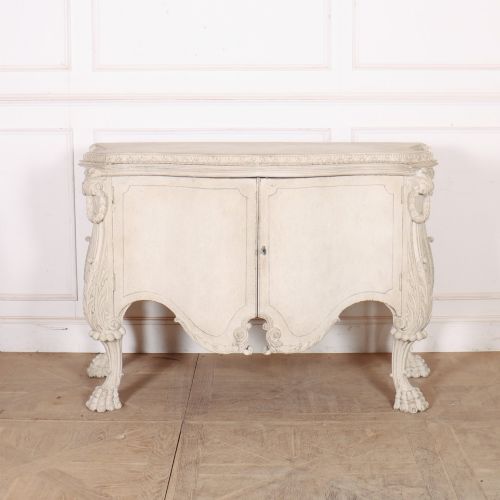
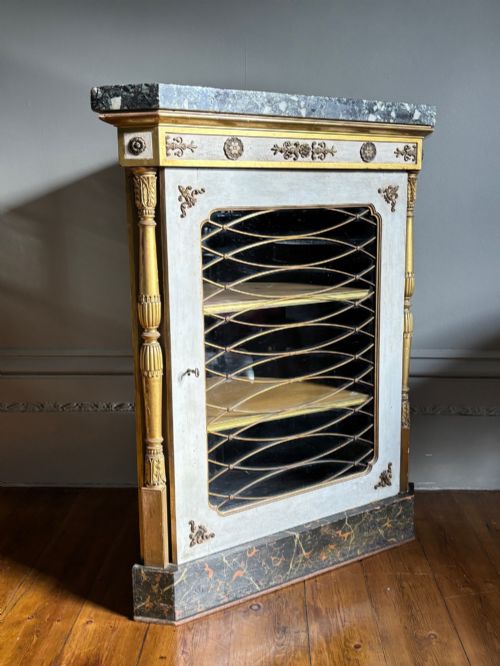
A painted italian cupboard encompasses a diverse range of storage forms, from monumental seventeenth-century architectural pieces to refined eighteenth-century Venetian buffets and nineteenth-century marriage cupboards. Buyers encounter various configurations including side cabinets, corner cupboards, enfilades, and bedside chests.
The aesthetic bridges regional provincial workshops and grand urban centres, drawing on styles such as Venetian Rococo, Italian Baroque, and neoclassical revival. Pieces typically emerge from historic periods spanning the seventeenth through the early twentieth centuries, constructed primarily in softwood and pine before receiving their surface ornamentation.
These items serve distinct interior functions, operating as cocktail cabinets, linen storage, or prominent sideboards within living and dining spaces. The surviving inventory reflects both the rustic utility of country houses and the elaborate decorative schemes of historic Italian palazzos.
How They Were Made
Construction relies fundamentally on timber carcasses, predominantly utilising softwood, pine, and occasionally walnut for structural integrity. Master joiners shaped these woods into serpentine, straight, or architectural forms before applying preparatory layers.
Surface decoration depends heavily on gesso applied to the wooden substrate to create a smooth ground for subsequent layers of paint, polychrome pigments, and occasional gold leaf. Iron and other metal hardware, including hinges and locks, complete the structural assembly.
Listings span periods from the seventeenth century through the 1930s, featuring materials such as painted wood, gesso, iron, and gold leaf.
What Varies in Quality
The hierarchy of quality rests upon the sophistication of the original painted surface and whether the polychrome decoration remains in its authentic state or reflects later intervention. Pieces featuring hand-executed Venetian Rococo motifs or delicate architectural gilding command greater aesthetic regard than simpler provincial finishes.
Structural complexity also dictates distinction, separating straightforward utilitarian cupboards from elaborate serpentine buffets, enfilades, and architectural tabernacles. The preservation of the original gesso and pigment layers provides the primary measure of historical integrity.
The Painted Italian Cupboard Glossary
- Enfilade
- A suite of rooms or a long cabinet designed with a sequence of matching compartments. This form provides expansive surface and interior capacity.
- Gesso
- A plaster mixture applied to wood to create a smooth surface for painting or gilding. It forms the essential foundation for traditional Italian polychrome decoration.
- Polychrome
- Decorated in multiple colours. This technique defines the vibrant surface aesthetic seen across Venetian and provincial Italian furniture.
- Serpentine
- A line or surface that curves inward and outward in a continuous wave. This undulating contour is characteristic of refined eighteenth-century case pieces.
Painted Italian Cupboard: Frequently Asked Questions
Where should I place a painted italian cupboard?
These pieces suit dining rooms, hallways, or living spaces where they function as sideboards, linen stores, or cocktail cabinets. Their decorative presence allows them to anchor a room as a focal point.
Ensure placement avoids direct sunlight and excessive humidity to protect the historic paint and gesso surfaces from degradation over time.
How do I care for antique painted wood?
Maintain the surface by dusting gently with a dry, soft cloth, avoiding commercial polishes or harsh chemical cleaners that can lift historic paint. Keeping the surrounding environment stable prevents wood movement.
Protect the finish from moisture and sharp objects by using coasters and mats on top surfaces.
How can I tell a provincial piece from a courtly one?
Provincial pieces often display simpler construction in softwood with robust, rustic painted finishes suited to country houses. They prioritise practical utility over complex ornamentation.
Courtly examples, such as those in the Venetian Rococo or neoclassical styles, utilise sophisticated serpentine forms, intricate polychrome scenes, and gilding intended for grand interiors.
What is the difference between a buffet and an enfilade?
A buffet is a side cabinet traditionally used for storing and serving food, often featuring doors and drawers. It serves as a practical yet decorative storage unit.
An enfilade is a much longer, extended low cabinet system providing a continuous sequence of doors or sections along a wall, designed for grander architectural proportions.