


Painted Iron Outdoor Chairs
Painted iron outdoor chairs offer enduring utility for terraces and lawns, spanning robust nineteenth-century castings to lighter interwar folding designs.
Painted Iron Outdoor Chairs
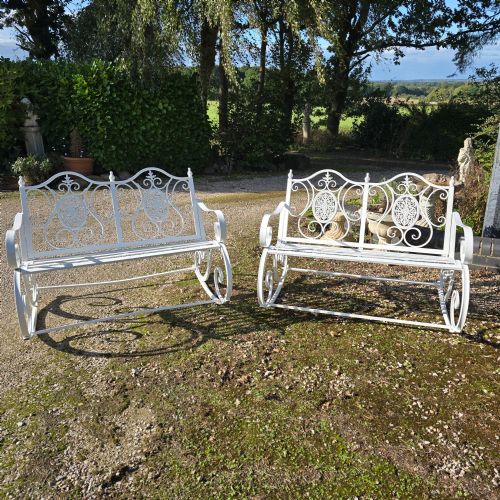
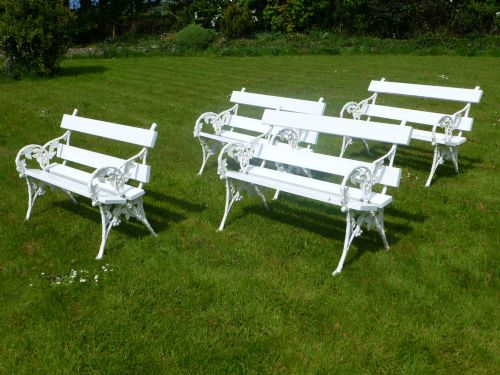
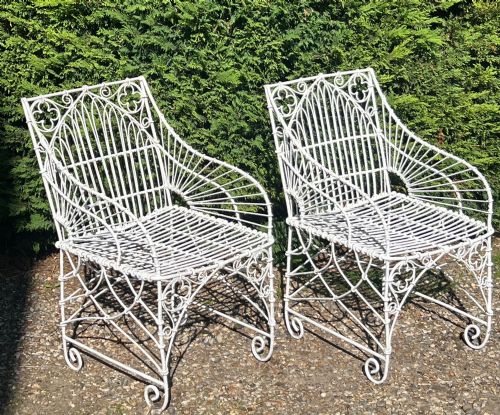
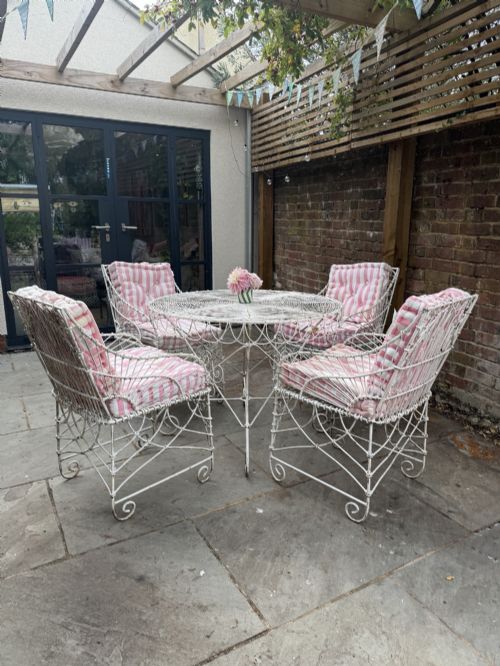
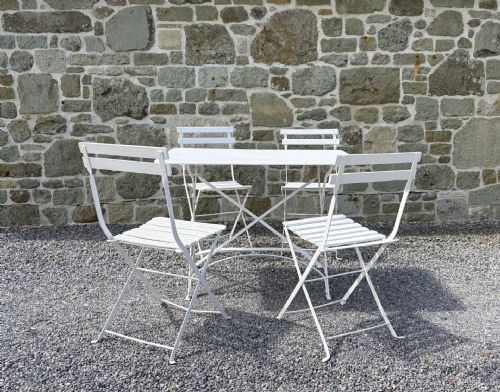
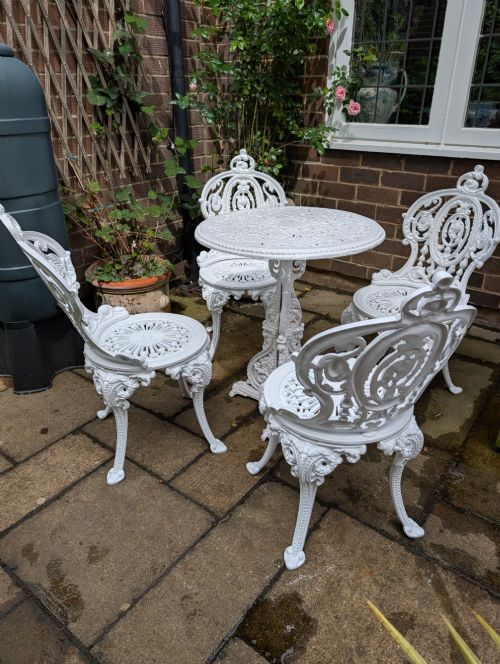
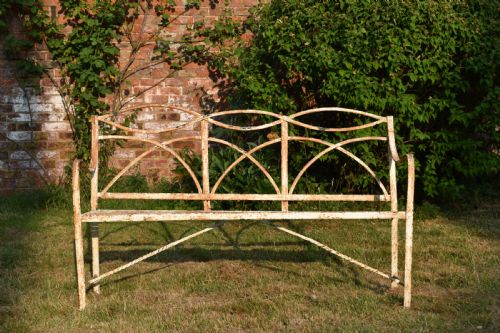
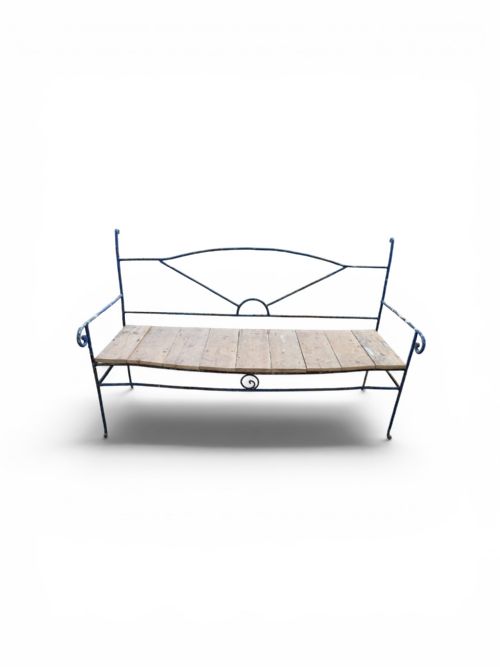
Painted iron outdoor chairs encompass a varied range of seating built for garden use, running from nineteenth-century cast iron designs to interwar folding examples. When you examine painted iron outdoor chairs on this page, you encounter pieces intended for lawns, terraces, and conservatories, often grouped with matching tables or benches.
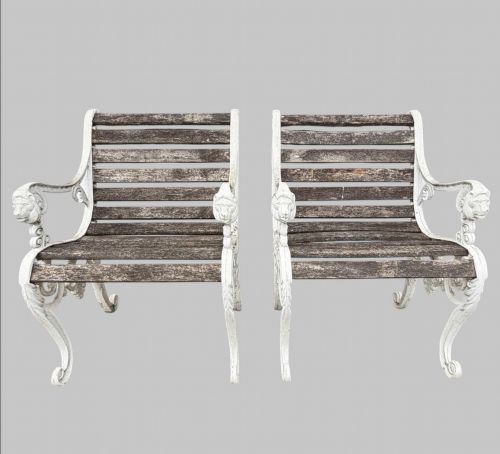
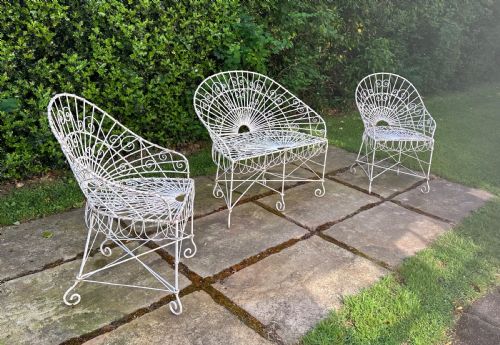
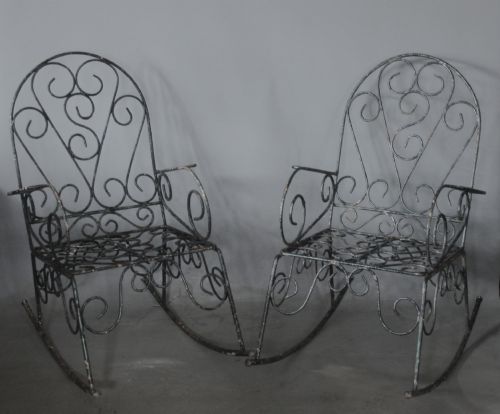
Earlier periods are represented by robust Victorian and nineteenth-century castings, whilst later decades bring lighter wirework and interwar patio settings. These variations mean a buyer can find anything from a single lion mask armchair to complete garden dining sets.
What varies in quality
The refinement of the metal casting and the complexity of the design separate standard production from superior examples. Pieces featuring detailed ornamentation, such as specific foundry attributions or sculptural elements like lion masks and botanical reliefs, demonstrate a higher level of artisanal execution.
Integrity of construction and the preservation of original or early forms also dictate the standing of a piece. Items that retain their structural soundness across joints, frames, and folding mechanisms without excessive replacement parts represent better examples of period manufacturing.
Several chairs feature fierce lion masks peering out from the armrests, presumably to keep unruly garden guests in line.
Falkirk Foundry·Christopher Dresser
The Painted Iron Outdoor Chairs Glossary
- Cast iron
- Iron poured into a mould to shape intricate decorative and structural elements. This technique allows for detailed reliefs such as foliage and animal motifs.
- Wrought iron
- Iron beaten or bent into shape by hand rather than poured into a mould. It yields resilient frames and linear structures found in various garden seats.
- Strapwork
- Ornamentation resembling interlaced leather bands or metal straps. This style appears frequently on Regency and nineteenth-century garden furniture.
- Wirework
- Metal strands woven or soldered together to form lighter garden furnishings. Pieces utilising this technique often date from the late nineteenth century.
- Gothic Revival
- A design movement reviving medieval architectural forms. In outdoor seating, this translates to pointed arches and ecclesiastical window tracery.
Painted Iron Outdoor Chairs: Frequently Asked Questions
Can painted iron outdoor chairs stay outside year-round?
Most painted iron outdoor chairs tolerate outdoor conditions well due to their heavy metal construction and protective paint layers. However, prolonged exposure to damp winters can accelerate surface wear.
Many owners choose to store them under cover or indoors during severe weather to preserve the painted finish and structural timber elements.
How do I identify a Victorian garden chair?
Victorian examples typically feature heavy cast iron frames with botanical motifs, such as leaves or berries, or architectural Gothic details. They often display substantial weight and robust construction methods typical of nineteenth-century foundries.
Comparing the casting crispness and decorative vocabulary helps distinguish these earlier pieces from lighter interwar or twentieth-century designs.
Are folding iron garden chairs sturdy?
French folding iron chairs are engineered to balance portability with everyday structural stability. Their hinged mechanisms allow for compact storage without sacrificing usability on level ground.
Checking the pivot points and locking mechanisms ensures the frame remains secure when opened for seating.
How should I clean painted iron garden furniture?
Gentle washing with mild soapy water and a soft brush removes accumulated dirt and organic debris without damaging the painted surface. Avoid abrasive cleaners or harsh scrubbing that might strip the protective coating.
Regular cleaning prevents moisture from trapping dirt against the metal and extends the life of the finish.