





Painted Interior Dresser
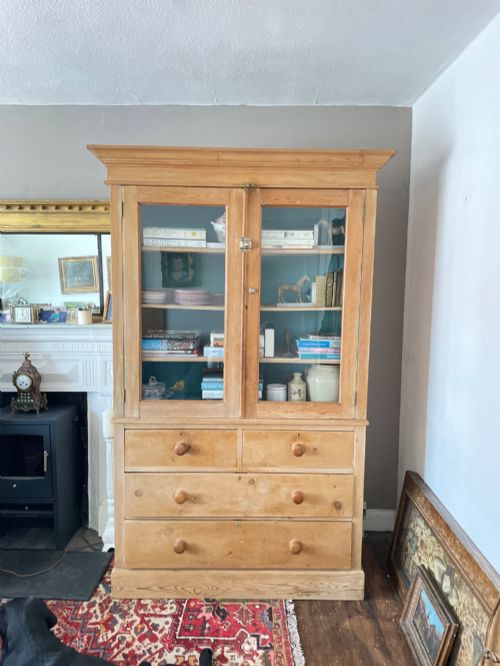
A painted interior dresser brings immediate architectural depth to a room, offering both display space and historic surface character.
Painted Interior Dresser
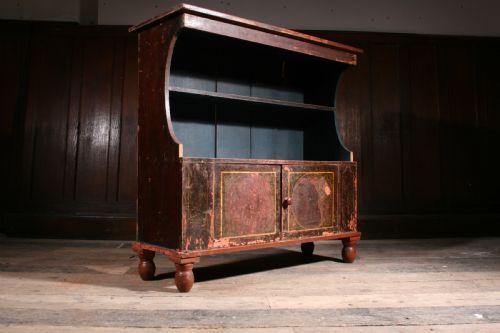
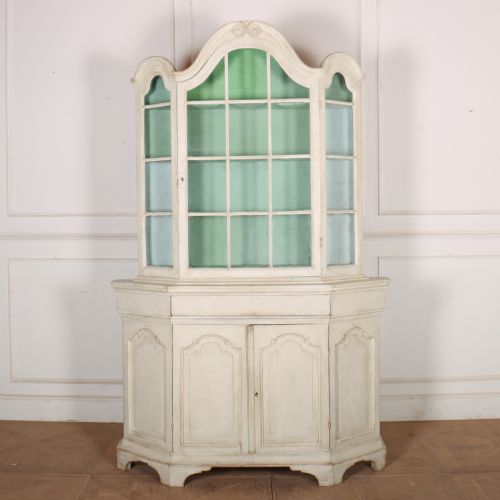
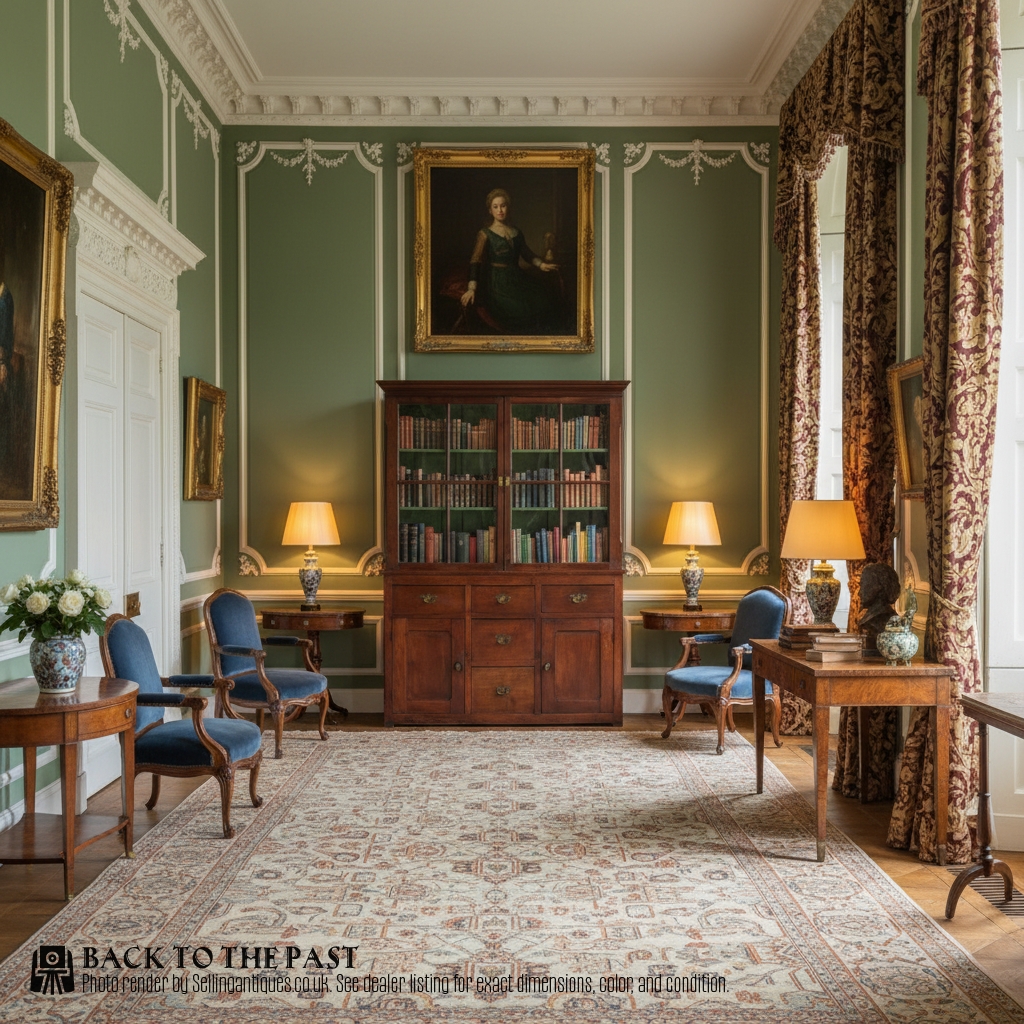
A painted interior dresser combines robust storage with a contrasting backdrop that highlights displayed objects. The pieces appearing here span Georgian, Victorian, and nineteenth-century periods, alongside regional English, Irish, Dutch, and Swedish provincial styles.
Forms on this page range from glazed bookcases and vitrines to open bookcases and traditional kitchen dressers. These items predominantly utilise pine, oak, and mixed woods finished with historic or original paint.
Buyers encounter examples originating from the West Country, Ireland, and continental workshops. Each piece reflects distinct local joinery traditions and utility demands of its era.
How they were made
Carpenters constructed these pieces using solid timbers like pine and oak, joined with traditional methods suited to regional workshops. Glass panels feature in glazed bookcase cabinets and vitrines to protect contents while maintaining visibility.
Surfaces received layers of paint, often applied during manufacture or through subsequent historic decoration. Brass and metal hardware, including hinges and handles, complete the construction of doors and drawers.
Painted Interior Dresser Retail Price Guide 2026
Typical asking prices for painted interior dresser among the pieces listed under this phrase on Sellingantiques today, from the lower quarter to the upper quarter. They describe what is for sale here now, not the wider market.
West Country dressers hide generations of kitchen salt and flour deep within their ancient pine grain.
What varies in quality
The integrity of the original paint surface dictates much of the character and desirability in these items. Unaltered finishes and genuine age show through organic wear and patina rather than modern intervention.
Proportions and regional detailing separate standard utility furniture from finer provincial examples. Clean architectural lines in cornices, original glass panes, and sound structural joinery define the better pieces.
The Painted Interior Dresser Glossary
- Vitrine
- A glass-fronted cabinet designed for displaying fine objects or books. Eighteenth-century Dutch examples often showcase sophisticated glazing bars.
- Breakfront
- A piece of furniture where the central section projects forward from the flanking sections. This configuration adds architectural depth to large bookcases.
- Glazed
- Fitted with glass panes within doors or side panels. This treatment protected valuable books and ceramics from dust.
- Patina
- The surface sheen and textural change acquired by wood and paint over centuries of use. It serves as a key indicator of genuine age.
Painted Interior Dresser: Frequently Asked Questions
What is a painted interior dresser?
A painted interior dresser is a storage piece featuring a contrasting painted surface inside its shelving or cabinet compartments. These items include kitchen dressers, bookcases, and display cabinets.
They serve both decorative and practical functions in historic interiors. The painted backdrop frames displayed items effectively.
How do I date a painted cabinet?
Dating relies on examining construction methods, timber selection, and hardware types used in the piece. Styles such as Georgian or Victorian provide broad chronological markers.
Paint analysis and surface wear also help confirm the period. Original paint layers offer strong evidence of the piece's age.
Where were these dressers made?
Many examples originate from regional English workshops, particularly the West Country. Others hail from Ireland, the Netherlands, and Sweden.
Local timber choices and regional joinery traditions help identify the origin. Provincial makers adapted broader stylistic trends to local needs.
How do I care for historic painted wood?
Historic painted wood requires stable indoor humidity levels away from direct sunlight and heat sources. Dusting with a soft, dry cloth preserves the fragile surface.
Harsh cleaning agents must be avoided to protect original paint layers. Gentle maintenance preserves the existing patina.