
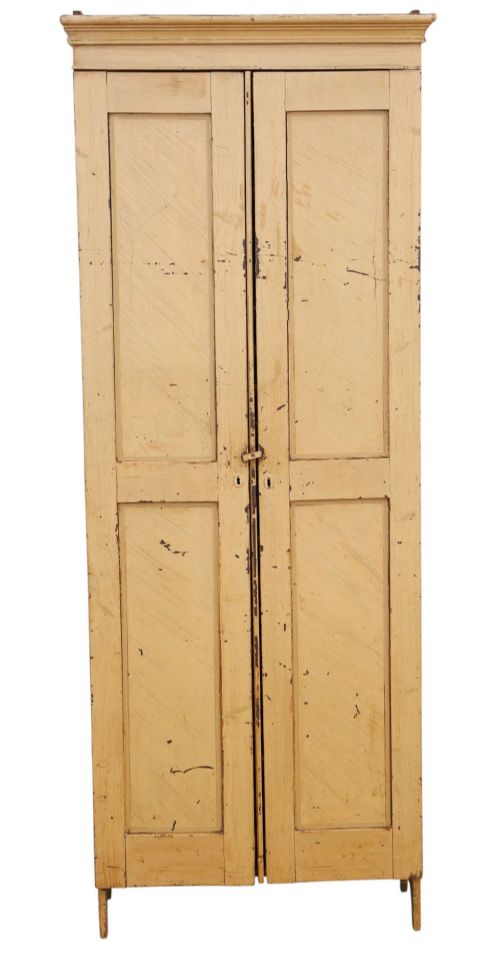
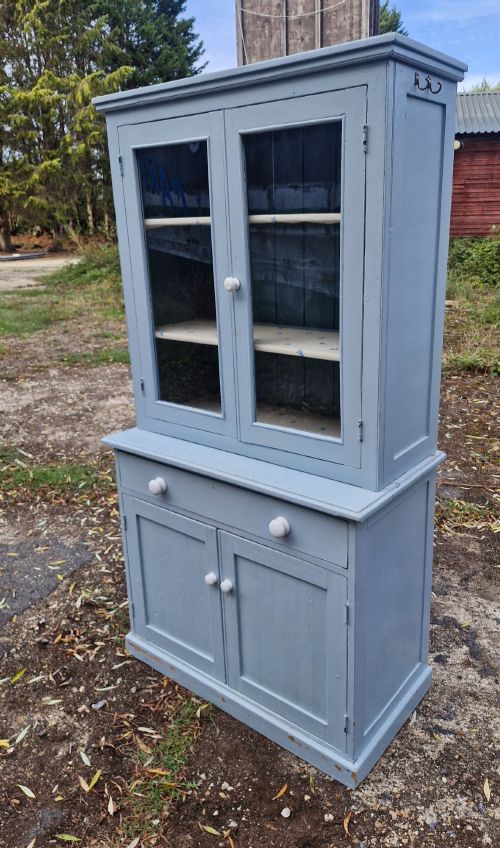
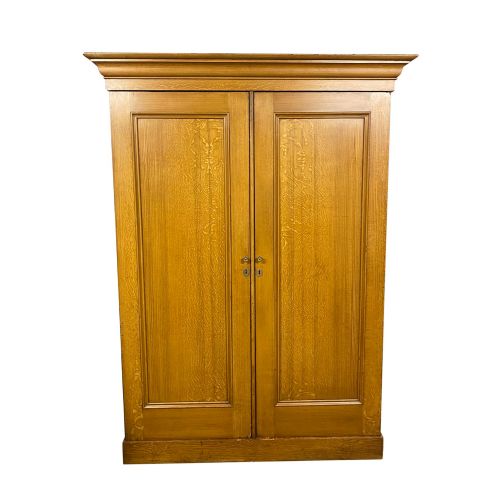
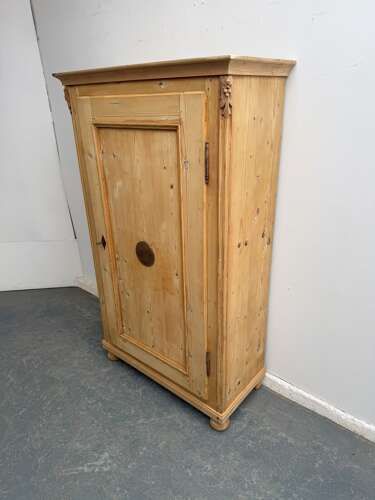
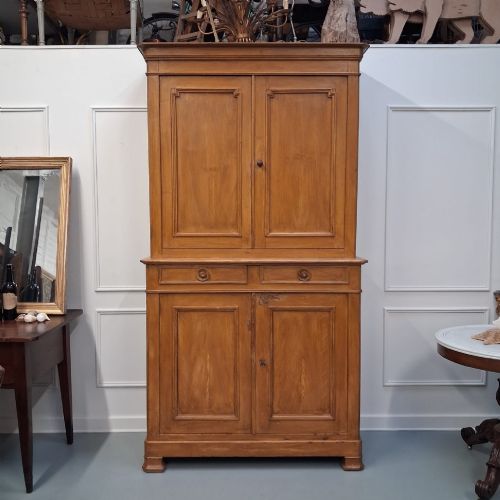
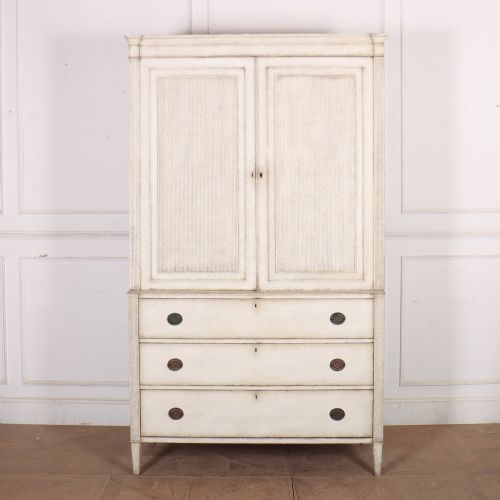
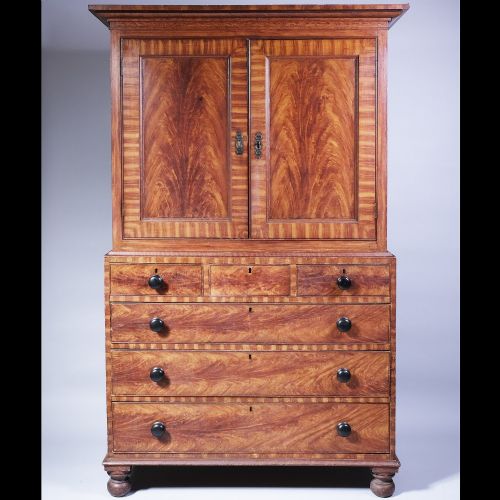
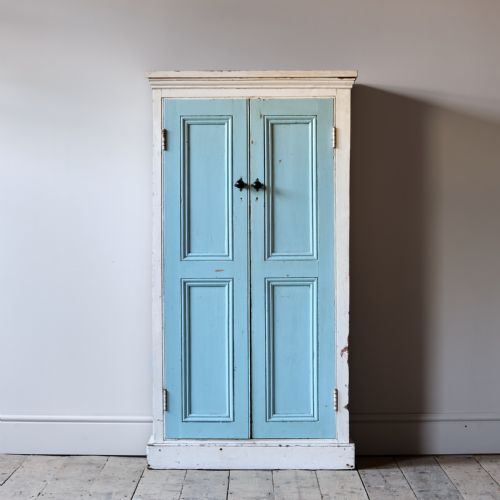
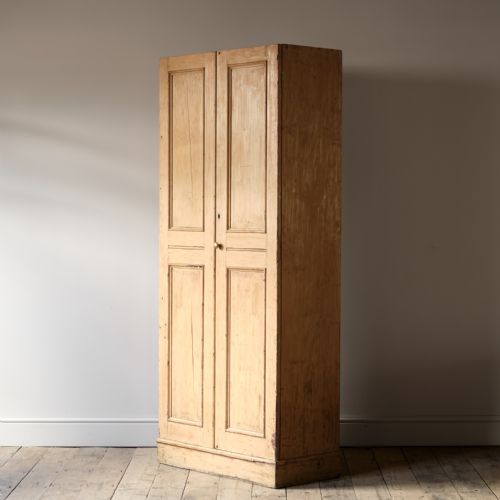
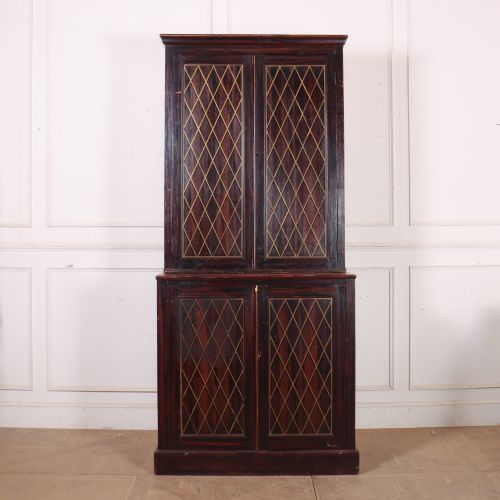
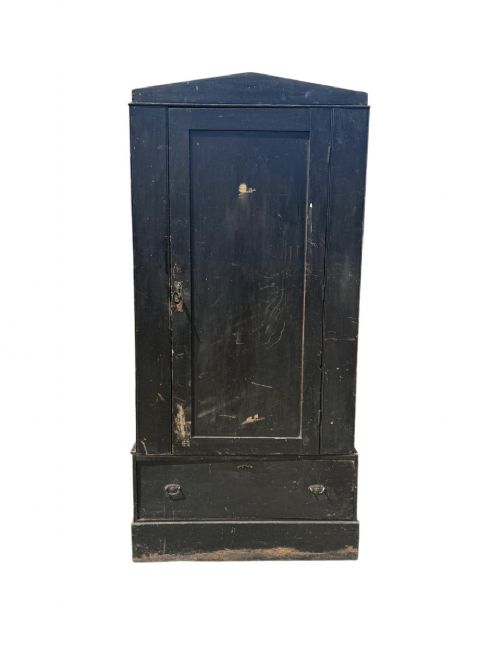
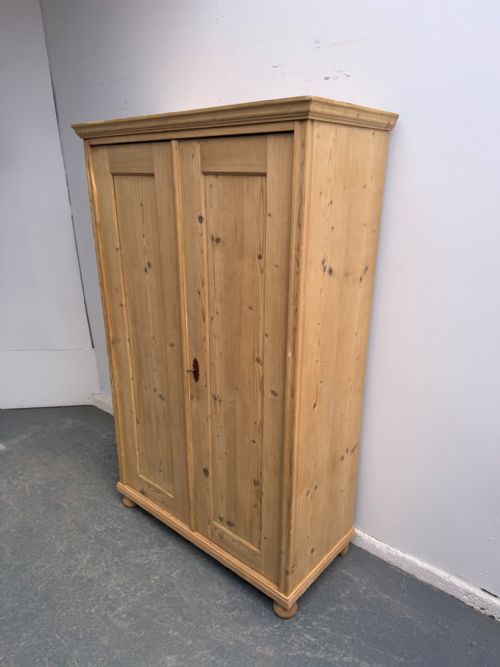
Painted Housekeepers Cupboard
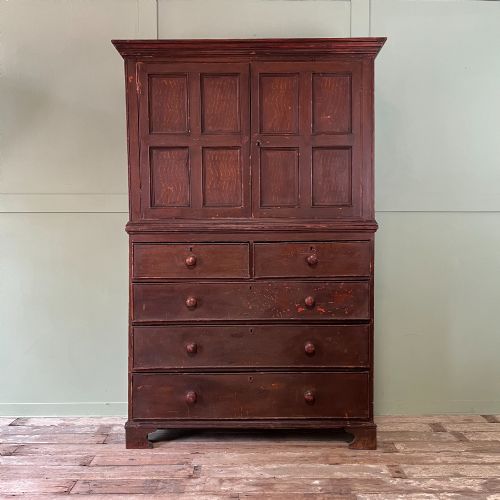
A painted housekeepers cupboard brings honest utility and decades of character to a room, offering generous storage through deep timber doors.
Identifying the painted housekeepers cupboard
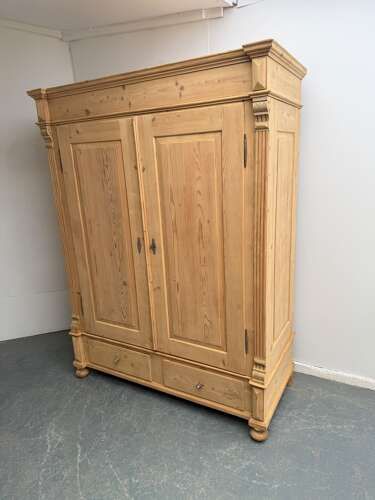
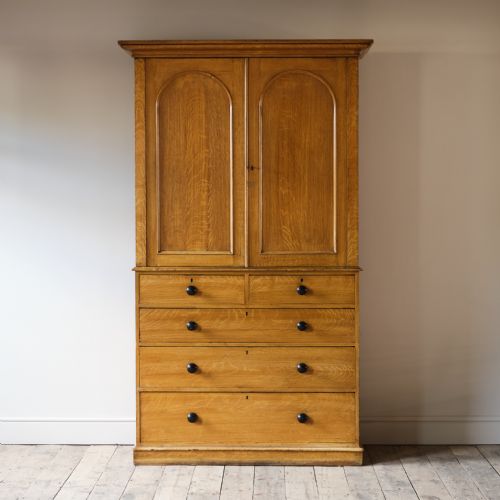
A painted housekeepers cupboard provides substantial storage through large doors, serving traditionally as a central repository for household linen and provisions. When exploring this phrase, buyers encounter large storage pieces originating from English, Scottish, French, Italian, and Swedish workshops.
The evidence shows these substantial cabinets spanning from the eighteenth century through the nineteenth century, including specific dates such as eighteen-fifty and eighteen-ninety alongside broader periods. Forms range from straightforward pine linen cupboards to substantial Georgian and Regency architectural pieces.
Regional variations appear frequently in the record, highlighting West Country, Scottish, and continental provincial aesthetics. These functional storage units often incorporate multiple internal shelves or hanging space behind their heavy timber panel doors.
Judging quality and proportion
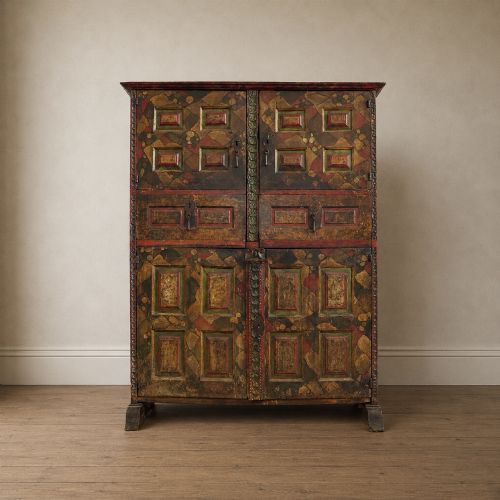
Quality rests upon the preservation of the original painted surface rather than a modern synthetic refinishing. Pieces retaining their early or original paint finish command greater historical interest from collectors.
Proportion and architectural presence separate simpler utilitarian boxes from finer country examples. Well-balanced cornices, original ironwork, and untouched timber joinery elevate a cupboard above standard utility ware.
Retail Price Guide 2026
Typical UK retail prices for painted housekeepers cupboard, calculated from the Sellingantiques database of over a million retail prices indexed since 2003. This retail price guide relies exclusively on Sellingantiques data; no external sources or auction records are used, so the figures do not describe the wider market.
Listings demonstrate that pine is the dominant material, complemented by iron and brass hardware across English, Scottish, French, Italian, and Swedish origins.
The Painted Housekeepers Cupboard Glossary
- Pine
- A soft timber extensively utilised for country furniture due to its availability and workability. It accepts paint finishes readily and forms the primary structural material for these large cupboards.
- Carcass
- The main structural body or frame of a cabinet without doors or fittings. This foundational framework supports the heavy loads of stored household linens.
- Cornice
- The decorative moulded projection that crowns the top of a large cupboard. It provides a visual cap to the architectural height of the piece.
- Patina
- The surface sheen and texture developed through years of handling, polishing, and natural ageing. This quality indicates the genuine antiquity of the painted finish.
Frequently Asked Questions
What rooms suit a housekeepers cupboard?
These large storage cabinets suit spacious kitchens, hallways, and bedrooms where substantial capacity is required. Their deep proportions absorb bulky items while adding historical presence to modern interiors.
Positioning requires measuring ceiling heights and doorway clearances carefully before purchase, as these pieces arrive fully assembled from their historic workshops.
How do I care for original paint?
Preserving historic paint surfaces involves avoiding harsh chemical cleaners and modern solvent-based polishes. Dusting gently with a dry, soft cloth protects the fragile layers of historic pigment.
Keep these cupboards away from direct heat sources and excessive moisture to prevent the underlying pine timber from warping or the paint from flaking.
Are these cupboards deep enough for linens?
The internal depth accommodates folded blankets, heavy linen stacks, and winter bedding with ease. Their original domestic purpose demanded substantial internal volume for household inventories.
Shelves within these cupboards are frequently fixed or supported by traditional timber bearers, offering sturdy platforms for heavy textiles.
How do I distinguish eighteenth and nineteenth century pieces?
Eighteenth-century examples often display simpler, hand-hewn joinery and heavier panel construction reflecting earlier rural craftsmanship. Iron hardware from this era tends to be hand-forged rather than machine-made.
Nineteenth-century variants frequently incorporate more regular mouldings and sometimes finer painted details associated with Regency or Victorian provincial design.