

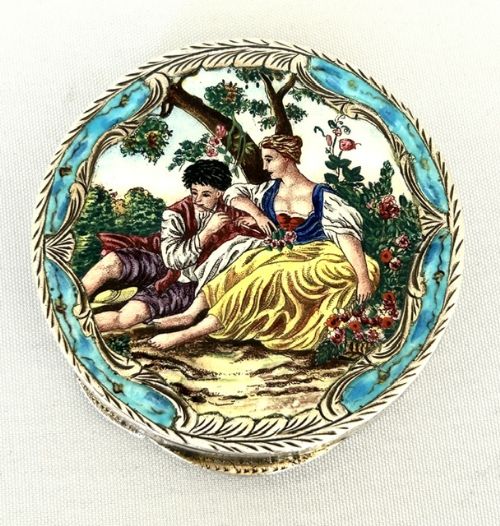


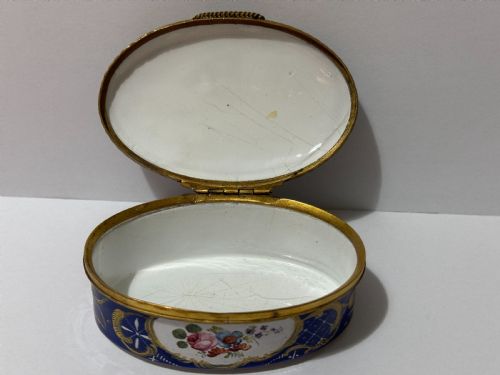


Painted Enamel Trinket Box
A painted enamel trinket box brings miniature artistry to a dressing table, offering a colourful container for small valuables.
Painted Enamel Trinket Box
When you search for a painted enamel trinket box, you encounter small decorative containers originating primarily from the eighteenth and nineteenth centuries. These pieces encompass various forms including patch boxes, snuff boxes, and dressing table jars.
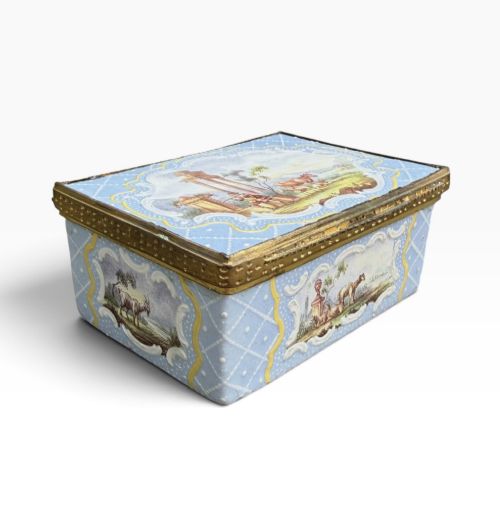
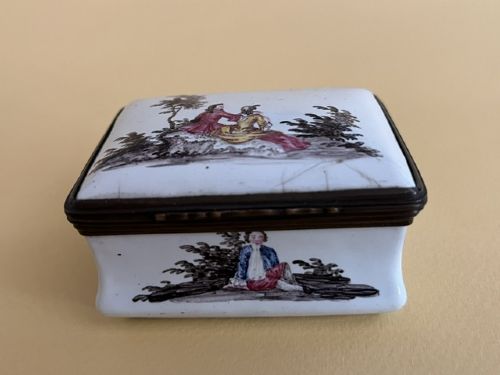
The selections span distinct regional traditions such as English South Staffordshire and Bilston workshops, alongside continental French, Austrian, and Chinese export wares. Eighteenth-century examples frequently feature hinged metal mounts and detailed pictorial lids.
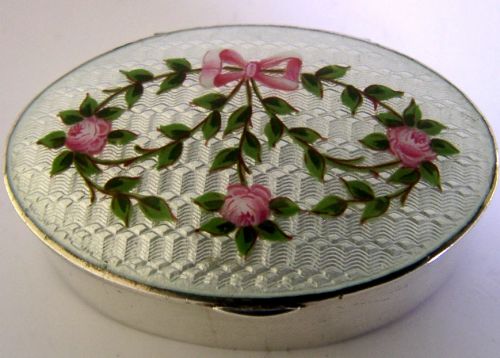
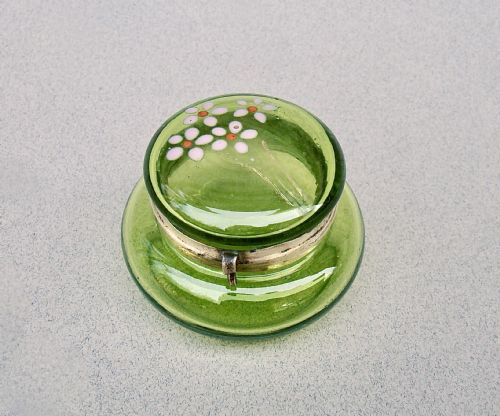
Nineteenth-century items often incorporate coloured glass or porcelain bodies with hand-painted motifs. Georgian and Victorian iterations dominate the offerings, showcasing both pastoral scenes and formal floral arrangements.
Materials and construction
These pieces rely on fused vitreous enamel applied to copper, brass, porcelain, or glass bases. Artisans heated the powdered glass compounds until smooth, creating a durable glossy surface ready for hand-painted decoration.
Metal mounts in gilt, ormolu, or sterling silver frame many of the enamel plaques and glass bodies. Hinge mechanisms and bezels secure the lids to the lower containers, often utilising close-fitting copper collars.
Listings feature eighteenth-century copper and enamel pieces alongside nineteenth-century French porcelain and coloured glass containers.
Judging the work
Quality rests in the precision of the miniature painting and the crispness of the enamel firing. Pieces with finely detailed brushwork on pastoral or floral subjects indicate superior workshop standards.
The integrity of the metal mounts and the smoothness of the enamel surface dictate the overall standard. Examples displaying minimal surface crazing and secure, well-aligned hinges represent the higher tier of production.
The Painted Enamel Trinket Box Glossary
- Bilston enamel
- A type of vitreous enamel object produced in the Staffordshire town of Bilston during the eighteenth century. These typically feature copper cores with white enamel coatings and hand-painted top designs.
- Patch box
- A small container utilised in the Georgian era for holding small adhesive fabric patches worn on the face. They commonly feature a mirror fitted to the interior lid.
- Bonbonniere
- A small ornamental box designed to hold sweets or sugar plums. These often take whimsical or figurative shapes.
- Guilloche enamel
- A decorative technique where translucent enamel is layered over precisely engraved metalwork. This method creates geometric patterns that show through the glossy coloured surface.
- Ormolu
- Gilded bronze or brass utilised for decorative mounts and framing elements. It provides a bright golden accent to enamel and porcelain bodies.
Painted Enamel Trinket Box: Frequently Asked Questions
What were painted enamel boxes used for?
These small containers served practical purposes in daily eighteenth and nineteenth-century life, holding cosmetics, snuff, or small adhesive beauty patches. Owners kept them on dressing tables or carried them in pockets for convenient access.
Over time, their function shifted from utilitarian daily accessories to decorative cabinet pieces and collectibles. Their intricate painted lids made them popular tokens of affection and souvenirs from fashionable travels.
How do I date an enamel box?
Dating relies on examining the construction of the metal mounts, the style of the hand-painted decoration, and the base material. Eighteenth-century English pieces usually feature copper bases with thick white enamel and simple brass hinges.
Later nineteenth-century examples often incorporate glass or porcelain bodies, alongside sterling silver mounts and more complex machine-engraved backgrounds. Comparing the artistic motifs to known period styles helps narrow the manufacturing decade.
Are these boxes made of copper?
Many traditional English and continental boxes feature a forged copper base beneath the opaque white enamel coating. Artisans hammered or spun the copper into shape before applying the glass paste.
Other variants utilise brass, sterling silver, porcelain, or coloured glass as the primary structural body. The underlying material often depends on the geographic origin and the specific workshop tradition.
How do I care for antique enamel?
Maintenance requires gentle handling and protection from sharp impacts that might chip the fragile glass surface. Cleaning should involve only a soft, dry cloth to remove dust without moisture.
Keep pieces away from direct sunlight and extreme temperature fluctuations to prevent stress on the metal and enamel bonds. Proper placement away from high-moisture areas ensures the metal mounts retain their polish.