



Painted Enamel Case
These painted enamel case pieces bring delicate hand-painted artistry to precious metals and horn, offering a refined way to carry daily necessaries.
Painted Enamel Case
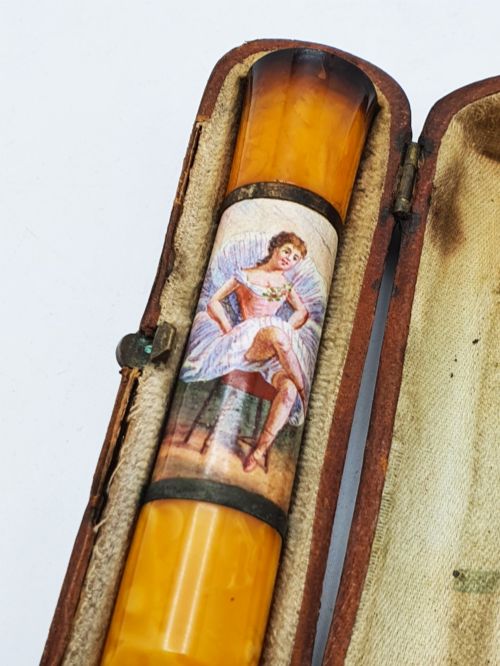
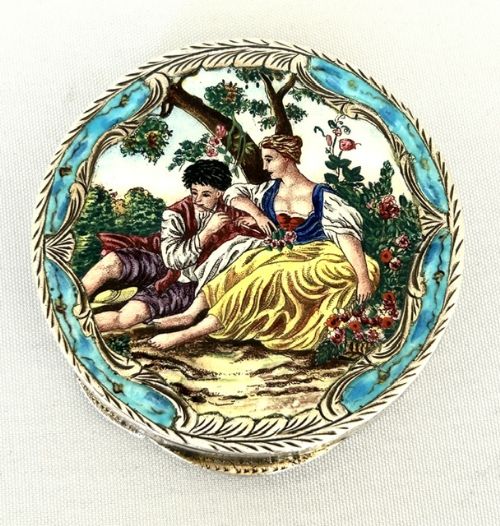
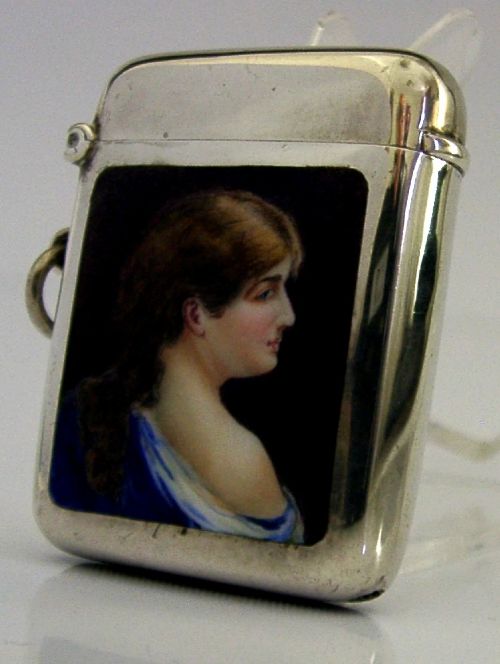
A painted enamel case encompasses various small containers and protective vessels featuring detailed miniature scenes or floral motifs applied in vitreous enamel. These objects span periods from the eighteenth century through the art deco era, incorporating compacts, vesta cases, cigarette holders, and pocket watch outer shells.
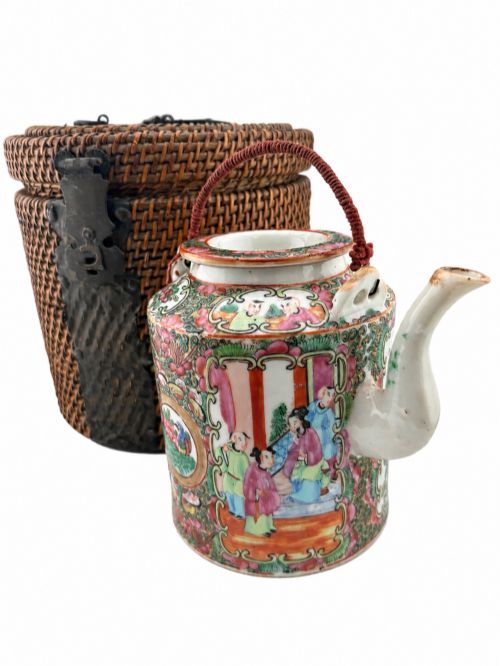
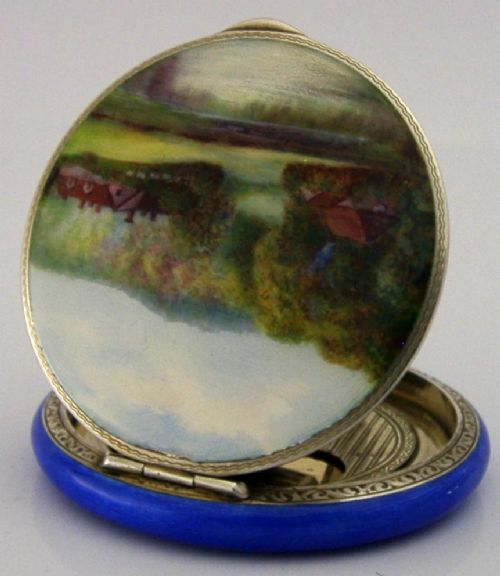
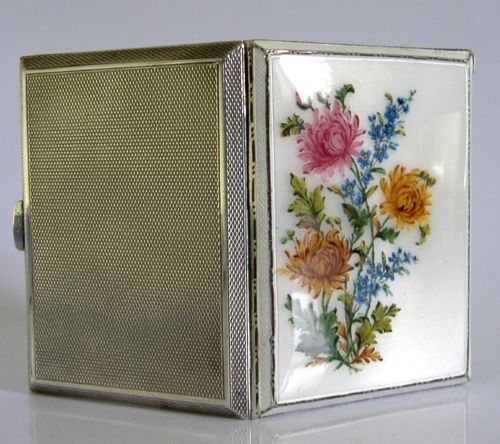
The pieces on this page lean heavily towards sterling silver compacts and vesta cases from the late nineteenth and early twentieth centuries. Alongside these are earlier eighteenth-century examples including horn-backed pocket watch pairs and Chinese export porcelain travel sets housed in woven wicker baskets.
Collectors encounter diverse forms ranging from floral boudoir timepieces and card cases to Italian scenic compacts. Each item serves a practical function while displaying miniature decorative artistry preserved across decades.
Materials and construction methods
The construction relies on fusing powdered glass enamel onto metal surfaces, predominantly sterling silver, through high-temperature firing. This vitreous layer provides a smooth, glossy canvas for delicate hand-painted details such as chrysanthemums and scenic vistas.
Base structures vary from sturdy silver boxes and horn watch pairs to delicate porcelain tea vessels accompanied by original wicker protective cases. Artisans also integrated gold leaf accents and glass components to enrich the visual depth of the decorative surfaces.
Painted Enamel Case Retail Price Guide 2026
Typical asking prices for painted enamel case among the pieces listed under this phrase on Sellingantiques today, from the lower quarter to the upper quarter. They describe what is for sale here now, not the wider market.
Listings feature sterling silver, vitreous enamel, horn, and porcelain across the nineteenth and twentieth centuries.
Assessing quality and craftsmanship
The refinement of the hand-painted miniature work distinguishes superior examples from standard production pieces. Finer items exhibit precise brushwork, nuanced colour blending, and well-preserved enamel free from heavy surface disruption.
The quality of the mounting metalwork, such as solid sterling silver hinges and secure closures, dictates the durability and overall integrity of the piece. Well-executed hallmarks and intact original protective elements further elevate the standing of an item.
William Neale·J Wilders London
The Painted Enamel Case Glossary
- Vitreous enamel
- Glass powder fused to a metal substrate through kiln firing. This technique creates a hard, lustrous decorative surface.
- Vesta case
- A small pocket container designed to hold matches and keep them dry. They frequently feature hinged lids and decorated silver or enamel bodies.
- Pair cased
- A pocket watch design utilising two separate protective cases, where an inner watch fits snugly inside an outer shell.
- Famille rose
- A Chinese ceramic palette dominated by opaque pink enamel colours. It appears frequently on eighteenth-century export porcelain pieces.
- Boudoir timepiece
- A small clock intended for a private bedroom or dressing room. These often incorporate decorative enamel panels and precious metal mounts.
Painted Enamel Case: Frequently Asked Questions
How do I clean a painted enamel case?
Clean the exterior gently with a soft, dry cloth to remove dust without abrasive pressure.
Avoid liquid dips or harsh chemical cleaners that can damage fragile vitreous enamel and aged silver.
What periods do these cases come from?
The selection includes eighteenth-century horn-backed designs and Chinese export pieces alongside Victorian and Edwardian silver items.
Later twentieth-century examples extend into art deco compacts and boudoir timepieces from the nineteen-twenties and thirties.
Were vesta cases used daily?
These small containers served as everyday pocket accessories for carrying matches before the widespread availability of modern lighters.
Their decorative enamel surfaces transformed a utilitarian object into a personal fashion accessory.
How are silver and enamel pieces hallmarked?
British silver items typically bear standard hallmarks indicating the assay office, metal purity, and date letter.
Enamel decoration was applied over or around these stamped marks depending on the maker and period.