




Painted Drop Leaf Table
A painted drop leaf table offers clever folding leaves and decorative painted surfaces, bringing both versatility and colour to any room.
Painted Drop Leaf Table
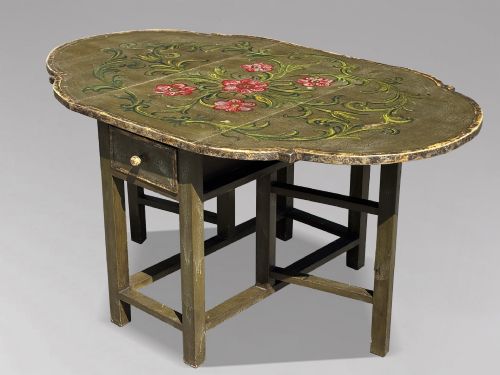
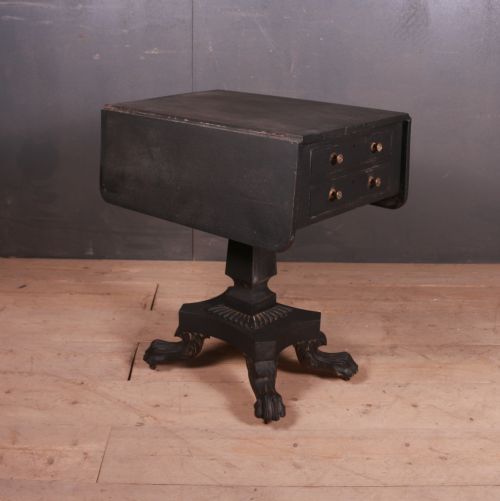
A painted drop leaf table combines hinged leaves with a painted finish, serving as a versatile folding surface for dining, tea, or occasional use. When you search for a painted drop leaf table, you encounter diverse forms ranging from compact lamp tables to large kitchen dining tables.
The pieces appearing on this page span several distinct periods including the 18th century, Regency, Victorian, Edwardian, and 1920. Styles vary widely from Italian folk art and Chinoiserie to Scandinavian country, Georgian, and Sheraton.
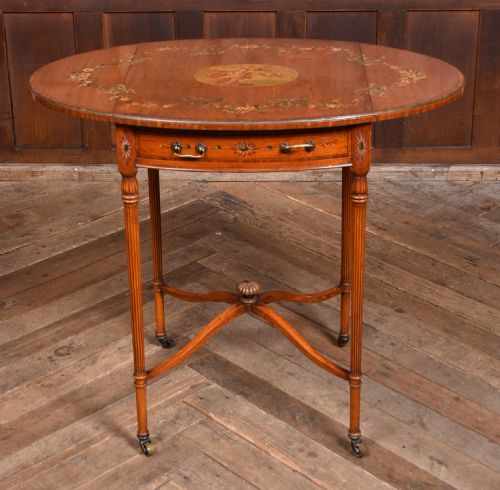
Common formats include Pembroke tables, sofa tables, gateleg tables, and spider leg tables constructed in woods like mahogany, satinwood, and pine. These tables adapt easily to smaller spaces because their leaves drop down when floor space is needed.
How They Were Made
Cabinet makers constructed these tables using timbers such as mahogany, satinwood, pine, and oak, applying hinges to allow the drop leaves to fold smoothly against the central frame. Solid wood construction provided the sturdy foundation necessary for folding leaves and daily use.
Surfaces were finished with paint, lacquer, or hand-painted details, encompassing styles from Italian green paint to Chinoiserie motifs and Scandinavian painted finishes. Brass fittings frequently appeared on Pembroke and sofa tables to support drawers and pivoting leaves.
Painted Drop Leaf Table Retail Price Guide 2026
Typical asking prices for painted drop leaf table among the pieces listed under this phrase on Sellingantiques today, from the lower quarter to the upper quarter. They describe what is for sale here now, not the wider market.
Listings feature periods from the 18th century through to 1920, utilising materials such as mahogany, pine, satinwood, and painted wood.
What Varies in Quality
The refinement of the painted decoration distinguishes simpler country pieces from high-style examples featuring intricate Chinoiserie or delicate satinwood painting. Finely executed hand-painted motifs and well-preserved lacquered surfaces elevate a table's visual appeal.
Choice of timber and joinery integrity also set pieces apart, with superior tables utilising dense hardwoods like mahogany or finely grained satinwood alongside robust drop-leaf mechanisms. The balance between practical folding function and decorative artistry determines the standing of each piece.
The Painted Drop Leaf Table Glossary
- Drop-leaf table
- A table with a fixed centre section and hinged leaves that fold down at the sides. This design allows the footprint of the furniture to expand or contract depending on the occasion.
- Pembroke table
- A rectangular table with two hinged drop leaves on opposite sides, typically featuring one or two small drawers. It originated in the 18th century as a breakfast or occasional table.
- Sofa table
- A narrow drop-leaf table designed traditionally to stand directly in front of a sofa. These pieces often incorporate drawers and double pedestal bases.
- Gateleg table
- A drop-leaf table where the leaves are supported by swing legs that pull out like a gate. This construction provides strong structural support for large dining surfaces.
- Chinoiserie
- European decorative style that reflects Chinese artistic traditions, often featuring painted motifs of figures, landscapes, and pagodas. It was particularly popular on lacquered and painted furniture.
Painted Drop Leaf Table: Frequently Asked Questions
What is a painted drop leaf table?
A painted drop leaf table is a piece of furniture featuring hinged leaves that lower or rise, coated in a painted or lacquered finish. These tables range from small lamp and occasional tables to large dining and kitchen tables.
The painted surfaces include simple country colours, folk art, and detailed Chinoiserie or neoclassical decoration. They provide flexible surface space while introducing decorative colour to an interior.
How do you use a drop leaf table?
You use a drop leaf table by lifting one or both hinged side leaves and securing them with folding brackets, swing legs, or pull-out supports. This lets you expand the surface for dining or working.
When extra space is needed in a room, you simply drop the leaves down so the table rests flat against a wall or takes up minimal floor area.
Where did drop leaf tables originate?
Drop leaf tables developed in Britain during the 17th century as joiners sought ways to create flexible furniture for smaller domestic spaces. The design quickly spread across Europe.
Different regions adopted local variations, such as Swedish slagbord tables or Dutch oak tables, combining indigenous timbers with regional painting traditions.