


Painted Dressing Seat
A painted dressing seat offers practical comfort at a vanity while introducing period character through finished woodwork.
Painted Dressing Seat
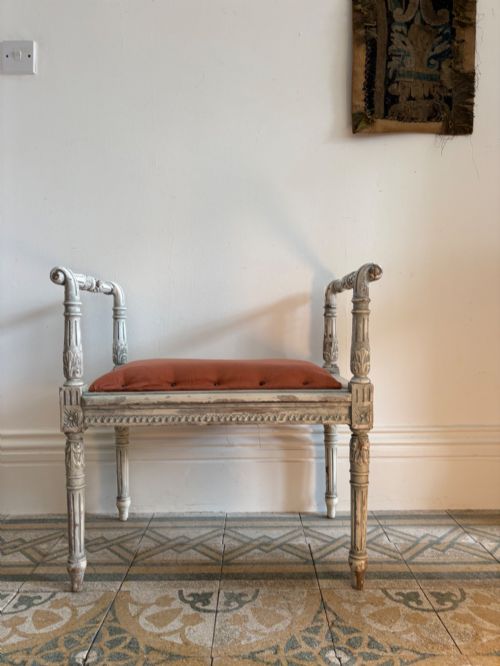
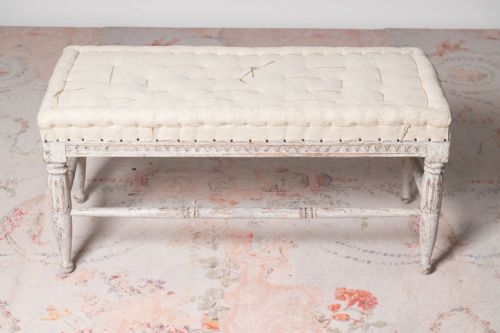
A painted dressing seat is a small bench, stool or footstool designed for use at a dressing table or in a boudoir. Buyers seeking a painted dressing seat will find pieces ranging from compact individual footstools to longer benches.
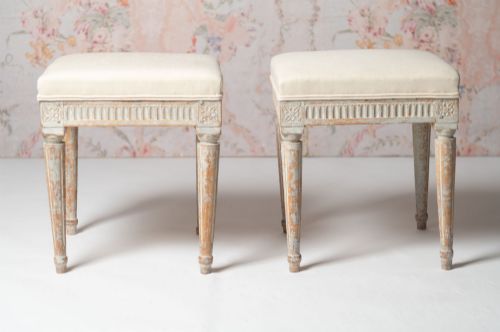
The selections span several periods including the 18th Century, 19th Century, and 20th Century up to the 1950s. The most common origins encountered here are Swedish Gustavian and French styles such as Louis XV and Louis XVI.
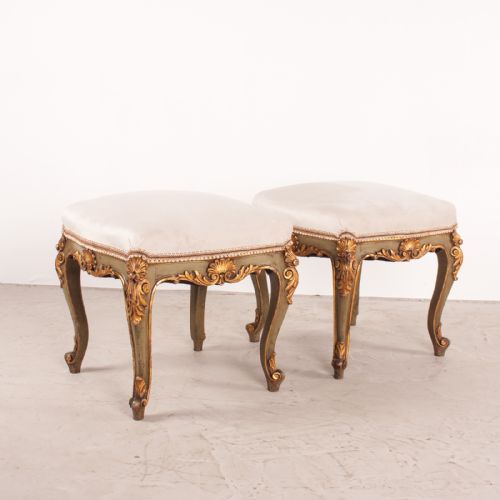
Makers utilised wood as the primary structural material, often finished with paint, gilding or gold leaf. Seats feature upholstery in linen, fabric, silk or canvas to provide comfortable use.
How they were made
Carpenters constructed these seats using solid wood, applying carved details by hand on many continental European examples. Frames were then coated with paint and occasionally enhanced with gold leaf to highlight the carved motifs.
Upholstery completed the piece, securing materials such as linen, silk, and fabric over internal padding. This combination of painted wooden frames and textile tops defined the classic dressing seat aesthetic.
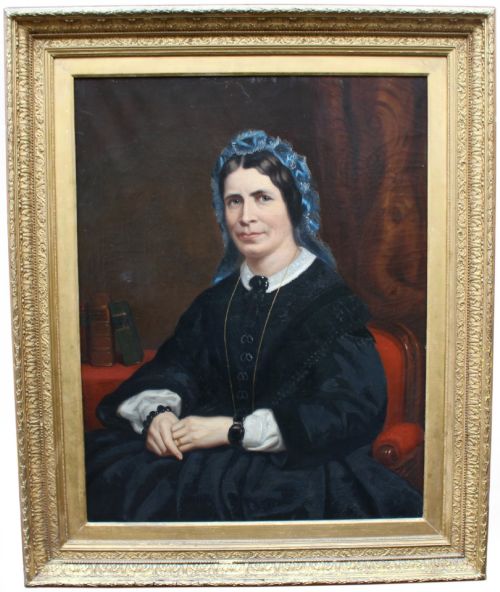
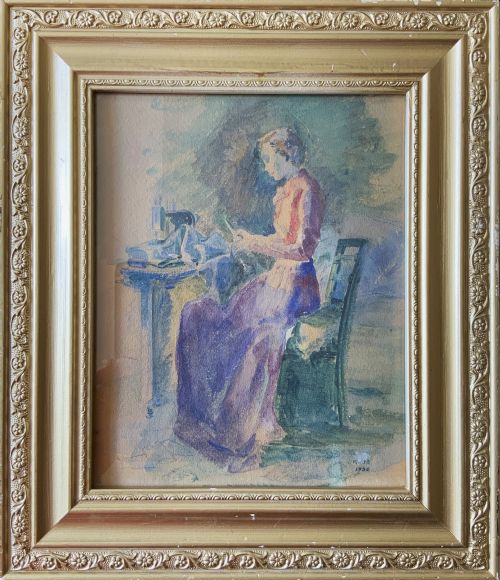
Even portraits of seamsters and flappers in these pages seem to eye the nearby dressing seats with quiet professional envy.
What varies in quality
Quality in a painted dressing seat rests upon the crispness of the original woodwork and the authenticity of the paint surface. Hand-carved details on frames show greater depth and precision than simpler turned or cast alternatives.
The integrity of the painted finish dictates much of the visual appeal, where layered historic paint or genuine gilding outshines modern repainting. Selection of fine textiles for the upholstery further elevates the standing of a piece.
Miles & Edwards·Smith of London·John Raphael Smith·William Owen RA·Gaston Bouy
The Painted Dressing Seat Glossary
- Gustavian
- A Swedish neoclassical style characterised by restrained classical carving, light painted finishes and elegant proportions. It emerged during the late 18th century and remains popular in Scandinavian design.
- Curule
- An ancient X-frame chair or stool form with intersecting legs. This ancient Roman shape was revived during the Regency and 19th century periods for formal seating.
- Gilding
- The application of thin gold leaf or powder to a wooden surface. It was used on frames to create a reflective metallic highlight alongside painted areas.
- Boudoir stool
- A low, decorative seat intended for a private dressing room or bedroom. These pieces often feature upholstered tops in silk or fine fabric.
Painted Dressing Seat: Frequently Asked Questions
Where did people use a painted dressing seat?
These seats were placed in bedrooms or dressing rooms in front of a vanity table. They provided a compact and portable place to sit while grooming or dressing.
Over time, owners also utilised them as occasional footstools or decorative benches in sitting rooms and hallways.
How do I identify a Gustavian style seat?
Gustavian pieces often display pale painted wooden surfaces with understated neoclassical carvings. They reflect Swedish interpretations of French Louis XVI design.
Look for fluted legs, restrained floral motifs, and light colour palettes that define Scandinavian antiques.
What fabrics were used for the upholstery?
Original upholstery typically included woven linen, heavy silk, or durable cotton fabrics. These materials were chosen to complement the painted or gilded wooden frames.
Many antique seats have been reupholstered in period-appropriate textiles to maintain their decorative appearance.
Can these seats support daily sitting?
Most antique dressing seats remain structurally sound for regular use as accent chairs or vanity stools. Solid wood construction ensures lasting stability.
However, buyers should consider the age of internal webbing and padding when planning for heavy everyday seating.