
French Bedroom Seat
A french bedroom seat brings continental elegance to a dressing room, combining carved woodwork with soft upholstery for private repose.
French Bedroom Seat
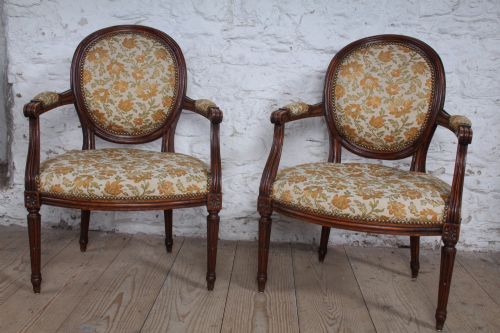
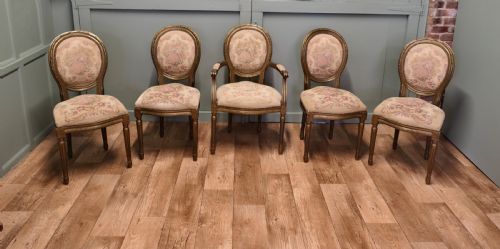
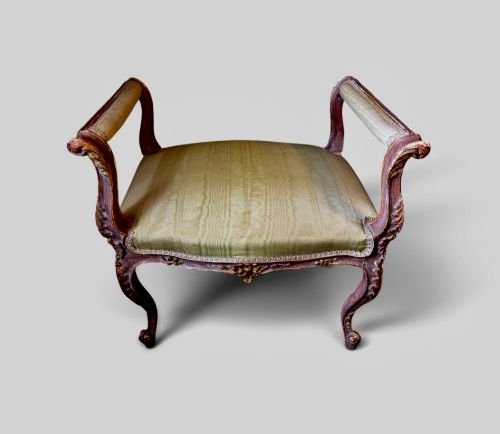
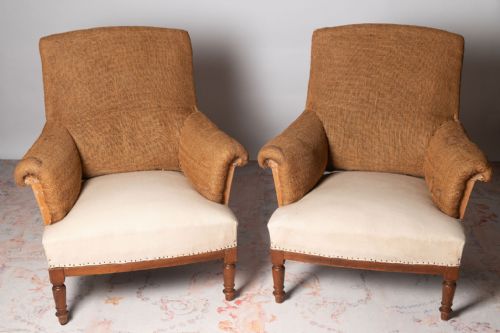
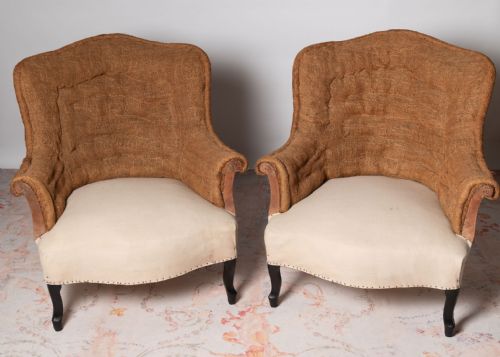
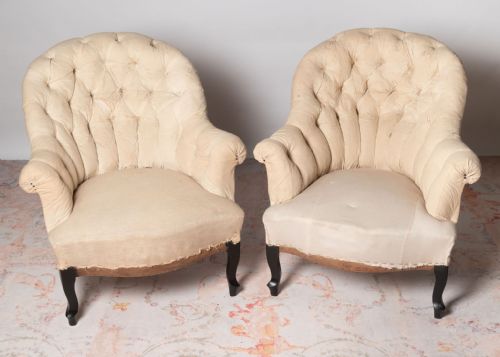
A french bedroom seat encompasses a variety of intimate seating forms designed for private chambers, boudoirs, and dressing spaces. These include slipper chairs, low nursing chairs, compact window seats, and small settees intended for relaxation.
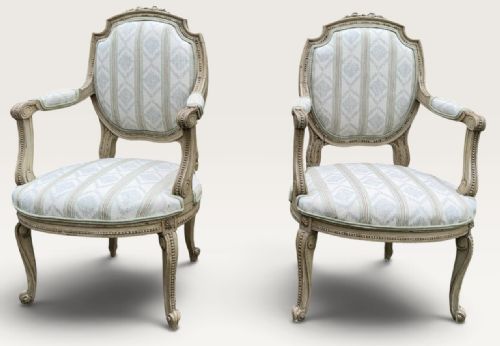
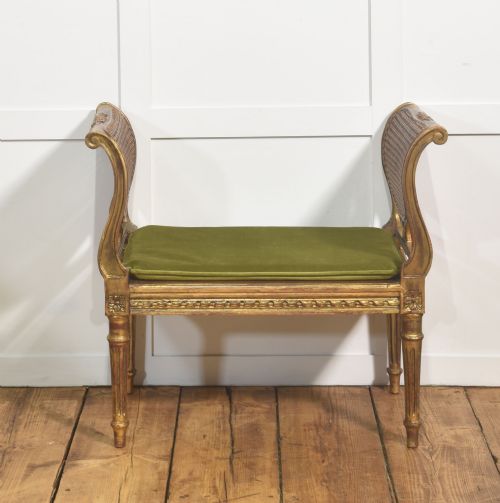
The selections span distinct historical periods from the eighteenth century through to the early twentieth century, displaying stylistic revivals such as Louis XVI, Rococo, and Napoleon III. Buyers encounter forms ranging from simple side chairs to elaborate giltwood window benches.
Origins heavily lean toward continental workshops, though English interpretations following continental styles also appear. The forms are dictated by domestic comfort and decorative refinement within private residential quarters.
How they were made
Frames rely upon traditional hardwoods like beech, walnut, and timber, shaped with mortise and tenon joinery to sustain daily use. Carved details are applied directly to the timber substrate or built up using gesso before finishing.
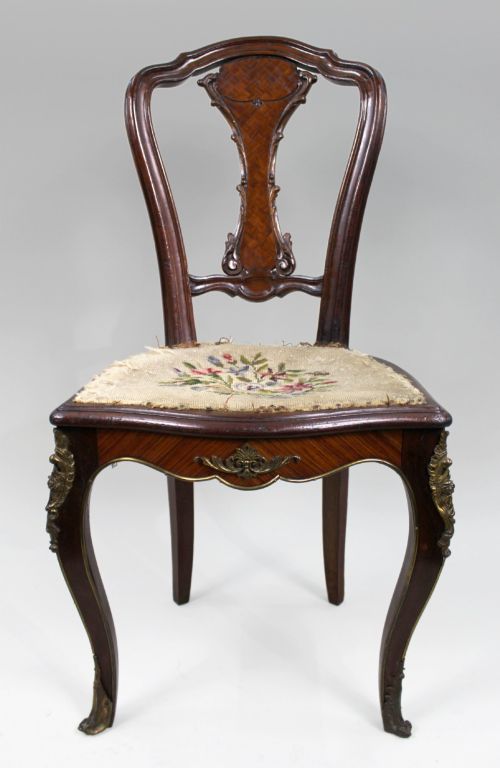
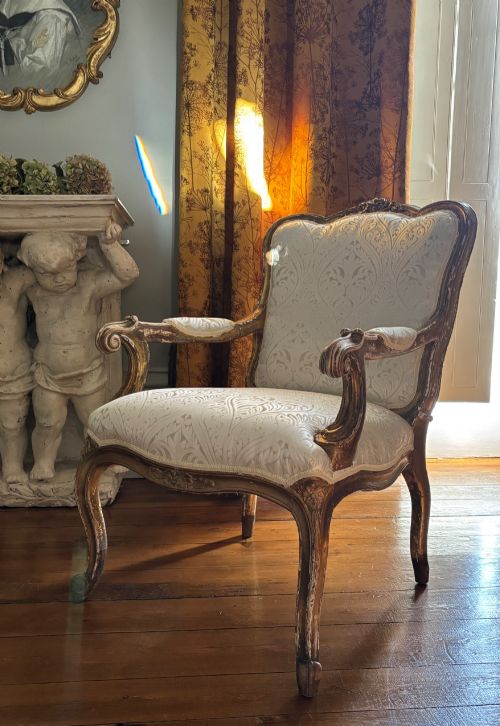
Surface treatments divide between original paint, polished wood finishes, and extensive giltwood application. Metal components such as brass or ormolu mounts punctuate the timber frames on specific revival pieces.
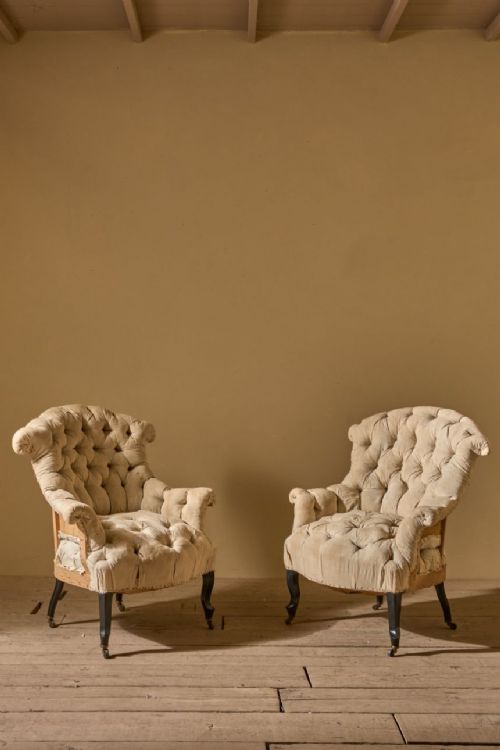
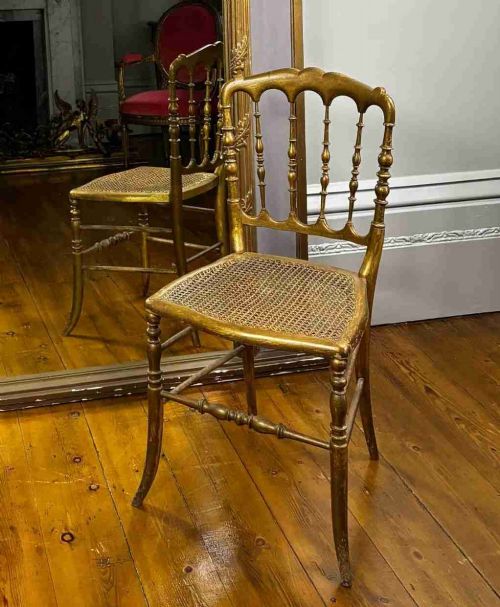
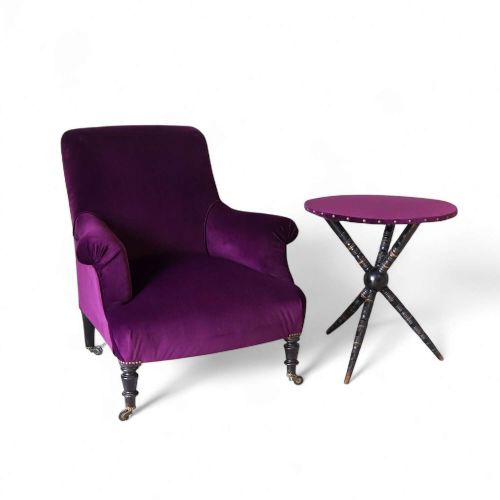
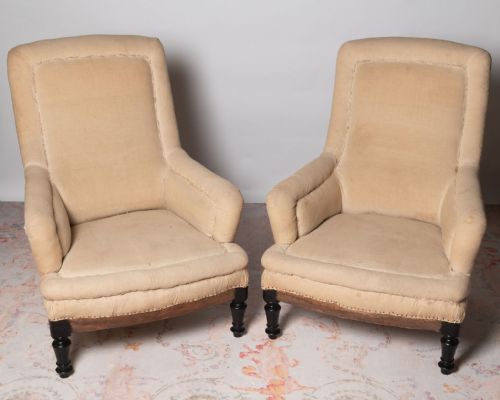
Upholstery techniques utilise traditional stuffing secured beneath fabrics including velvet, needlepoint panels, and contemporary textiles. Canework also appears as a woven seating medium on specific light frames and window stools.
Some miniature salon chairs were made specifically as children's seats.
What varies in quality
The depth and crispness of the hand-carved woodwork dictate the initial standard of execution, separating mechanical output from skilled craftsmanship. Original gilding and untouched early paint surfaces retain greater authenticity than later refinished substitutions.
Structural integrity depends upon the tightness of the joinery within the frame, particularly where cabriole legs meet the seat rails. Frames that remain firm without excessive reinforcement represent superior preservation.
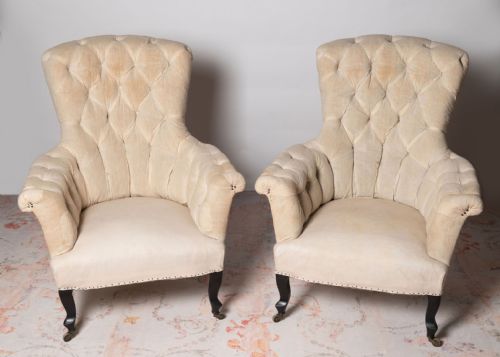
The integration of the upholstery medium, whether traditional buttoning, fringe trim, or tensioned canework, contributes significantly to the historical integrity of the piece.
Blaise Maucuy
The French Bedroom Seat Glossary
- Fauteuil
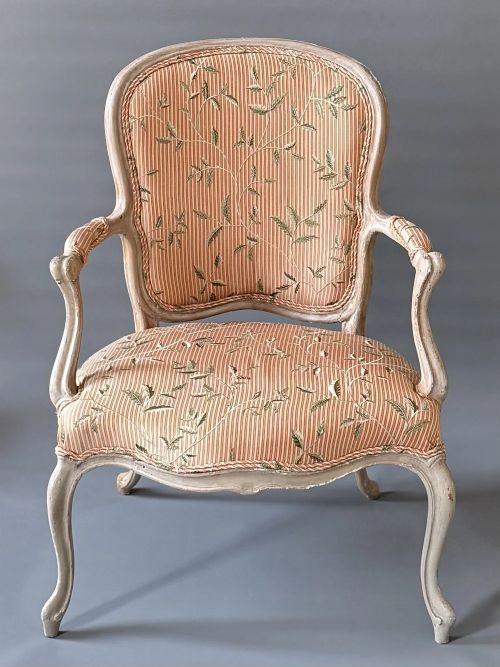
- An open-arm chair with upholstered back and armrests, typically featuring exposed wooden framing. This form became standard in French domestic interiors during the eighteenth century.
- Giltwood
- Timber coated with a thin layer of gold leaf over a prepared base. This finish provides a luminous decorative surface common on formal seating.
- Cabriole leg
- A furniture leg that curves outward at the knee and tapers inward toward the ankle, ending in a pad or scroll foot. It frequently terminates French revival seating.
- Canework
- Woven rattan or cane strips used to form supportive panels for seats or backs. This technique lightens the visual weight of the chair.
- Ormolu
- Cast bronze finished with a gold-coloured mercury amalgam, applied as an ornamental mount to furniture. It decorates high-status cabinet work and seating.
- Duchesse brisée
- A chaise longue split into two or three parts, comprising an armchair and a matching footstool or ottoman. It allows for reclining within a bedchamber.
French Bedroom Seat: Frequently Asked Questions
What is a french bedroom seat?
A french bedroom seat is a decorative chair or bench designed for private chambers, offering comfortable seating for dressing or resting.
These pieces range from low slipper chairs to padded window seats and small settees.
How do I identify a louis xvi style seat?
Louis XVI style seating is distinguished by straight fluted legs, geometric lines, and neoclassical carved motifs such as ribbons or laurel leaves.
This aesthetic contrasts with the earlier curving asymmetry associated with Rococo design.
Were these seats used only in bedrooms?
While many were designed for boudoirs and dressing rooms, similar forms served in salons, drawing rooms, and private corridors.
Window seats specifically suited the architectural alcoves of large townhouses and country residences.
What is the difference between giltwood and painted finishes?
Giltwood involves applying thin gold leaf to a prepared wooden frame to create a brilliant metallic sheen.
Painted finishes utilise pigments applied directly to the timber, offering a softer and more domestic appearance.