



Painted Desk Accessories
These painted desk accessories span bronze, porcelain, and papier-mâché, offering functional desktop organisation with hand-finished artistic detail.
Painted Desk Accessories
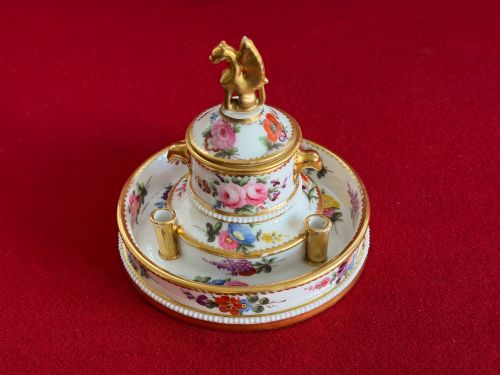
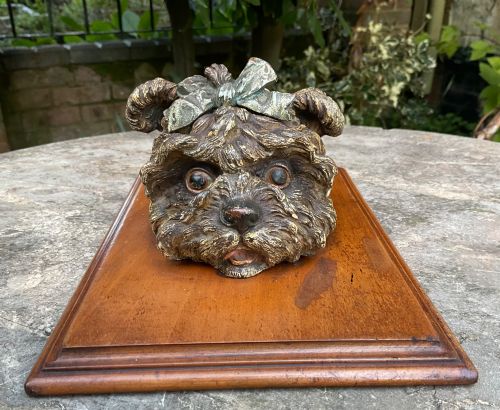
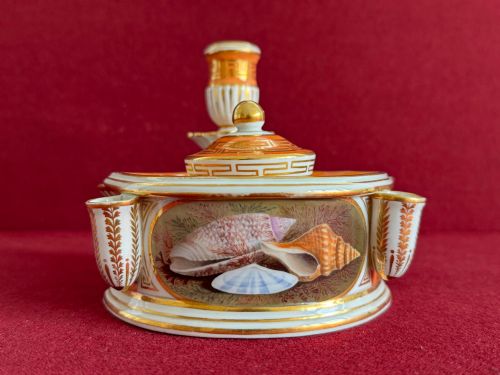
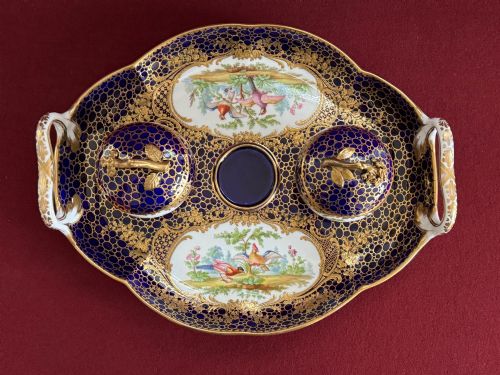
When you examine painted desk accessories, you are looking at items designed for correspondence and writing, ranging from inkstands and inkwells to letter openers, bookends, and desk tidies. These pieces served practical purposes in offices and libraries while providing decorative character through applied pigments, enamels, and painted ceramic plaques.
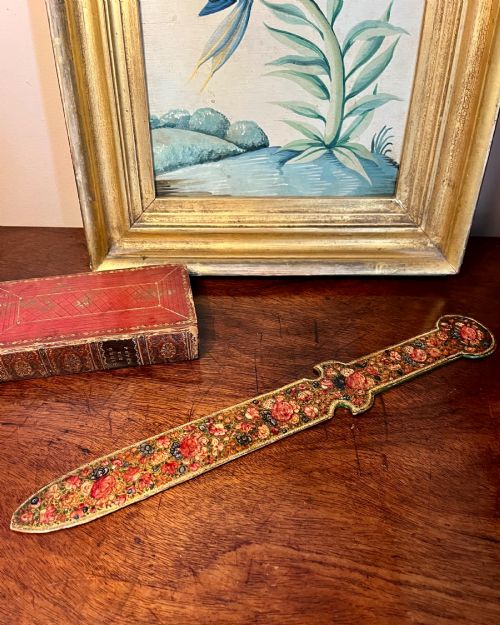
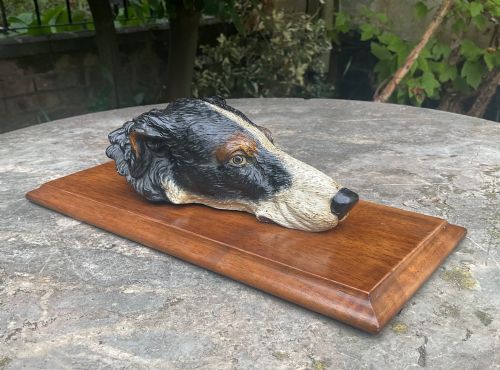
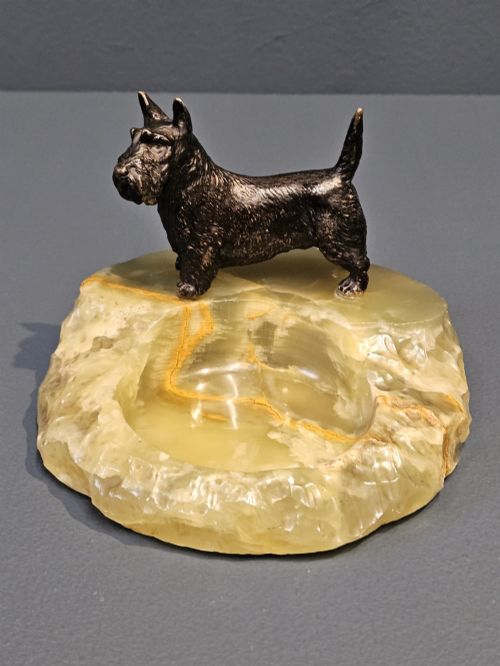
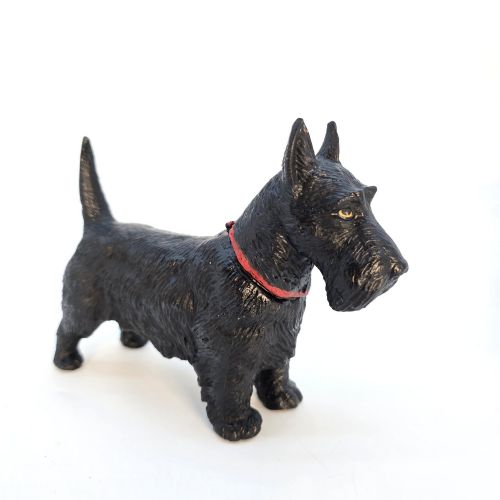
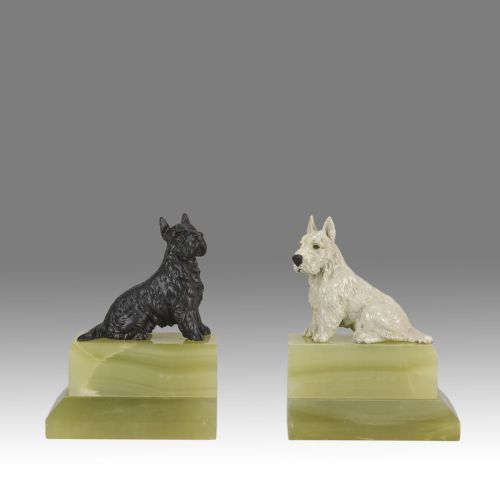
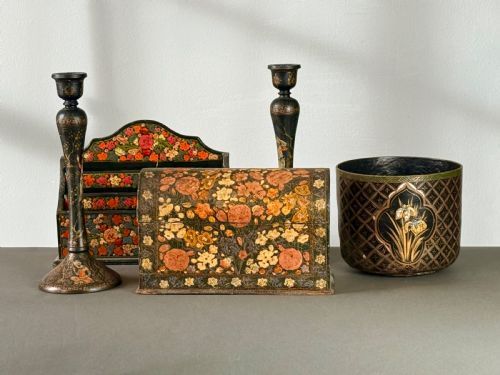
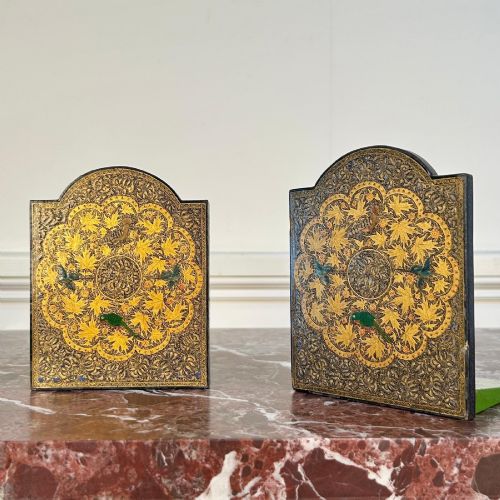
The selections on this page are most commonly represented by cold-painted Austrian bronzes depicting animals and figures, alongside Victorian papier-mâché and Kashmiri lacquer desk sets. You will also encounter European porcelain inkstands and book slides featuring hand-painted floral or figural panels dating from the Georgian period through the early twentieth century.
Originating from diverse traditions including European metalwork, Asian lacquerware, and British ceramics, these objects reflect the high standards of nineteenth and early twentieth-century desk culture. They transform mundane writing tasks into displays of miniature sculpture and decorative art.
Materials and Techniques
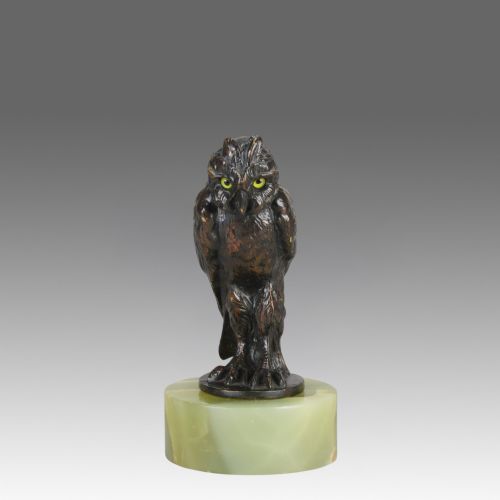
Cold-painted bronze pieces utilise cast metal surfaces treated with oil or enamel paints that are applied without high-temperature firing, a signature technique of Viennese workshops. This method captures fine anatomical details on small animal figures and figural groups.
Papier-mâché and lacquer items rely on layered paper pulp or wooden bases built up with multiple coats of lacquer, often finished with hand-painted ornamentation and gilt highlights. Kashmiri and Indo-Persian pen cases and desk tidies demonstrate this meticulous layering process.
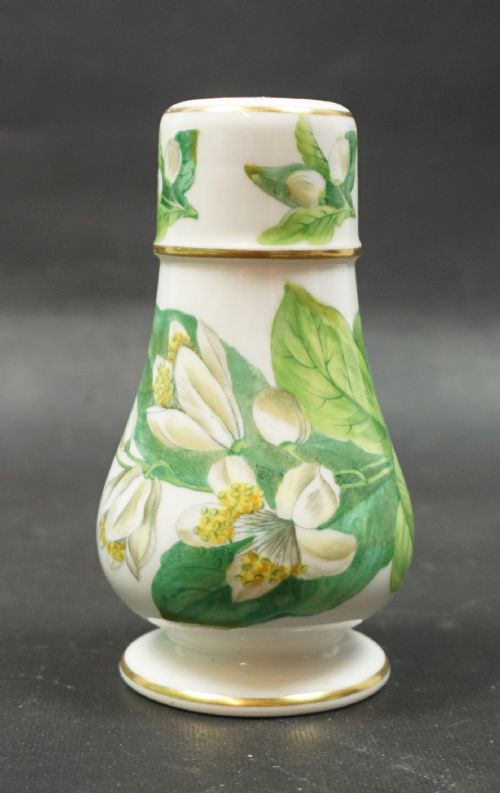
Ceramic accessories employ porcelain, pearlware, and faience bodies shaped into inkstands or pounce pots, then hand-painted with underglaze or overglaze pigments. Many incorporate brass mounts, guilloche enamel, or inset porcelain plaques to complete the functional hardware.
Painted Desk Accessories Retail Price Guide 2026
Typical asking prices for painted desk accessories among the pieces listed under this phrase on Sellingantiques today, from the lower quarter to the upper quarter. They describe what is for sale here now, not the wider market.
A tiny frog gazes upward from its bronze desk tidy, reminding writers that nineteenth-century desks welcomed a touch of whimsy.
Variations in Quality
The calibre of a painted desk accessory rests primarily on the crispness of the initial casting and the dexterity of the hand-painting. Superior bronze figures display sharp anatomical definition and minimal paint loss, whereas inferior examples show crude casting seams and hastily applied pigment.
For papier-mâché and lacquer pieces, quality is determined by the smoothness of the ground, the depth of the lacquer layers, and the finesse of the brushwork on floral or figural motifs. Finer ceramic inkstands feature robust porcelain bodies with precisely detailed hand-painting rather than mechanical transfer prints.
Franz Bergman·Jennings Brothers·Flight and Barr·Minton
The Painted Desk Accessories Glossary
- Cold painted bronze
- Metal sculpture cast in bronze or spelter and decorated with cold paint that is not fired in a kiln. This technique was widely utilised by Viennese foundries for small animal figures and desk items.
- Papier-mache
- A durable composite material formed from paper pulp or layered paper mixed with glue, then moulded and lacquered. It provided a lightweight yet sturdy base for Victorian desk sets and Kashmiri pen cases.
- Pounce pot
- A small shaker container used to sprinkle powdered resin or sand over freshly written ink to speed up drying and prevent blotting. They often match the inkwell on traditional desk stands.
- Guilloche enamel
- Metalwork decorated with precise geometric patterns machined beneath a translucent layer of coloured enamel. It frequently appears on luxury Victorian and Edwardian desk accessories.
- Toleware
- Painted or lacquered sheet metal items produced in various European centres during the eighteenth and nineteenth centuries. The surface decoration typically involves hand-painted floral motifs on a dark ground.
Painted Desk Accessories: Frequently Asked Questions
What is a cold painted bronze?
A cold painted bronze is a metal sculpture cast in bronze or spelter and finished with oil or enamel paints applied directly to the surface without kiln firing. This technique allowed for vibrant coloration on small desk ornaments.
Viennese foundries specialised in this method, producing animal figures, inkwells, and letter clips that retain much of their original painted surface when handled with care.
How do I care for papier-mache desk items?
Papier-mâché items require gentle handling and protection from moisture, direct sunlight, and extreme temperature fluctuations. Clean them only with a soft, dry cloth to preserve the delicate lacquer and painted decoration.
Because the base material is compressed paper pulp, exposure to liquids can soften the structure and ruin the hand-painted finish.
What was a pounce pot used for?
A pounce pot held fine powder, such as powdered cuttlefish bone or sand, which writers sprinkled onto wet ink to absorb excess moisture and prevent smudging. It was an essential desk accessory before blotting paper became common.
These small containers usually sat alongside inkwells and sanders on matching desk stands.
How can I tell Vienna bronze from later copies?
Vienna bronzes typically feature heavy, solid metal casting with precise chisel work visible beneath the paint layers, often bearing maker marks or foundry stamps. The paint application on period pieces shows a matte or satin texture developed over decades.
Later reproductions often feel lighter, use inferior casting alloys, and display modern synthetic paints that lack the characteristic wear of nineteenth-century items.