


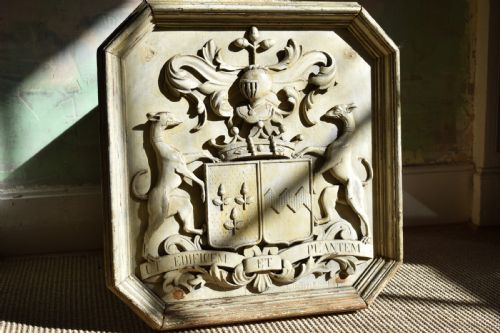
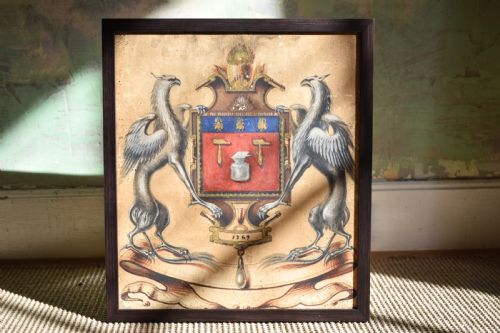
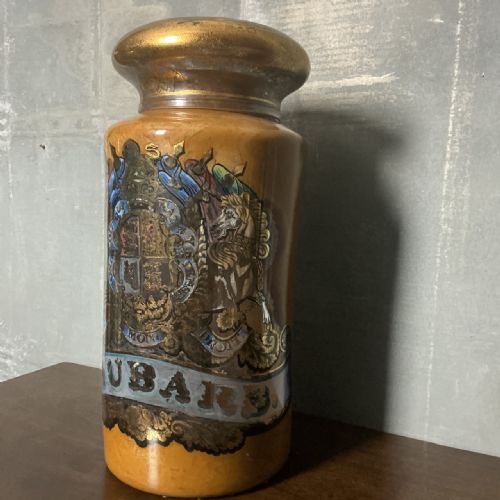
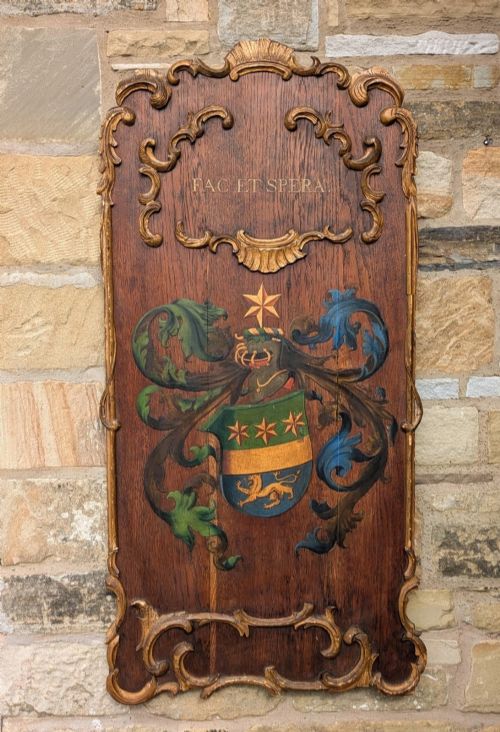
Painted Coat of Arms
A painted coat of arms brings centuries of heraldic tradition, rich pigment and carved wood directly into a modern room.
Painted Coat of Arms
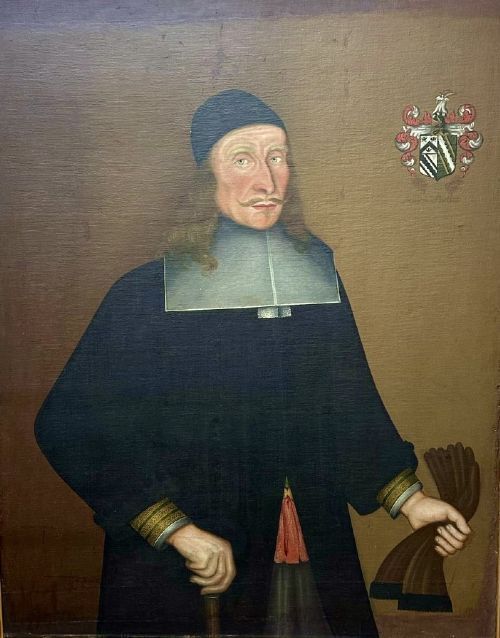
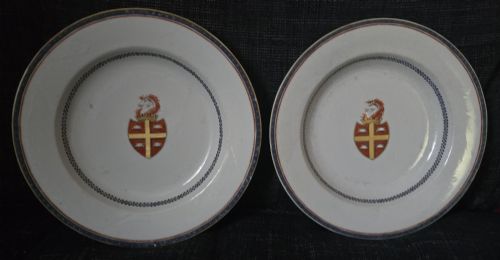
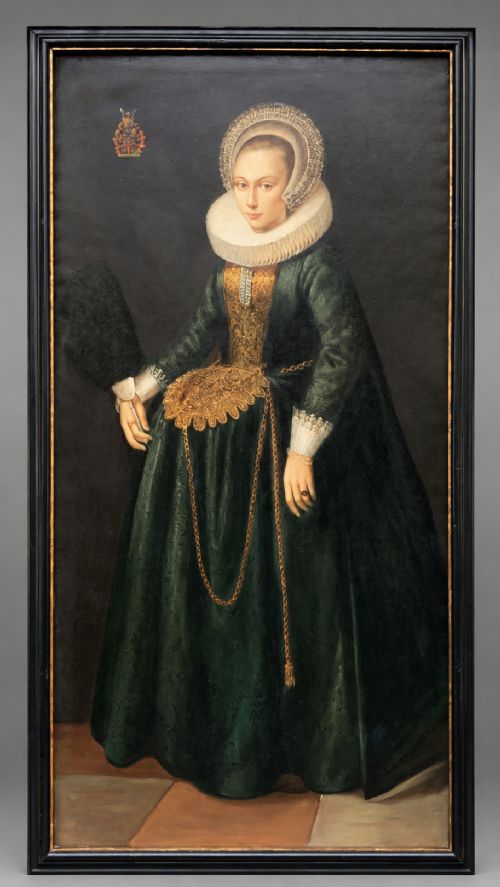
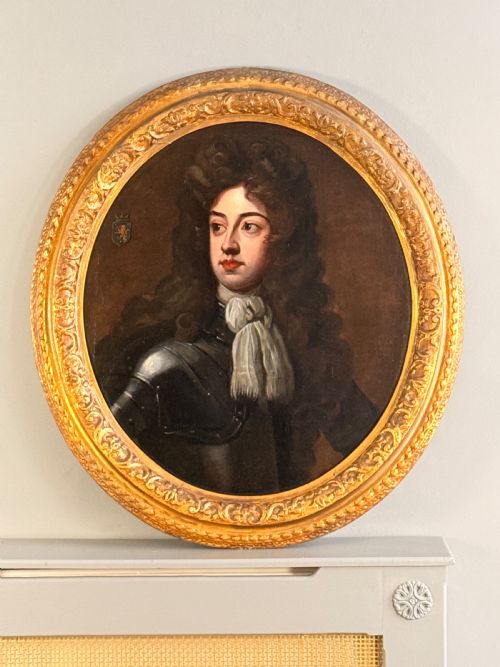
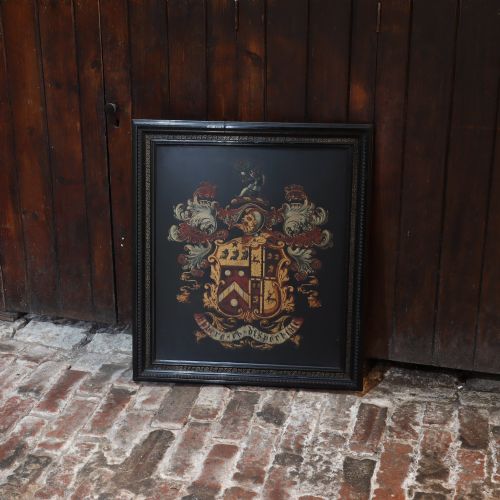
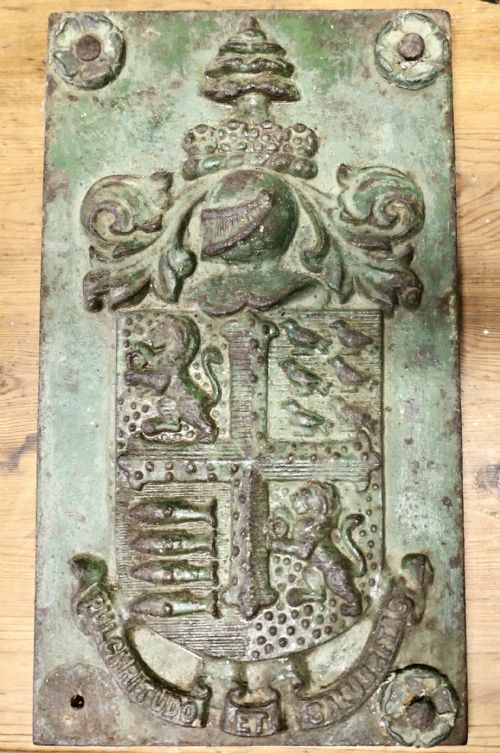
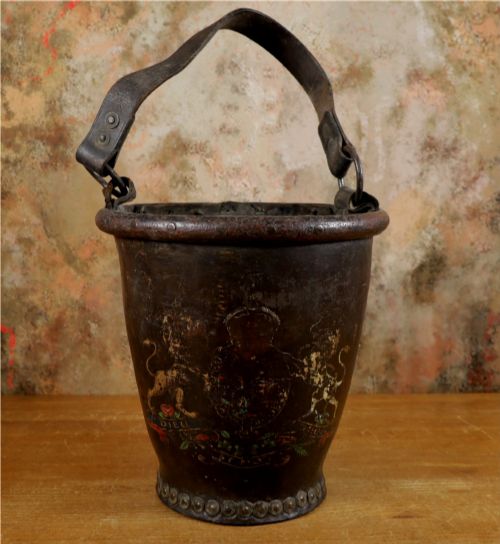
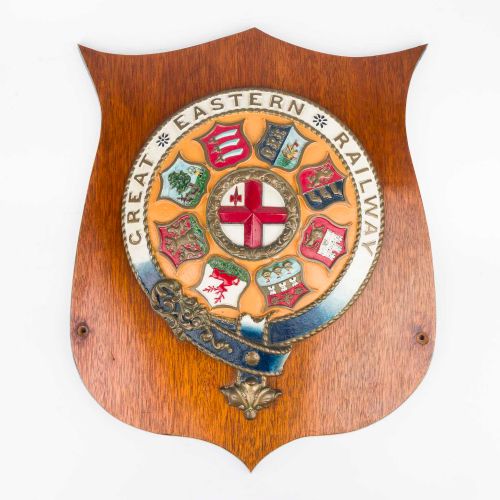
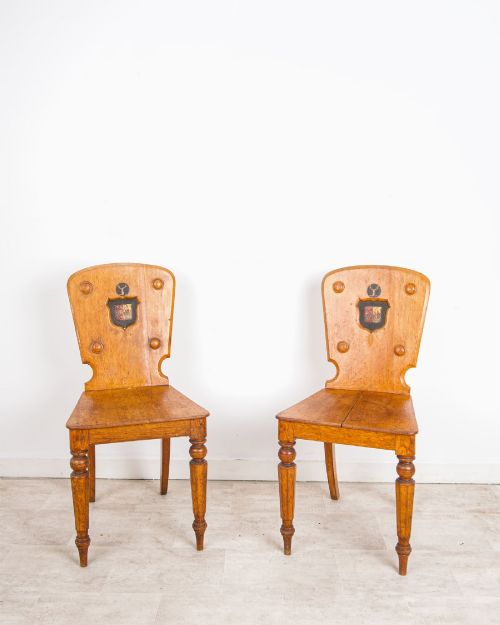
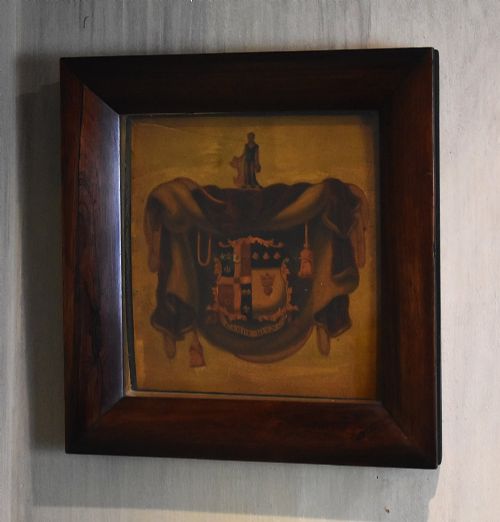
A painted coat of arms appears across a diverse range of objects, from wooden panels and iron wall plaques to leather fire buckets and porcelain plates. When searching for this phrase, collectors encounter heraldic devices rendered in oil, paint, and gold leaf upon domestic and architectural items.
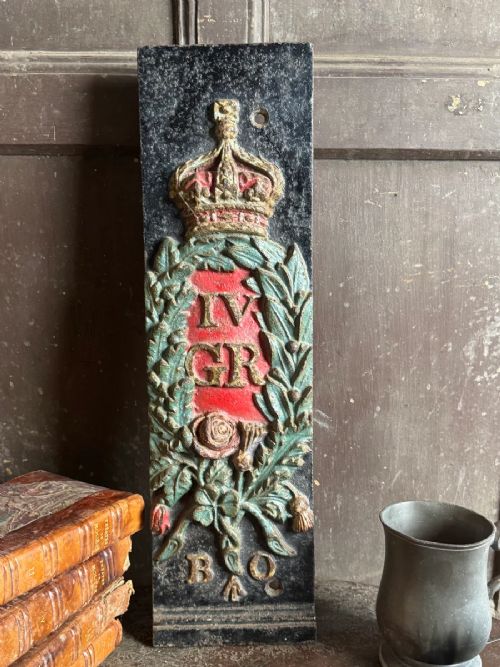
The pieces on this page span several centuries, with a strong representation of Georgian and Victorian examples. These range from hand-painted coach panels and cast iron royal insignia to framed watercolours and decorative armorial ceramics.
Materials and construction methods
Craftsmen applied oil paint, enamel, and gold leaf to traditional substrates such as oak, leather, cast iron, and glass. Wood panels and leather fire buckets received detailed hand-painted heraldry, sometimes enhanced by metal studs or brass braces.
Iron and brass plaques utilised casting techniques to form heavy armorial shields and architectural reliefs, finished with polychrome pigments. Ceramics and glass incorporated hand-painted armorial crests fired onto porcelain or leaded window panes.
Painted Coat of Arms Retail Price Guide 2026
Typical asking prices for painted coat of arms among the pieces listed under this phrase on Sellingantiques today, from the lower quarter to the upper quarter. They describe what is for sale here now, not the wider market.
Listings feature items spanning the seventeenth to the twentieth century, utilising oil paint, cast iron, oak, leather, and porcelain.
Evaluating quality and execution
The standard of a painted coat of arms rests upon the precision of the brushwork and the fidelity of the heraldic detail. Finer examples display crisp linework, harmonious proportions within the shield, and skilled use of gold leaf.
Material integrity also dictates the tier of the piece, whether it is a heavily cast iron armorial plaque, a supple leather fire bucket with original studwork, or a finely glazed cabinet plate from established factories.
The Painted Coat of Arms Glossary
- Heraldry
- The system by which coats of arms and other armorial bearings are devised, described, and regulated. It forms the core visual language behind these decorative pieces.
- Armorial
- Relating to or bearing a coat of arms or armorial bearings. This term frequently describes porcelain plates, panels, and plaques decorated with specific family crests.
- Coach panel
- A section of a horse-drawn carriage painted with a family crest or coat of arms. These panels were often removed and framed as wall art when carriages fell out of use.
- Gilding
- The application of gold leaf or gold paint to a surface. It highlights specific charges and divisions within a painted coat of arms to create a luminous effect.
Painted Coat of Arms: Frequently Asked Questions
Where were painted coats of arms displayed?
These pieces originally hung in stately homes, municipal buildings, and offices to signify lineage, authority, or civic pride. Coach panels adorned private carriages while travelling.
Today, they function as striking wall art or focal points in studies, hallways, and living rooms, integrating historical design into contemporary interiors.
How do I care for antique painted surfaces?
Painted and gilded objects require gentle handling and protection from direct sunlight and fluctuating humidity. Dust them lightly with a dry, soft cloth without applying liquid cleaners.
Leather items such as fire buckets benefit from occasional specialist conditioning to keep the material stable and preserve the painted crests on the surface.
What is the difference between a crest and a coat of arms?
A coat of arms refers to the entire displayed heraldic composition, including the shield, helmet, mantling, and supporters. A crest is strictly the specific device mounted on top of the helmet.
Many decorative pieces feature either the full achievement or simply the central shield and crest painted onto wood, iron, or ceramic.
How are different periods identified?
Stylistic shifts and material choices help date these items, from Georgian leatherwork and Regency coach panels to Victorian cast iron plaques and later revival pieces. Examining the reverse of panels or the composition of the metal and paint provides further context.
Maker marks, registration numbers, or accompanying provenance also assist in narrowing down the exact decade of manufacture.