






Painted Circular Wine Table
A painted circular wine table brings together practical round timber tops and decorative surfaces, offering a versatile piece for any room.
Painted Circular Wine Table
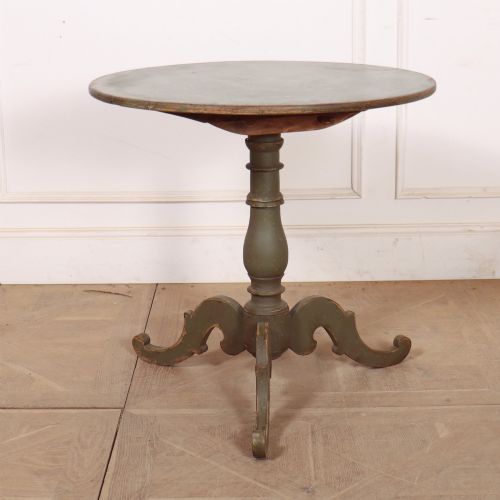
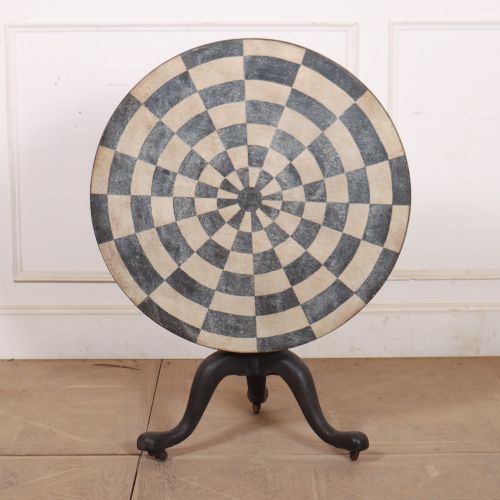
When you search for a painted circular wine table, you encounter a variety of round occasional, side, and tilt-top tables decorated with paint or gesso. These pieces span the 18th century, Georgian era, Victorian period, and 19th century.
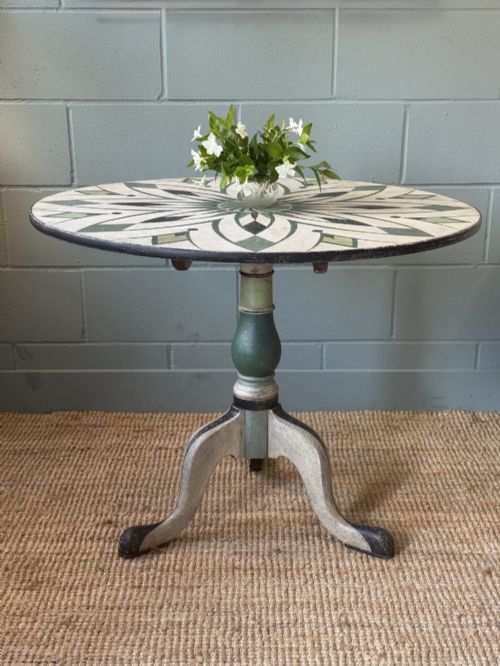
The versions you are most likely to meet on this page include tilt-top tables featuring later painted floral or petal designs, alongside Swedish and French examples. Forms range from simple tripod bases to marble top centre tables and pedestal lamp tables.
Makers and origins stretch across English, French, Italian, and Swedish traditions, incorporating styles from French Chateau and Swedish Country to Victorian Folk Art and Rococo Revival.
How they were made
Construction relies on solid timbers such as oak, pine, and general wood, shaped into pedestal, tripod, or four-legged bases supporting round tops. Some variants incorporate marble inserts or brass fittings.
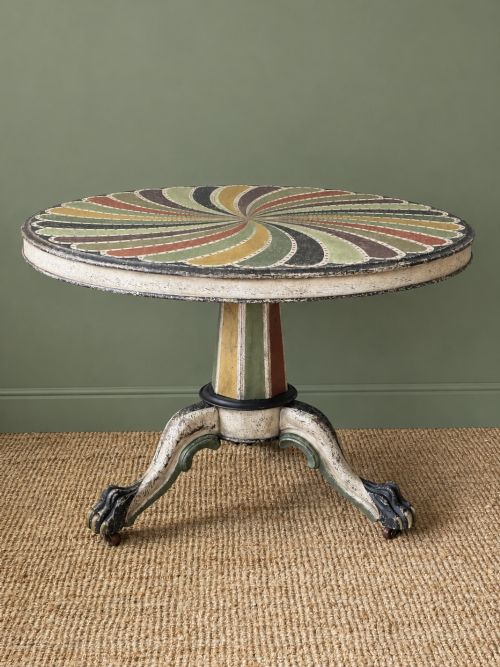
Surfaces receive paint, gesso, or hand-applied polychrome and floral designs, sometimes applied in later periods over earlier wooden frames like Victorian tilt-top tables.
Painted Circular Wine Table Retail Price Guide 2026
Typical asking prices for painted circular wine table among the pieces listed under this phrase on Sellingantiques today, from the lower quarter to the upper quarter. They describe what is for sale here now, not the wider market.
Several Victorian tilt-top tables bear cheerful painted floral and petal designs added long after the original timber was turned.
What varies in quality
Quality separates through the harmony between the underlying timber construction and the execution of the painted or gesso surface. Original decorative schemes hold distinct character compared to later embellishments applied to older frames.
The integration of heavy materials like marble tops into wooden pedestals dictates structural integrity, where precise joinery and balanced tripod bases ensure stability.
The Painted Circular Wine Table Glossary
- Tilt top table
- A table with a hinged top that pivots to a vertical position when not in use. This mechanism saved space in smaller rooms during the Georgian and Victorian periods.
- Tripod base
- A three-legged support structure commonly found beneath small occasional and wine tables. It ensures stability on uneven floors.
- Gesso
- A plaster-like material applied to wood surfaces to prepare them for painting or gilding. It provides a smooth base for intricate decorative work.
- Gueridon
- A small French occasional table, often supported by a central pillar or figures. They frequently feature marble tops and painted finishes.
- Polychrome
- Decorated in multiple colours. This technique is often seen on Italian revival and decorative occasional tables.
Painted Circular Wine Table: Frequently Asked Questions
Where were painted circular wine tables used?
These tables served primarily in sitting rooms, parlours, and hallways as convenient surfaces for drinks, lamps, or decorative objects. Their compact round footprint allowed them to sit easily beside seating or in corners.
Larger versions functioned as centre tables in reception rooms, while tilt-top variants could be folded flat and stored against a wall when floor space was needed.
How do I identify the period of a painted table?
Dating relies on examining the timber construction methods beneath the paint, such as hand-cut joints in 18th-century and Georgian pieces compared to later 19th-century manufacturing. Turning styles on pedestals and tripod legs also shift noticeably across eras.
Surface decoration provides further clues, as original 18th and 19th-century polychrome work differs significantly in pigment and wear patterns from later applied floral motifs.
Are marble top tables heavy?
Yes, tables featuring inset marble slabs carry considerable weight concentrated at the top. This heavy upper section requires a sturdy wooden pedestal and secure base to maintain balance.
When moving these pieces, it is advisable to lift them by the frame rather than the top to protect the structural joints.
How should I care for a painted wooden surface?
Painted and gesso surfaces require gentle cleaning with a dry or very slightly damp cloth, avoiding modern chemical polishes that can damage aged paint layers. Keeping them away from direct sunlight and dramatic humidity changes protects both the wood and the decorative finish.
Using coasters and mats helps prevent moisture rings or scratches on delicate painted tops during daily use.