



Painted Ceramic Pitchers
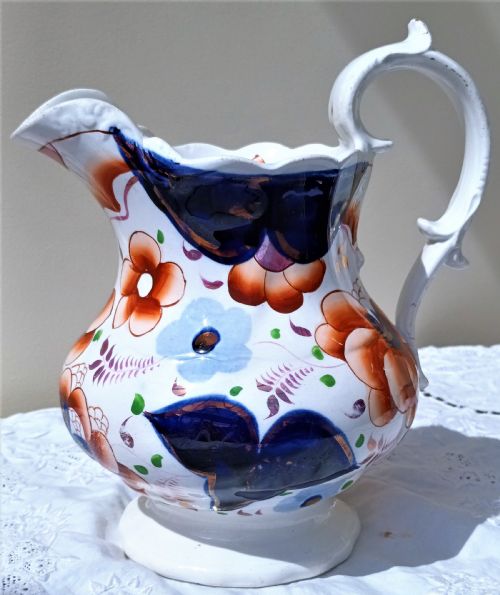
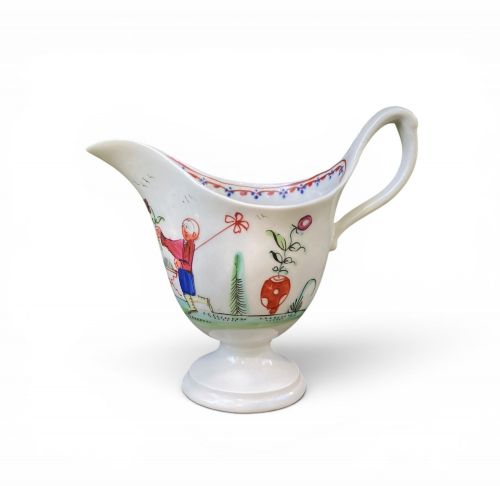
These painted ceramic pitchers span centuries of European earthenware and porcelain traditions, offering collectors functional vessels adorned with hand-applied colour and intricate cobalt or polychrome patterns.
Painted Ceramic Pitchers
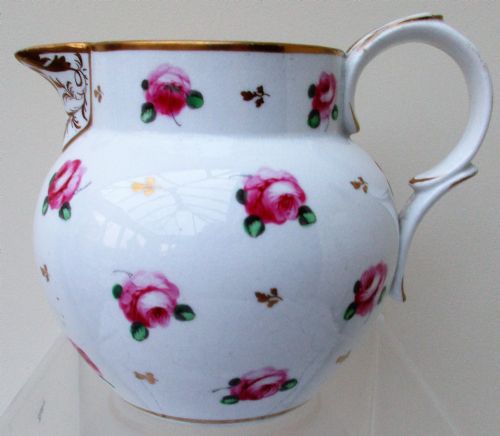
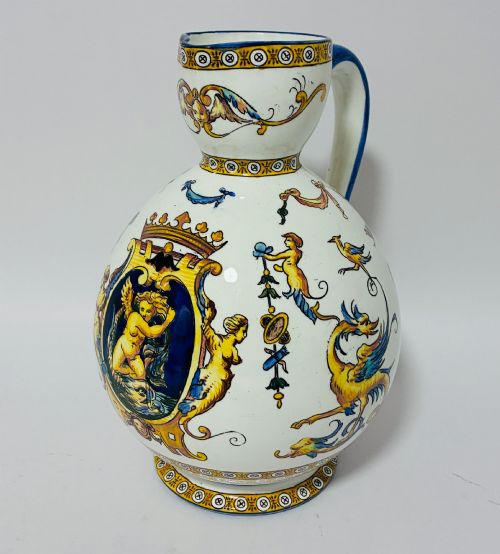
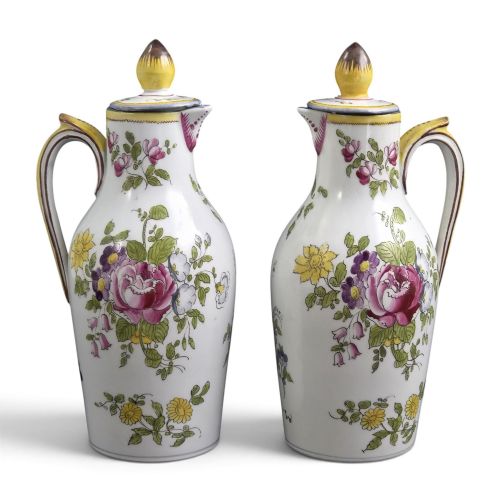
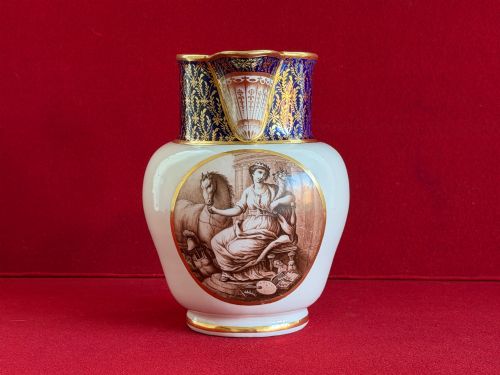
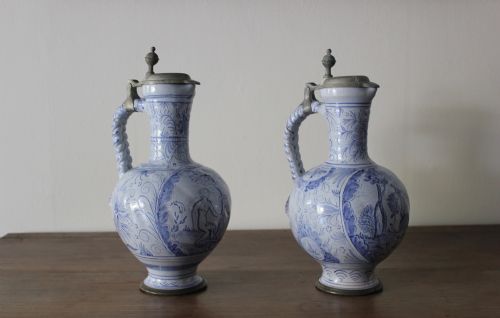
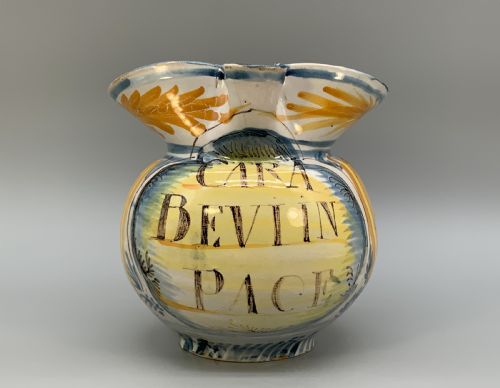
Painted ceramic pitchers encompass a wide range of utilitarian and decorative vessels, including cream jugs, majolica pharmacy pieces, toby jugs, and grand ewers intended for display.
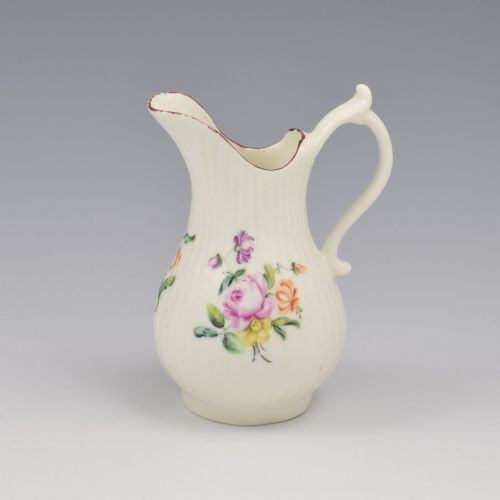
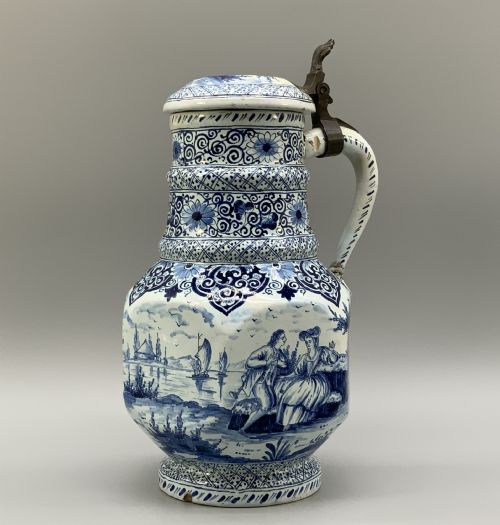
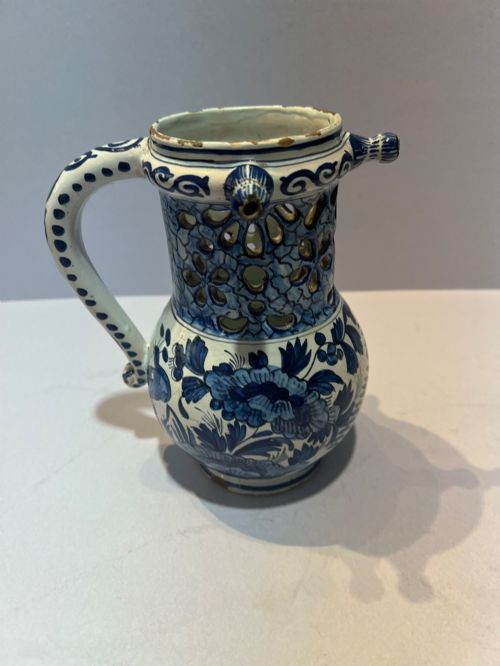
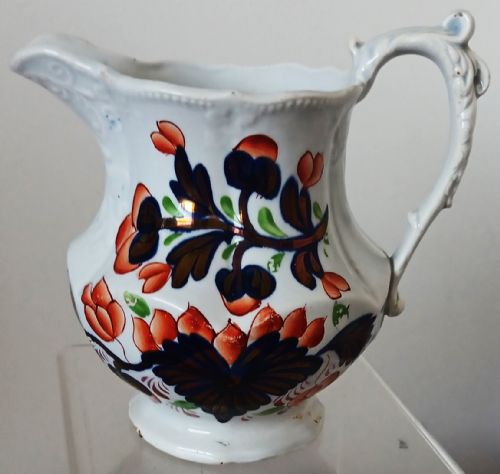
Buyers encountering this selection will find eighteenth-century Dutch delftware, nineteenth-century Staffordshire copper lustre, and delicate porcelain milk jugs from factories such as Derby and Worcester.
The assortment shifts from simple earthenware vessels to elaborate Victorian and Edwardian creations, reflecting changing domestic habits and decorative tastes across Georgian, Victorian, and Edwardian periods.
Materials and construction
Potters built these vessels using earthenware, ironstone, and fine porcelain bodies, shaping them on the wheel or moulding them in sections before drying and firing.
Makers applied tin-glazes, enamel colours, and copper lustre directly to the fired or unfired clay body, sometimes incorporating gold leaf highlights for heightened visual impact.
Decoration relied on hand-brushing pigments in blue and white, manganese, or polychrome palettes, followed by a secondary kiln firing to vitrify the surface glaze.
Painted Ceramic Pitchers Retail Price Guide 2026
Typical asking prices for painted ceramic pitchers among the pieces listed under this phrase on Sellingantiques today, from the lower quarter to the upper quarter. They describe what is for sale here now, not the wider market.
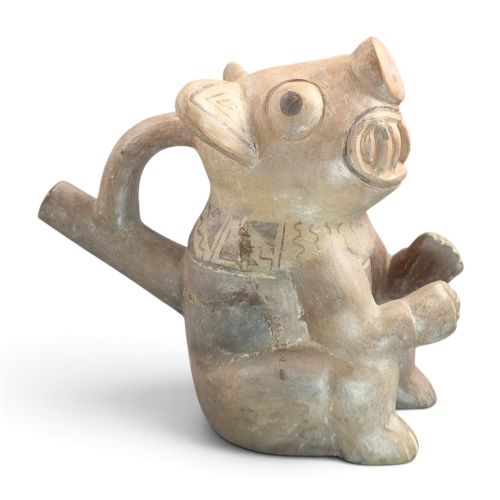
Materials span tin-glazed earthenware, copper lustre, porcelain, and terracotta across multiple centuries.
Assessing quality in ceramic vessels
Quality rests upon the crispness of the moulded form and the precision of the hand-painted decoration, where confident brushwork distinguishes superior studio output from standard commercial production.
The clarity of the glaze and the stability of the ceramic body during high-temperature firing separate fine porcelain and tin-glazed earthenware from heavier, utilitarian kitchen wares.
Flight & Barr Worcester·Veuve Perrin Marseille·H & R Daniel·Royal Worcester·John Pennington
The Painted Ceramic Pitchers Glossary
- Tin-Glazed Earthenware
- Pottery covered in an opaque white glaze containing tin oxide, providing a smooth canvas for painted blue and white or polychrome pigments. This technique defines Dutch delftware and continental faience.
- Copper Lustre
- A metallic pottery finish producing a reflective, coppery sheen across the ceramic surface. Staffordshire potters frequently applied this glaze to nineteenth-century jugs.
- Porcelain
- A hard, vitreous ceramic fired at high temperatures from kaolin and petuntse. Eighteenth-century English factories utilised porcelain for delicate cream and milk jugs.
- Tby Jug
- A pottery jug modelled in the form of a seated eighteenth-century gentleman holding a mug and pipe. These character vessels gained popularity in nineteenth-century Staffordshire.
Painted Ceramic Pitchers: Frequently Asked Questions
What are painted ceramic pitchers?
These pieces are historic hollowware vessels designed for pouring liquids such as milk, cream, water, or oil, fashioned from clay and finished with decorative pigments.
They encompass diverse historic traditions, ranging from early Dutch delftware storage jugs to delicate Georgian porcelain creamers and nineteenth-century Staffordshire lustre ware.
How were painted ceramic pitchers used?
Historic households utilised these vessels at the dining table for serving liquids, as part of wash sets, or for pharmacy and apothecary storage.
Many finer examples functioned primarily as decorative items on sideboards and mantelpieces, reflecting the status and aesthetic tastes of the household.
How do I care for antique ceramic pitchers?
Display these fragile pieces away from direct sunlight and areas subject to sudden temperature fluctuations to protect the historic glaze and delicate enamel pigments.
Clean them only with a dry or lightly dampened soft cloth, avoiding harsh modern detergents or immersion in water to preserve the original ceramic body.
How can I tell the period of a jug?
Dating relies on observing the ceramic body composition, such as the weight of ironstone versus the translucency of porcelain, alongside the style of the painted decoration.
Factory marks, where present on the base, provide definitive clues to the decade of manufacture and the specific ceramic workshop.