




Painted Ceramic Display Plate
A painted ceramic display plate brings rich hand-painted detail and colour to a wall or cabinet.
Painted Ceramic Display Plate
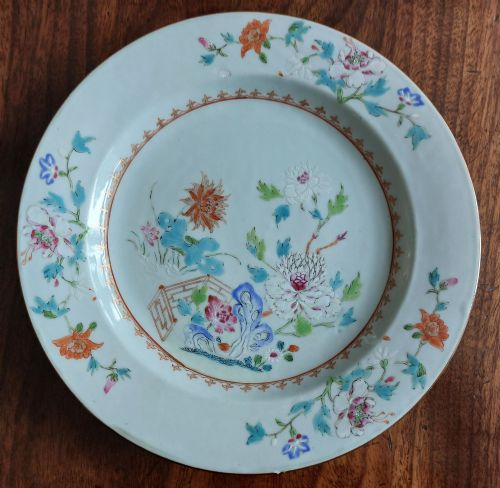
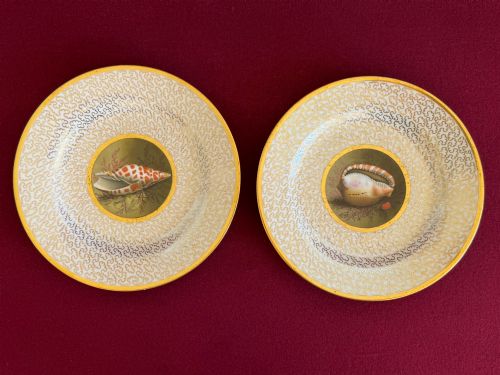
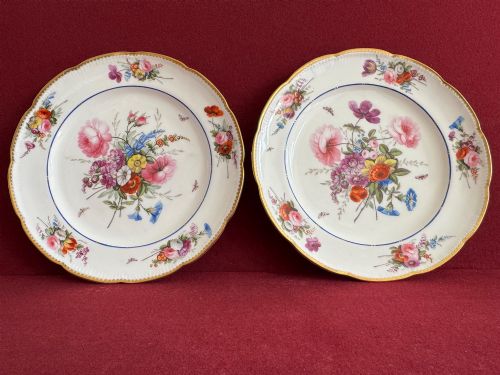
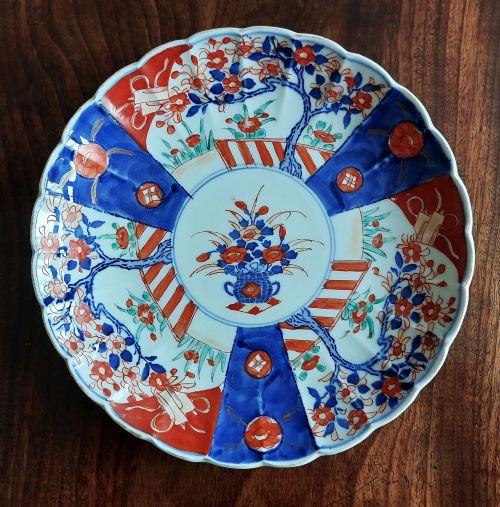
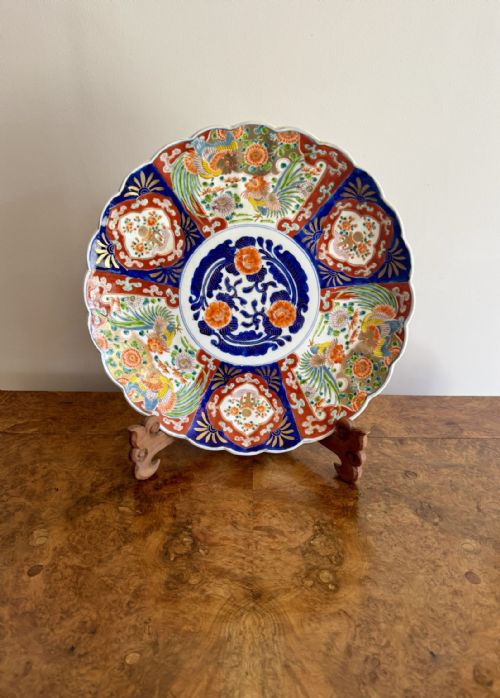
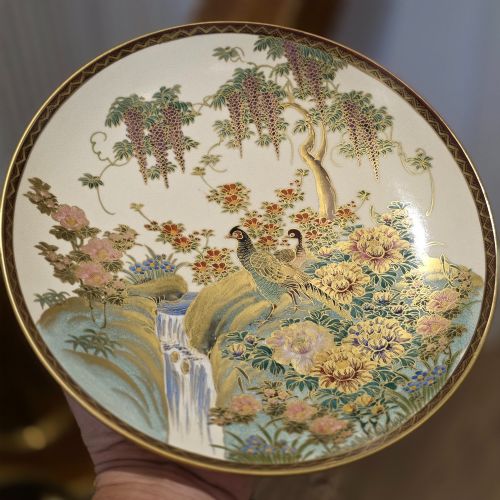
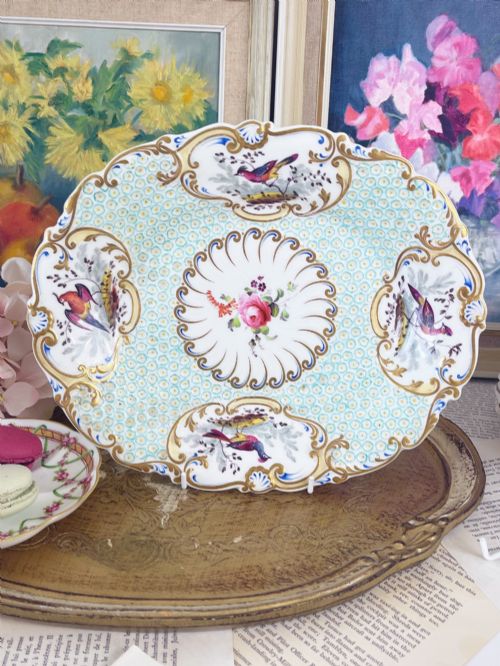
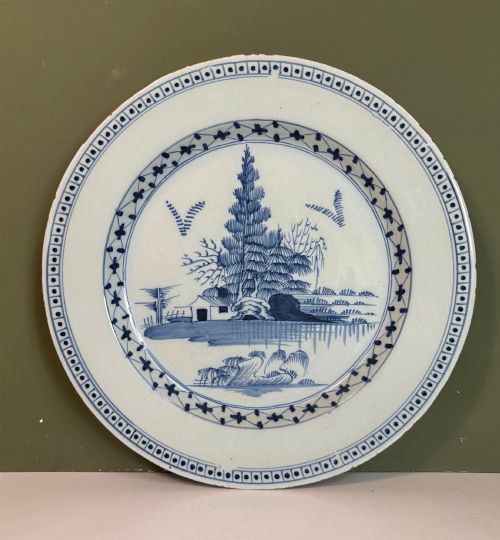
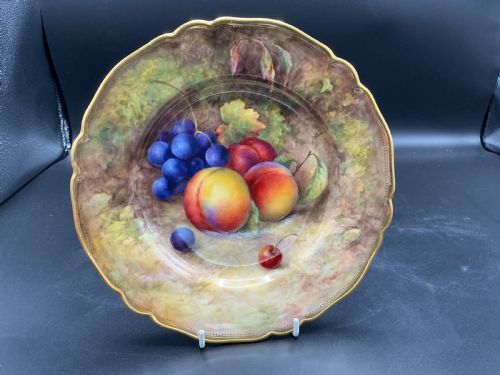
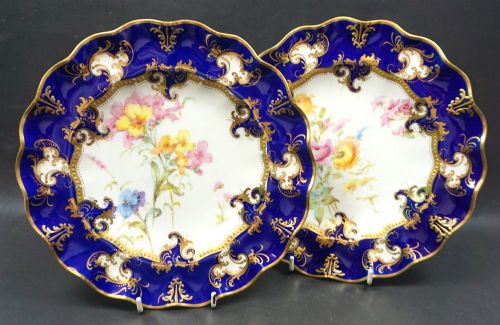
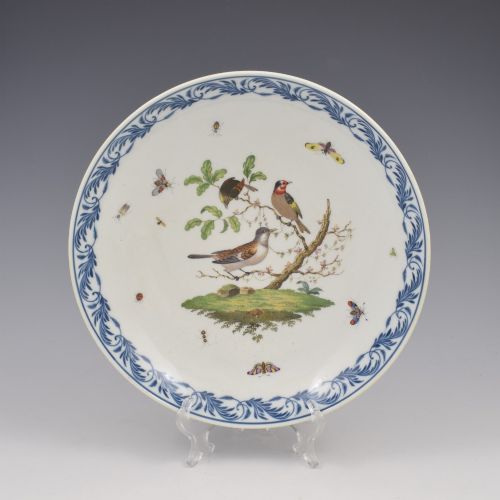
A painted ceramic display plate is a decorative vessel made to be shown on walls, dressers, or tables rather than used for daily dining. These pieces include large chargers, cabinet plates, and dessert dishes originating from English, European, and Asian workshops. The selections span periods from the eighteenth century through the early twentieth century, taking forms such as round, square, hexagonal, and scalloped shapes.
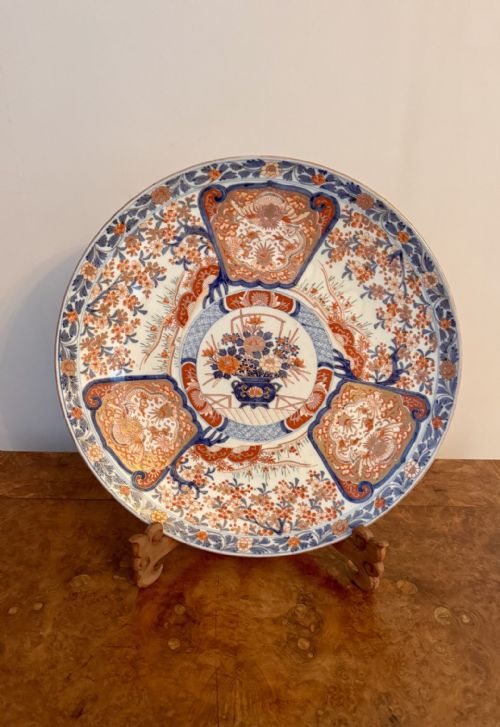
Most items met on this page fall into two distinct groups: English and European porcelain or earthenware featuring floral, bird, and fruit subjects, and Japanese export ware employing traditional Imari patterns. Makers utilised tin glaze, bone china, and porcelain bases to receive intricate polychrome painting, gold leaf, and gilt detailing. Collectors encounter everything from Dutch Delft chargers to Royal Worcester cabinet plates signed by known artists.
How they were made
Potters formed these items using earthenware, bone china, and porcelain, applying tin glazes or clear lead glazes to create smooth surfaces for the pigments. Artisans then hand-painted the designs using polychrome enamels, underglaze blue, and gold leaf or gilt highlights. Many plates underwent multiple firings to fix the painted details and metallic lustres permanently.
Techniques varied across regions, with Delftware makers employing tin-glazed earthenware and Japanese Imari workshops combining cobalt blue underglaze with iron red and gold overglaze. English factories like Royal Worcester and Minton relied on skilled painters to execute botanical, ornithological, and figurative scenes directly onto porcelain blanks.
Squirrels and fairies gaze out from nineteenth-century Minton plates, proving that Victorian porcelain could harbour a mischievous sense of wonder.
What varies in quality
Quality rests upon the skill of the hand-painting and the crispness of the porcelain or earthenware body. Pieces bearing the work of named artists display finer brushwork and more complex shading than standard factory output. The precision of the gilding and the depth of the enamel colours also separate standard decorative wares from exceptional cabinet pieces.
Provenance and condition dictate the standing of an individual item within its type. Intact glazes, strong original colours without rubbing, and documented factory or maker marks elevate a plate. Larger chargers and matched pairs demand greater technical control during firing, making well-preserved examples more accomplished specimens.
H and R Daniel·Wedgwood·Royal Worcester·Royal Crown Derby·Meissen·Minton·Royal Doulton·Copeland Pottery·Koshida
The Painted Ceramic Display Plate Glossary
- Cabinet plate
- A decorative plate intended solely for display in a cabinet or on a wall rather than for table service. These items typically feature elaborate hand-painted scenes and gilt borders.
- Charger
- A large ornamental plate, often measuring over thirty centimetres across, designed to be stood upright on a sideboard or hung on a wall. Eighteenth-century examples frequently employ tin-glazed earthenware.
- Imari
- A style of Japanese porcelain featuring a distinct palette of cobalt blue, iron red, and gold, highly popular for export to Europe. The patterns combine floral and brocade motifs.
- Delftware
- Tin-glazed earthenware produced in England and the Netherlands, typically decorated with blue or polychrome pigments on an opaque white glaze. Eighteenth-century pieces often show floral or landscape designs.
- Gilt
- A thin layer of gold applied to the surface of ceramics to accent rims, borders, and motifs. This technique enhances the decorative impact of cabinet plates and chargers.
Painted Ceramic Display Plate: Frequently Asked Questions
How do I hang a display plate safely?
Display plates require specialised spring-loaded hangers that grip the rim securely without causing damage to the ceramic or glaze. Flat brass or coated wire attachments distribute the weight evenly across the back of the plate.
Wall placement should avoid areas prone to heavy vibrations, direct heat sources, or prolonged strong sunlight that might fade delicate enamel colours over time.
Were these plates ever used for food?
Most pieces categorized as cabinet plates or chargers were made strictly for visual display. Their intricate overglaze enamels and gold leaf decorations were not intended to withstand regular contact with cutlery and food.
Some earlier Delft and earthenware dishes saw light service on formal tables before retiring to display roles, but nineteenth-century cabinet pieces remain strictly decorative.
What is the difference between earthenware and porcelain?
Earthenware uses clay fired at lower temperatures, resulting in a porous body that requires an opaque tin glaze to hold liquids, as seen in Delftware. Porcelain uses refined kaolin clay fired at much higher temperatures to produce a vitreous, non-porous white body.
Bone china adds animal bone ash to the porcelain mixture, creating a warmer tone and translucency prized by English factories.