






Painted Ceramic Box
A painted ceramic box carries pigment and glaze across porcelain, earthenware, and tin glaze, holding everything from snuff to watercolours.
Painted Ceramic Box
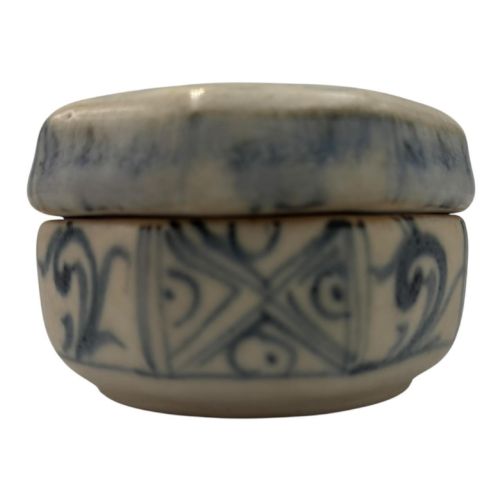
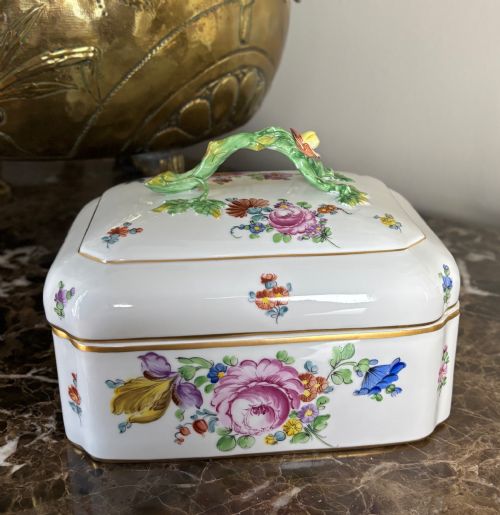
A painted ceramic box encompasses small lidded containers formed from porcelain, earthenware, and tin glaze, designed for domestic and personal use. These vessels range from delicate patch boxes to substantial table caskets, often serving specific purposes like jewellery storage or sugar keeping.
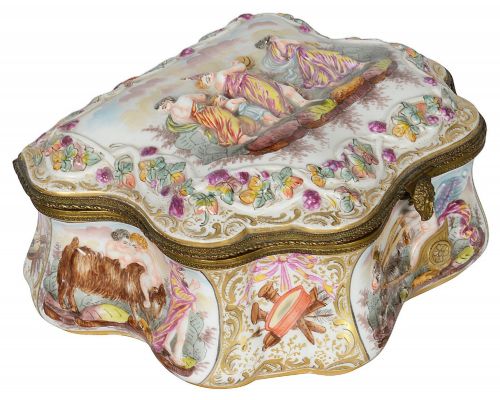
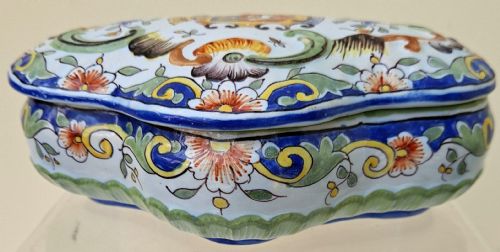
The painted ceramic box examples appearing here span the 16th century through the 1930s, incorporating Victorian, Art Deco, and Rococo Revival styles. French faience, Italian Capodimonte, and Chinese Famille Rose pieces emerge frequently among the offerings.
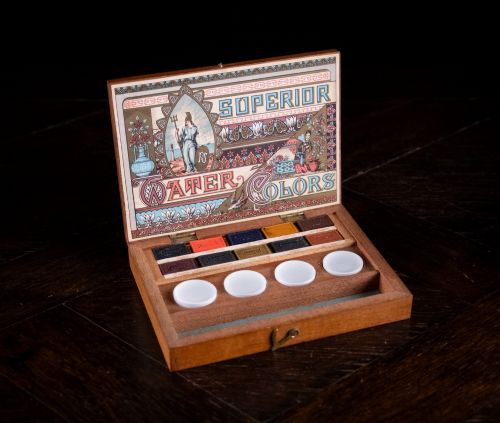
Buyers encounter forms such as trinket boxes, sugar boxes, powder bowls, and snuff boxes, alongside artist equipment boxes fitted with watercolours. Each painted ceramic box reflects the specific decorative tastes and manufacturing standards of its period of origin.
How they were made
Makers shaped ceramic bodies from porcelain and earthenware, applying tin glaze or translucent glaze before firing the pieces in kilns. Many examples incorporate metal mounts in brass or silver plate to secure the lids and hinges.
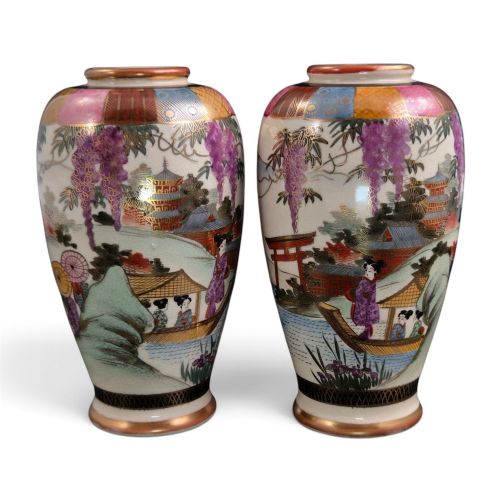
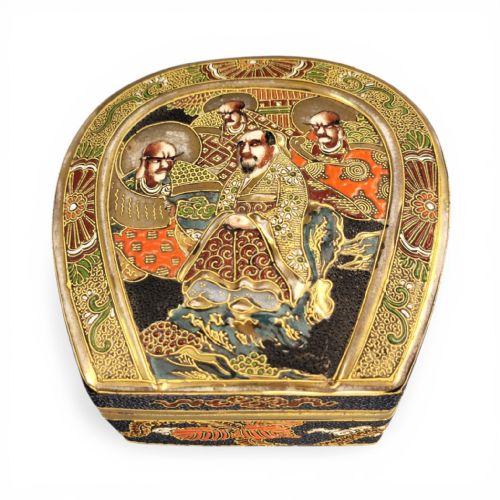
Hand-painted decoration forms the primary surface treatment, executed with fine mineral pigments and finished with gilt detailing. Some vessels rely on moulded relief work combined with polychrome painting to create textured surface patterns.
Painted Ceramic Box Retail Price Guide 2026
Typical asking prices for painted ceramic box among the pieces listed under this phrase on Sellingantiques today, from the lower quarter to the upper quarter. They describe what is for sale here now, not the wider market.
Object forms include trinket boxes, powder bowls, snuff boxes, and artist equipment containers.
What varies in quality
The refinement of the painted brushwork dictates visual distinction, separating hasty commercial decoration from precise, detailed artistic rendering. Finer pieces display controlled pigment application and delicate line work across the ceramic surface.
The integration of mounts and hardware affects the structural integrity of lidded forms, where flush hinges and well-fitted closures indicate superior construction. The purity of the porcelain body and the evenness of the glaze further distinguish standard production from exceptional work.
Richard Ginori·Meissen·Toshozan·Reeves and Son
The Painted Ceramic Box Glossary
- Tin glaze
- An opaque white glaze made by adding tin oxide to lead glaze, providing a smooth background for painted decoration.
- Bonbonniere
- A small decorative container historically used to hold sweets or confections, typically fitted with a secure lid.
- Famille Rose
- A palette of Chinese porcelain decoration characterised by opaque pink enamel introduced during the Qing dynasty.
- Faience
- European tin-glazed earthenware, particularly associated with French and Dutch pottery traditions.
- Casket
- A large, ornate box designed for storing valuables, jewellery, or documents on a table surface.
Painted Ceramic Box: Frequently Asked Questions
How are painted ceramic boxes dated?
Dating relies on stylistic markers, factory marks, and the specific composition of the ceramic body and glaze. Victorian and Art Deco pieces display distinct decorative vocabularies that help place them in time.
Examining the hinges, mounting techniques, and wear patterns on the base provides further physical evidence for determining the approximate period of manufacture.
What were small lidded boxes used for?
These vessels held personal items such as patches, snuff, powder, and jewellery on dressing tables and desks. Larger caskets served to store precious trinkets or dry goods like sugar.
Specialist boxes were also outfitted with watercolours for artists or organised with compartments for specific domestic tasks.
How should I clean a painted ceramic box?
Dusting with a dry, soft cloth is generally sufficient for maintaining the glazed and painted surfaces. Moisture can damage exposed clay bodies or degrade old metal mounts and gilt detailing.
Harsh chemical cleaners should be avoided entirely to preserve the integrity of the original hand-painted pigments and glaze.
Are French faience boxes different from porcelain?
French faience utilises a tin-glazed earthenware body rather than the vitreous, translucent material of true porcelain. This gives faience a heavier feel and a characteristic opaque white ground for painting.
Porcelain pieces offer a harder surface and often feature finer, more delicate painted details fired at higher temperatures.