

Painted Cabinet Furniture
These painted cabinet furniture pieces bring decorative surface and practical storage together through centuries of hand-painted finishes.
Painted Cabinet Furniture
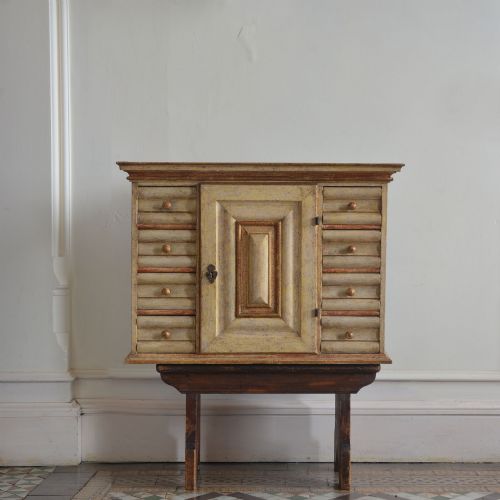
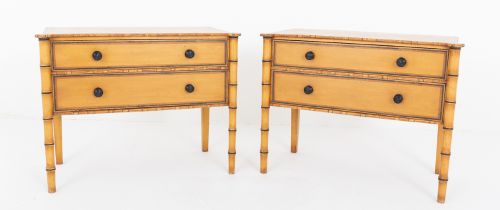
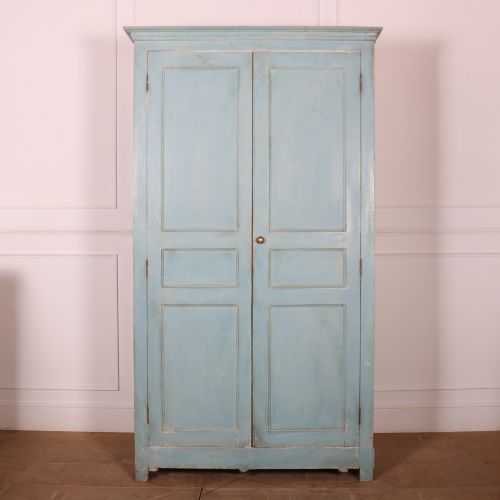
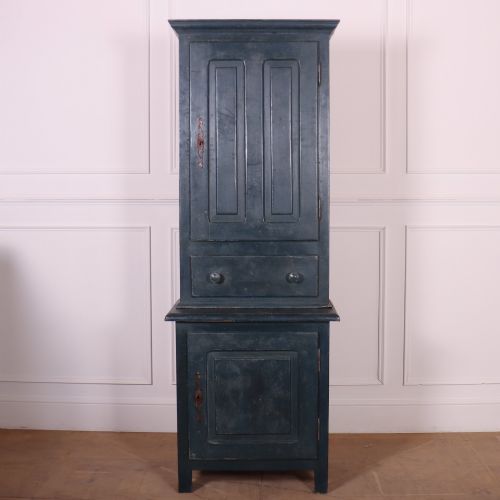
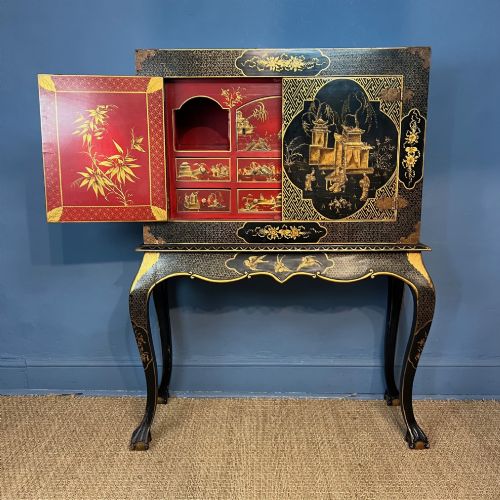
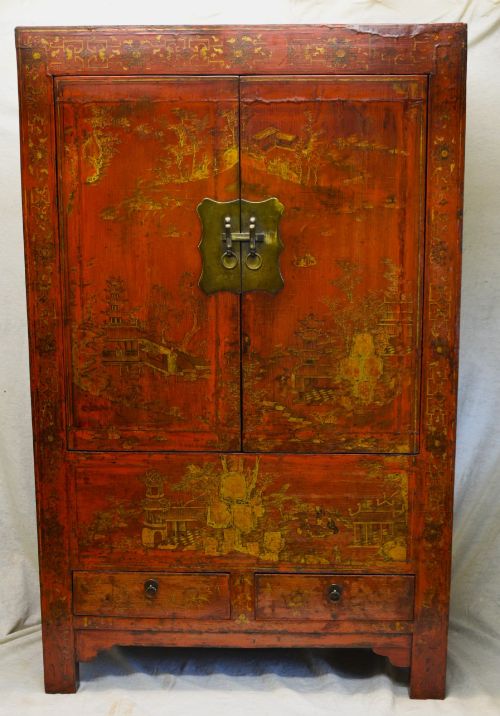
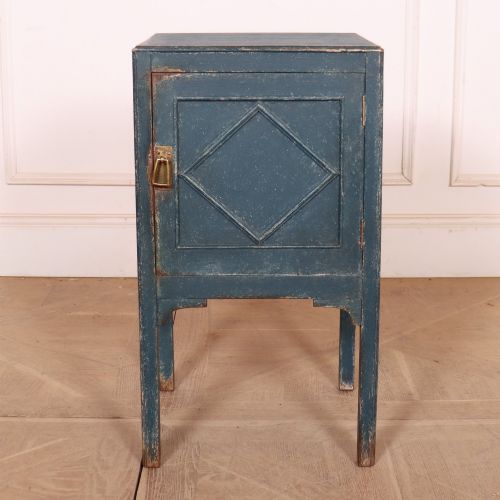
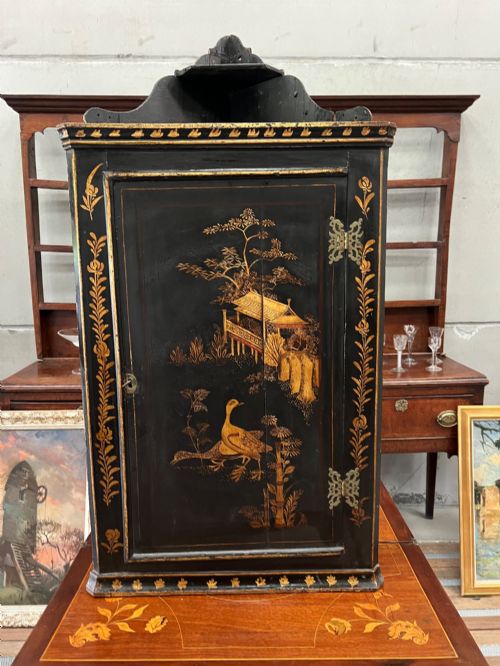
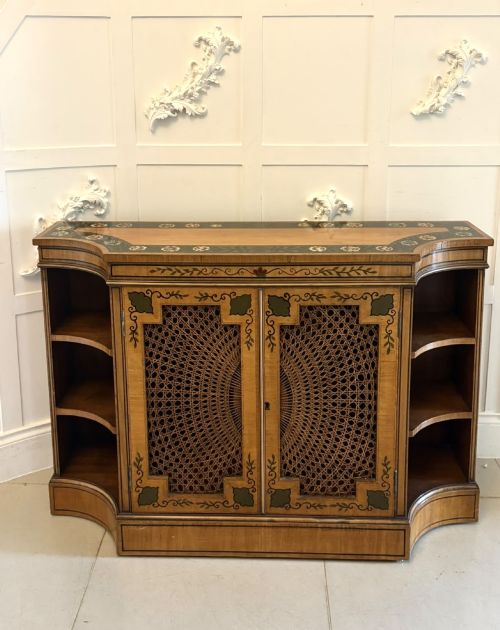
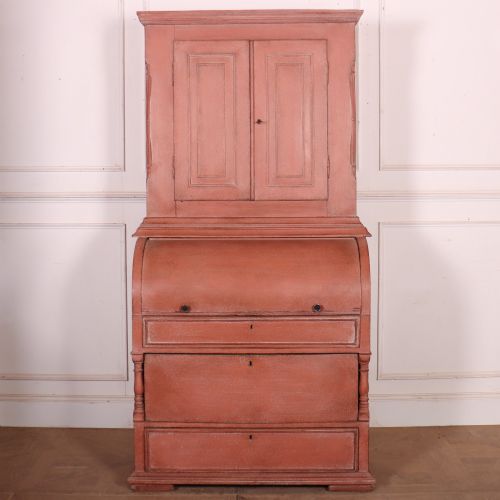
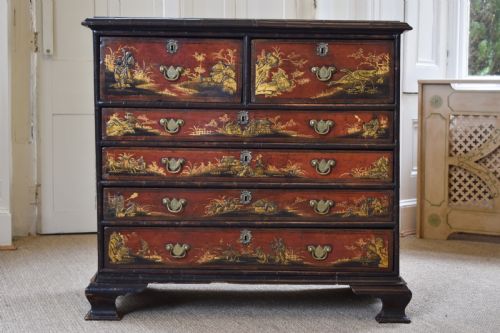
Painted cabinet furniture spans compact bedside tables, display cabinets, side cupboards, and large housekeeper's storage pieces across the eighteenth, nineteenth, and early twentieth centuries.
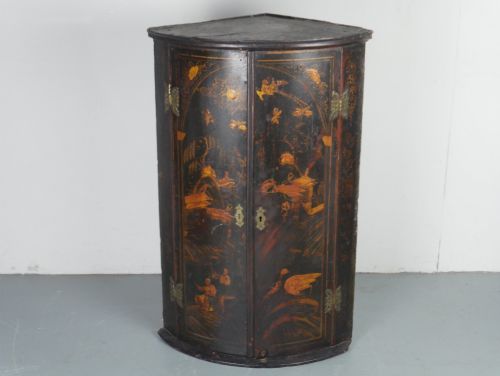
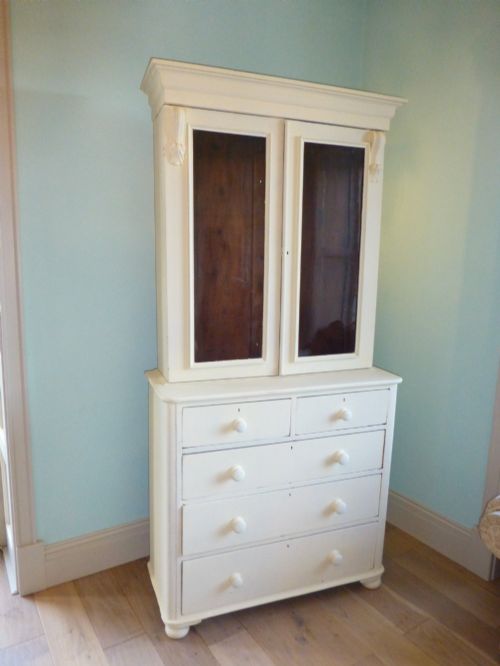
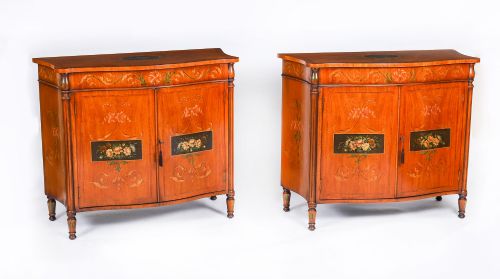
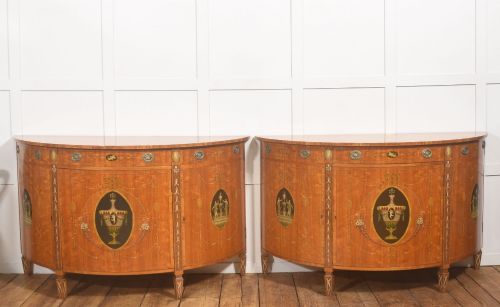
The selections here range from vernacular pine country cupboards and Swedish folk art to formal satinwood Sheraton revival cabinets, French vernis martin vitrines, and lacquered Chinoiserie pieces.
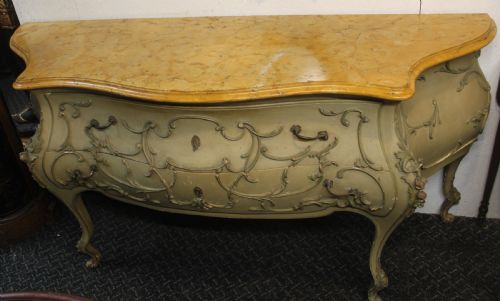
Buyers meet everything from simple scumble-painted pine chests and office storage to gilt-bronze mounted kingwood commodes with marble tops.
Materials and construction
Carpenters built carcasses from foundational timbers like pine and mahogany, often applying fine veneers such as satinwood and kingwood for decorative surfaces.
Artisans layered hand-mixed pigments, lacquers, and varnishes directly onto wood, incorporating gilt-bronze and ormolu mounts to frame the painted scenes.
Workshops utilised techniques ranging from folk art brushwork and scumble glazing to detailed Chinoiserie lacquer and vernis martin panels.
Painted Cabinet Furniture Retail Price Guide 2026
Typical asking prices for painted cabinet furniture among the pieces listed under this phrase on Sellingantiques today, from the lower quarter to the upper quarter. They describe what is for sale here now, not the wider market.
Listings feature painted cabinet furniture spanning pine, mahogany, satinwood, and kingwood across the eighteenth, nineteenth, and early twentieth centuries.
Assessing quality
Quality rests in the relationship between the underlying cabinetwork and the execution of the surface decoration, where skilled brushwork distinguishes workshop pieces from simpler output.
The survival of original paint surfaces dictates value, distinguishing items retaining their early pigments from later overpainted or stripped examples.
Integration of mounts, marble tops, and functional hardware reflects the original maker's ambition and the piece's intended social setting.
François Linke·Hampton & Sons
The Painted Cabinet Furniture Glossary
- Vernis martin
- A type of simulated Japanese lacquer developed in eighteenth-century France, utilising successive layers of varnish to create translucent decorative panels.
- Chinoiserie
- European interpretations of Chinese and East Asian artistic traditions, expressed through painted or lacquered motifs on furniture.
- Scumble paint
- A translucent or semi-opaque glaze manipulated with combs, rags, or brushes while wet to imitate wood grain or create textured patterns.
- Satinwood
- A lustrous yellowish timber native to India and Sri Lanka, frequently used as a fine veneer or solid wood ground for painted decoration.
- Ormolu
- Gilded bronze ornamentation applied to furniture, popular in French and revival cabinet-making to highlight corners, mounts, and feet.
Painted Cabinet Furniture: Frequently Asked Questions
How do I clean a painted cabinet?
Dust surfaces regularly with a soft, dry cloth to prevent particulate buildup on fragile painted layers. Avoid chemical solvents and modern polishes that can soften historic binders and historic finishes.
Test any cleaning method on a hidden underside before touching decorative panels. Professional conservators can advise on stabilizing flaking paint or distressed lacquer.
Where should I place painted furniture?
Keep painted items away from direct sunlight and strong heat sources to prevent the wood beneath from expanding and cracking the surface paint. Stable indoor humidity protects both the timber carcass and delicate gesso or varnish layers.
Position pieces where daily foot traffic will not bump or scratch protruding mouldings and corners. Balanced interior environments prevent the timber from warping over time.
Are these pieces original or later decorated?
Examine the integration of the paint layers with the timber construction, looking for natural wear patterns and age crackle that match the period of the piece. Authentic examples show pigment settling naturally into the grain and construction joins.
Consult the listing details for notes on original decoration or later painted surfaces. Dealers often specify whether the painted finish dates to the initial construction or a subsequent refurbishment.
How do I identify different revival styles?
Sheraton revival pieces from the Edwardian era typically feature crisp satinwood surfaces and classical painted swags, echoing late eighteenth-century proportions. French Louis-style items lean towards ornate ormolu mounts, serpentine fronts, and vernis martin panels.
Compare the decorative motifs against documented historical periods to spot revival characteristics. Understanding the primary timber and mount style helps date the piece accurately.