
Painted Buffet Cupboard
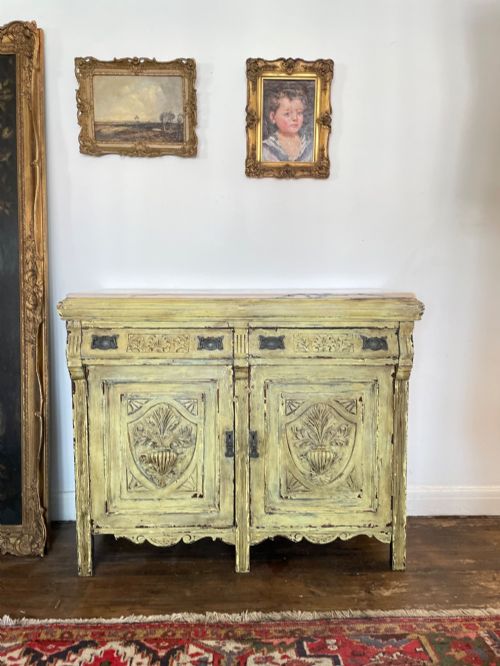
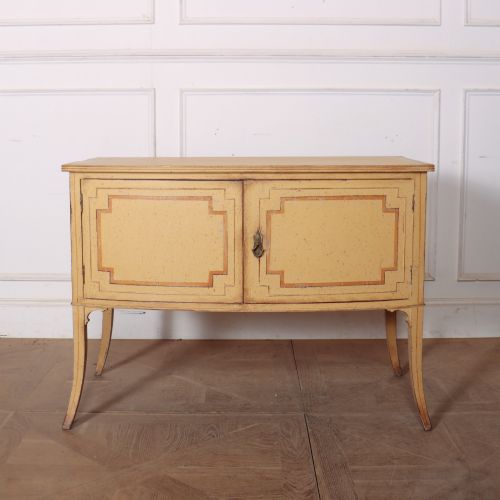
A painted buffet cupboard brings immediate surface character to a room, combining substantial kitchen storage with centuries of regional decorative tradition.
Painted Buffet Cupboard
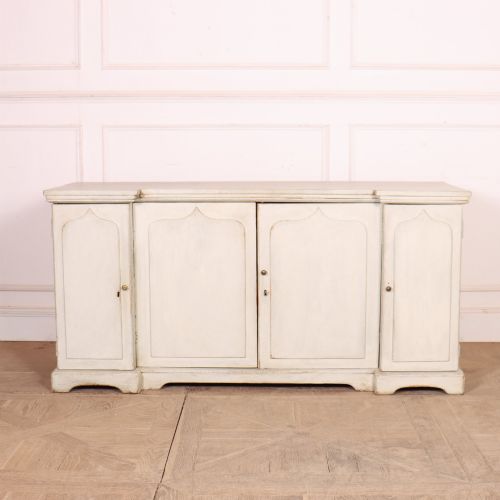
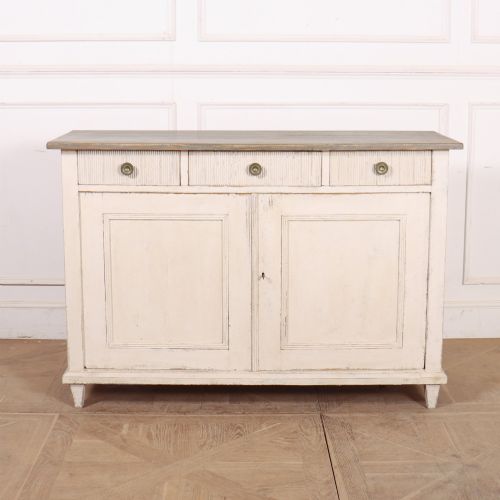
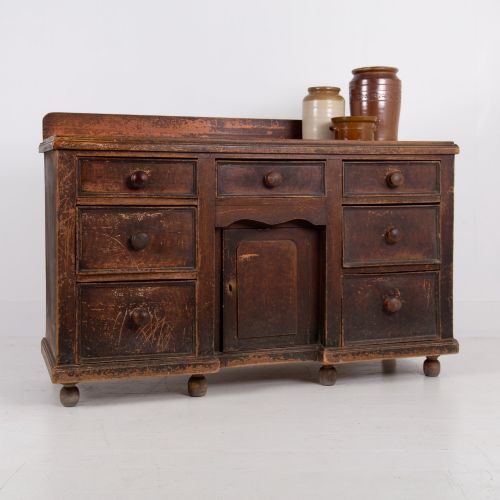
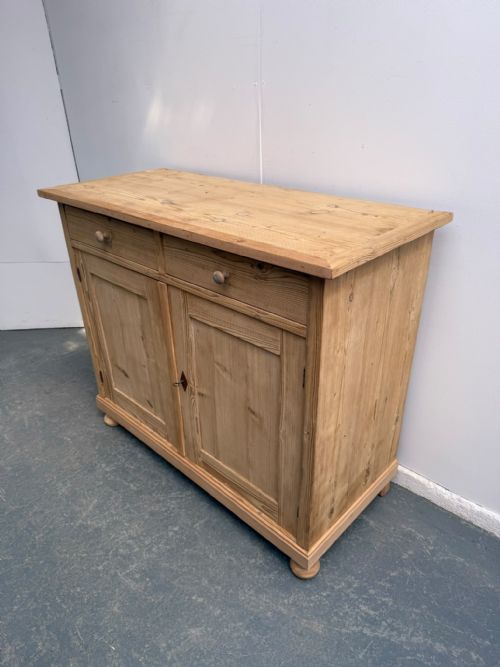
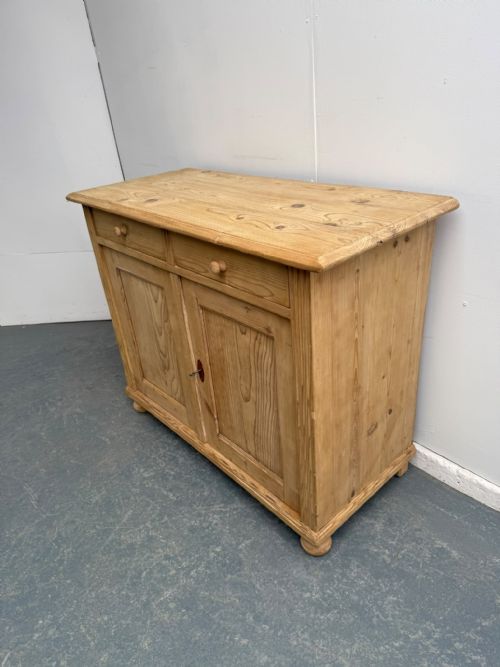
A painted buffet cupboard serves primarily as a kitchen or dining storage unit, appearing in forms such as dresser bases, enfilades, and sideboards. These pieces provide deep shelving and drawer space behind panelled doors, functioning as practical storage while anchoring a room's decorative scheme.
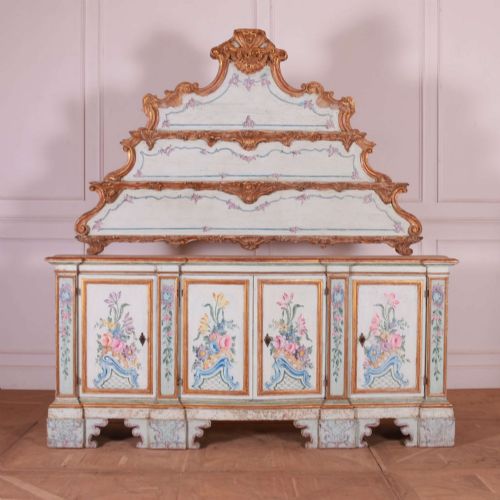
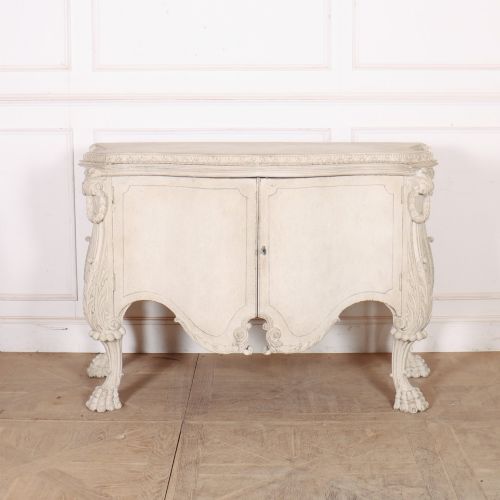
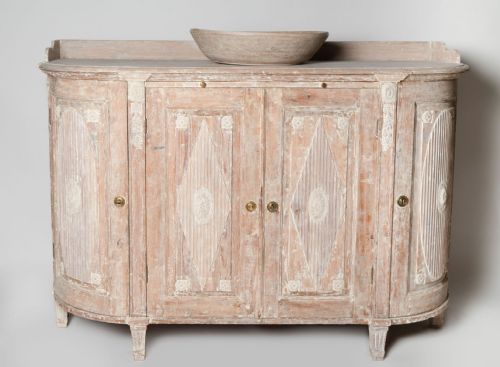
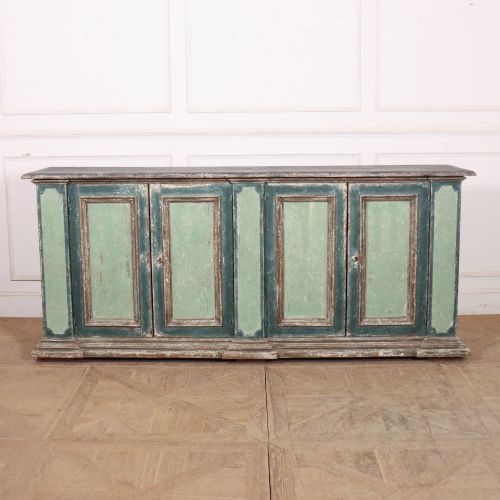
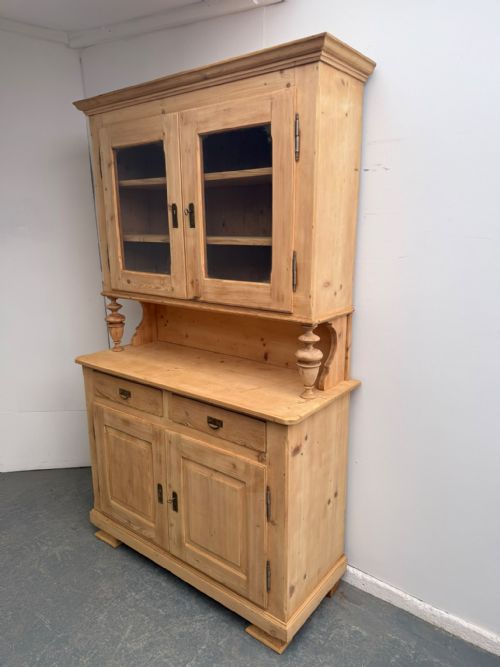
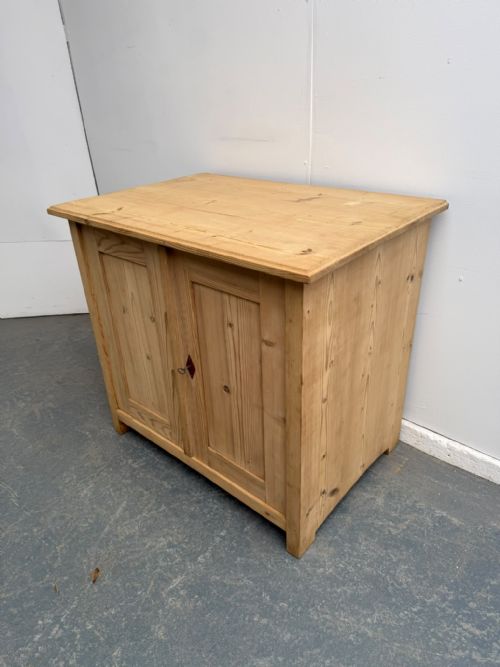
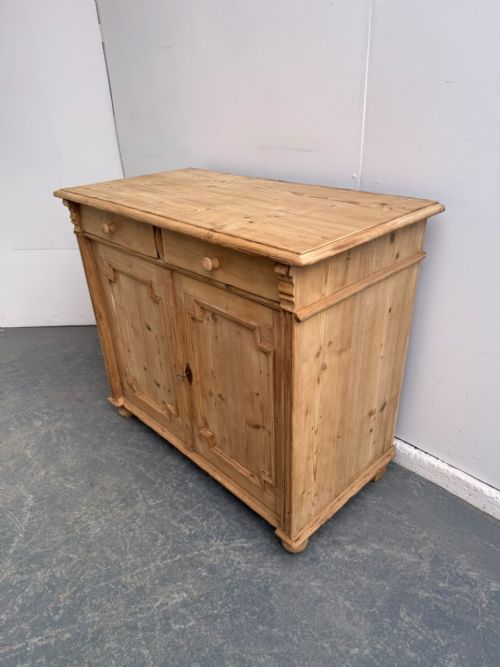
The pieces available here lean heavily into nineteenth-century utility and eighteenth-century continental elegance, spanning English country house workshops to Scandinavian farmhouses. Buyers encounter vernacular pine kitchen dressers alongside more formal Italian and Venetian painted cabinets.
Regional variations dictate the silhouette, from the robust pot boards of English country examples to the slender proportions of Swedish cupboards. Each piece reflects the domestic storage needs of its particular geographic origin.
How they were made
Makers relied principally on solid pine for vernacular pieces, whilst continental workshops utilised various native hardwoods beneath layers of decorative pigment. Iron and brass hardware, including drop handles and butterfly hinges, fastened the structural framework of doors and drawers.
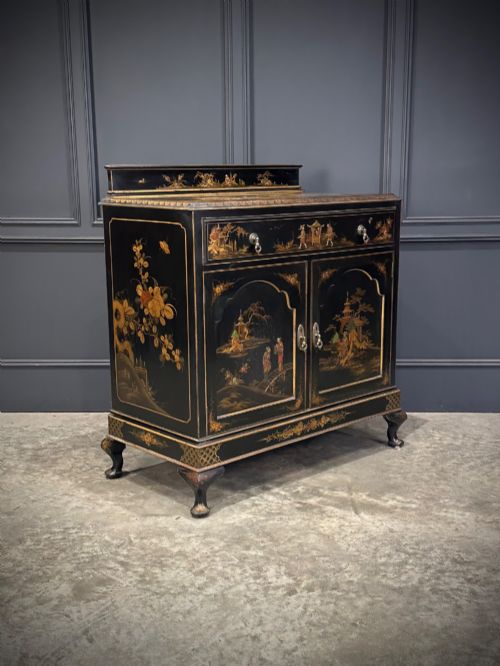
Surface decoration ranges from simple lead-based or milk paints applied to utility pine to intricate Chinoiserie japanning on later twentieth-century cabinets. Many surviving examples retain their original scraped or untouched paint schemes, bearing the physical marks of centuries of domestic use.
Listings span the eighteenth, nineteenth, and early twentieth centuries, featuring vernacular pine alongside formal Venetian and French painted surfaces.
What varies in quality
The integrity of the painted surface dictates much of the visual appeal, separating pieces with original, uncompromised layers from those subjected to later, unsympathetic repainting. Original scraped paint surfaces retain a depth of tone and texture that modern refinishing cannot replicate.
Construction methods also distinguish standard utility furniture from finer regional examples, particularly in the dovetailing of drawers and the thickness of timber used for pot boards and tops. Structural survival without excessive timber replacement preserves the historical authenticity of the piece.
The Painted Buffet Cupboard Glossary
- Buffet cupboard
- A low sideboard or storage unit designed for holding dining provisions and tableware. These pieces often feature a combination of drawers and lower cupboards enclosed by doors.
- Dresser base
- The lower section of a traditional kitchen dresser, typically comprising rows of drawers above a shelved cupboard space. Many examples include pot boards near the floor for storing heavy cookware.
- Enfilade
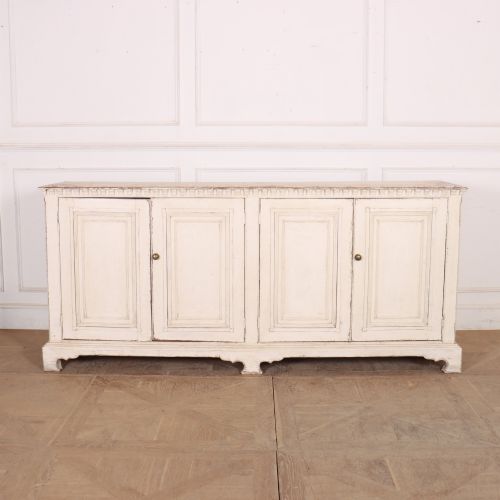
- A long sideboard or cabinet with a series of adjoining cupboard doors along the front elevation. This formal storage form originates primarily from continental European dining rooms.
- Japanning
- A European imitation of East Asian lacquerwork popularised on decorative furniture during various periods. The technique involves building up layers of dark resin and gold paint before curing.
- Pot board
- An open lower shelf fitted between the legs of a traditional kitchen dresser or base. This platform traditionally held heavy ceramic or metal cooking pots within easy reach.
Painted Buffet Cupboard: Frequently Asked Questions
How do I clean a painted finish?
Dust the surface regularly with a soft, dry cloth to prevent dirt accumulation on aged pigment. Avoid commercial chemical cleaners that can strip or soften historical paint layers.
For stubborn marks, use a barely damp cloth with mild soap, drying the wood immediately afterwards. Preserving the integrity of the original surface requires a gentle touch.
Can I use a buffet in a hallway?
Many shallow dresser bases and side cabinets suit narrow entrance spaces where deep furniture obstructs movement. They provide useful surface space for post and keys alongside concealed storage for shoes.
Consider the clearance of doors and drawers before placing a long unit in a confined corridor. Measure the exact depth of the piece against available floor space.
What is original scraped paint?
Original scraped paint refers to a surface finish where later decorative layers have been carefully removed to reveal the earliest historic pigment beneath. This process uncovers the authentic tones applied when the furniture was first made.
Such surfaces display subtle tonal variations and wear patterns accrued over generations. Collectors prize this finish for its visual honesty and historical depth.
How do I date a pine cupboard?
Examine the construction methods, such as hand-cut dovetails on drawers and the type of fixings used to secure the backboards. Earlier pieces from the eighteenth and early nineteenth centuries often show irregular tool marks and shrinkage splits.
Hardware styles and the composition of underlying timber provide further clues to the manufacturing era. Compare these physical traits against documented regional furniture forms.