
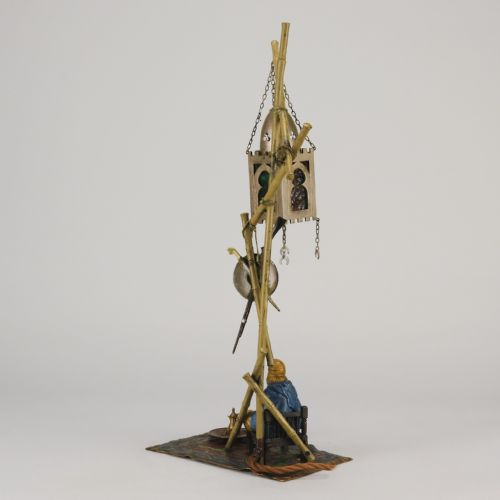
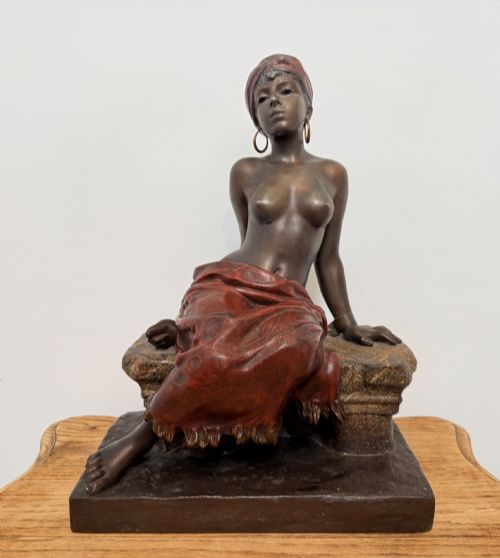
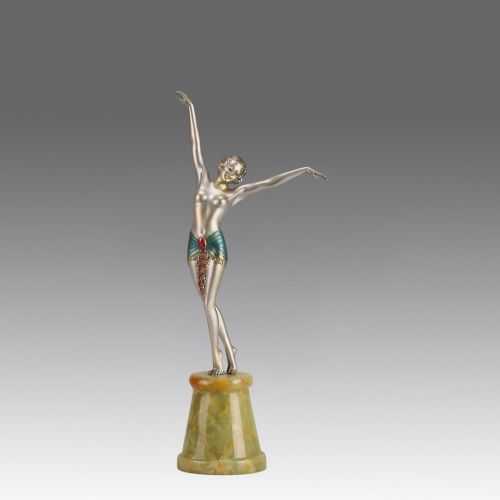
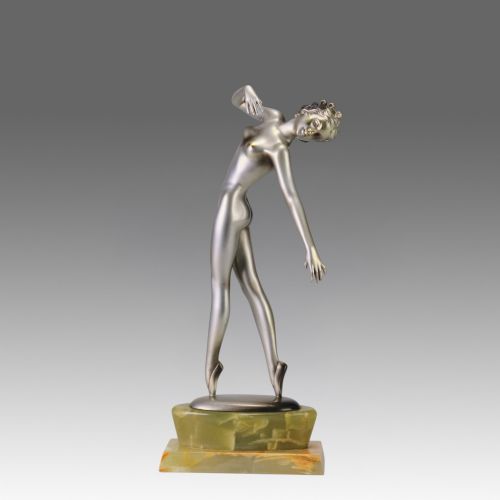
Painted Bronze Statues
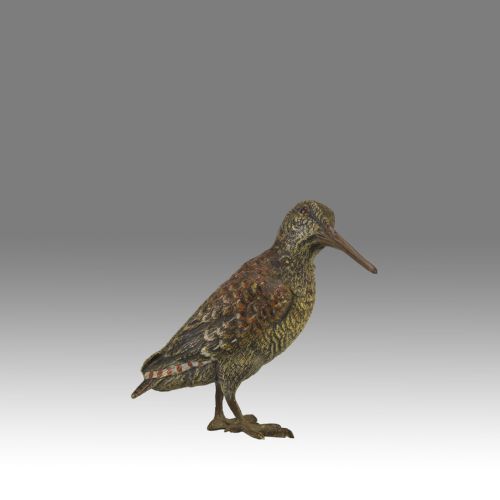
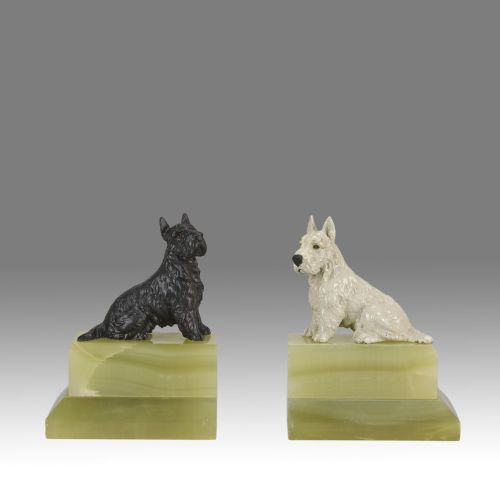
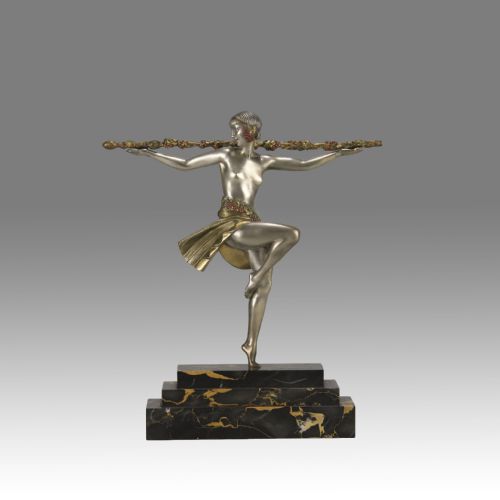
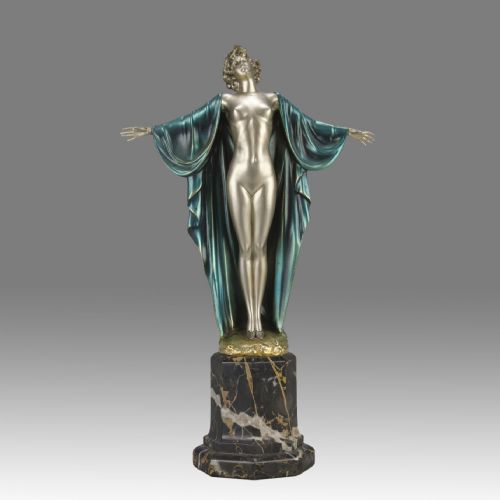
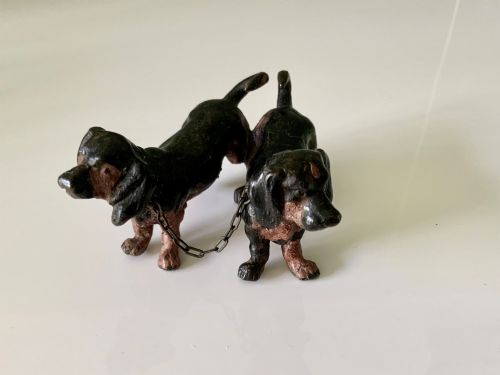
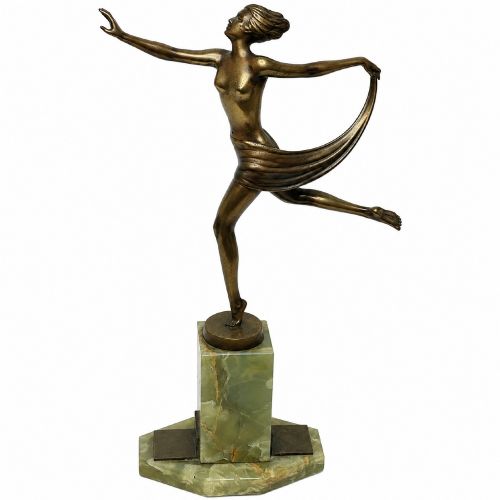
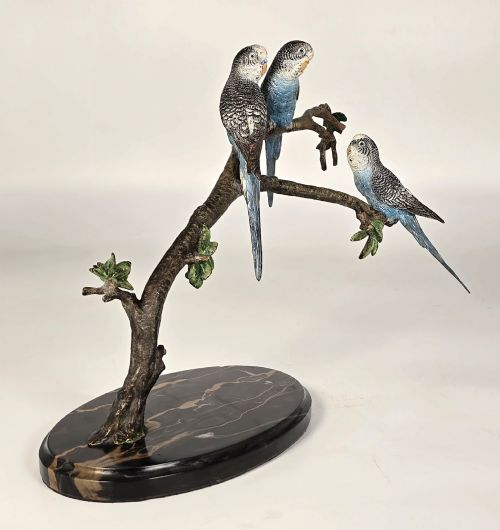
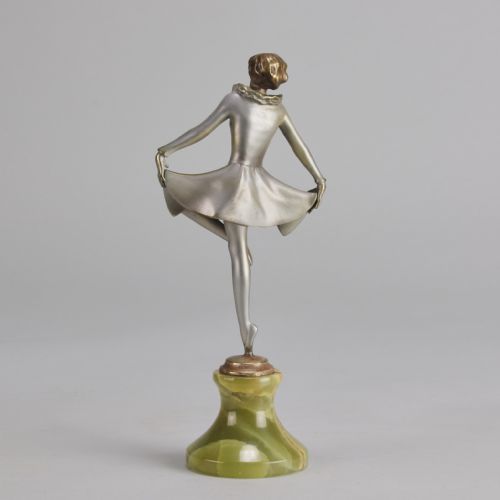
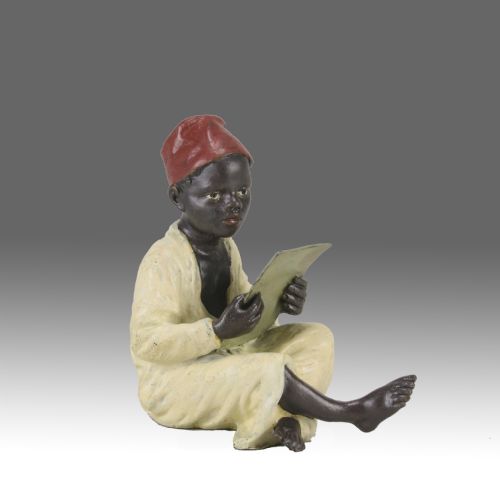
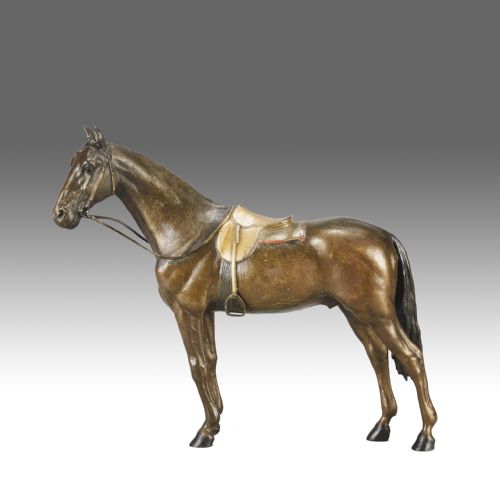
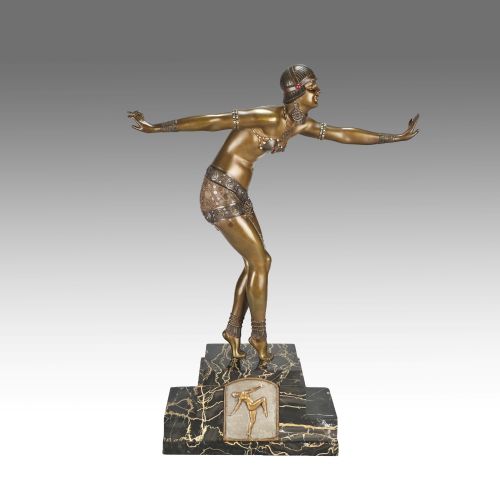
These painted bronze statues bring home the vivid palette of Vienna bronze and Art Deco sculpture, offering animated animal figures and human dancers.
Painted Bronze Statues
Painted bronze statues encompass figurative sculptures, animal studies, and functional table lamps created primarily during the late nineteenth and early twentieth centuries. The pieces collected under painted bronze statues range from small Vienna bronze animal groups to larger Art Deco human figures.
Vienna bronze workshops dominate the smaller animal subjects, depicting birds, dogs, and orientalist human figures with remarkable character. Art Deco dancers and mythological characters represent the human form in motion, often standing on bases of onyx or marble.
How they were made
The foundation of these works is cast bronze or spelter, shaped through traditional foundry methods before receiving surface embellishment. Enamel paint or cold paint is applied to the metal surfaces, creating rich coloration that adheres without high-temperature firing.
Many sculptures incorporate bases carved from contrasting natural stones such as onyx and marble. Gilt bronze details occasionally accent the painted surfaces, adding metallic brilliance to dancers and decorative items.
Listings span the Victorian period through the Art Deco era, encompassing bronze, spelter, marble, and onyx materials.
What varies in quality
The fidelity of the casting and the precision of the hand-painting set individual pieces apart. Master founders captured intricate textures in feathers, fur, and garments, while lesser workshops produced softer, less detailed contours.
The preservation of the original cold-painted surface heavily influences desirability. Crisp application of polychrome enamel without heavy overpainting distinguishes superior examples from ordinary production.
Franz Bergman·Pierre le Faguays·Ferdinand Preiss·Josef Lorenzl·E Villanis
The Painted Bronze Statues Glossary
- Cold-painted bronze
- Bronze sculpture painted with unfired oil paint or enamel after casting. This technique requires careful handling to preserve the delicate pigment.
- Vienna bronze
- Small, highly detailed bronze figures produced in Austrian foundries, particularly during the late nineteenth and early twentieth centuries. These pieces often depict animals, human figures, and orientalist scenes.
- Spelter
- A zinc-based alloy frequently utilised as a cost-effective alternative to bronze in decorative figures. It accepts cold painting and metallic finishes similarly to copper alloys.
- Orientalism
- An artistic movement depicting Middle Eastern and North African subjects with theatrical detail. Works in this style frequently portray figures in traditional garb.
- Gilt bronze
- Metal sculpture enhanced with a thin layer of gold applied to the surface. This finish adds bright highlights to dancers and decorative objects.
Painted Bronze Statues: Frequently Asked Questions
What are painted bronze statues?
These works are cast metal sculptures enhanced with polychrome paint, capturing subjects ranging from naturalistic wildlife to stylised human dancers. They emerged largely from European foundries during the late Victorian and Art Deco eras.
Artists utilised cold-painting techniques to apply oil-based colours directly onto the metal surface, creating vibrant garments, plumage, and natural textures without firing.
How were Vienna bronzes used?
Makers designed these small-scale sculptures primarily as decorative ornaments for desks, mantelpieces, and display cabinets. Many served dual purposes as functional items such as bookends, table lamps, and inkwells.
Their charming realism and narrative scenes made them popular conversation pieces in bourgeois interiors across Europe during the early twentieth century.
How do I display these figures?
Position these sculptures away from direct sunlight to protect the delicate cold-painted pigments from fading. Stable shelving with adequate room allows the intricate details of animal studies and human figures to remain visible from multiple angles.
Grouping smaller Vienna bronzes together on a dedicated tray or table creates an engaging display that mirrors historic collector cabinets.
How can I distinguish Art Deco from Vienna bronze pieces?
Art Deco examples typically feature stylised human forms, such as dancers or athletes, often mounted on geometric marble or onyx bases. Their lines reflect the sleek, modern aesthetic of the interwar period.
Vienna bronze works lean heavily toward naturalistic animal studies and orientalist human figures with intricate, whimsical narratives, commonly produced before the First World War.