


Painted Bronze Figures
Painted bronze figures bring vivid colour and character to mantelpieces and desks, spanning animal studies and human dancers from the Victorian era into Art Deco.
Painted Bronze Figures
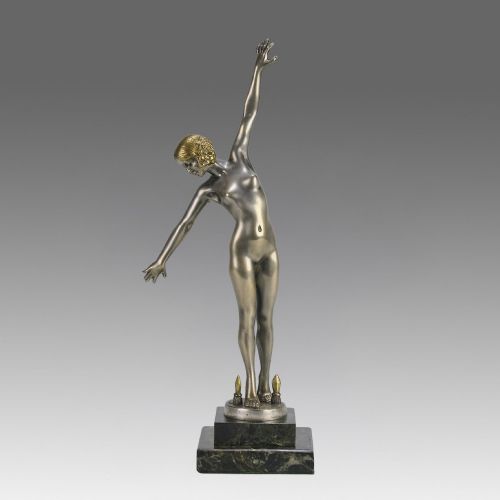
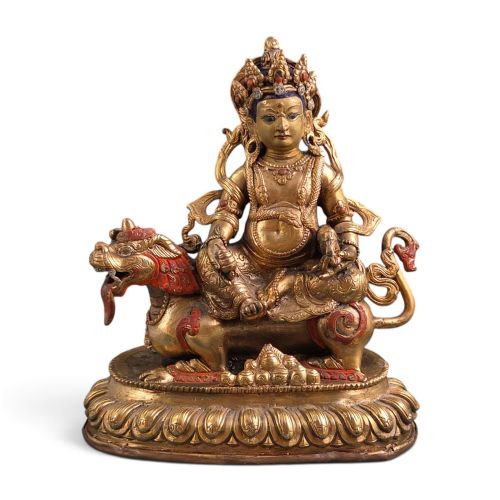
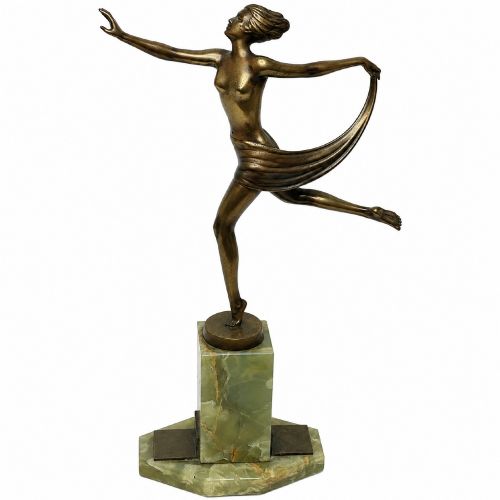
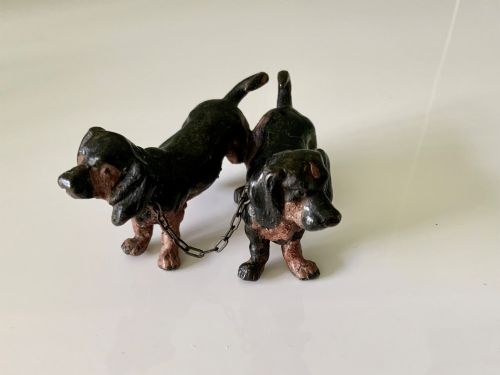
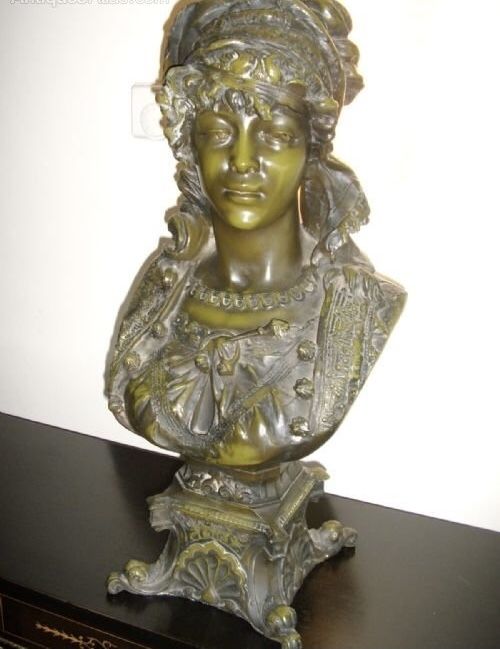
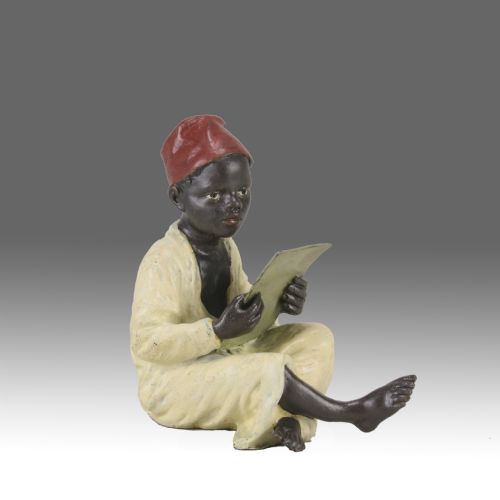
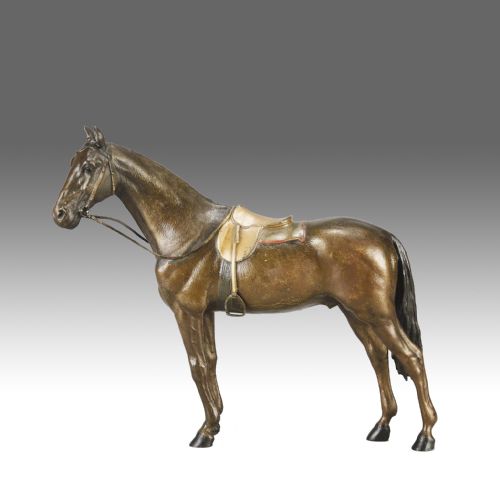
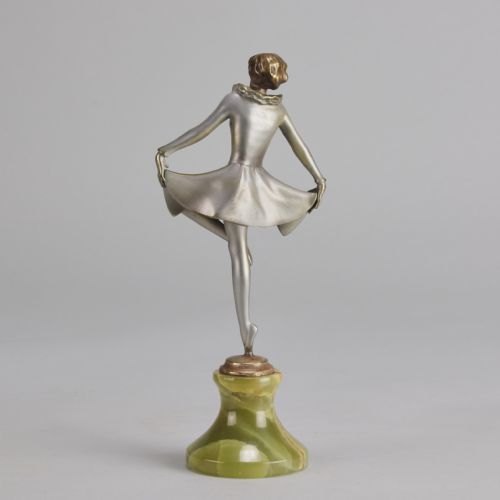
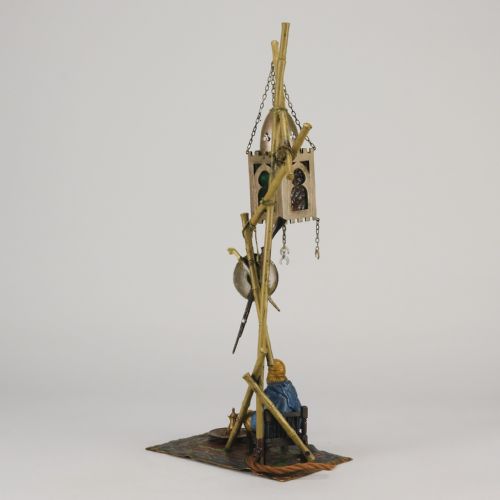
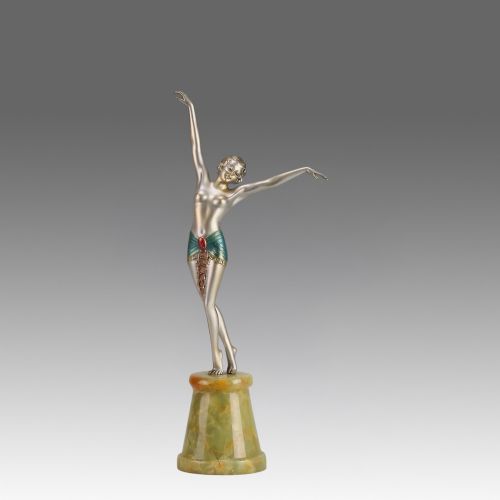
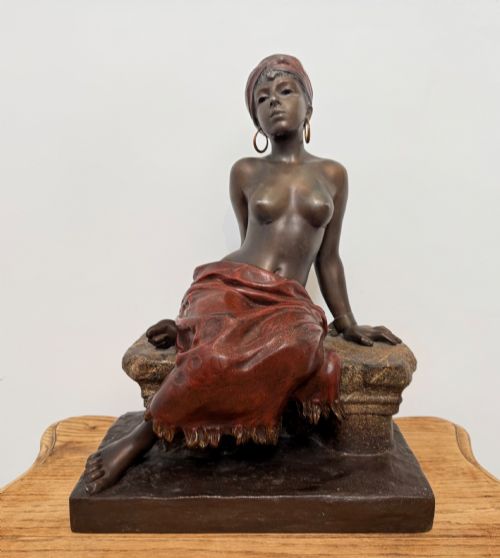
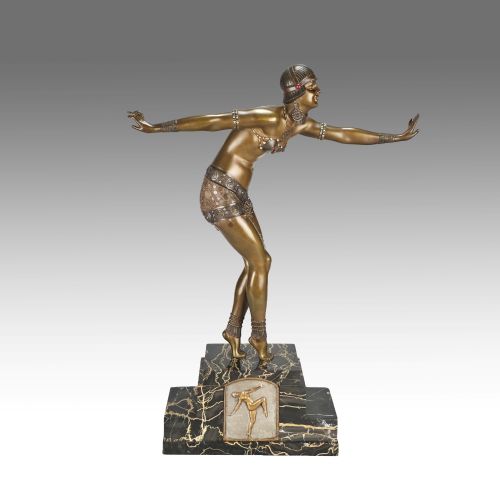
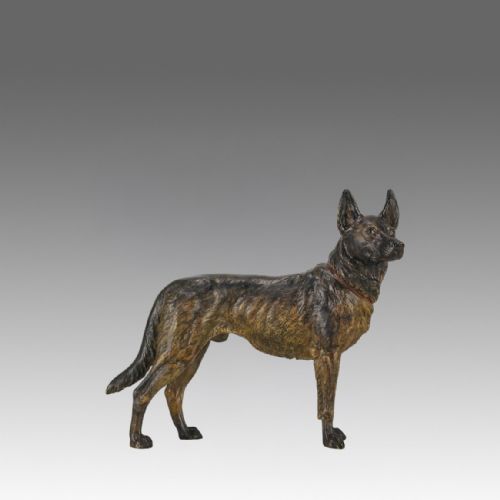
Painted bronze figures encompass a rich variety of sculptures, statuettes, bookends and table lamps created across the nineteenth and twentieth centuries. When searching for painted bronze figures, buyers encounter diverse forms ranging from realistic birds and dogs to expressive human dancers and Orientalist subjects.
The selections span distinct design movements including Art Nouveau, Art Deco and Orientalism, with Austrian and Vienna workshops dominating the offerings. Animal studies, dancers and figural groups form the core of the physical evidence available in this category.
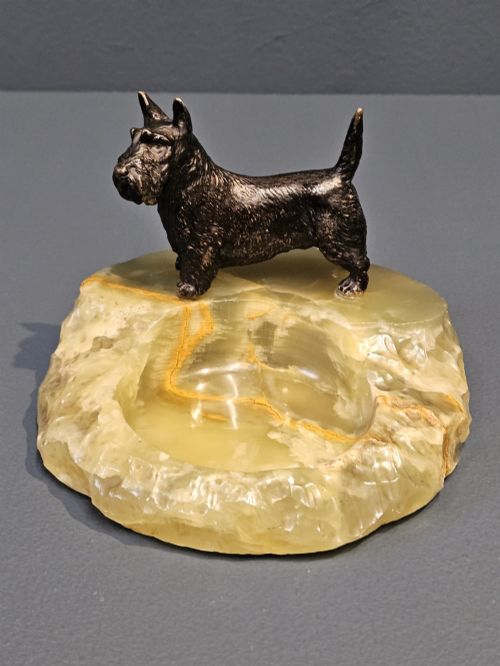
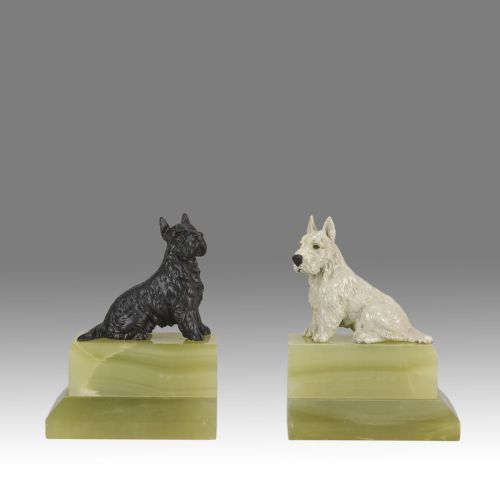
Pieces frequently incorporate bases made from green onyx or marble to support the metalwork. Table lamps, mantel clocks and candlesticks also appear alongside traditional standalone sculptures.
How they were made
The creation of these objects relies primarily on cast bronze or spelter combined with surface pigment. Cold-painting techniques allowed makers to apply polychrome colours directly onto the metal surface without subsequent kiln firing.
Selected works introduce gilt bronze finishes alongside enamel details to highlight specific decorative elements. Structural bases often utilise natural stone such as marble or green onyx to anchor the weight of the metal sculpture.
Painted Bronze Figures Retail Price Guide 2026
Typical asking prices for painted bronze figures among the pieces listed under this phrase on Sellingantiques today, from the lower quarter to the upper quarter. They describe what is for sale here now, not the wider market.
Among the menagerie of birds and warriors, a cheerful painted metal mouse stands ready to surprise any desk.
What varies in quality
Quality rests significantly upon the crispness of the casting and the preservation of the original polychrome or cold-painted surface. Finer examples display meticulous brushwork and realistic anatomical detail in both animal and human subjects.
The choice of secondary materials, such as heavy green onyx bases or intricate marble mounts, contributes to the overall distinction of the piece. Recognised foundry marks and signatures from established makers elevate the desirability within the broader category.
Franz Bergman·Pierre le Faguays·Ferdinand Preiss·Josef Lorenzl·L & F Moreau·Demetre Chiparus·Henry Wissen Senior·Bruno Zach
The Painted Bronze Figures Glossary
- Cold-Painted Bronze
- A metal sculpture painted with unfired oil-based paints. This technique reached its height in Austrian foundries during the late nineteenth and early twentieth centuries.
- Vienna Bronze
- Small, highly detailed bronze sculptures produced in Austrian workshops. These pieces often depict animals, human figures in Orientalist attire or humorous scenes.
- Spelter
- An alloy of zinc and lead used as a cheaper alternative to bronze. It is frequently painted or electroplated to imitate true bronze in decorative figures and clocks.
- Orientalism
- An artistic style inspired by Middle Eastern and North African cultures. Figures in this genre typically portray dancers, warriors or street vendors in traditional garb.
- Green Onyx
- A banded variety of chalcedony used commonly for sculptural bases. It provides a heavy, polished mounting for bronze figures and animal studies.
Painted Bronze Figures: Frequently Asked Questions
What is cold-painted bronze?
Cold-painted bronze refers to metal sculptures finished with paints applied without high-temperature firing. This method allowed artists to achieve vivid, lifelike coloration on detailed castings.
Artisans used oil-based pigments that adhere directly to the metal surface. Over time, gentle handling helps preserve these delicate painted finishes.
Who made Vienna bronzes?
Vienna bronzes were produced by numerous specialised foundries operating in Austria during the late nineteenth and early twentieth centuries. Franz Bergman stands out as the most prominent foundry owner associated with this production.
These workshops employed skilled modellers and painters to create miniature animal studies and human figures. Their output is celebrated for its humour, realism and fine detailing.
What is the difference between bronze and spelter?
Bronze is a durable alloy primarily composed of copper and tin, valued for its strength and ability to hold fine casting details. Spelter is a softer, zinc-based metal used as an economical substitute.
Spelter figures often feel lighter and show less definition in complex cast areas. Many period decorative objects and clocks utilise spelter painted to resemble bronze.
What themes are common in these figures?
Common themes include naturalistic animal studies such as birds, dogs and big cats. Human figures frequently celebrate dance, Art Deco fashion and Orientalist subjects.
Makers drew inspiration from contemporary performance, nature and exotic travel. This variety allows collectors to focus on specific animals, dancers or architectural lighting.